How to Implement Compliant Detection of Pharmaceutical Raw Materials Using Infrared Spectroscopy
8月 12, 2026
Raw materials form the absolute foundation of pharmaceutical quality control. Identifying genuine versus counterfeit raw and auxiliary materials, verifying purity, and screening for impurities represent the critical first checkpoints for compliant manufacturing. Following the implementation of the 2025 edition of the Chinese Pharmacopoeia, infrared spectrophotometry serves as a legally prescribed standard testing method. It enables pharmaceutical manufacturers to comply with GMP guidelines, mitigate quality inspection risks, and achieve fully compliant production while overcoming conventional testing bottlenecks such as cumbersome procedures, lengthy cycles, and poor data traceability.
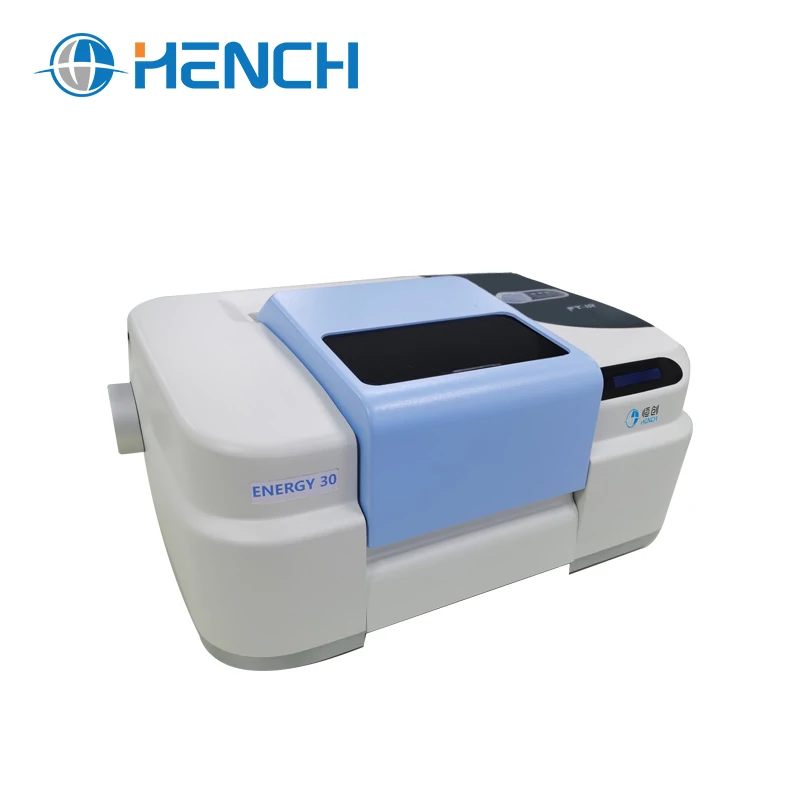
Overcoming Traditional Pharmaceutical Testing Challenges
Daily quality inspection in pharmaceutical manufacturing has long faced significant hurdles. Traditional chemical testing relies on complicated procedures and multi-day testing cycles that fail to satisfy rapid batch-incoming sampling demands. Furthermore, conventional methods struggle to distinguish between structurally similar raw materials and counterfeit excipients, introducing hidden production risks alongside non-standard data and insufficient traceability that invite regulatory failures.
Fourier-transform infrared (FTIR) spectrometers utilize advanced molecular fingerprint recognition technology to precisely capture the structural characteristics of active pharmaceutical ingredients (APIs) and excipients. By comparing characteristic absorption peaks, facilities achieve rapid qualitative identification and quantitative analysis in strict alignment with pharmacopoeia testing specifications.
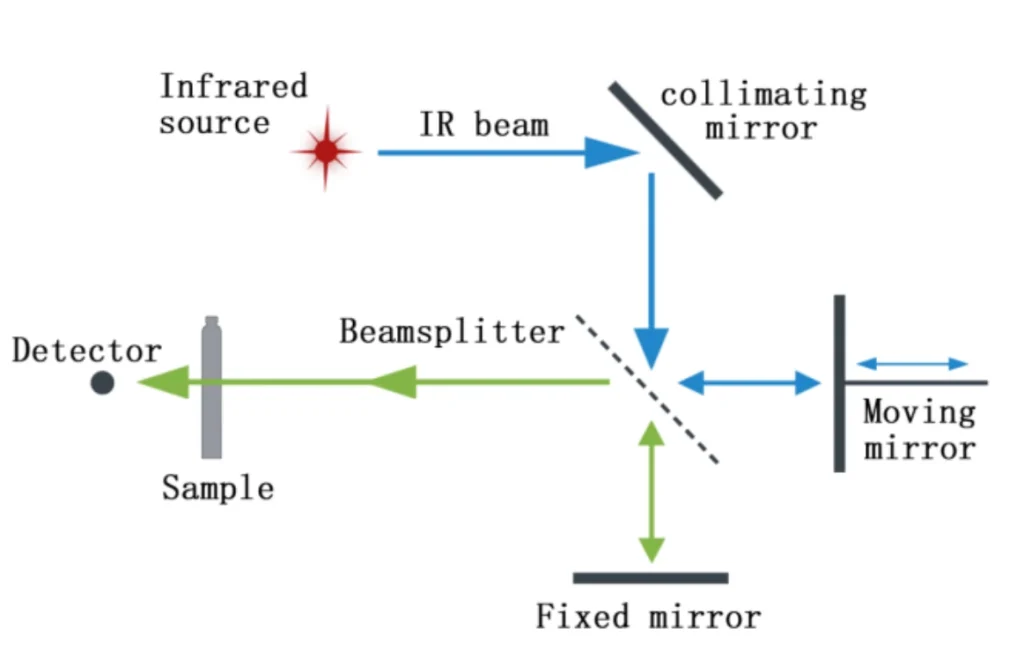
Ensuring Pharmacopoeia Compliance and Analytical Accuracy
Meeting rigorous compliance and accuracy standards requires strict adherence to regulatory frameworks. By adhering to the General Principles of Infrared Spectroscopy (General Principle 0402) in the Chinese Pharmacopoeia, FTIR instruments accurately authenticate raw materials, detect purity deviations, screen for solvent residues and mixed impurities, and differentiate drug crystal structures to prevent efficacy fluctuations.
Furthermore, integrated compliant data systems automatically store testing records with complete auditability and full traceability. This functionality satisfies GMP and pharmacopoeia data integrity requirements, protecting operations from compliance violations related to missing records or data alterations.
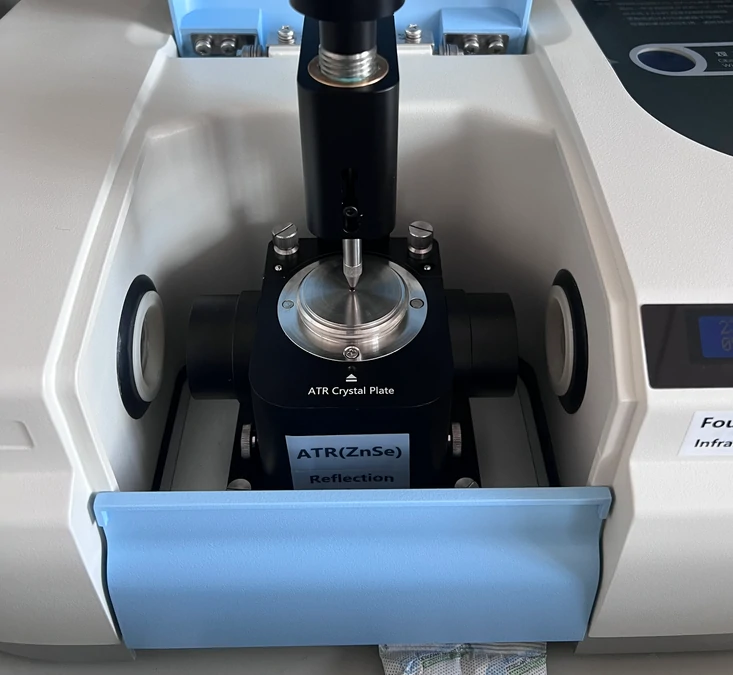
Streamlining Workflows with Versatile Testing Modes
Modern FTIR spectrometers satisfy full-spectrum testing demands across diverse samples, including APIs, powdered excipients, liquid solvents, and polymer packaging materials.
Supported Testing Techniques
- Transmission Method: Traditional analytical mode for standard sample preparation requirements.
- Attenuated Total Reflection (ATR): Advanced testing mode requiring no complex sample pretreatment and minimal chemical reagents.
Direct testing of solid, liquid, and powdered samples drastically streamlines laboratory preparation. Delivering results in just minutes, this technology accelerates testing efficiency exponentially over traditional methods, seamlessly fitting the rapid incoming material screening rhythms of modern pharmaceutical plants. For facilities looking to upgrade their laboratory capabilities, exploring a reliable FT-IR Spectrometer provides the precise molecular analysis needed for high-throughput screening.
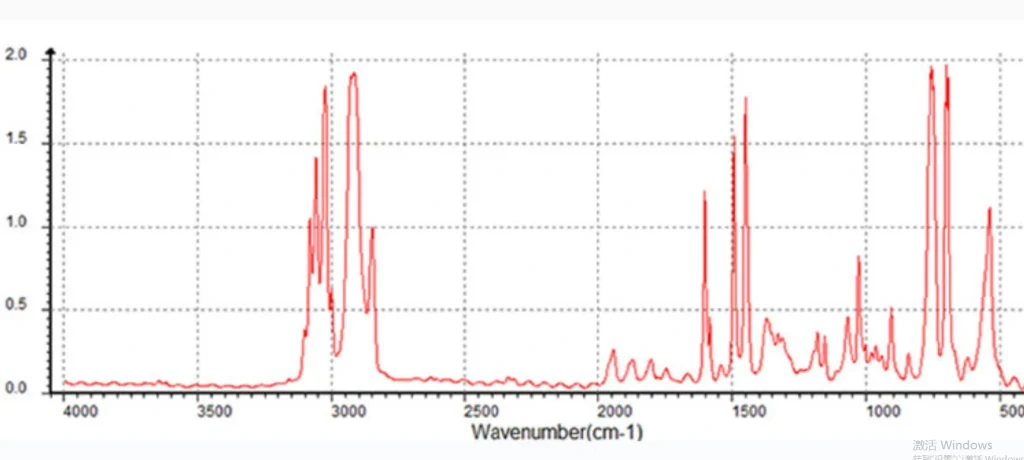
Driving Quality Control and Regulatory Audit Readiness
Compliant raw material testing establishes the fundamental baseline for pharmaceutical quality management. FTIR spectrometers significantly reduce testing costs, minimize human error, and accelerate incoming warehouse inspections while ensuring standardized, regulatory-compliant performance. By preventing substandard materials from entering production lines at the source, these instruments safeguard manufacturing consistency, assist enterprises in passing strict regulatory audits, and reinforce clinical medication safety.
よくある質問
Q: How does infrared spectroscopy help comply with the 2025 Chinese Pharmacopoeia? A: It operates as a legally prescribed standard testing method under General Principle 0402, delivering precise identification, purity verification, and fully auditable data systems that meet GMP guidelines.
Q: What sample types can be analyzed using an FTIR spectrometer? A: The instrument accommodates active pharmaceutical ingredients (APIs), powdered excipients, liquid solvents, and polymer packaging materials using transmission or ATR modes.
Q: How does FTIR technology improve testing efficiency? A: By requiring little to no sample pretreatment and completing analyses in minutes, FTIR testing bypasses the multi-day cycles of traditional chemical testing.
Q: How are data integrity and traceability maintained? A: Integrated compliant software automatically stores test data with full audit trails to prevent data falsification and ensure compliance during regulatory inspections.