



ニュース
-
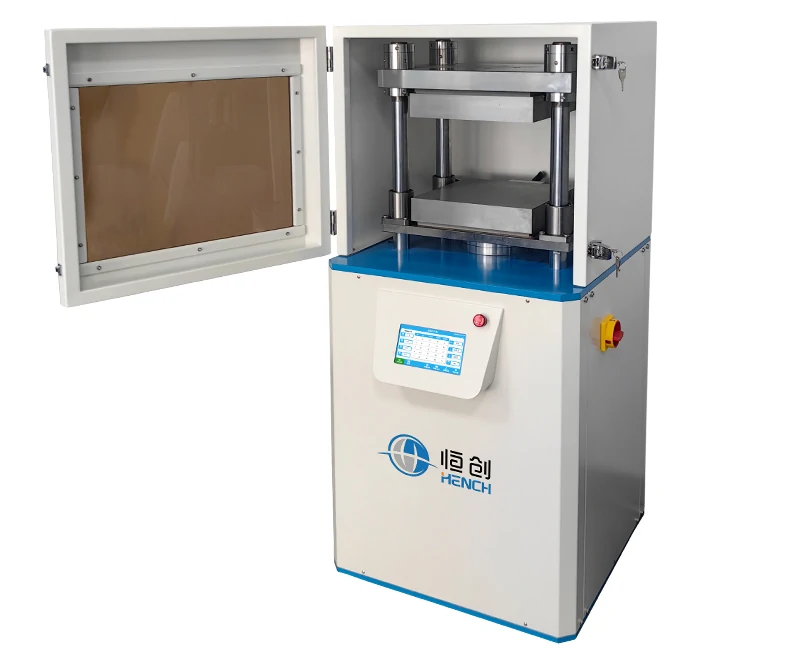
HENCH Vertical Automatic Heating Press: Precision Hot-Pressing Sample Preparation Solution for Laboratories
読む もっと読むIn the research and development of polymers, composite materials, rubber-plastics, and new functional materials, hot-press forming is a critical step in sample preparation. Conventional hot-press equipment commonly suffers from large temperature control deviation, obvious pressure fluctuation, considerable manual interference, and poor sample repeatability. These drawbacks readily lead to sample defects such as air bubbles, warpage, and uneven thickness, which directly compromise the reliability of physical-chemical tests and spectral analysis. Developed for real-world laboratory requirements, the HENCH hydraulic press series products integrates precise temperature control, fully automatic hydraulic drive, and intelligent program control, delivering stable and efficient hot-press sample preparation for universities, research institutes, new-material enterprises, and pharmaceutical and chemical laboratories. […]
-
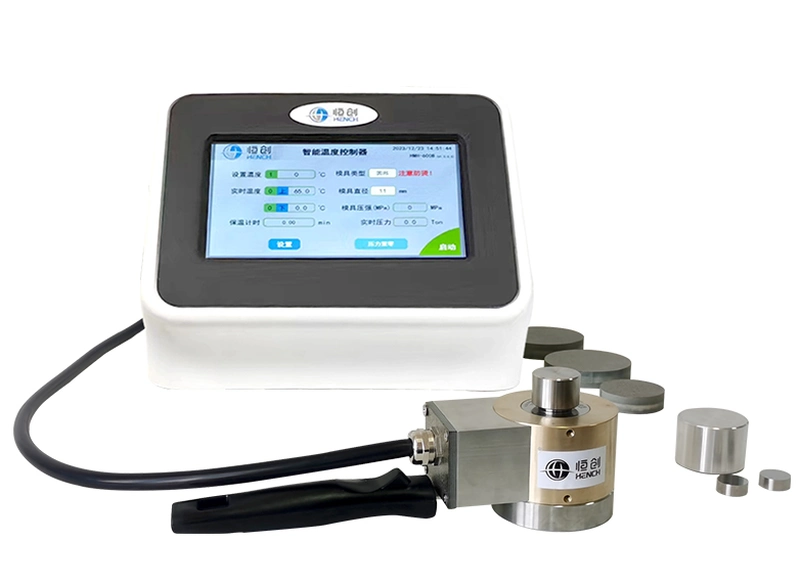
500℃ Circular Heating Mold: High-Temperature Sample Preparation to Empower Material Analysis
読む もっと読むIn material science, polymer R&D, inorganic powder research, and infrared spectroscopy sample preparation experiments, molds are the core components that determine the quality of formed samples. Conventional pressing molds cannot withstand high-temperature working conditions and often suffer from difficult demolding, sample cracking, and uneven heating, which directly impair the accuracy of subsequent test data. Developed for high-temperature hot-press sample preparation scenarios, the HENCH 500℃ circular heating mold delivers high temperature resistance, forming precision, and operational practicality, serving as reliable hardware for laboratory hot-pressing work. High-Temperature Resistance and Precise Sample Forming The maximum operating temperature of the HENCH 500℃ circular heating mold reaches 500℃, meeting diverse experimental requirements, including polymer melt […]
-
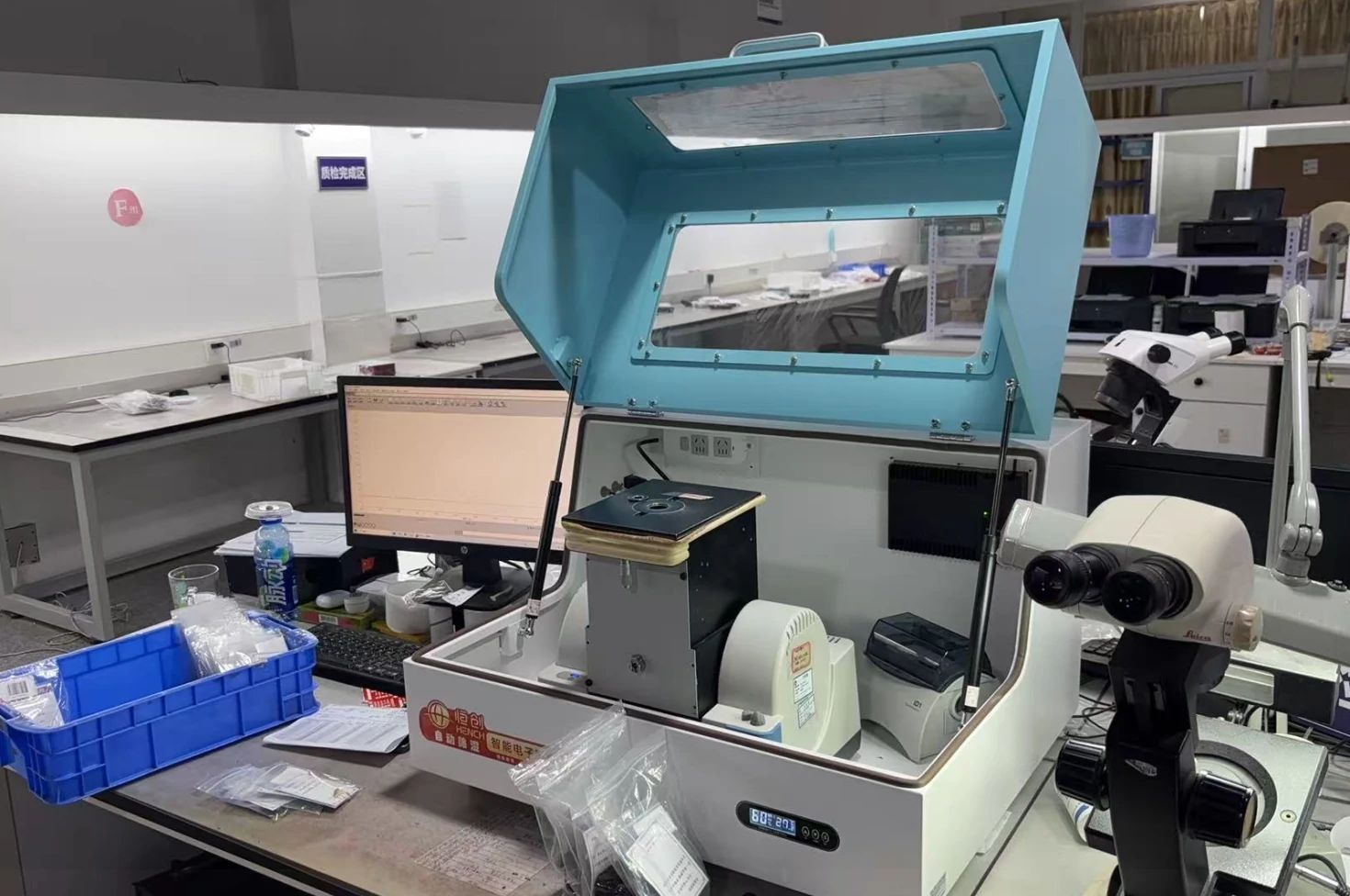
HENCH IR Desiccator: Precise Humidity Control, Consumable-Free, Long-Term Protection for FTIR Spectrometers
読む もっと読むFTIR spectrometers are widely used in university research, pharmaceutical quality control, chemical analysis and material testing. However, sensitive internal components, including optical lenses and detectors, can be affected by prolonged exposure to humid air. Excessive moisture may cause lens mildew, baseline drift and measurement errors, affecting spectral accuracy and instrument service life. Designed for Thermo Fisher IS 10, IS 20 and APEX FTIR spectrometers, the HENCH dedicated IR desiccator provides a controlled low-humidity storage environment without the need for disposable desiccants. It combines precise humidity control, consumable-free operation, low energy consumption and structural sealing to provide continuous moisture protection for FTIR instruments during operation and standby periods. For laboratories looking […]
-
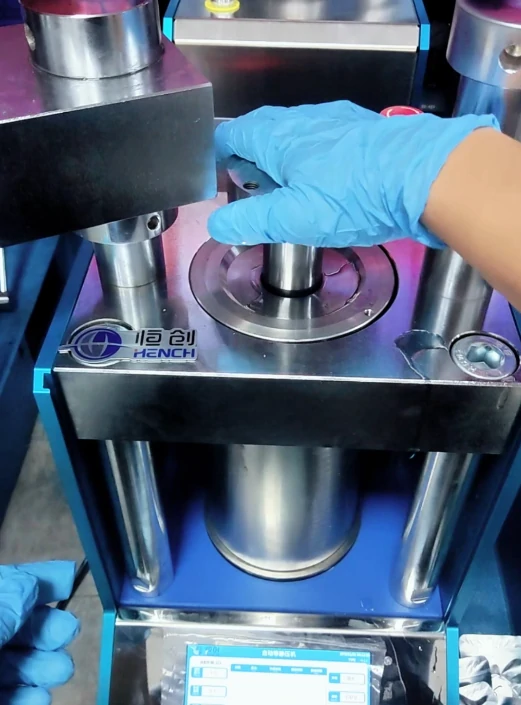
Isostatic Pressing for Crack-Free and Delamination-Free Pellets
読む もっと読むPellet cracking, delamination, internal porosity, and uneven density can compromise powder compaction experiments. These problems often arise when conventional uniaxial presses apply pressure from a single direction. Friction between the powder and die wall can create density gradients and residual stress inside the compact. These defects may become more obvious during demolding, sintering, or later material testing. An automatic laboratory isostatic press addresses these limitations by applying pressure uniformly around the sample. Instead of relying on rigid dies to transfer force along one axis, the system uses a liquid pressure medium to provide multidirectional compression. This approach improves density uniformity, reduces internal stress, and helps produce more consistent green bodies […]