行動可能なバイヤーズガイド適切な熱間静水圧プレス加工サービスを選択するための7つのステップ
11月 13, 2025
要旨
熱間静水圧プレス(HIP)は、高温と静水圧ガス圧を同時に部品に加える高度な材料工学プロセスであり、その材料特性を根本的に改善します。このプロセスは、鋳物内の内部空隙や微小空隙を除去し、カプセル化された粉末を完全な高密度材料に統合し、積層造形で製造された部品の完全性を高めるのに役立ちます。あらゆる方向から均一な圧力を加えることで、HIPプロセスはミクロレベルでの塑性変形、拡散接合、クリープを促進し、微細構造、100%に近い密度、疲労強度、延性、破壊靭性などの機械的特性を大幅に改善します。本ガイドは、熱間等方圧加圧の基本原理を検証し、航空宇宙、医療、エネルギーなどの重要な分野における幅広い用途を解明し、熱間等方圧加圧サービスを評価・選択するための構造的な枠組みを提供します。その目的は、エンジニア、設計者、調達スペシャリストが十分な情報に基づいた決定を下すために必要な知識を身につけ、厳しい環境における部品の信頼性と性能を確保することです。
要点
- AS9100やISO13485など、プロバイダーの認証を評価し、品質を確保する。
- プロバイダーの機器のサイズと温度/圧力機能が、あなたのパートに適合するかどうかを評価する。
- 包括的なワンストップ・ソリューションのための前処理および後処理サービスについてもお問い合わせください。
- 特定のアプリケーションを最適化するための冶金的専門知識を提供するパートナーをお選びください。
- コスト構造を理解し、サイクル費用と優れた部品の完全性の価値のバランスをとる。
- 適切な熱間静水圧プレスサービスを選択することは、部品の信頼性を高めるために不可欠なステップです。
- プロセスの検証や完全なトレーサビリティのために、プロバイダーが堅牢なデータロギングを提供していることを確認する。
目次
- 基礎的な探究:物質的完全性の追求
- ステップ1:素材とアプリケーションの要件を定義する
- ステップ2:熱間等方圧プレス工程を深く理解する
- Step 3: Evaluating a Provider's Technical Capabilities and Equipment
- ステップ4:品質システムと認証の精査
- ステップ5:総合的なソリューションのための前処理および後処理サービスの評価
- ステップ6:コスト構造と物流スケジュールの分析
- ステップ7:専門知識と協力的支援を通じて真のパートナーシップを求める
- Material Compatibility and Tooling Considerations
- Isostatic Pressing for Spectroscopic Sample Preparation (FTIR and XRF)
- よくある質問
- セレクションの旅の集大成
- 参考文献
基礎的な探究:物質的完全性の追求
Imagine for a moment a commercial airliner cruising at 35,000 feet. Its turbine blades, spinning at thousands of revolutions per minute, are subjected to extreme temperatures and colossal centrifugal forces. The failure of just one blade could have catastrophic consequences. Similarly, consider a custom-fit hip implant, a piece of medical engineering designed to restore mobility and last for decades within the human body. Its structural integrity is not a matter of convenience but of a person's quality of life. In both scenarios, the unseen enemy is the same: microscopic voids and imperfections hidden deep within the material, remnants of the manufacturing process. These tiny pockets of nothingness act as stress concentrators, the starting points for cracks that can grow under cyclic loading, leading to premature failure. The quest to eliminate these imperfections is a central challenge in modern materials science.
製造方法は、その精巧さゆえに、しばしば空隙という遺産を残す。鋳造は、溶けた金属を型に流し込む古代の技術だが、ガスがこもったり収縮したりして内部に空洞ができることがある。最近では、積層造形(3Dプリンティング)により、層ごとにコンポーネントを製造しているが、このプロセスでは、層間の融合が不完全であったり、粉末が閉じ込められたりして、同様の微細な欠陥が生じることがある。こうした欠陥は最終部品の機械的特性を損ない、強度、延性、疲労寿命を低下させる。このような欠陥は、予測不可能な要素をもたらすものであり、大きなリスクを伴う分野のエンジニアにとっては許容できないものである。では、どうすれば材料の完璧な状態、あるいはそれに極めて近い状態を実現できるのだろうか?
The answer lies in a process that seems both intuitive and technologically profound: hot isostatic pressing, commonly known as HIP. At its heart, the HIP process is an elegant solution to the problem of internal voids. It involves placing a component inside a high-pressure vessel, heating it to a specific, elevated temperature below its melting point, and simultaneously subjecting it to extremely high-pressure inert gas, typically argon. The combination of heat and pressure is key. The heat softens the material, making it malleable, while the isostatic—or uniformly directional—pressure collapses the internal voids. The atoms at the edges of these former voids then diffuse and bond together, permanently healing the material from the inside out. Think of it as a blacksmith's forge and a deep-sea submersible combined into one powerful tool, capable of reaching in and squeezing the very atoms of a material closer together.
このユニークさを理解するためには、他の圧力ベースの技術と対比することが役に立つ。多くの人が知っているのは 材料成形装置を理解する like hydraulic presses, which are cornerstones of manufacturing. A hydraulic press, operating on Pascal's principle, uses fluid to transmit and multiply force in a single direction, efficiently stamping, forging, or molding parts (Artizono, 2024). It is a master of applying immense unidirectional force. The magic of hot isostatic pressing, however, is in its name: isostatic. The pressure is not from one direction, but from all directions at once, like the hydrostatic pressure a submarine experiences deep in the ocean. This all-encompassing pressure ensures that voids are closed without distorting the component's external geometry. It is this fundamental difference that allows the HIP process to heal internal flaws that a conventional press could never reach. The journey to selecting the right hot isostatic pressing services, therefore, is a journey toward ensuring this profound transformation is executed with precision, reliability, and expertise.
ステップ1:素材とアプリケーションの要件を定義する
The decision to employ hot isostatic pressing services is not a trivial one; it is an engineering choice rooted in a deep understanding of a component's purpose and the material from which it is made. Before one can even begin to evaluate potential service providers, a period of introspection is required. You must first become an expert on your own needs, articulating with precision the challenges you face and the outcomes you seek. This foundational step is about mapping the terrain of your specific problem, which will guide every subsequent decision in the selection process. It involves a three-pronged analysis: identifying the material, understanding its end-use application, and quantifying the desired improvements. Without this clarity, you risk choosing a service that is either insufficient for your needs or excessively complex and costly.
素材の識別超合金からセラミックまで
エンジニアリング材料の世界は広大であり、熱間等方加圧は万能ではない。熱間等方圧加圧の効果は、処理される材料の性質と密接に結びついています。このプロセスは、塑性流動と拡散接合を可能にするために、高温で十分な延性を持つ材料に最も効果的です。したがって、最初の作業は、部品の材質を分類することです。高温強度が珍重されるジェットエンジン用のニッケル基超合金でしょうか?それとも、軽量な航空宇宙構造部品や生体適合性の高い医療用インプラント用のチタン合金でしょうか?あるいは、疲労寿命が最重要視される自動車用途のアルミ鋳物や鋼鋳物かもしれない。
HIP処理を施すと、各材料はそれぞれ独自の個性を発揮します。ニッケル合金とチタン合金は例外的によく反応し、ほぼ完全な緻密化と疲労特性の大幅な改善を達成します。融点が低いアルミニウム合金は、初期の溶融を避けるために、より注意深く温度サイクルを制御する必要があります。工具鋼は、靭性と耐摩耗性を向上させる気孔の除去から恩恵を受ける。金属だけでなく、HIPプロセスは産業用セラミックにも適用され、空隙を修復して強度を向上させることができます。材料の明確なプロフィールを作成すること、つまり特定の合金指定、初期状態(鋳造、3Dプリント、粉末)、および既知の感受性は、HIPプロバイダーとの有意義な会話の出発点です。
| 素材カテゴリー | 一般的な合金/種類 | 代表的なアプリケーション | HIPの主な利点 |
|---|---|---|---|
| チタン合金 | Ti-6Al-4V, Ti-6Al-2Sn-4Zr-2Mo | 航空宇宙部品、医療用インプラント、エンジン部品 | 鋳巣の除去、疲労寿命の改善、延性の向上 |
| ニッケル超合金 | インコネル718、ルネ80、マーM-247 | ガスタービンブレードおよびベーン、産業用ガスタービン | クリープボイドの治癒、応力破断寿命の延長、溶接性の向上 |
| アルミニウム合金 | A356, A201 | 自動車用ホイール、シリンダーヘッド、航空宇宙用鋳物 | 高密度化、機械的特性の向上、高い気密性 |
| 鋼 | 工具鋼(H13)、ステンレス鋼(17-4 PH) | 金型、高性能構造部品 | 靭性と耐摩耗性の向上、微小ポロシティの排除 |
| コバルトクロム合金 | コバルト-クロム-モリブデン (ASTM F75) | 医療用インプラント(膝、股関節)、歯科補綴物 | 疲労強度の向上、鋳造欠陥の除去、研磨性の向上 |
| セラミックス | アルミナ、ジルコニア、窒化ケイ素 | 切削工具、ベアリング、電子基板 | 密度と硬度が向上し、曲げ強度が向上した。 |
Understanding the Application's Demands
With the material identified, the focus shifts to its purpose. What is the story of this component? What forces will it endure during its service life? The demands of the application dictate the "why" behind using hot isostatic pressing. A part designed for a static, low-stress environment has very different requirements from one subjected to millions of cycles of high stress. For example, an aerospace company might be concerned with low-cycle fatigue (LCF) and high-cycle fatigue (HCF) in a turbine disk. The primary driver for using the HIP process here is to eliminate the microscopic initiation sites for fatigue cracks, thereby extending the component's life and ensuring flight safety.
医療分野では、その焦点は2つある。整形外科用インプラントの場合、疲労強度は 確かに懸念事項であるが、生体適合性と表面仕上げ の質も同様に懸念事項である。鋳造されたコバルトクロム製の大腿骨ステム に気孔があると強度が損なわれ、気孔が表面に開い ていると、細菌が繁殖する場所や有害な組織反応が生 じる可能性がある。熱間等方圧加圧は、このような内部および表面下の空隙を治すことで、インプラントの強度を高めるだけでなく、より優れた信頼性の高い研磨表面にも貢献します。アルミ鋳造エンジンブロックのような自動車部品では、圧密性が懸念されます。HIPは、圧力下で流体の漏れにつながる可能性のある、微細な相互連結気孔を密閉することができます。疲労、クリープ、破壊、漏出など、防ごうとしている主な故障モードを明確にすることで、潜在的な熱間静水圧プレスサービス業者に目的をよりよく伝えることができます。
望ましい結果の定量化密度、微細構造、機械的特性
The final piece of this initial self-assessment is to move from qualitative goals to quantitative targets. It is not enough to say you want a "better" part; you must define what "better" means in measurable terms. The most common metric associated with the HIP process is density. The goal is often to achieve a density that is greater than 99.9% of the theoretical maximum for that material, effectively eliminating all voids. This is a clear, measurable target that can be verified through techniques like Archimedes' method or microstructural analysis.
密度だけでなく、微細構造も考慮してください。あなたの用途は特定の粒径を必要としますか?熱間等方加圧の主な役割は高密度化ですが、サイクルの熱的側面は事実上、熱処理です。熱処理は、微細構造の均質化、望ましくない相の溶解、または高度な急速冷却技術との併用により、結晶粒構造の微細化にも使用できます。希望するHIP後の微細構造状態を指定する必要がある。
最後に、これらの微細構造の目標を機械的特性に変換します。極限引張強さ(UTS)、降伏強さ、伸び(延性の尺度)、または疲労強さの目標は何ですか?鍛造部品をより複雑なニアネットシェイプの鋳造品に置き換え、HIP処理する場合、鍛造品と同等の機械的特性を達成することが目標になるかもしれません。機械的特性について具体的で定量化可能な目標を持つことで、プロジェクトの明確な受け入れ基準を確立することができます。このように要件を厳密に定義することで、漠然としたベンダー探しから、文書化されたエンジニアリング仕様を満たすことができるパートナーを探す正確な探求へと、選定プロセスが変化します。
ステップ2:熱間等方圧プレス工程を深く理解する
To choose a practitioner wisely, one must first understand the craft. Engaging with hot isostatic pressing services without a grasp of the fundamental process is akin to commissioning a symphony without knowing the difference between a violin and a cello. A deeper appreciation for the mechanics, parameters, and stages of the HIP process empowers you to ask more intelligent questions, evaluate a provider's capabilities more critically, and collaborate more effectively in developing an optimal processing cycle for your components. This is not about becoming a HIP unit operator overnight; it is about developing a functional literacy in the language of densification, allowing for a more meaningful dialogue with the experts you seek to hire. The process, while technologically complex in its execution, can be understood by examining its core components and the orchestrated dance of temperature, pressure, and time.
HIPユニットの解剖
熱間等方加圧プレスは、その核心において、莫大なエネルギーを安全に封じ込めるために設計された、驚くべきエンジニアリングの一部である。これを高度に進化した工業規模の圧力釜として視覚化することは、出発点として有効である。中心的なコンポーネントは 圧力容器一般的に高強度鋼から鍛造され、多くの場合、莫大な圧力下での完全性を確保するためにプレストレス鋼線で巻かれた、堅牢で肉厚の円筒形容器。これは、システム全体をまとめる格納構造である。圧力容器の内部には 炉.これは熱システムの心臓部であり、部品を必要な温度に加熱する役割を果たす。最新のHIP炉では、グラファイトまたはモリブデン製の抵抗発熱体が使用され、2,000℃を超える温度に達することができます。炉の設計で重要な要素は、それを取り囲む断熱パッケージで、「ホットゾーン」の極端な熱を圧力容器の壁から熱的に隔離し、容器を熱劣化から保護します。
名前の "isostatic "の部分は、"isostatic "に由来する。 ガスハンドリングシステム.このシステムは、不活性ガス(最も一般的なのは、その不活性と費用対効果からアルゴン)を圧力容器に送り込み、均一な圧力を発生させる役割を果たします。コンプレッサーと増圧器は、用途に応じてガス圧力を1,500 psi (約10MPa)から45,000 psi (310MPa)以上のレベルまで上昇させます。最後に、この作業全体は、洗練された 制御システム.これはHIPユニットの頭脳であり、あらかじめプログラムされたサイクルに従って温度と圧力を綿密に監視・調整し、すべての段階でデータを記録して、工程が指定どおりに正確に実行されるようにする。
HIPの3本柱:温度、圧力、時間
熱間等方圧加圧サイクルの成功は、相互に依存する3つの変数、温度、圧力、時間の正確な操作にかかっている。これらを、冶金技術者が完璧に連携して引かなければならない3つのレバーと想像してみてください。
温度 is the enabler. By heating a material, you lower its yield strength and increase the rate of atomic diffusion. You are essentially making the material "soft" enough for the pressure to work its magic and for atoms to move around and fill the voids. The target temperature is carefully chosen—high enough to allow for plastic deformation and creep, but safely below the material's solidus temperature (the point at which it begins to melt). Getting too close to the melting point risks thermal damage to the component.
圧力 がドライバーである。内部の空隙を崩壊させるための機械的な後押しをする力である。ガス圧の静水圧性は、この力が外部と内部(表面とつながっていない空隙)の両方のすべての表面に均等にかかることを保証します。圧力が高いほど頑固な気孔を閉じるのに有効で、加工温度を低くできる場合もある。
時間 is the facilitator. The processes of creep and diffusion bonding are not instantaneous. The components must be held at the target temperature and pressure for a specific duration, known as the "hold time" or "soak time." This gives the material's microstructure sufficient time to close the pores completely and for the atomic bonds to form across the former void interfaces, effectively making the weld seamless and permanent. The required time can range from one to several hours, depending on the material, the size of the voids, and the component's thickness. The interplay is delicate; a higher temperature might reduce the required hold time, but could also lead to undesirable grain growth. Optimizing these three pillars is the core of HIP cycle development.
ステップ・バイ・ステップで説明するHIPサイクル
典型的なHIPサイクルは、安全性、効率性、冶金的有効性を考慮して設計された、注意深く振り付けられた一連のイベントである。
- ローディング: Components are carefully cleaned and then loaded into the furnace's "work zone," often in baskets or on custom fixtures to maximize the use of the available space.
- 避難する: 圧力容器は密閉され、空気を抜くために真空引きが行われる。高温下で酸素やその他の反応性ガスが存在すると、部品の酸化や損傷につながる可能性があるため、これは非常に重要なステップである。
- 加圧と加熱: 容器は高純度の不活性ガス(通常はアルゴン)で埋め戻され、圧力が上昇する。同時に炉が加熱され始める。最新のHIP装置では、圧力と温度は通常、制御された傾斜で一緒に上昇する。熱力学の法則(特に理想気体の法則)に支配されたこの同期したアプローチは、加熱や加圧を単独で行うよりも効率的です。
- ホールディング(浸漬): 目標とする温度と圧力に達すると、指定された保持時間の間、一定に保たれる。この段階で、高密度化の本格的な作業が行われる。材料はクリープし、ボイドは崩壊し、拡散結合が起こる。
- 冷却と減圧: 保持時間が終了すると、炉の電源が切られ、冷却プロセスが開始される。冷却速度は制御可能であり、後述するように、先進的なHIP装置には非常に急速な冷却が可能なものもある。容器内のガスが冷却されると、その圧力は自然に低下する。残った圧力は安全に排気され、容器は大気圧に戻される。
- 荷降ろし: 容器が減圧され、ペイロードが安全な温度まで冷却されると、容器が開けられ、高密度化されたコンポーネントが取り出される。
この順序を理解することで、プロバイダーとサイクルの詳細について話し合うための枠組みができます。真空レベル、加熱・冷却速度の制御、ホールドパラメータの安定性の確保方法について問い合わせることができます。
ガスの問題アルゴンとその他の不活性ガスの役割
圧力を発生させるためのガスの選択は任意ではない。それは化学的に不活性でなければならず、つまり非常に高温でも金属部品と反応しないものでなければならない。空気を使用することを想像してみてください。空気中の酸素は、典型的なHIPの温度でほとんどの金属を積極的に酸化させ、ダメにしてしまうでしょう。これが、希ガスが標準的な選択である理由である。
アルゴン is the workhorse of the HIP industry. It is the third-most abundant gas in Earth's atmosphere, making it relatively inexpensive and readily available in the high purities required. It is chemically inert under all known conditions and has a good density, making it efficient for pressurization. For the vast majority of materials and applications, from titanium to steel to superalloys, argon is the ideal medium.
非常に特殊な高温用途、特に極端な温度でアルゴンとわずかに反応する可能性のある特定のセラミックや耐火性金属を含む用途では、他のガスを考慮することもある。 窒素 は、窒化物の形成が許容される、あるいは望ましい特定の窒素含有鋼や材料に使用できる。 ヘリウム原子サイズが小さく、熱伝導率が高いアルゴンは、冷却速度を速めることができますが、非常に高価であり、小さなシールから漏れ出す性質があるため、封じ込めるのがより困難です。しかし、ほぼすべての商用熱間静水圧プレスサービスでは、アルゴンが議論の余地のない標準であり、目に見えない完璧な不活性圧力ブランケットを提供し、コンポーネントを癒します。
Step 3: Evaluating a Provider's Technical Capabilities and Equipment
Once you have a firm grasp of your own requirements and a solid understanding of the HIP process itself, the next logical step is to turn a critical eye toward the potential providers and their machinery. Not all hot isostatic pressing services are created equal. The quality, size, and sophistication of their equipment directly determine the range of components they can process, the precision they can achieve, and the advanced properties they can impart. Evaluating a provider's technical capabilities is like inspecting a surgeon's instruments; you want to ensure they have the right tools for your specific operation and the skill to wield them effectively. This evaluation goes beyond simply confirming they have a HIP unit; it involves a detailed look at its capacity, operational limits, control systems, and any advanced features that could offer a competitive advantage.
容器のサイズと容量:あなたのパートに合っていますか?
The most basic, yet most critical, question is one of physical dimensions. Can your component fit inside the provider's HIP unit? Every HIP vessel has a defined internal "work zone"—a cylindrical volume of a specific diameter and height where the temperature and pressure are uniform and precisely controlled. You must ensure that your part or batch of parts, when loaded into a fixture or basket, fits comfortably within this zone. A provider's website or technical data sheet will typically list the dimensions of their work zones.
これは、サイズと量の両方に関する話である。エネルギー分野のマニホールドや航空宇宙分野の大型構造鋳造品のように、単一の大型部品がある場合は、大口径の容器を持つプロバイダーが必要です。逆に、医療用インプラントや3Dプリントされた歯冠のように、小さな部品が何千個もある場合は、効率的なバッチ処理が可能な容器のサイズを持つプロバイダーを見つけることが目標になります。一般的に、1回のサイクルに多くのパーツを詰め込めば、パーツあたりのコストを削減できる。経験豊富なプロバイダーであれば、スループットを最大化し、コストを最小化するための最適なローディング構成に関するガイダンスを提供することができるが、基本的な制約は常に、その装置の物理的サイズである。様々な寸法の複数のユニットを持つプロバイダーは、プロトタイプと生産量の両方に対してより柔軟性を提供することができるため、その容器のサイズ範囲について問い合わせることが賢明である。
圧力と温度の範囲標準パラメータを超えて
アルミニウムや一部の鋼のような一般的な合金の多くは、中程度の圧力と温度(例えば、15,000 psiと900℃)で処理することができますが、先端材料の世界では、より過酷な条件が要求されることがよくあります。ニッケル基超合金、耐火金属、そして多くの技術セラミックは、完全な緻密化と所望の組織変化を達成するために、かなり高い温度(1,400℃以上)と、時には高い圧力を必要とします。
Therefore, you must ask: What are the maximum operating temperature and pressure of the provider's equipment? Does their capability align with the needs of your specific material? A provider limited to lower temperatures and pressures will be unable to process high-performance materials effectively. Furthermore, for some powder metallurgy applications, especially when consolidating dissimilar materials or creating metal matrix composites (MMCs), very high pressures (30,000 psi or more) may be necessary to achieve a robust bond. Having access to a provider with high-pressure capabilities opens up a wider design and material selection window. A provider's investment in equipment capable of exceeding "standard" parameters is often a strong indicator of their commitment to serving the high-performance end of the market.
| 特徴 | スタンダードHIP | URC/URQによる高度なHIP | 部品品質への影響 |
|---|---|---|---|
| 冷却方法 | 断熱炉内でゆっくりと制御された冷却。 | 熱交換器とガス循環ファンによる急速強制対流冷却。 | URC/URQは焼入れを可能にし、望ましい微細構造を固定し、強度を向上させることができる。 |
| 冷却率 | 通常、100℃/分未満。 | ガスと圧力によっては3,000℃/分を超えることもある。 | より速い冷却は、ある種の合金における脆性相の形成を防ぎ、結晶粒組織を微細化する。 |
| プロセスステップ | HIPによる高密度化のみ。熱処理は別工程である。 | 高密度化と溶体化熱処理を1つのサイクルに統合。 | 総加工時間を短縮し、コストを下げ、部品の取り扱いを最小限に抑え、熱サイクルを短縮します。 |
| 微細構造 | 冷却が遅いため、アニールされた、より柔らかい微細構造になる。 | エージングに適した、微細で溶液化した微細構造を作ることができる。 | 標準的なHIPに比べ、優れた機械的特性(より高い強度、より優れた疲労寿命)をもたらす。 |
| こんな方に最適 | その後の熱処理が予定されている鋳物の基本的な緻密化。 | 高性能合金(超合金、チタン)、積層造形部品。 | 航空宇宙、医療、エネルギーなど、要求の厳しい用途で大きな競争力を発揮。 |
高度な制御システムとデータロギング
The magic of the HIP process lies in its precision. A successful cycle is not a matter of chance; it is the result of a meticulously executed recipe. Modern hot isostatic pressing is a data-driven process. The provider's ability to precisely control and, just as importantly, record the process parameters is a hallmark of a quality operation. Their control systems should be able to execute complex cycles with multiple temperature and pressure ramps and holds, all with tight tolerances.
データロギング機能について、プロバイダー候補に尋ねてください。各サイクルの温度、圧力、時間の完全なデジタル記録が作成されますか?この記録は、加工された部品の出生証明書となります。航空宇宙や医療のような規制産業にとって、このトレーサビリティは単なる「あったらいいな」ではなく、必須要件です。FAAやFDAのような認証機関は、部品が検証された仕様に従って正確に加工されたという監査可能な証明を要求します。詳細なデータログは、この証拠を提供します。温度が安全限界を超えないこと、圧力が一定に保たれていること、ホールドタイムが満たされていることを示します。あなたのサイクルのための包括的なデータパックを提供できないプロバイダーは、重大な赤旗です。
焼入れ能力:均一急速冷却 (URC/URQ)
近年の熱間等方加圧技術における最も重要な進歩の一つは、急速冷却機能の統合であろう。従来は、ホールド時間の後、部品は断熱炉の中でゆっくりと冷却され、その結果、柔らかくアニールされた微細構造になり、所望の最終特性を得るためには、ほとんどの場合、その後の熱処理が必要でした。そのため、複数の工程が必要となり、取り扱いが増え、リードタイムが長くなり、コストが高くなっていました。
最新の高度なHIP装置は、均一急速冷却(URC)または均一急速急冷(URQ)システムを装備することができる。これらのシステムには、圧力容器内に熱交換器と強力なファンが組み込まれています。ホールドサイクルの最後に、高温のアルゴンガスが熱交換器を高速で循環し、ガスから、ひいては部品から急速に熱を除去します。このプロセスは、真空炉でのガス冷却に匹敵する冷却速度を達成することができます。高圧ガスが部品を包み込むため、冷却は従来の油焼き入れや水焼き入れよりもはるかに均一で、熱変形や残留応力のリスクを劇的に低減します。
The primary benefit of URC/URQ is process consolidation. It allows the HIP cycle to double as a solution heat treatment cycle. The component is densified and solutionized in a single, efficient step. This not only saves time and money but can also lead to superior metallurgical properties, such as a finer grain structure, that are difficult to achieve with separate processing steps. When evaluating providers, inquiring about their rapid cooling capabilities is essential. A provider with URC/URQ technology can offer a more advanced, efficient, and often metallurgically superior solution for many high-performance alloys. It is a powerful tool in the modern materials engineer's toolkit.
ステップ4:品質システムと認証の精査
In the world of high-performance components, trust is not given; it is earned and verified. When you send your critical parts to a hot isostatic pressing services provider, you are placing immense trust in their processes, their people, and their commitment to quality. A beautifully densified part is worthless if its processing cannot be proven to meet stringent industry standards. This is where quality systems and third-party certifications move from the realm of paperwork to the very foundation of reliability. Scrutinizing a provider's quality credentials is not about checking boxes; it is about seeking objective evidence that they have built a culture of precision, repeatability, and accountability into every fiber of their operations. For industries where failure is not an option, these certifications are the universal language of quality assurance.
譲れないもの:ISO9001、AS9100、および Nadcap
品質ピラミッドの底辺には、次のようなものがある。 ISO 9001.これは品質マネジメントシステム(QMS)の国際規格である。ISO9001認証は、プロバイダーが、文書管理、是正処置、内部監査、継続的改善のためのプロセスを含む、品質への体系的なアプローチを確立し、維持していることを示します。ISO9001は基本的な要求事項ではありますが、多くの業界にとっては出発点に過ぎません。
航空宇宙、宇宙、防衛産業向けのあらゆる部品に、 AS9100 is the essential benchmark. AS9100 incorporates all the elements of ISO 9001 but adds a host of more rigorous requirements specific to the aerospace industry. These include a greater emphasis on risk management, configuration management, supply chain control, and the prevention of counterfeit parts. If a provider's marketing materials mention aerospace, but they lack an AS9100 certification, it should trigger immediate and serious questions about their suitability for your project.
航空宇宙プロセス認可の最高峰は Nadcap(National Aerospace and Defense Contractors Accreditation Program:全米航空宇宙・防衛請負業者認定プログラム). Nadcap is not a system certification like ISO 9001 or AS9100; it is a highly specific, technical accreditation for special processes, including heat treating and, by extension, hot isostatic pressing. Achieving Nadcap accreditation is an arduous process involving deep technical audits conducted by industry experts. It signifies that a provider's HIP process has been rigorously vetted against the consensus standards of the world's leading aerospace prime contractors (like Boeing, Airbus, and GE Aviation). For fracture-critical or flight-safety components, Nadcap accreditation for heat treating is often non-negotiable. When you see a Nadcap certificate, you can be confident that the provider's equipment, procedures, and personnel have met the most demanding standards in the industry.
医療機器コンプライアンスISO 13485
AS9100とNadcapが航空宇宙産業のゴールドスタンダードであるように、 ISO 13485 は、医療機器業界にとって重要な品質システム規格です。この規格は、医療機器メーカーとそのサプライヤー(HIPサービスのようなプロセスプロバイダーを含む)が、安全性と有効性に関する厳しい規制要件を満たすことを保証するために設計されています。ISO13485は、ISO9001の上に、製品ライフサイクル全体にわたるリスク管理、プロセスのバリデーション、トレーサビリティ、米国食品医薬品局(FDA)のような機関への規制当局への提出に必要な文書化に関連する特定の要件を構築しています。
コンポーネントが医療用インプラント、手術器具、その他医療機器の一部である場合、HIPプロバイダーはISO 13485認証を保有していなければなりません。これにより、医療分野特有の要求を理解したQMSの下で運営されていることが保証されます。これは、プロセスバリデーション(IQ/OQ/PQ:据付、操作、性能の適格性確認)のための強固な手順を持っていることを意味し、HIPサイクルが一貫して望ましい結果を生み出すことを保証します。また、規制当局の監査による精査に耐えうるレベルの文書化とトレーサビリティも保証される。医療用アプリケーションに非認証プロバイダーを選択することは、容認できないレベルの規制リスクと患者リスクをもたらします。
プロセス・バリデーションとトレーサビリティ
これらすべての認証の根底にあるのは、検証されたトレーサブルなプロセスという概念です。品質重視の熱間等方圧プレスサービスプロバイダーは、単に「部品をHIPする」だけではありません。検証された手順を実行し、すべてのステップを文書化するのです。これは実際にはどのようなものでしょうか。
で始まる。 有効サイクル.新しい部品の場合、これは開発作業と、温度、圧力、時間の特定のレシピが一貫して要求される密度、微細構造、機械的特性をもたらすことを証明するための適格性確認を含むかもしれない。一旦サイクルが検証されると、それは厳密な文書管理の下で固定される。
生産中、 トレーサビリティー is paramount. Each batch of parts is assigned a unique lot or job number. This number follows the parts through the entire process. The HIP unit's data logger, as discussed earlier, records the actual time-temperature-pressure profile of the cycle, and this data log is permanently linked to the job number. Pre-HIP and post-HIP inspection results are also tied to this number. The result is a complete, unbroken chain of evidence from the moment your parts arrive at their facility to the moment they are shipped back to you.
このトレーサビリティはあなたの保険です。ある部品について疑問が生じた場合、たとえその部品が使用開始されてから数年後であっても、プロバイダーに戻ってその特定の部品の正確な処理履歴を取り出すことができます。堅牢なトレーサビリティ・システムを強調するプロバイダーは、重要なハードウェアを処理する長期的な責任を理解しているプロバイダーです。プロバイダーを評価する際には、品質マニュアルの提示を求めましょう。典型的な作業のプロセスフローを説明してもらいましょう。品質とトレーサビリティの手順を明確かつ自信をもって説明できる業者は、プロフェッショナリズムと信頼性を示す強力な指標となります。
ステップ5:総合的なソリューションのための前処理および後処理サービスの評価
熱間等方圧加圧という行為は、技術的に素晴らしいものであるにせよ、真空中で行われるものではない。熱間等方加圧は、製造の長い道のりの中の、強力ではあるがほんの一歩に過ぎないのだ。真に価値ある熱間等方加圧サービスプロバイダーは、この背景を理解しています。彼らの役割は、単に圧力容器を操作することではなく、複雑な生産チェーンの重要なリンクとして機能することだと認識しています。従って、最良のプロバイダーは、HIPサイクルの中核をなす一連のサービスを提供することで、自らを際立たせています。これらの補助的な能力、すなわち加工前の準備と加工後の分析と仕上げを評価することは極めて重要である。この生産チェーンの多くを管理できるプロバイダーを選ぶことは、品質管理、ロジスティクスの簡素化、リードタイムの短縮、全体的なコストの面で大きな利点がある。これは、単一タスクのスペシャリストを雇うか、総合的な問題解決パートナーを雇うかの違いである。
報道を越えてアンシラリーサービスの重要性
高価値の部品を製造する際の物流の複雑さを想像してみてほしい。ある工場で鋳造され、熱間静水圧プレスのために別の工場に出荷され、熱処理のために3番目の工場に出荷され、非破壊検査のために4番目の工場に出荷され、最終加工のために5番目の工場に出荷されるかもしれない。各段階には、梱包、出荷、受入、検査、管理オーバーヘッドが含まれる。それぞれのハンドオフが、故障、遅延、損傷の潜在的な原因となる。垂直的に統合された一連のサービスを提供するプロバイダーは、このロジスティクス・チェーンの大部分を崩すことができる。HIP前の準備、HIP後の試験、仕上げの各サービスを1つの屋根の下、1つの品質システムで提供することで、合理化されたシングルソースのソリューションを提供することができる。この「ワンストップ・ショップ」アプローチは、調達とプロジェクト管理を簡素化するだけでなく、部品がその生産寿命のより多くの期間、単一の責任ある事業体の管理下にあるため、一貫した品質戦略も保証します。
HIP前の準備:洗浄、カプセル化、ツール作成
HIPプロセスの成功は、部品が容器に入る前から始まっている。部品の表面は完璧に清浄でなければならない。以前の製造工程で残留した油、グリース、その他の汚染物質は、高温で気化して不活性ガス雰囲気を妨げ、バッチ全体を汚染する可能性があります。品質プロバイダーは、堅牢で文書化された洗浄手順(多くの場合、多段階の水性または溶剤ベースの洗浄システムを含む)を持ち、加工前にすべての部品が清浄であることを保証します。
用途によっては、より複雑な準備が必要です。鋳物に表面に開口した空隙がある場合、HIPプロセスは機能しない。加圧ガスは単に空隙に入り込み、圧力を均等化して崩壊を防ぐからである。このような場合、部品を 密閉型. This involves sealing the component within a leak-tight metal container, typically made of a ductile, disposable material like mild steel. After sealing (usually by welding), the encapsulated part is HIPed. The pressure acts on the container, which then transmits the force to the part, collapsing both internal and surface-connected porosity. This technique is also the foundation of powder metallurgy HIP, where metal powders are sealed in a shaped can and then HIPed to create a fully dense, near-net-shape part. A provider's experience and capability in designing and fabricating this encapsulation tooling is a specialized skill that is vital for these applications.
HIP後の分析とテスト
プロセスが成功したことをどうやって知るのですか?サイクルの完全なデータログはその答えの一部であるが、部品の直接検査と試験は決定的な証拠を提供する。包括的なHIPサービス・プロバイダーは、必要なHIP後のバリデーションを実施できる冶金研究所をオンサイトまたは密接に提携しているはずです。
メタログラフィー は主要なツールである。これには、代表的なサンプル(多くの場合、犠牲部品またはバッチと一緒に処理されたテストクーポン)を切断し、取り付け、鏡面仕上げに研磨し、高倍率顕微鏡で検査することが含まれる。この目視検査により、気孔の除去を確認し、結晶粒構造を評価し、望ましくない微細構造相をチェックすることができる。
機械試験 provides quantitative data on the part's performance. This can include tensile testing to measure strength and ductility, hardness testing, and, for critical applications, fatigue testing to determine how the part will behave under cyclic loading. The ability to perform this testing in-house allows a provider to quickly verify that the HIP cycle achieved the target mechanical properties.
非破壊検査 (NDT) は、実際の完成部品を傷つけることなく検査するために使用されます。蛍光浸透探傷検査(FPI)のような技術は、冷却中に形成された可能性のある表面破壊クラックをチェックするために使用することができ、デジタルX線検査(X線)や超音波検査のような高度な方法は、すべての内部ボイドが治癒したことを最終確認するために使用することができます。NDTサービス一式を提供するプロバイダーは、完全に検査され認証されたコンポーネントを提供することができます。
仕上げサービス:機械加工、表面処理、熱処理
部品がHIP容器から出た後も、その旅路は続 くことが多い。前述したように、急冷せずにHIP処理された部品は、一般的に軟らかいアニール構造を持ち、最終的な強度を発現させるためには、その後の熱処理(析出強化合金の時効処理など)が必要となる。認定された熱処理炉も運営しているプロバイダーは、HIPの直後にこのステップを実行することができ、物流ステップを節約することができます。
さらに、多くのHIP処理部品、特にニアネットシェイプの鋳造部品や粉末冶金部品は、正確な最終寸法と表面仕上げを達成するために、ある程度の最終機械加工を必要とします。HIPプロバイダーの中には、熱処理のみに重点を置くところもあるが、社内でCNC機械加工能力も提供しているところは、大きな利点がある。この統合により、部品を加工するチームがHIP後の状態を理解し、適切に処理できるようになります。その他の仕上げサービスには、化学フライス加工、ショットピーニングによる圧縮表面応力の付与、特殊コーティングの塗布などがある。プロバイダーを評価する際には、そのサービス・カタログ全体を見てください。後処理能力の広さと深さは、単純な受託加工業者ではなく、真の製造パートナーとしての役割を示す強力な指標となる。
ステップ6:コスト構造と物流スケジュールの分析
After confirming a provider's technical prowess and quality credentials, the practical considerations of cost and time come to the forefront. These are not merely commercial details; they are deeply intertwined with the overall value proposition and the efficiency of your supply chain. A low price is meaningless if it comes with the risk of a failed component, and a fast turnaround is of little use if the quality is suspect. A sophisticated analysis of cost and time involves looking beyond the surface-level quote to understand the underlying cost drivers, the potential financial risks of poor quality, and the real-world impact of logistical efficiency on your project's timeline. It requires a shift in perspective from viewing hot isostatic pressing as a simple commodity purchase to seeing it as a strategic investment in reliability.
価格を分解するサイクルコストと部品単価
熱間等方圧プレスサービスの価格設定は、一見不透明なように見えますが、一般的にいくつかの重要な要素に基づいています。主なコストは サイクルコスト.HIP装置の運転は、電力、アルゴンガス、高価な炉部品の有限寿命を消費するエネルギー集約的なプロセスである。従って、プロバイダーは容器を運転するたびに、中身に関係なく多額の固定費が発生する。このサイクルコストは、サイクル自体のパラメーターに影響される。温度が高く、圧力が高く、保持時間が長いほど、より高価なサイクルとなる。
Your pricing will be derived from this cycle cost. If you have enough parts to fill an entire HIP vessel, you will typically be charged the full cost for that specific cycle. This is the most cost-effective scenario. If you have only a few parts, a provider will likely try to aggregate your job with other customers' parts that require a similar cycle. In this case, you will be charged a portion of the total cycle cost, often calculated based on the volume or weight of your components. This is where a provider with a high volume of business and multiple vessel sizes has an advantage; they have more opportunities to build efficient, consolidated loads, which can translate to more competitive pricing for smaller jobs.
見積もりを受け取ったら、内訳を尋ねるのが賢明です。価格は1個あたりなのか、1キログラムあたりなのか、それとも専用サイクルなのか。これを理解することで、異なるプロバイダーの見積もりを「同格」ベースで比較することができる。また、プロバイダーによっては、均一急冷(URQ)を含むような高度なサイクルに対して割増料金を設定している場合があります。それは、単なる 高度なプレス技術しかし、プロセスの統合や財産の強化という点で付加価値があるため、多くの場合、追加コストは正当化される。
品質低下の隠れたコスト
部品当たりの最低価格を見つけることに焦点を当てた純粋な取引アプローチは、危険な戦略である可能性がある。HIPプロセスの初期コストは、特に高価な合金から作られた複雑な鋳造品や付加製造部品の場合、部品の総価値のごく一部であることが多い。本当の財務リスクは、HIPの請求書にあるのではなく、不適切に実行されたプロセスの潜在的な結果にある。
Consider the downstream costs of a failed or improperly processed part. If a component fails during final inspection or mechanical testing, you have lost not only the cost of the HIP cycle but also the entire cost of the raw material and all prior manufacturing steps. If a part fails in service, the costs can be astronomical, encompassing warranty claims, product recalls, potential litigation, and irreparable damage to your company's reputation.
このレンズを通すと、高度に認証され、技術的に高度な熱間静水圧プレスサービスプロバイダーに対する価格プレミアムは、コストではなく、保険であると言えます。最先端の設備と堅牢な工程管理を備えた Nadcap 認定プロバイダーに対して少し高い料金を支払うことは、より大きな財務リスクを軽減するための戦略的決断です。重要な部品が可能な限り最高水準で処理されているという安心感は、最初の見積もりのわずかな差をはるかに上回る具体的な経済的価値があります。
所要時間と物流効率の評価
In today's fast-paced manufacturing environment, time is money. The total time your parts spend at the HIP facility—the "turnaround time" or "door-to-door" time—can have a significant impact on your production schedule. This is influenced by several factors.
First is the provider's capacity and scheduling flexibility. A busy provider with a backlog of work may have longer lead times. Inquire about their typical lead time for standard cycles. Second is the efficiency of their internal workflow, from receiving and inspection to loading, processing, and final shipment. A well-organized facility can move parts through the process much faster.
Third, and perhaps most importantly, is the provider's ability to offer consolidated services, as discussed in the previous step. If a provider can perform HIP, heat treatment, and NDT all in-house, they eliminate the days or even weeks of transit time required to ship the parts between different suppliers. A cycle that combines HIP with rapid quenching (URQ) to achieve solution heat treatment is the ultimate expression of this efficiency, collapsing two lengthy processes into one. When evaluating providers, ask them to map out the entire proposed timeline, including all processing and testing steps. A provider who can offer a clear, confident, and condensed timeline demonstrates a mastery of their logistics and can be a powerful partner in accelerating your time to market.
ステップ7:専門知識と協力的支援を通じて真のパートナーシップを求める
選考プロセスの集大成は、機械や証明書の評価を超え、人の評価に到達する。最先端の設備は、それを操作する頭脳と、その結果を解釈する専門家によって初めて効果を発揮します。熱間等方圧加圧サービスプロバイダーを選択する場合、単に作業をアウトソーシングするのではなく、技術的な関係を結ぶことになります。理想的なプロバイダーは、お客様のエンジニアリングチームの延長として、真のパートナーとして機能します。プロバイダーは、圧力や熱だけでなく、深い冶金学的知識、協調性、複雑な材料に関する課題を解決してきた実績をもたらします。この最後のステップは、人的要素、専門知識、そして取引サービスを戦略的提携に変えるサポートを探すことです。
人間の要素冶金学者とエンジニアへのアクセス
トップクラスのプロバイダーにとって重要な差別化要因は、技術スタッフが利用しやすいことです。特定のサイクルを推奨された理由や、新たな材料の課題に直面したときに、電話を取って資格のある冶金学者や材料エンジニアと直接話すことができますか?営業担当者は見積もりを提供することができますが、エンジニアは解決策を提供することができます。
An expert on staff can help you navigate the intricate trade-offs of the HIP process. They can review your component's design, material, and application and recommend an optimal processing cycle. They might suggest a modification to the temperature to enhance a specific property, or propose a rapid quench cycle to improve strength while saving a downstream heat treatment step. This collaborative approach is invaluable, especially when you are working with novel alloys, complex additive manufacturing designs, or pushing the performance envelope of a material. A provider who positions their engineering team as a resource for their customers is one who is invested in your success, not just in processing your purchase order. During your evaluation, ask if you can have a technical consultation with one of their staff metallurgists. Their willingness and ability to engage in a deep, substantive conversation about your application is a powerful sign of their expertise.
Collaborative R&D and Prototyping
The frontiers of materials science are constantly expanding. New alloys are being developed, and additive manufacturing is unlocking geometric possibilities that were previously unthinkable. In this dynamic landscape, you may not always have a standard, off-the-shelf processing recipe for your component. You may need to develop a new HIP cycle from scratch. This is where a provider's willingness to engage in collaborative research and development becomes a significant asset.
Does the provider offer to work with you on development projects? Are they willing to run trial cycles on test coupons, followed by detailed metallurgical analysis, to help you zero in on the perfect process parameters? A partner-oriented provider will see this as an opportunity to build a long-term relationship and develop expertise in a new area. They may offer favorable pricing for R&D lots or dedicate engineering time to support your development program. This collaborative spirit is particularly vital for companies operating at the cutting edge of their fields, whether in aerospace, medical technology, or energy. The ability to prototype and iterate on the HIP process with an expert partner can dramatically accelerate innovation and shorten the time it takes to bring a new, high-performance product to market.
ケーススタディとお客様の声
Finally, the proof of a provider's capability lies in their past performance. While non-disclosure agreements often limit the specific details they can share, a reputable provider should be able to furnish you with case studies or general application examples that demonstrate their experience with materials and challenges similar to yours. These narratives can provide powerful insights into their problem-solving approach and the results they have achieved for other clients.
例えば、カスタムHIPと急速急冷サイクルを開発することで、航空宇宙産業の顧客が3Dプリントしたチタンブラケットの疲労寿命を改善するのを支援した事例を紹介するかもしれない。あるいは、自動車会社の複雑なアルミ鋳造のリークをどのように除去したかを説明するかもしれない。このようなストーリーは、彼らの能力に命を吹き込む。
Beyond curated case studies, do not hesitate to ask for customer references. Speaking with a current client, particularly one in a similar industry, can provide an unfiltered perspective on the provider's communication, reliability, quality, and overall performance. A confident provider with a history of satisfying their customers will be happy to connect you with someone who can vouch for their work. This final step of due diligence, grounded in the experiences of others, can provide the ultimate confirmation that you have found not just a vendor, but a trusted and capable partner for your most critical components.
Material Compatibility and Tooling Considerations
等方圧加圧の理論的な優雅さは、実際には材料の厄介な現実と戦わなければなりません。粉末物質、それを含む金型、そしてそれを取り囲む圧力媒体間の相互作用は、重要な関心事です。成功するかどうかは、適切なP-T-t(圧力-温度-時間)レシピだけでなく、材料の調和のとれた相互作用にかかっています。この領域での見落としは、汚染、故障部品、資源の浪費につながる可能性がある。したがって、潜在的なサービス・プロバイダーとの思慮深い契約には、材料の互換性と金型設計に関する専門知識を深く掘り下げることが含まれなければならない。
素材とプレス方法のマッチング
等方圧加圧で加工できる材料の種類は膨大ですが、無限ではありません。それぞれの材料は、硬度、反応性、融点、粒子形態など、独自の個性を持ち、それがどのように扱わなければならないかを決定します。
冷間静水圧プレス(CIP)では、パウダーとフレキシブルな金型、および金型と圧力流体(通常は水)の相互作用が最大の関心事です。金型材料(通常はポリウレタンまたはゴム)は、粉末と化学的に適合していなければなりません。アグレッシブなパウダーは金型を劣化させる可能性があり、逆に金型の成分がパウダーに溶出し、パウダーを汚染する可能性があります。これは、電子基板用セラミックや医療機器用粉末のような高純度用途では特に重要である。さらに、金型は加圧流体に対して不浸透性でなければならず、加圧流体が粉末に浸入して成形品が台無しになるのを防がなければならない。
熱間静水圧プレス(HIP)の場合、極端な熱の存在により、課題はさらに大きくなります。第一の懸念は、部品と加圧ガス(ほとんどの場合アルゴン)との化学反応です。アルゴンは不活性ですが、1200℃を超える温度では、ガス中の微量の不純物(酸素や窒素など)でも、チタン合金や特定の超合金のような繊細な材料と反応し、"アルファケース "と呼ばれる脆い表面層を形成する可能性があります。一流のアイソスタティック・プレス・サービス・プロバイダーは、超高純度アルゴンを使用し、厳格なガス品質監視システムを備えています。
さらに、蒸気圧の高い材料は問題となることがあります。HIPの温度と圧力では、一部の元素が部品表面から文字通り沸騰し、炉内や同じ装入物の他の部品を汚染する可能性がある。これはある種の黄銅や青銅で知られる問題である。材料科学に精通した業者であれば、このようなリスクを特定し、特定のコーティングや二次封止などの緩和策を提案することができます。
金型設計の重要性
金型は、等方加圧工程における縁の下の力持ちである。粉末に初期形状を与え、莫大な力が作用したときに粉末を封じ込める容器である。その設計は、芸術と科学の融合である。
CIPでは、フレキシブルな金型が最も重要である。成形時およびその後の焼結時に発生する収縮を考慮して設計する必要があります。金型キャビティは、慎重に計算された要因によって、最終的な所望の部品寸法よりも大きく作られます。経験豊富な金型設計者であれば、粉末固有の充填および成形特性を考慮し、この収縮が均一で予測可能なものになるようにします。金型設計が不適切だと、最終部品がゆがんだり歪んだりする可能性があります。金型の肉厚と材料のデュロメーター(硬度)も圧力の伝わり方に影響し、最終的なグリーン密度に影響を与えます。
HIPでは、粉末をコンソリデーションする場合、工具は通常、軟鋼やステンレス鋼のような材料で作られた硬いキャニスターまたは容器である。このキャニスターは、粉末とアルゴンガスの間の圧力密閉バリアとして機能する。このキャニスターの設計は極めて重要である。取り扱いに十分な強度を持ちながら、HIPサイクル中に粉体の周囲で変形したり崩壊したりするのに十分な延性を備えていなければならない。最も重要なのは、キャニスターの材質が高温下で粉末と化学的に適合することである。キャニスターと粉末が反応すると、両者が溶着して除去が困難になったり、最終部品の表面が汚染されたりする可能性がある。多くの場合、このような相互作用を防ぐために、キャニスターの内側に犠牲バリア層やコーティング(セラミック粉末洗浄のような)が施されます。キャニスターの設計とカプセル化技術におけるプロバイダー'の経験は、HIPの専門知識の直接的な尺度です。
前処理と後処理の必要性
アイソスタティック・プレス・サイクルそのものは、より長い製造の旅路の一段階に過ぎない。プレスの前後に何が起こるかは、最終的な結果にとって同様に重要です。真に価値あるサービス・プロバイダーは、このワークフロー全体を理解し、ガイダンスを提供します。
前処理は粉末そのものから始まる。粉末粒子のサイズ、形状、分布は、充填密度と最終的な微細構造に大きな影響を与えます。金型やキャニスターに充填する前に、粉体を粉砕、ふるい分け、混合して望ましい特性を得る必要がある場合があります。この段階でのばらつきが最終的な部品の欠陥につながる可能性があるため、充填プロセス自体も、初期の充填密度が均一になるように注意深く行わなければなりません。
後処理も同様に重要である。CIP処理された部品の場合、主な後処理工程は焼結です。グリーン部品は、粒子同士が結合する温度まで炉で加熱され、残存する気孔が除去され、部品に最終的な強度が与えられます。焼結プロファイル(加熱速度、保持時間、雰囲気)は、材料とCIP中に達成されたグリーン特性に注意深く適合させる必要があります。
HIP処理された部品の場合、後処理にはいくつかの段階がある。キャニスターを使用した場合は、通常、化学的エッチング(酸剥離)または機械的手段(機械加工)により、キャニスターを除去しなければならない。その後、部品の微細構造と機械的特性を最適化するための熱処理(超合金の溶体化処理と時効処理など)が必要になる場合がある。最後に、HIPのようなニアネットシェイプ加工であっても、ある程度の寸法公差があるため、厳しい技術仕様を満たすためには、ある程度の最終機械加工が必要になることが多い。
等方圧加圧サービスを選ぶということは、単に機械の時間を買うということではなく、この複雑なプロセスチェーンにおけるパートナーになるということです。粉末の準備、効果的な金型の設計、後工程の要件を予測するアドバイス能力は、単なるオペレーターと真の製造ソリューションプロバイダーを分ける重要な要素です。
Isostatic Pressing for Spectroscopic Sample Preparation (FTIR and XRF)
分析化学の世界では、結果の質はサンプルの質と表裏一体である。世界で最も精巧な分光計も、準備の不十分な試料に負けてしまうことがある。特にフーリエ変換赤外分光法(FTIR)や蛍光X線分析法(XRF)の分野では、単なる試料作製法として見過ごされがちな静水圧プレスが、分析科学者にとって強力なツールとなるのです。特に、最高レベルの精度と再現性を達成することを目標とする場合は、静水圧プレスサービスが分析サンプルの品質をどのように向上させるかを理解することが重要な検討事項となります。
FTIRおよびXRF分析において均一密度が重要な理由
光やX線が固体の試料と相互作用する過程を考えてみよう。FTIR分光法では、赤外光のビームが試料を通過または反射します。サンプル内の分子は特定の周波数の光を吸収し、固有のスペクトル指紋を作成します。蛍光X線分析では、高エネルギーX線の一次ビームが試料に当たり、試料内の原子が、存在する各元素に特徴的なエネルギーの二次的な「蛍光」X線を放出する。どちらの場合も、分光計はこの相互作用の強度を測定します。
では、試料が均一でない場合はどうなるでしょうか。単純な一軸プレスで作られた試料ペレットを想像してみてください。このペレットは芯が密で、端が密でない。
- FTIRでは: 赤外線ビームが密度の低い領域を通過すると、空隙や粒子によって散乱され、ベースラインが歪み、吸収ピークの正確な測定が困難になることがある。クリスチャンセン効果として知られるこの散乱効果は、重要なスペクトルの特徴を不明瞭にします。ピークの高さが濃度に関係する定量分析では、密度のばらつきによる不均一な経路長は誤った結果につながります。
- XRFでは: 蛍光X線の強度は元素の濃度に比例する。しかし、これは均一な試料マトリックスを前提としています。試料に密度勾配がある場合、蛍光X線の脱出深度は試料表面で異なります。より密度の高い領域で発生したX線は、検出器に到達する前に再吸収され、その領域の測定強度が人為的に低下する可能性があります。これは、精度の低さや不正確な定量につながります。
静水圧プレスは、この基本的な問題に直接対処します。あらゆる方向から均等に圧力を加えることで、非常に均一な密度のサンプルペレットを作成します。これにより、FTIRでは光の散乱が最小限に抑えられ、XRFでは一貫したマトリックスが確保されるため、スペクトルデータの品質、精度、再現性が飛躍的に向上します。
均質なペレットと固体の製造
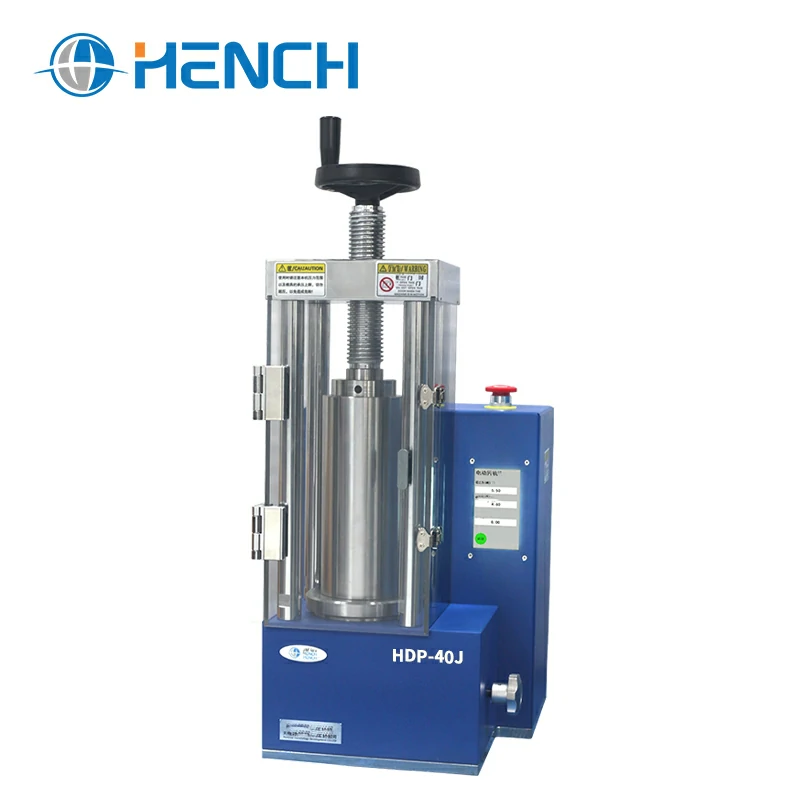
FTIR用の固体試料を調製する伝統的な方法は、少量の粉末試料を臭化カリウム(KBr)のような赤外透過性の塩と多量に混合し、それをプレス機を使って薄いペレットにすることである。 手動油圧プレス.効果的ではあるが、このペレットの品質はオペレーターと一軸プレスに大きく左右される。
静水圧プレスは、このようなペレットを作製したり、バルク物質を直接分析するための優れた代替手段を提供します。小規模のCIPユニットを使用することで、一軸プレスされたペレットを悩ませる亀裂や密度勾配のない、卓越した光学的透明度と均一性を持つKBrペレットを製造することができます。これは、微量分析または微妙なスペクトルの違いを解決する必要がある場合に特に価値があります。
さらに、材料によっては、粉体ではなく固体成分そのものを分析する場合もあります。例えば、ポリマー部品の表面化学やセラミックディスクの元素組成を調べたい場合があります。その部品が静水圧プレスで製造されたものであれば、分析する表面はバルク材料を代表するものであると確信できます。プレス加工によって付与された微細構造の均一性は、ある点での分析が別の点での分析に匹敵することを意味します。これは、鋳造や押出によって製造された部品には当てはまらないことが多く、表面スキンや組成勾配が存在する可能性があります。高度な試料前処理ツールの使用は、最新の分光計の可能性を最大限に引き出す鍵である。
ケーススタディ医薬品の錠剤分析
製薬業界の課題を考えてみよう。錠剤は単なる錠剤ではなく、医薬品有効成分(API)と結合剤、充填剤、崩壊剤などの様々な賦形剤を含む複合材料である。医薬品の有効性と安全性は、錠剤全体にAPIが均一に分布しているかどうかにかかっています。
FTIRイメージングは、錠剤表面の化学組成をマッピングするために使用される強力な技術である。しかし、錠剤の表面粗さや密度のばらつきは、化学的なイメージを損なう散乱アーチファクトを引き起こす可能性がある。これを克服するために、研究者は試料調製技術として静水圧加圧を使用することができる。
錠剤を採取し、微粉末に粉砕した後、実験室用等方圧プレスを使用して新しい超平坦なペレットに再圧縮することにより、分析のためにほぼ完全に滑らかで均一な表面を作成する。等方加圧により、原薬と賦形剤は元の錠剤の表面の凹凸のない均質なマトリックスに圧縮されます。この理想化されたサンプルをFTIRイメージング・システムで分析すると、得られるケミカル・マップはより鮮明で正確なものとなり、原薬の分布を正確に定量化することができます。これと同じ原理が、成分分布が重要なポリマー、触媒、その他の複合材料の品質管理にも適用される。これは、製造プロセス技術である静水圧プレスが、分析ラボにおいていかに不可欠なツールとなりうるかを示している。
よくある質問
熱間等方圧プレス(HIP)と単純な油圧プレスの根本的な違いは何ですか?
The core difference lies in the way pressure is applied. A hydraulic press, as described in guides on its functionality (linkedin.com, 2024), uses a piston to apply a strong, unidirectional force to stamp, forge, or form a part. It's excellent for changing a part's shape. Hot isostatic pressing, conversely, applies a uniform, or isostatic, pressure from all directions using a high-pressure inert gas. Its purpose is not to change the external shape of the part but to collapse internal voids and porosity, healing the material from within. Think of a hydraulic press as a hammer, and HIP as being submerged deep in the ocean—one pushes from one side, the other squeezes equally from all sides.
HIPプロセスは、材料内のひび割れを修復することができますか?
これは微妙だが重要な点である。熱間等方加圧は、体積欠陥である内部空隙、気孔、鋳造収縮を閉鎖し、治癒するのに極めて効果的である。しかし、一般的に既存の亀裂を治すことはできません。クラックは先端が非常に鋭利な二次元の特徴で、クラックの2つの面は酸化物で汚染されていることが多い。加圧によって亀裂の面同士は押し合うかもしれないが、原子レベルの接触がなく、汚染物質が存在するため、真の冶金溶接に必要な拡散接合はできない。このような理由から、部品は通常、HIP処理の 前に亀裂がないか検査される。
熱間等方圧プレスによって、部品の寸法が変わることはありますか?
For a properly executed HIP cycle on a cast or wrought component, the dimensional change is typically negligible and uniform. Because the process removes internal porosity, there will be a very slight, uniform densification, usually resulting in a linear dimensional shrinkage of less than 1%. This change is generally predictable and can be accounted for in the initial design of the part. The isostatic nature of the pressure ensures that there is no warping or distortion, so the part's geometry is preserved. For powder metallurgy parts, the dimensional change from loose powder to a solid part is, of course, significant and is a key part of the design of the encapsulation can.
熱間等方圧加圧は高価なプロセスですか?
熱間等方加圧のコストは、それが提供する価値と軽減するリスクとの関連で評価されるべきである。HIPサイクルには、高度な装置、高いエネルギー消費、アルゴンガスの使用により、かなりのコストがかかりますが、このコストは、加工されるコンポーネントの総価値のごく一部であることがよくあります。適格性試験中であれ、壊滅的な使用中であれ、部品が故障した場合のコストを考慮すると、100%に近い密度と最適な機械的特性を確保するためのHIPへの投資は、故障に対する非常に費用対効果の高い保険と見なされることが多い。高密度化と熱処理を組み合わせることで、急速冷却を伴う高度なHIPは、別々の工程を省くことができ、全体的なコストを削減することさえできます。
熱間等方圧プレスに適さない素材は?
The HIP process is not suitable for all materials. A primary requirement is that the material must not have any internal voids that are connected to the surface, as the gas would simply fill the void and prevent it from closing. Such parts would need to be encapsulated first. Additionally, materials that have a very low melting point or that undergo undesirable phase changes at the required processing temperatures may not be suitable. Finally, materials that lack the necessary ductility or creep mechanisms at high temperatures may not densify effectively. While the process is incredibly versatile for most metals, alloys, and many ceramics, a consultation with a HIP provider's metallurgist is the best way to determine its suitability for a specific or unconventional material.
熱間静水圧プレスは、具体的にどのように3Dプリント金属部品を改善するのか?
アディティブ・マニュファクチャリング(AM)、つまり3Dプリンティングでは、層ごとにパーツを造形する。このプロセスでは、層間の不完全な融合や閉じ込められた気泡が原因で、微細な空洞が残ることがある。これらのボイドは応力上昇因子として機能し、プリント部品の疲労寿命と延性を著しく低下させ、異方性(一方向に弱い)にする可能性がある。熱間静水圧プレスは、3Dプリントされた重要な金属部品にとって、ほぼ必須の後処理工程です。HIPプロセスは、このような内部空隙を癒し、従来の鍛造材料と同等かそれ以上の機械的特性を持つ、完全に高密度で等方性の部品を作成します。これにより、有望ではあるが潜在的に欠陥のある3Dプリント部品が、信頼性の高い高性能エンジニアリング部品に生まれ変わります。
セレクションの旅の集大成
The path toward selecting the right hot isostatic pressing services is a journey of inquiry, diligence, and foresight. It begins not with a search for a vendor, but with a deep reflection on one's own needs—the specific material, the demands of the application, and the quantifiable metrics of success. It progresses through an education in the process itself, understanding the delicate interplay of temperature, pressure, and time that coaxes a material toward a state of near perfection. Armed with this knowledge, the evaluation can begin in earnest, scrutinizing the physical machinery, the precision of the controls, and the advanced capabilities like rapid quenching that separate the standard from the state-of-the-art.
This technical audit must be paired with an equally rigorous examination of the provider's commitment to quality, evidenced not by promises, but by the hard-won certifications of ISO, AS9100, and Nadcap that serve as objective testaments to a culture of precision. The lens then widens to encompass the entire ecosystem of services, from the meticulous preparations before the cycle to the critical analyses and finishing steps that follow. Finally, the focus sharpens on the human element—the accessible expertise, the collaborative spirit, and the proven history of success that mark the transition from a mere supplier to a genuine strategic partner. Making the right choice is an investment in certainty, a decisive step to ensure that the critical components upon which your technology and reputation depend are as strong, sound, and reliable as they can possibly be.
参考文献
アルティゾーノ(2024).油圧プレスの仕組み詳細ガイド。Artizono.から取得
Atkinson, H. V., & Davies, S. (2000).熱間等方加圧の基本的側面:An overview.Metallurgical and Materials Transactions A, 31(12), 2981-3000. https://doi.org/10.1007/s11661-000-0078-2
Boyer, R. R. (2018).チタン合金の熱間静水圧プレスの使用-概要。Key Engineering Materials, 770, 3-8. https://doi.org/10.4028/www.scientific.net/KEM.770.3
Dahmen, T., Lindwall, G., Sjöström, C., & Hryha, E. (2022). Influence of hot isostatic pressing parameters on the microstructure and mechanical properties of additively manufactured 2304 duplex stainless steel. Materials Science and Engineering: A, 855, 143896.
Frazier, W. E. (2014).金属積層造形:A review.Journal of Materials Engineering and Performance, 23(6), 1917-1928.
Guo, W. (2025).正しい油圧プレスを選ぶには?HARSLE.から取得 https://harsle.com/pl/docs/how-to-choose-the-right-hydraulic-press
KINTEK Solution For Research.(2024).油圧プレスの総合ガイド:種類、用途、動作原理。LinkedIn.から取得 https://www.linkedin.com/pulse/comprehensive-guide-hydraulic-presses-types-applications-nuecc
Le-pagnot, J., Malot, T., & Lours, P. (2019). Hot isostatic pressing of maraging steel 300 parts produced by laser powder bed fusion: Effect on microstructure and mechanical properties. Journal of Materials Processing Technology, 264, 360–371.
Uhlenwinkel, V., & von Hehl, A. (2017). Hot isostatic pressing of castings. International Journal of Materials Research, 108(10), 830–836. https://doi.org/10.3139/146.111550
Zhang, C., Zhang, Y., Zhang, S., Li, Y., & Liu, L. (2021). Hot isostatic pressing of IN718 superalloy fabricated by selective laser melting: Microstructure evolution and mechanical properties improvement. Journal of Alloys and Compounds, 864, 158872.