



cases
-
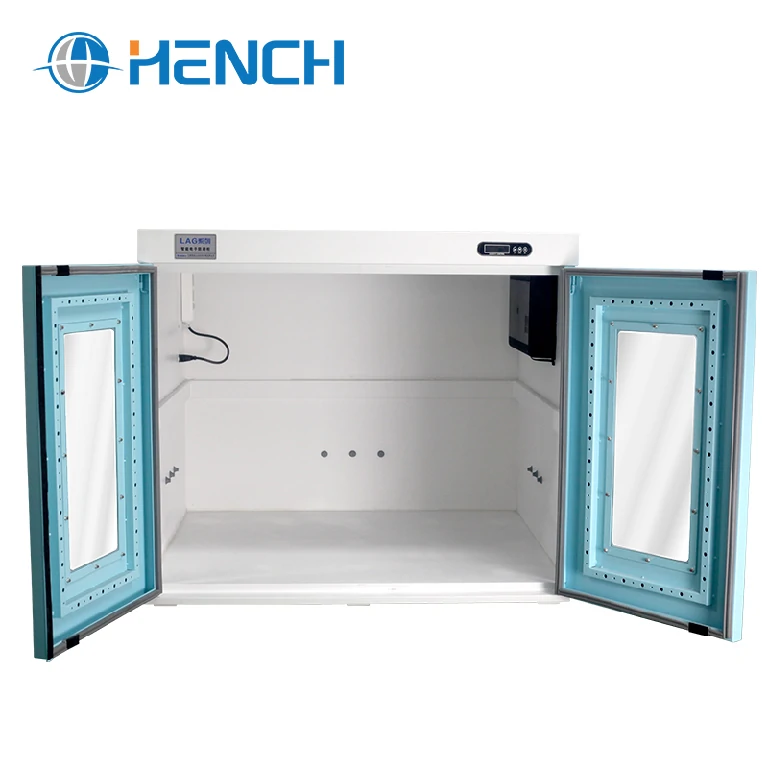
Singapore Laboratory Uses HENCH Anti-Moisture Cabinet for Thermo Scientific Nicolet iN10
Read moreA laboratory in Singapore has recently put a customized HENCH electronic anti-moisture cabinet into daily operation alongside a Thermo Scientific Nicolet iN10 FTIR microscope. The cabinet was designed around the laboratory’s available space, instrument accessories, and storage requirements. The project provides a practical example of how controlled low-humidity storage can support precision infrared analysis. HENCH […]
-
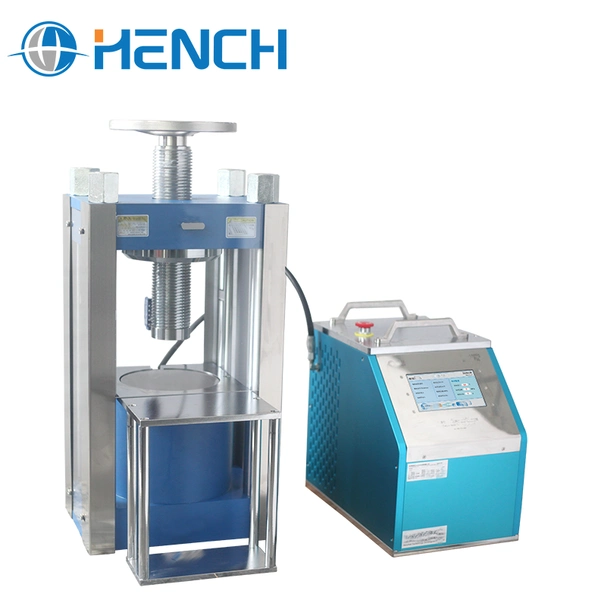
Another Overseas Milestone: 100-Ton Split-Type Automatic Pellet Press Installed at a New-Material Enterprise in Malaysia
Read moreRecently, a new-material enterprise in Malaysia completed the acceptance and commissioning of the HENCH 100-ton split-type automatic pellet press. As a high-end laboratory pressing instrument for material sample preparation, the equipment has been officially put into operation in an overseas laboratory. This marks the further expansion of HC laboratory sample-preparation instruments into the Southeast Asian […]
-
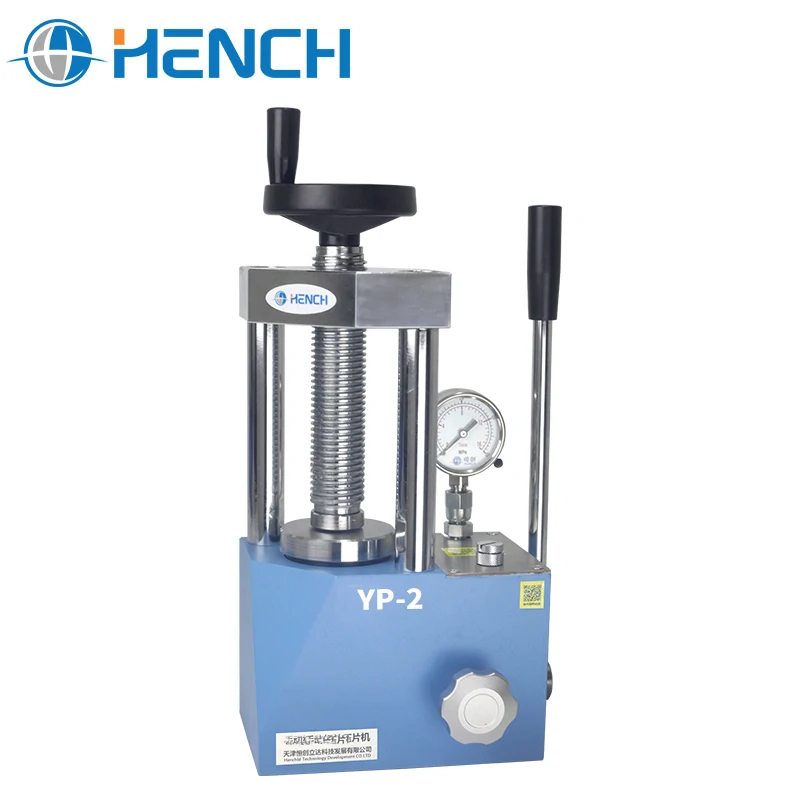
Korean Customer Praises HC Manual Hydraulic Press for Excellent Pressing Performance
Read moreSuccessful Application of HC Manual Hydraulic Press in Korea With years of experience in the pressing equipment industry, HC has been committed to providing reliable and practical pressing solutions for laboratories, research institutions, and industrial users worldwide. Recently, a Korean customer shared positive feedback after using an HC manual hydraulic press in their daily operations. […]
-
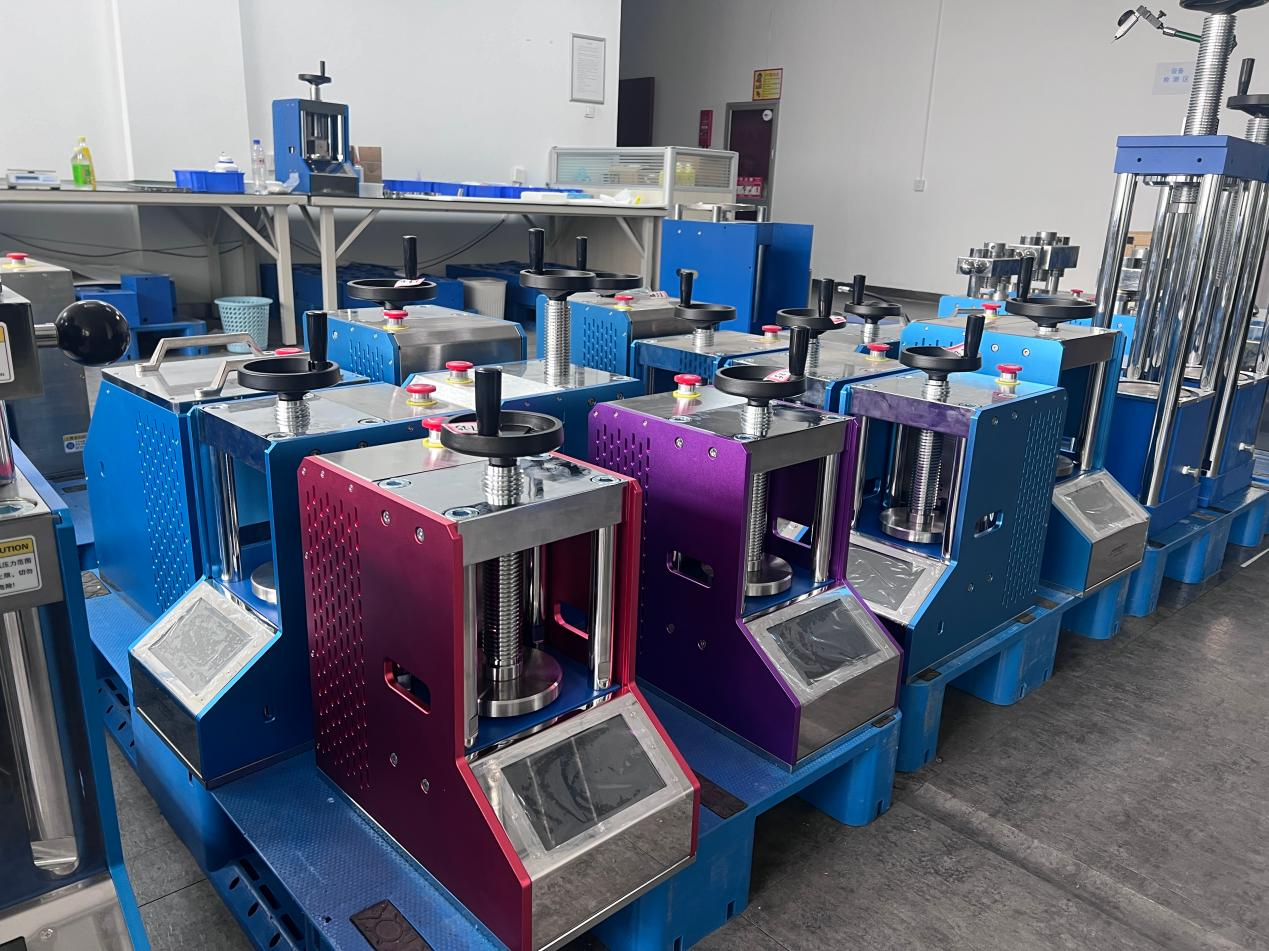
Lab Efficiency Accelerated: Custom 60-Ton Automatic Hydraulic Press Successfully Commissioned at Leading Vietnamese High-Tech Enterprise
Read moreIntroduction In the fields of materials science, advanced metallurgy, and catalyst research, creating highly consolidated, crack-free, and uniform pellets from raw powders requires tremendous, controlled physical force. Recently, Hench completed the manufacturing, delivery, and commissioning of a custom-engineered 60-Ton automatic hydraulic press for a prominent high-tech enterprise in Vietnam. This heavy-duty system, tailored to the […]