FTIRが臨床検査に不可欠なのはなぜですか?
7月 10, 2026
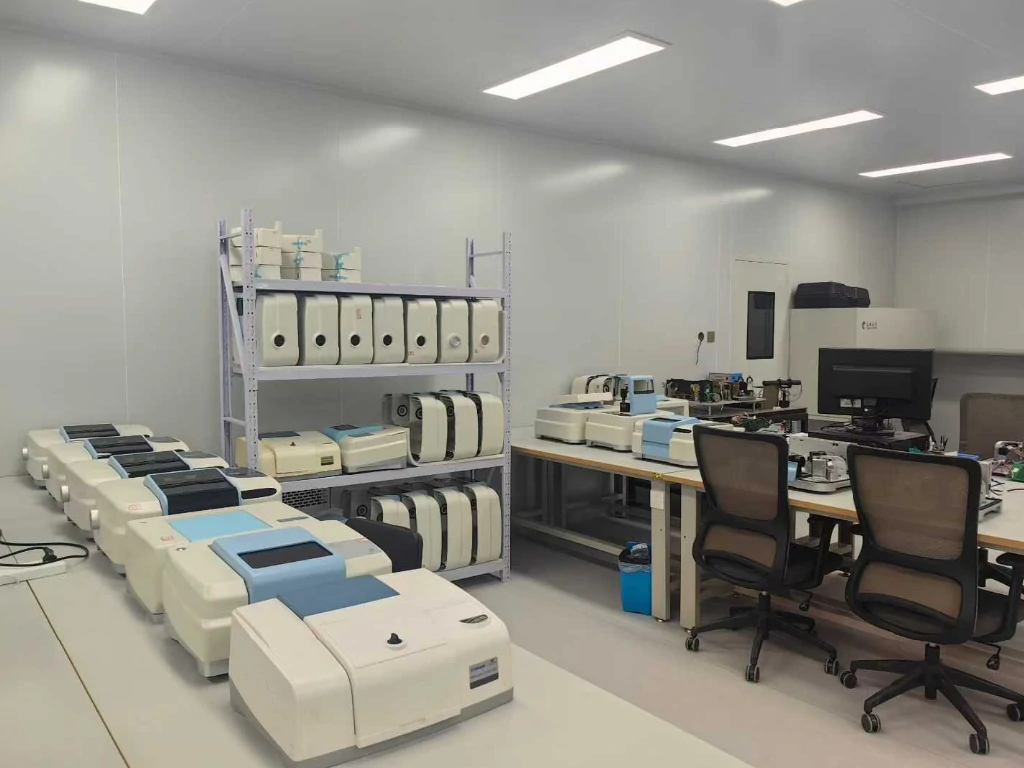
In various analytical settings—such as university research, chemical quality inspection, material development, and pharmaceutical testing—there is a continuous stream of iterative updates for instruments and equipment. Yet, one device consistently holds a central position and has become standard equipment across almost all facilities: the Fourier Transform Infrared Spectrometer.
With the emergence of numerous high-precision detection instruments, many wonder why the infrared spectrometer has never been replaced and remains an essential “must-have” tool. The answer lies in its core advantages: precision, efficiency, versatility, and non-destructiveness. For laboratories looking to equip their facilities with these essential systems, choosing a reliable Fourier Transform Infrared Spectrometer is the first step toward robust analytical capabilities.
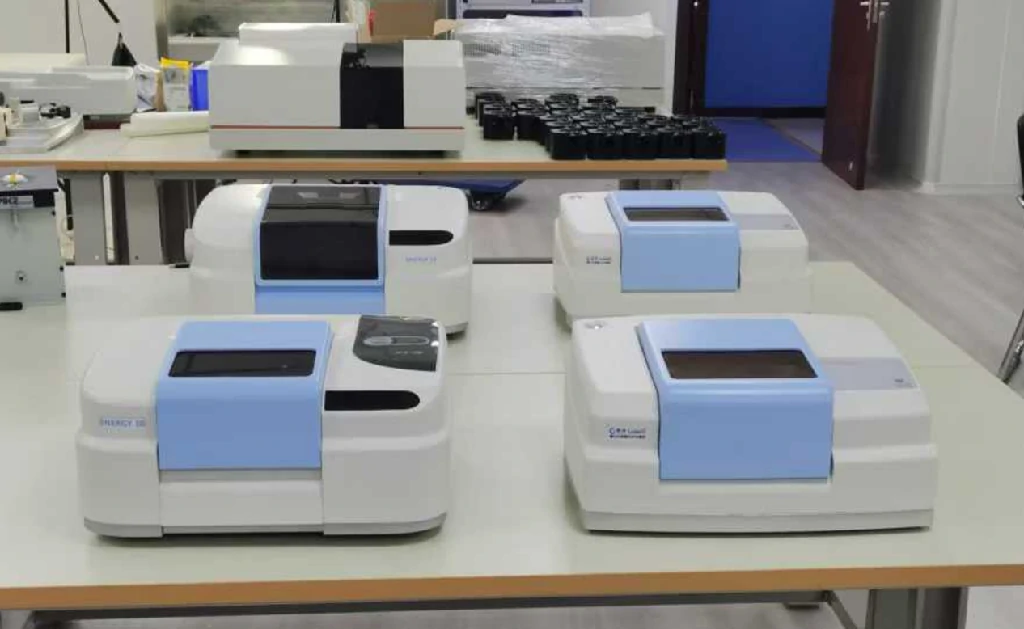
1. Extreme Versatility: “One Machine for Multiple Uses”
Strong versatility is a primary reason for the widespread application of infrared spectrometers. Unlike specialized detection instruments that can only analyze a single material or indicator, an FTIR spectrometer is compatible with almost all organic compounds, most inorganic materials, and polymer composite materials.
It easily handles a vast array of samples, including:
- High-molecular materials: Plastics, rubber, and resins.
- Chemical and pharmaceutical items: Raw materials and active ingredients.
- Consumables and food products: Food additives, coatings, inks, and textile materials.
- Environmental samples: Soil pollutants and chemical waste.
By relying on characteristic spectra formed by molecular vibrations and rotations, it precisely matches the structure of substances. This allows laboratories to achieve qualitative identification, component analysis, and purity screening of samples on a single platform, meeting the vast majority of basic detection and research needs.
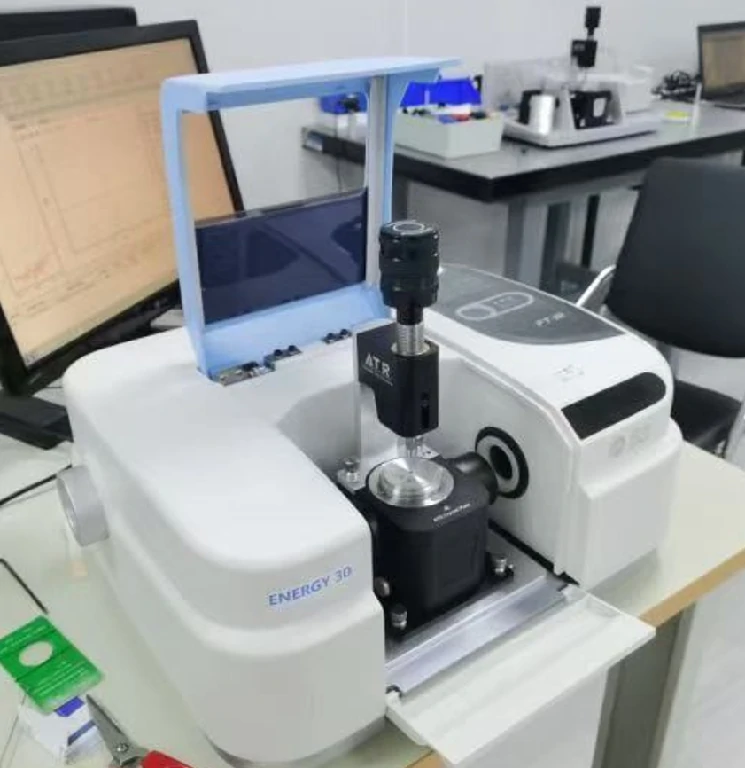
2. Non-Destructive and Rapid Detection
Traditional chemical detection methods often consume expensive reagents and require intensive sample pre-treatment. This creates a cumbersome, time-consuming workflow that may alter or damage the sample structure, preventing retesting.
Infrared spectrometers solve this problem by supporting the ATR (Attenuated Total Reflection) non-destructive detection mode:
- No Complex Preparation: Eliminates the need for tedious sample preparation or chemical reagents.
- Direct Testing: Both solid and liquid samples can be directly tested on the instrument.
- Instant Results: Generates a complete spectral graph in just a few seconds.
This non-destructive approach is particularly vital for precious samples, finished products, and non-reproducible experimental materials. It preserves sample integrity while significantly shortening the detection cycle, making it ideal for high-throughput batch screening and rapid quality inspection.
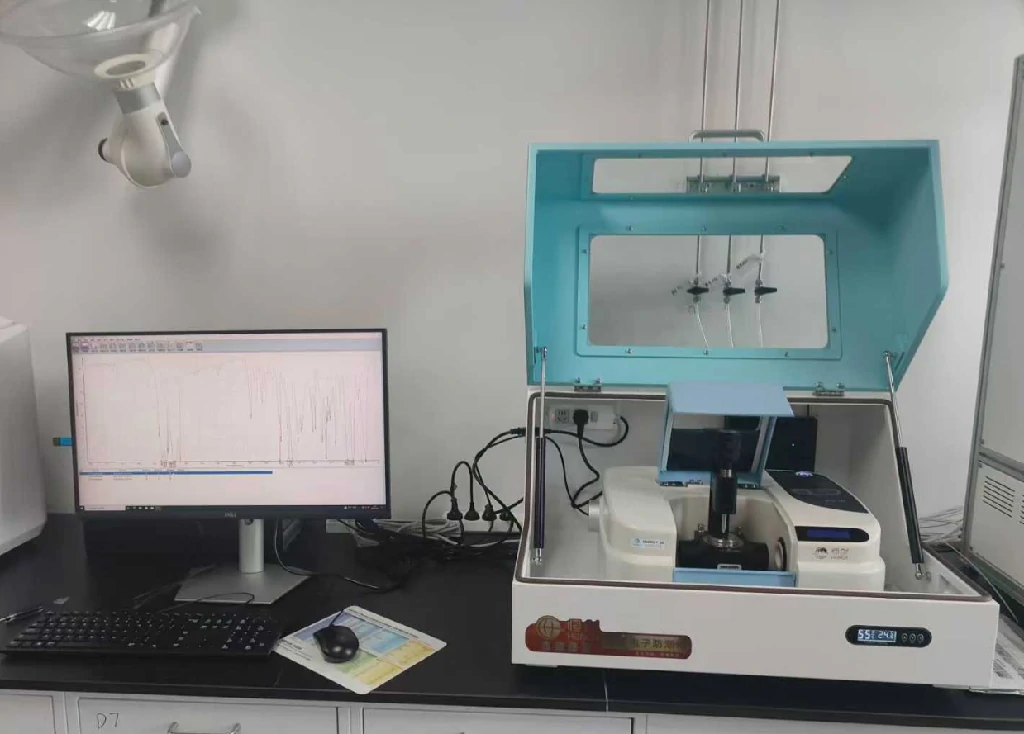
3. High Precision and Exceptional Stability
Each substance possesses a unique molecular structure, making its corresponding infrared characteristic peaks act like a “molecular ID card”—impossible to forge and difficult to replicate.
By precisely capturing the position, intensity, and waveform of these characteristic peaks, an FTIR spectrometer can accurately:
- Determine the exact chemical composition of unknown substances.
- Distinguish the authenticity of raw chemical and pharmaceutical materials.
- Detect material aging, degradation, and molecular deterioration.
- Identify impurity defects within a batch.
In strict testing environments—such as pharmaceutical verification, raw chemical purity testing, polymer modification research, and environmental pollutant analysis—FTIR delivers stable, accurate data that fully complies with national regulatory standards. It serves as the ultimate guarantee for the authenticity and reliability of experimental data.
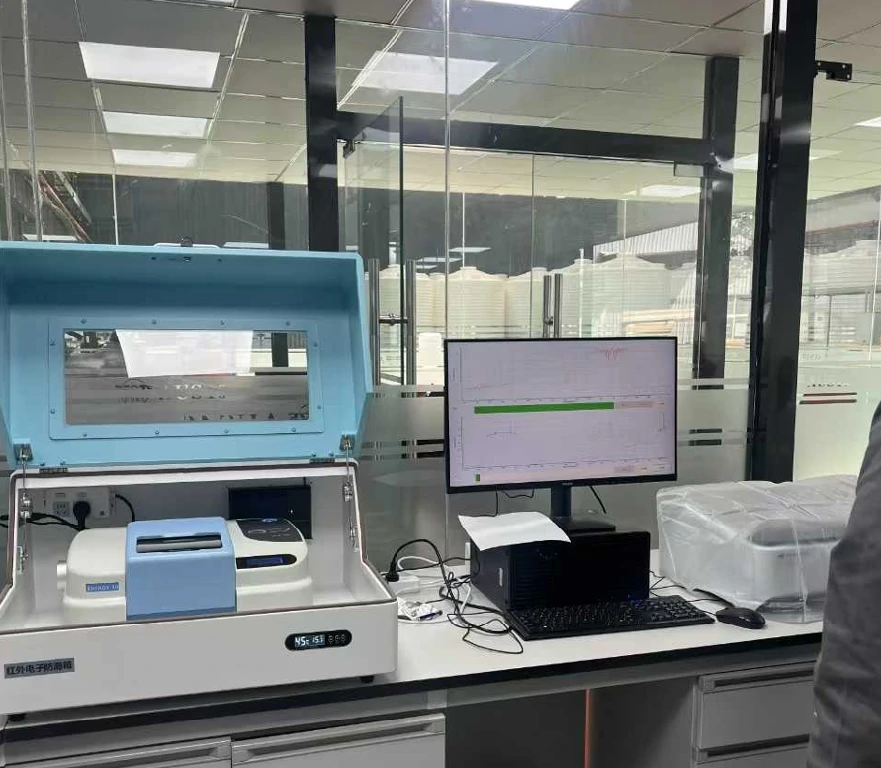
4. Unmatched Cost-Effectiveness and Practicality
Compared to high-end, highly complex equipment like mass spectrometers (MS) or nuclear magnetic resonance (NMR) analyzers, infrared spectroscopy instruments offer a much lower barrier to entry regarding both purchase price and long-term operation and maintenance costs.
- Easy to Master: The operation is simple and intuitive. Beginners can typically operate the system independently after a brief training session, removing the need for an expensive, dedicated specialist team.
- ローメンテナンス: The equipment features a remarkably low failure rate and a long service life.
- Adaptable: It is equally suited for classroom teaching, routine industrial quality control, or in-depth scientific research.
結論
With its broad-spectrum adaptability, non-destructive efficiency, high precision, and exceptional cost-effectiveness, the infrared spectrometer covers the full spectrum of laboratory needs. From basic educational training to high-end material engineering, it remains an indispensable core detection asset and an irreplaceable foundational instrument in the field of material analysis.