FTIR分析におけるバックグラウンド干渉:発生源と効果的な除去方法
1月 12, 2026
で FTIRアクセサリバックグラウンド干渉は、ベースラインの平坦性、ピーク形状の精度、定性および定量分析の信頼性に直接影響します。制御されていない干渉は、特に微量または高精度の測定において、弱い吸収バンドを不明瞭にし、スペクトルの特徴を歪め、再現性を損なう可能性があります。
日常的な検査室の操作とトラブルシューティングを支援するために、バックグラウンド干渉の最も一般的な発生源とそれに対応する軽減策を以下に要約する。
表1.一般的なFTIRバックグラウンド干渉と実用的な対策
| 妨害カテゴリー | 典型的なスペクトルの特徴 | 主な原因 | 推奨される措置 |
|---|---|---|---|
| 大気中のH₂O | 3400 cm-¹付近にブロードバンド;1640 cm-¹にピーク | 高い周囲湿度 | バックグラウンドスキャン同期、ドライガスパージ、湿度コントロール |
| 大気中のCO | 2360、2340、667cmにピーク¹。 | CO₂濃度変動 | 同一条件下でのバックグラウンド・サブトラクション |
| 不純物または湿ったKBr | 水と炭酸塩の吸収 | 未乾燥または低純度のKBr | 使用≥99.9% KBr; 乾燥および乾燥保存 |
| 窓の汚れ | 残留ピークまたはランダムピーク | 窓に付着したサンプル | 徹底した洗浄と適切な保管 |
| サンプル不純物 | 追加吸収バンド | 水分、溶剤、添加物 | 試料の精製と乾燥 |
| 粒子散乱 | ベースライン上昇、ピーク幅拡大 | 過大粒子 | 微粉砕またはマル法 |
| 楽器の不安定性 | ベースライン・ドリフト、ノイズ | 老朽化したソースまたは検出器の問題 | メンテナンス、キャリブレーション、パラメータ最適化 |
この表は クイック診断リファレンス 異常なベースラインや予期せぬ吸収特性に遭遇したFTIRユーザーのために。
1.大気成分の干渉(最も一般的なもの)
干渉の原因
大気中の水蒸気(H₂O)と二酸化炭素(CO₂)は、強く特徴的な赤外吸収帯を示す:
- H₂O:3400 cm-¹付近にブロードな吸収、1640 cm-¹付近に屈曲振動。
- CO₂:2360cm-¹、2340cm-¹、667cm-¹に強い吸収バンドを持つ。
これらの吸収の特徴は、試料のピークと重なることが多く、低濃度の試料や湿度に敏感な試料の分析に大きな影響を与える。
ソリューション
バックグラウンドとサンプルの同期スキャン
各サンプル測定の前に、空の光路またはブランク基板を使用して、同一の環境条件下でバックグラウンドスキャンを収集する必要がある。その後、FTIRソフトウェアは、サンプルスペクトルから大気中のH₂OとCO₂の寄与を差し引く。
赤外線光路の精製
- 乾燥した高純度窒素または乾燥空気で光路を連続的にパージする。
- 無水塩化カルシウムやモレキュラーシーブなどの乾燥剤を設置し、定期的に交換する。
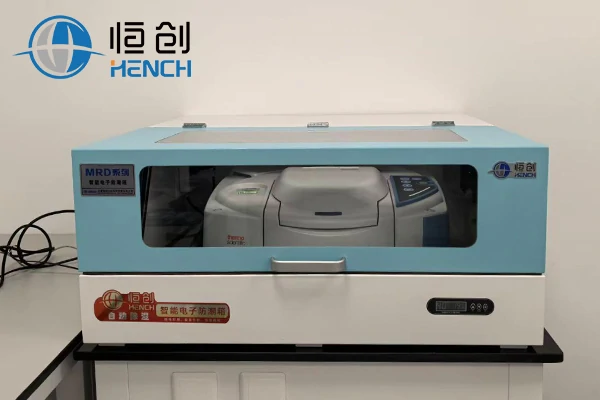
研究室の環境制御
- 実験室の相対湿度を50%以下に保つ
- サンプルや光学部品の湿気への暴露を防ぐ
- 短期的なCO₂ 濃度変動を減らすため、装置の近くでの人の動きを最小限にする。
2.検体キャリアまたは希釈剤の干渉
干渉の原因
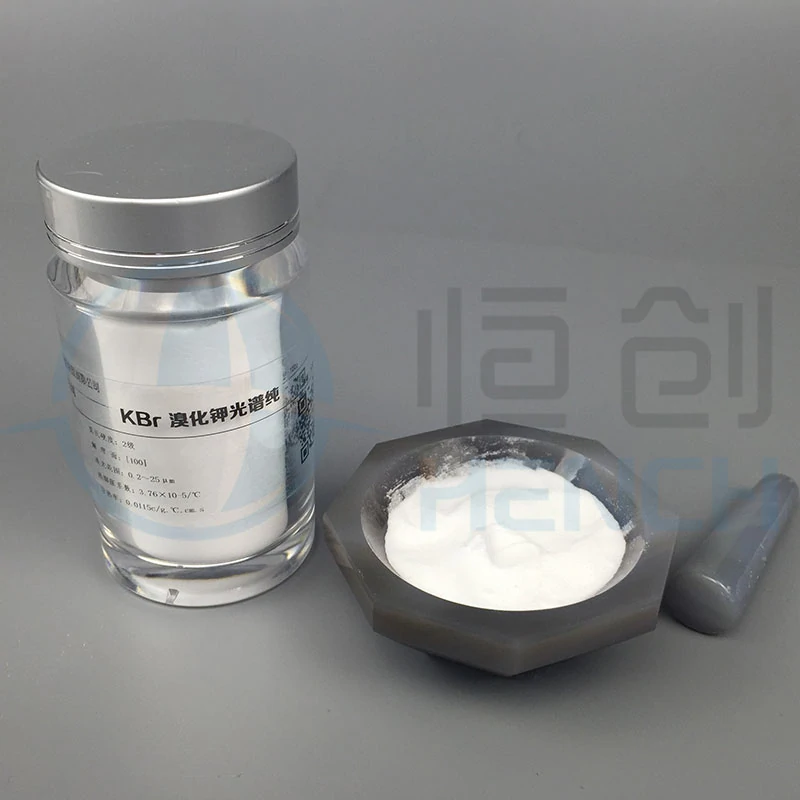
KBrペレット法で分析する固体試料では、KBrの純度が不十分であったり、水分に汚染されていたりすると、特に水分や炭酸塩の不純物による不要な吸収バンドが発生する。
液体サンプルの場合、洗浄が不十分なKBrまたはNaClウィンドウプレートには、以前のサンプルの残留物が残っていることがあり、その結果、スペクトルが汚染されることがあります。
ソリューション
高純度キャリア材料の選択
- 純度99.9%以上の分光学グレードのKBrを使用する。
- ペレット調製前にKBr粉末を110℃で少なくとも24時間乾燥させる。
- 液体セルの場合、サンプルの極性と溶媒の適合性に基づいてKBr、NaCl、ZnSeなどの窓材を選択します。
キャリアの前処理
- 散乱の影響を減らすため、乾燥KBrを2μm以下の粒度に粉砕する。
- ウィンドウプレートを無水エタノールまたはアセトンで洗浄し、十分に乾燥させた後、デシケーターで保管する。
ブランク減算法
純粋なKBrペレットまたは清浄なブランク窓板を使用してバックグラウンドスペクトルを収集し、キャリア物質の固有吸収を差し引く。
3.試料自体に起因する干渉
干渉の原因
サンプル不純物
サンプルに含まれる水分、残留溶媒、可塑剤、添加剤は、官能基同定の妨げとなる追加の吸収ピークを生成する可能性がある。
光散乱効果
固体試料粒子が赤外波長より大きい場合、散乱が発生し、特に高波数領域でベースラインの上昇とピークのブロードニングを引き起こす。
ソリューション
サンプルの前処理と精製
- 固体サンプル:再結晶、抽出、蒸留による不純物の除去
- 液体サンプル:真空蒸発法で溶媒を除去するか、無水硫酸ナトリウムで乾燥する。
- 水を含む試料では、水の吸収帯以外の領域を分析する際に、示差分光法を適用することができる。
サンプル粒子径の縮小
- 固体試料を2μm以下の粒度に粉砕する
- あるいは、パラフィンオイルを使ったマル・メソッドで散乱を最小限に抑える。
4.機器システムの干渉
干渉の原因
- 赤外線光源の老朽化や電源の変動によるベースラインドリフト
- 特にMCT検出器の場合、温度不安定性や汚染による検出器ノイズ
- 光伝送に影響を与えるミラーやビームスプリッターのほこりや残留物
ソリューション
機器の定期メンテナンスと校正
- 老朽化した光源を定期的に点検し、交換する
- 安定した電源供給の確保
- MCT検出器は液体窒素冷却が必要です。
- リントフリーワイプと絶対エタノールを使用して光学部品をクリーニングする。
測定パラメータの最適化
- S/N比を改善するためにスキャン回数を増やす(例えば64回や128回)。
- ルーチン測定では、ノイズとピークの明瞭度のバランスをとるため、4cm¹の分解能を使用する。
FTIRバックグラウンドノイズのよくある症状
トラブルシューティングの前に、症状を正確に把握することが重要です。
Typical signs include:
- 不安定なベースライン、またはドリフト
- Excessive spectral noise
- S/N比の低下
- 水蒸気の吸収ピーク
- 二酸化炭素の干渉ピーク
- 試料信号の低下やひずみ
これらの症状を理解することで、問題の原因を絞り込めます。
まず環境条件を確認する
環境要因は、FTIR分光装置のバックグラウンドノイズが高くなる最も一般的な原因の一つです。
温度と湿度を管理する
実験室の温度は15~25℃に保ち、変動を最小限に抑える必要があります。相対湿度は理想的には50%未満に保ってください。
過剰な湿度は強い水蒸気吸収帯、とくに4000~3400 cm⁻¹および2000~1300 cm⁻¹の領域に現れ、スペクトルノイズを大幅に増加させます。
デシカント(乾燥剤)システムを点検する
装置の乾燥剤の状態を定期的に確認してください。飽和したモレキュラーシーブは吸湿能力を失い、水蒸気が光学室に入り込む原因になります。
乾燥剤を計画どおりに交換することで、内部環境が安定し、ベースラインの変動を抑えられます。
振動と気流を最小限にする
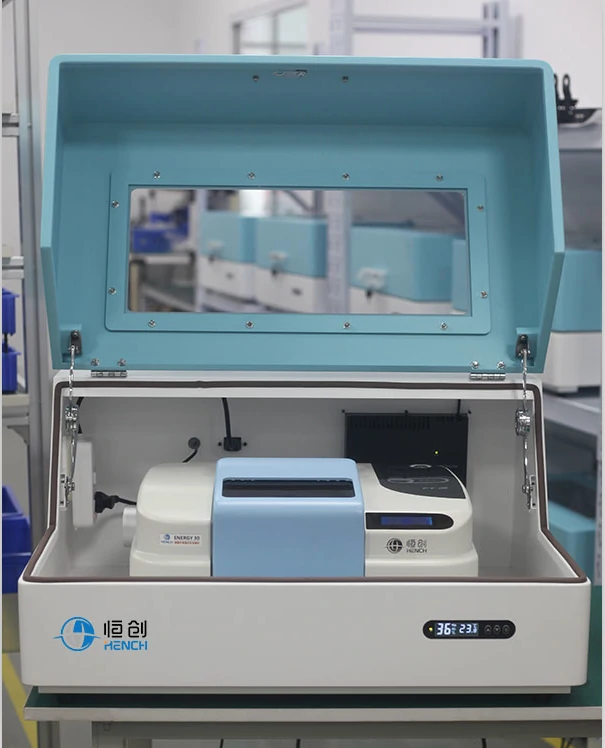
FTIR装置は安定した作業台または除振台の上に設置してください。ポンプ、コンプレッサー、遠心機、大型機械など、機械的振動を発生する機器の近くには設置しないでください。
空調の吹き出しからの気流も光学系の安定性に影響するため、できるだけ抑える必要があります。
光学系を点検・清掃する
光学部品の汚染は、FTIRのノイズとベースラインの不安定さの主要な原因です。
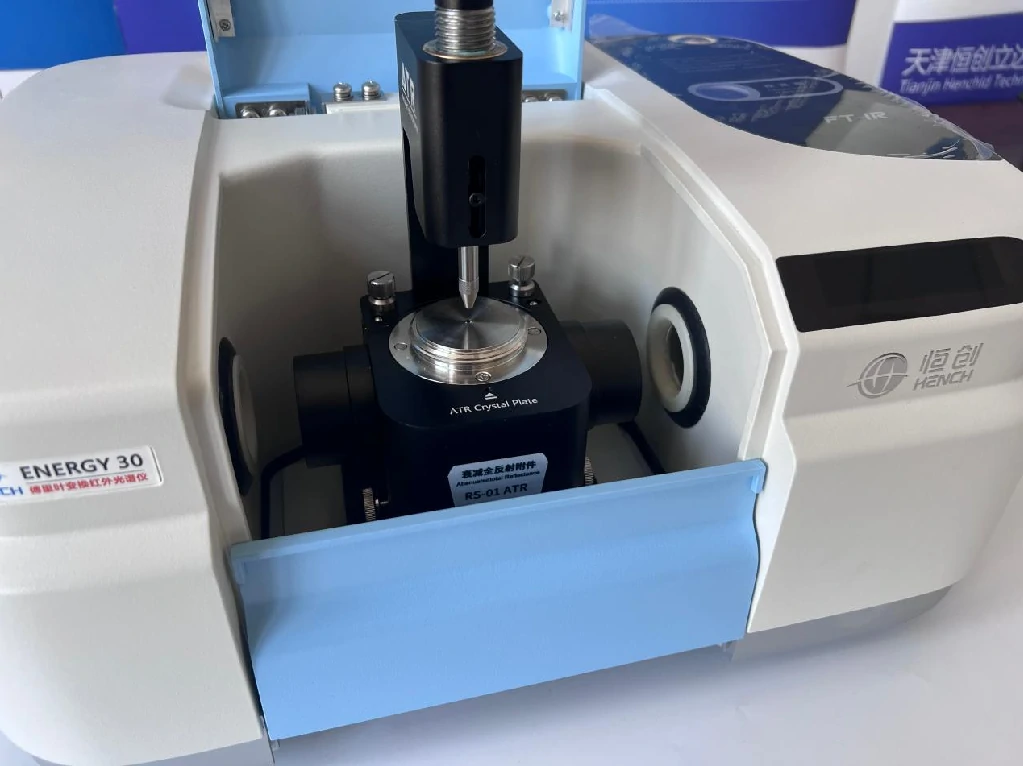
試料窓とATR結晶を清掃する
前回の試料の残留物、指紋、ほこりは赤外透過率を低下させ、不要なスペクトルアーティファクトを生じさせます。
Use appropriate cleaning solvents and lint-free wipes according to the manufacturer’s recommendations.
ミラーとビームスプリッターを確認する
ミラーやビームスプリッターへのほこりの堆積やコーティングの損傷は、光学的スループットを低下させ、ノイズを発生させます。
汚れが見える場合は、光学部品を慎重に清掃してください。損傷したビームスプリッターは専門家による交換が必要になることがあります。
干渉計のアライメントを確認する
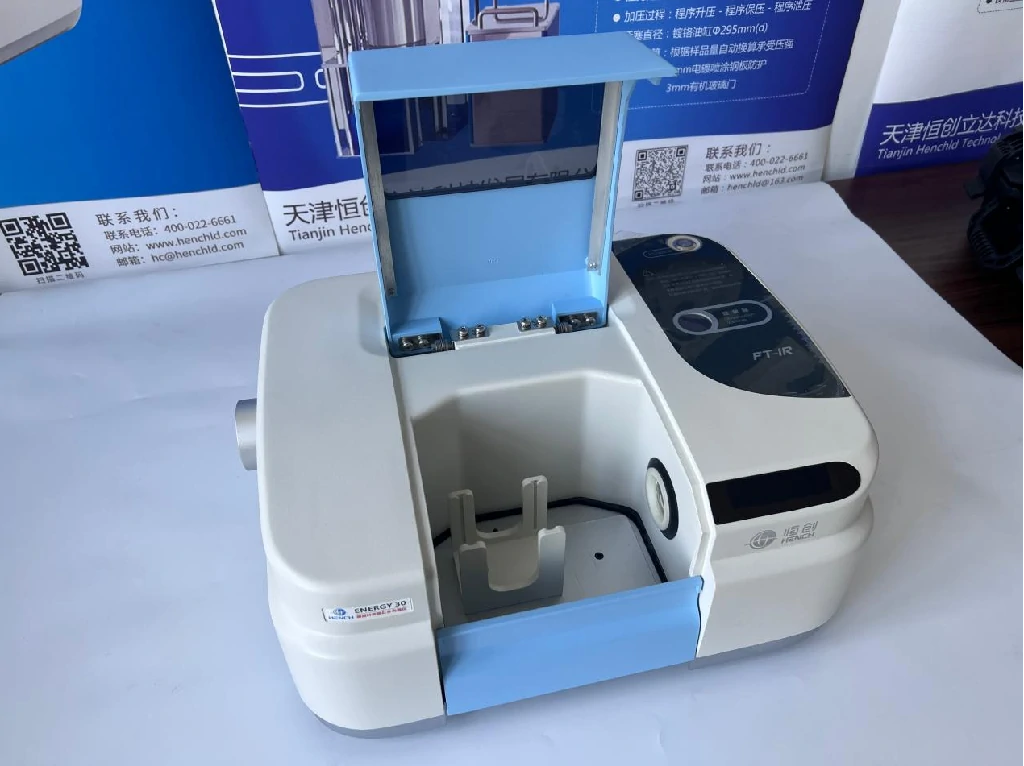
The Michelson interferometer is the core of an FTIR分光装置. Misalignment can significantly reduce signal quality.
定期的な装置校正は、適切な光学アライメントと安定したインターフェログラムの生成を保証するのに役立ちます。
光源と検出器を評価する
検出器と赤外光源は、信号強度と測定感度を直接左右します。
光源の経年劣化を確認する
赤外光源は時間とともに徐々に強度が低下します。劣化した光源はエネルギー出力が低下し、信号が弱まりノイズが増加します。
光源が推奨寿命を超えている場合は、交換が必要になることがあります。
検出器の性能を点検する
検出器の種類によって、必要な保守手順は異なります。
For DTGS detectors:
- 電子回路の安定性を確認する
- アンプの性能を確認する
For MCT detectors:
- 液体窒素の量が適切であることを確認する
- 適切な動作温度を維持する
温度の不安定さは、検出器のノイズを大幅に増加させます。
Examine Detector Windows
検出器の窓が汚れていたり曇っていたりすると信号の透過が低下し、ベースラインが不安定になる原因になります。
試料調製とスキャンパラメータを最適化する
不適切な試料調製は、ノイズとして現れるスペクトルアーティファクトを生じさせることがよくあります。
Improve Sample Quality
For solid samples:
- 粒子を均一に粉砕する
- 適切なKBrペレット比率を用いる
- ペレットを厚くしすぎない
For liquid samples:
- 水分による汚染を取り除く
- Use clean sample cells
- 適切な溶媒を選ぶ
スキャン回数を増やす
スキャンの積算回数を32回から64回または128回に増やすと、S/N比を大幅に改善できます。
適切な分解能を選ぶ
過度に高いスペクトル分解能は、分析上の実益がないままバックグラウンドノイズを増幅することがあります。
スペクトルの詳細さと信号品質のバランスが取れた分解能を選んでください。
ソフトウェア補正と定期校正を活用する
最新のFTIRソフトウェアには、ノイズ低減とスペクトル補正のためのツールが多数用意されています。
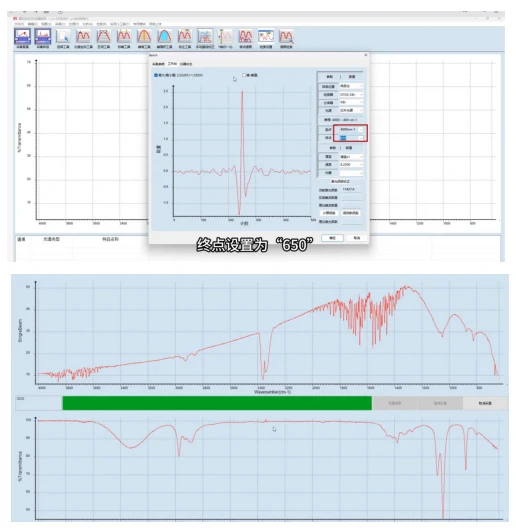
大気補正を適用する
大気補正機能は、水蒸気や二酸化炭素による干渉を自動的に低減できます。
定期校正を実施する
月次校正には次の項目を含めます。
- 波数精度の確認
- Energy calibration
- ベースライン性能のチェック
- 標準参照試料の測定
定期的な校正は、装置の長期的な安定性と信頼性の高い分析結果を保証します。
安定した電源を維持する
電圧変動は検出器の電子回路や赤外光源の性能に影響します。
無停電電源装置(UPS)を使用すると、装置の安定した動作を維持し、予期しないノイズ問題を減らせます。
予防保守でFTIRのノイズを低減
FTIRのノイズ問題の多くは、定期的な予防保守で回避できます。
推奨される実施項目は次のとおりです。
- 乾燥剤の定期交換
- 光学部品の清掃
- Detector inspection
- 光源性能の監視
- Software updates
- 装置校正の計画実施
積極的な保守プログラムは、バックグラウンドノイズを低減するだけでなく、装置の寿命を延ばし、データの信頼性を高めます。
実践的な収穫
アプリケーションの観点からは、FTIRバックグラウンド干渉の効果的な制御は、構造化されたワークフローに依存している:
環境制御 → サンプルとキャリアの準備 → バックグラウンドの同期化 → 装置の最適化
これらの対策を体系的に適用することで、FTIRユーザーは安定したベースライン、明確に定義された吸収ピーク、ルーチン分析や高度な研究に適した再現性の高いスペクトルを得ることができる。
当社の製品をご覧ください: