.png)
.png)


ニュース
-
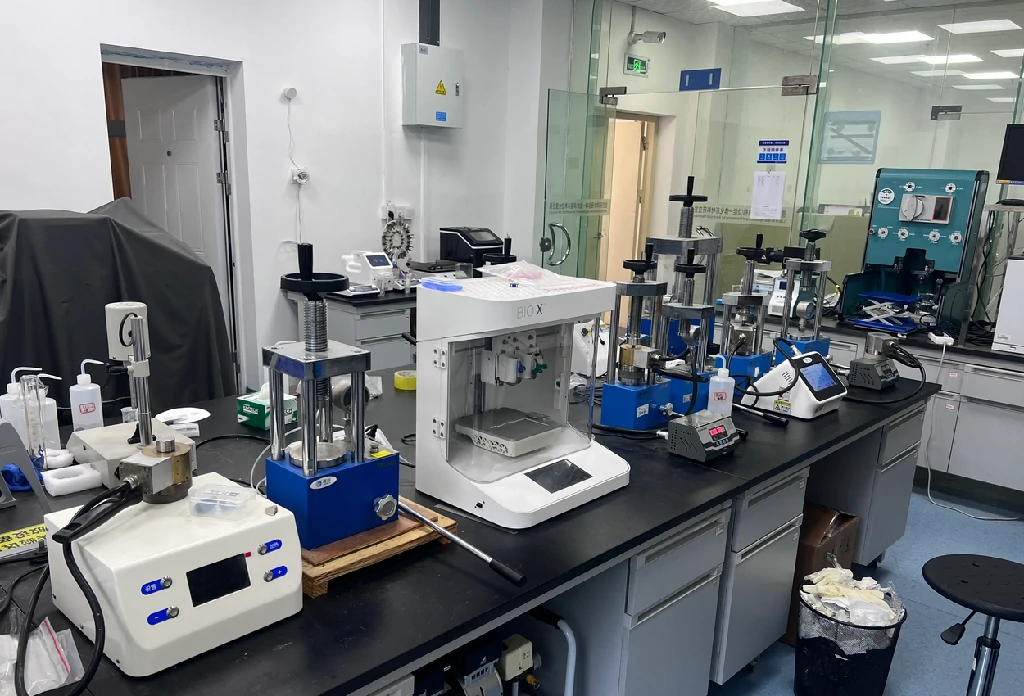
The Application of Laboratory Hot Presses in Inorganic Materials
読む もっと読むThe laboratory heating compaction machine is the core equipment for research and sample preparation of inorganic materials. It solves issues such as difficulty in forming inorganic powders, uneven microstructures, and poor performance controllability through coordinated regulation of temperature and pressure. Its applications span nearly all sub-sectors of inorganic materials, including ceramics, new energy functional materials, minerals and silicates, glass, and nano-inorganic materials. The figure below shows typical hot-pressed products from Hengchuang Company: The following sections outline systematic application scenarios, technical highlights, and representative cases. 1. Ceramic Materials: From Raw Material Molding to High-Density Sintering Ceramics are the core category of inorganic materials. Laboratory hot presses are applied throughout pre-sintering, hot […]
-
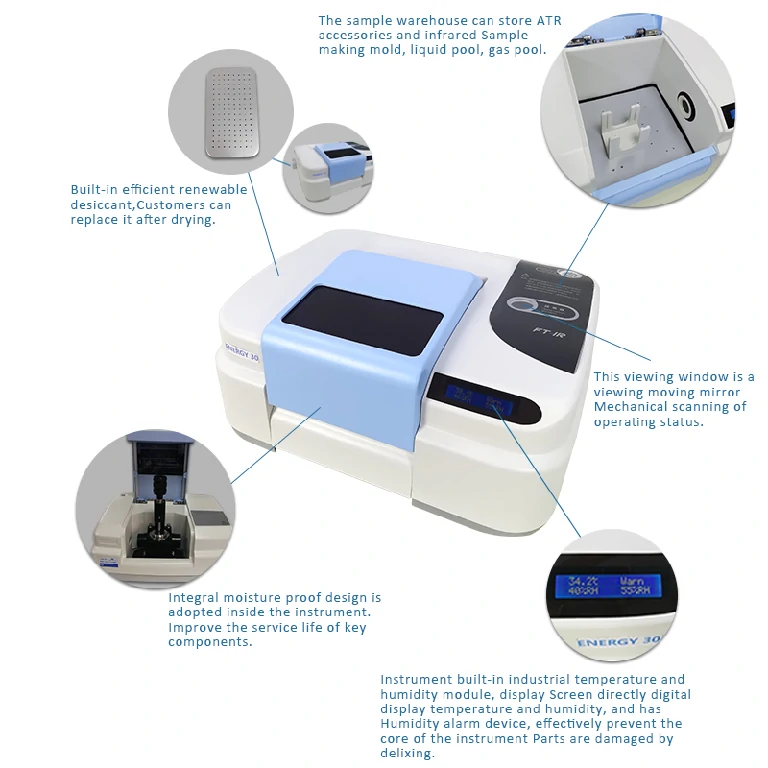
How FTIR Is Used in the Pharmaceutical Industry for API and Excipient Analysis
読む もっと読むFourier Transform Infrared Spectroscopy (FTIR) has become a cornerstone analytical technique in the pharmaceutical industry for the identification, verification, and quality control of active pharmaceutical ingredients (APIs) and excipients. Instruments such as the Hengchuang ENERGY-30 FTIR are widely adopted because they combine rapid analysis, non-destructive testing, high sensitivity, and strong molecular specificity. In pharmaceutical manufacturing, a critical question must be answered repeatedly: can every incoming raw material and every finished product be verified quickly, reliably, and in compliance with regulatory standards? FTIR provides a clear and practical answer. It enables quality control across the entire lifecycle of drug production, from raw material inspection to formulation development and finished product release. […]
-
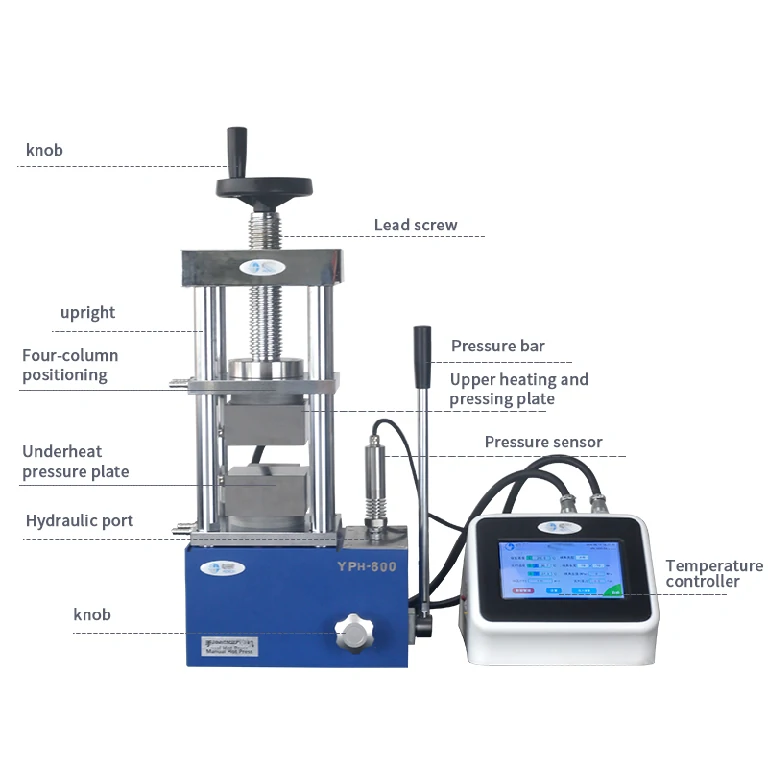
Hench Customer Case: Singapore University — Hot Pressing of Polymer-Sensitive Materials
読む もっと読むOverview This solution combines a manual heated press with a glovebox, addressing the critical need for environmental protection during the hot pressing of highly sensitive, easily oxidized, hygroscopic, and highly reactive samples. It has been widely applied in lithium batteries, advanced materials, semiconductors, and academic research. Below are real-world application examples from diverse industries, detailing solution adaptation, implementation results, and customer feedback. Customer Background & Key Requirements The Materials Science and Engineering Department of a Singaporean university focuses on the development of highly active polymer materials and flexible electronic materials. Their research involves hot pressing novel polymer powders into flexible films for subsequent mechanical and electrical performance testing. These polymer […]
-
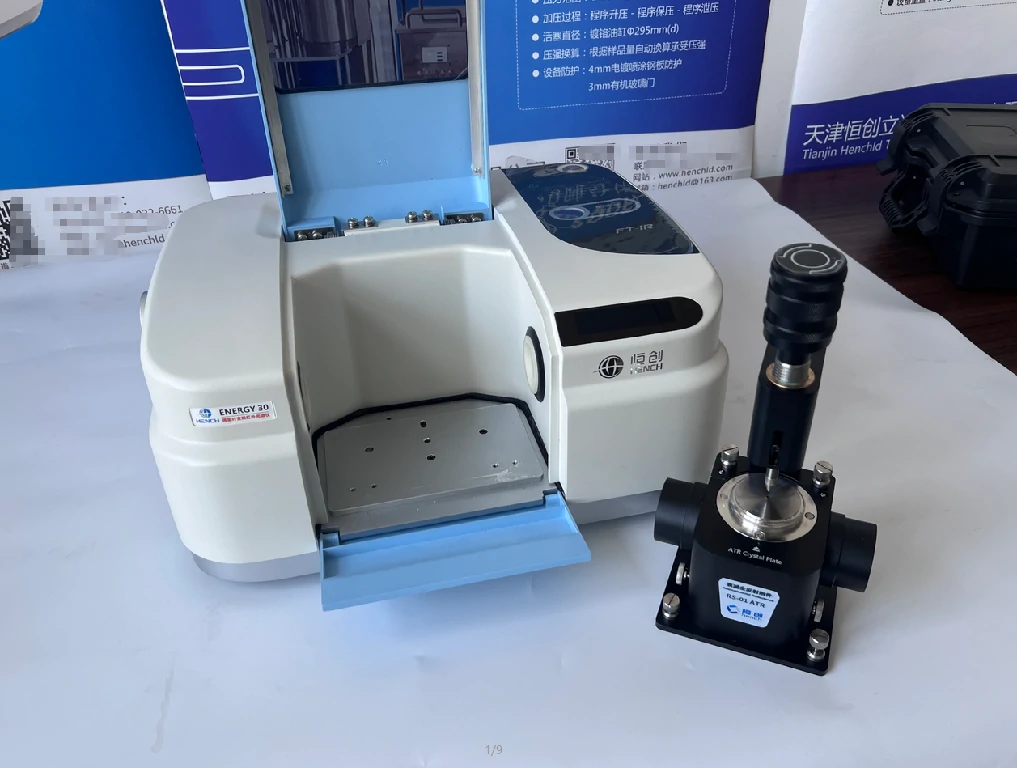
FTIR Applications in the Chemical Industry: Raw Material Identification and Quality Control
読む もっと読むRaw Material Identification and Quality Control from an Instrument Supplier’s Perspective In the chemical industry, raw material quality is the foundation of product consistency, process stability, and operational safety. Incorrect material identification, grade mismatch, or hidden adulteration can lead to reaction failure, batch rejection, equipment fouling, and even serious safety incidents. Fourier Transform Infrared Spectroscopy (FTIR) has become a core analytical technique for raw material inspection (IQC) due to its advantages of speed, non-destructive analysis, high sensitivity, and strong chemical specificity.By detecting the characteristic infrared absorption of functional groups, FTIR generates unique “molecular fingerprint spectra”. Combined with professional spectral libraries and quantitative calibration models, FTIR enables chemical manufacturers to implement […]