.png)
.png)


ニュース
-
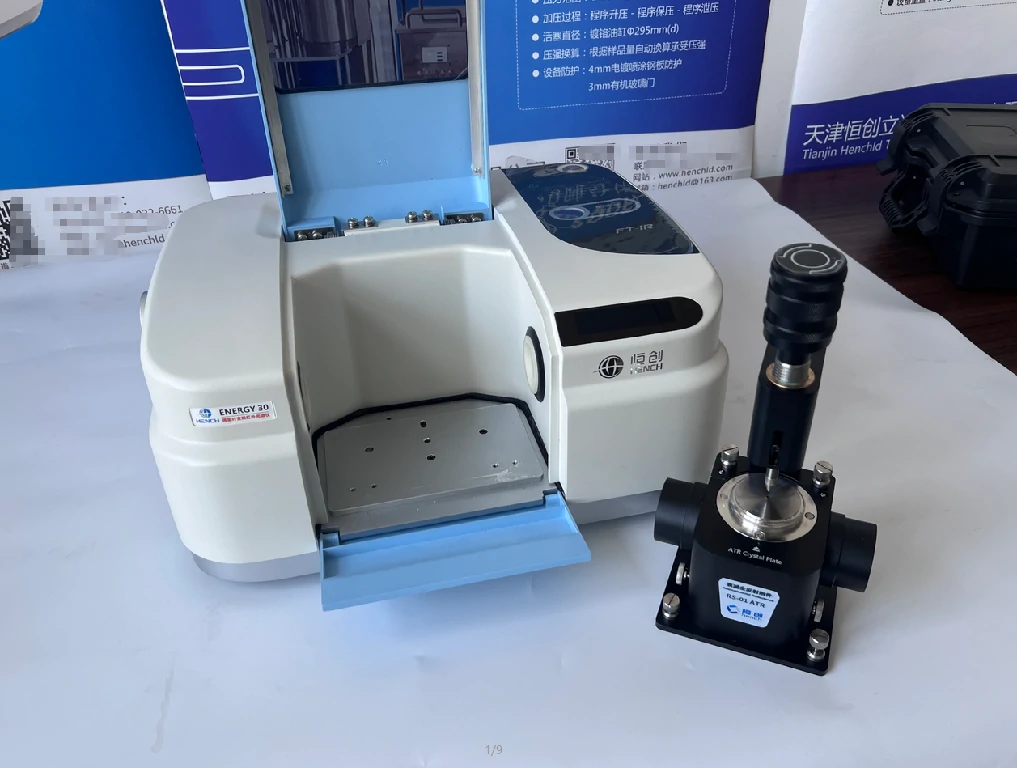
FTIR Applications in the Chemical Industry: Raw Material Identification and Quality Control
読む もっと読むRaw Material Identification and Quality Control from an Instrument Supplier’s Perspective In the chemical industry, raw material quality is the foundation of product consistency, process stability, and operational safety. Incorrect material identification, grade mismatch, or hidden adulteration can lead to reaction failure, batch rejection, equipment fouling, and even serious safety incidents. Fourier Transform Infrared Spectroscopy (FTIR) has become a core analytical technique for raw material inspection (IQC) due to its advantages of speed, non-destructive analysis, high sensitivity, and strong chemical specificity.By detecting the characteristic infrared absorption of functional groups, FTIR generates unique “molecular fingerprint spectra”. Combined with professional spectral libraries and quantitative calibration models, FTIR enables chemical manufacturers to implement […]
-
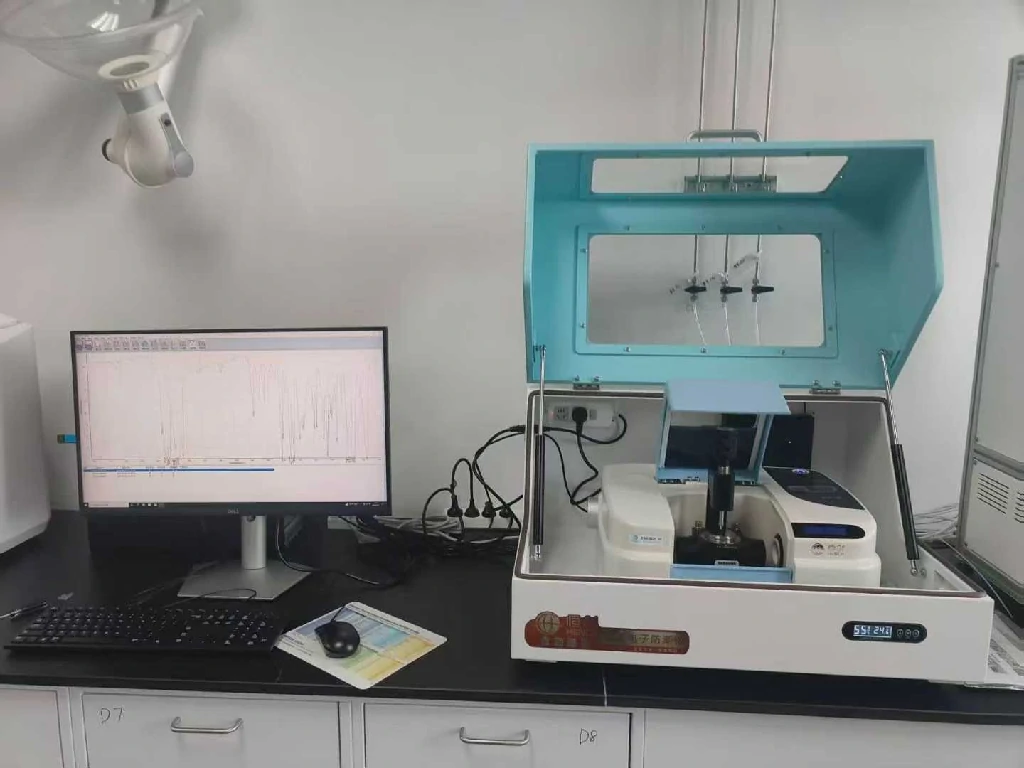
How Do Daily Calibration and Performance Verification Ensure Accurate FTIR Spectrometer Results?
読む もっと読むIn modern laboratories, the reliability and repeatability of Fourier Transform Infrared (FTIR) spectrometers are crucial for accurate material analysis. Daily calibration and performance verification are essential practices that ensure instruments deliver consistent results, minimize measurement errors, and maintain compliance with regulatory standards. But how exactly do these procedures work, and why are they indispensable for lab operations? Daily calibration involves quick checks of the interferometer, baseline, light source, and detector, while performance verification ensures key indicators—wavenumber accuracy, resolution, and signal-to-noise ratio—meet the required standards. By performing these steps before any sample analysis, laboratories can trust their data and reduce the risk of costly measurement errors. This blog explores the practical […]
-
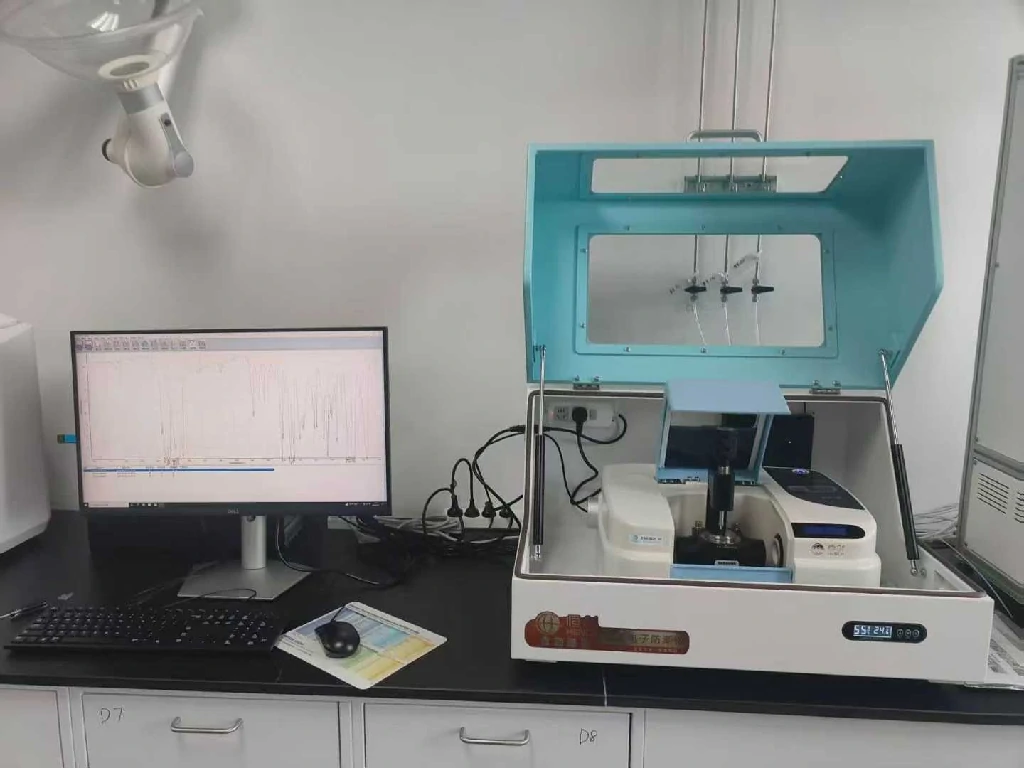
Quantitative FTIR Analysis: Laboratory Applications of the Beer–Lambert Law
読む もっと読むFourier Transform Infrared Spectroscopy (FTIR) is widely used in modern laboratory analysis due to its rapidity, non-destructiveness, and ability to handle multiple sample phases. Quantitative FTIR, based on the Beer–Lambert Law, enables precise determination of component concentrations in solid, liquid, and gaseous samples. This technique is commonly applied in organic chemistry, materials science, pharmaceuticals, food quality control, and environmental monitoring. This article provides a systematic overview of the principles, methods, applications, and key operational considerations for quantitative FTIR, offering practical guidance for standardized laboratory procedures. I. Core Principles of the Beer–Lambert Law in FTIR The Beer–Lambert Law establishes a linear relationship between light absorption, sample concentration, and optical path length, […]
-
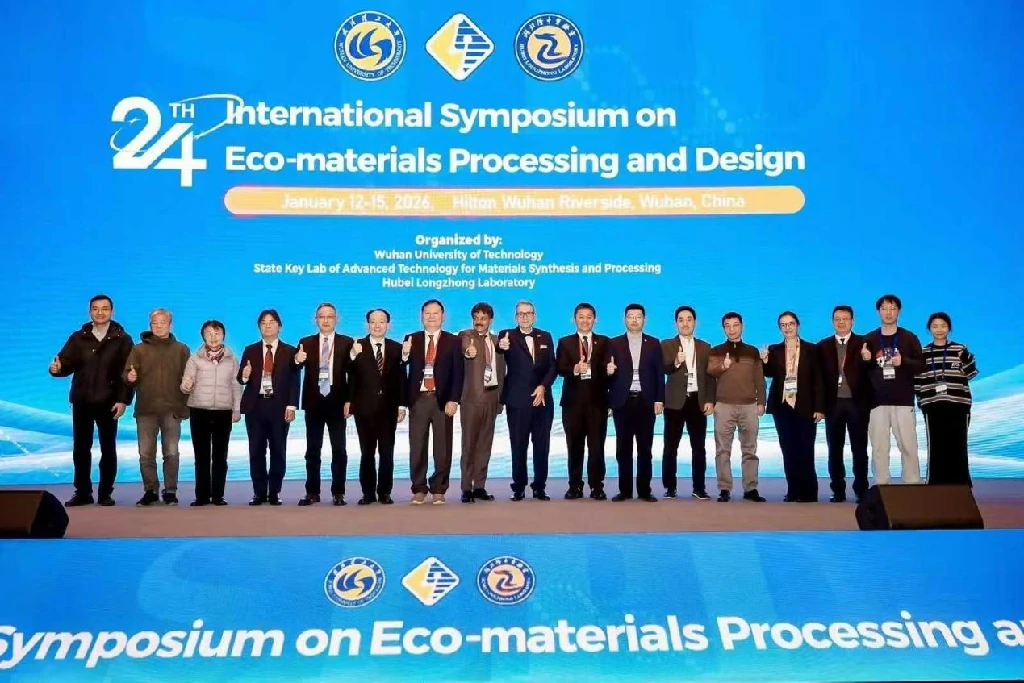
Hench Shines at 2026 International Conference on Ecological Materials with Cutting-Edge Laboratory Instruments
読む もっと読むOn January 15, 2026, the three-day International Conference on Ecological Materials concluded successfully in Wuhan, China. As an innovative leader in domestic laboratory instruments, Hench showcased its core product portfolio and cutting-edge technical solutions, earning high recognition from customers and partners both at home and abroad. The company’s participation not only highlighted its technological strength and professional services but also resulted in multiple cooperation agreements, marking a successful international showcase. A Global Platform for Innovation and Collaboration The conference is one of the most influential industry events in the materials field, attracting experts and scholars from over 20 countries and regions, as well as representatives from universities and research institutions. […]