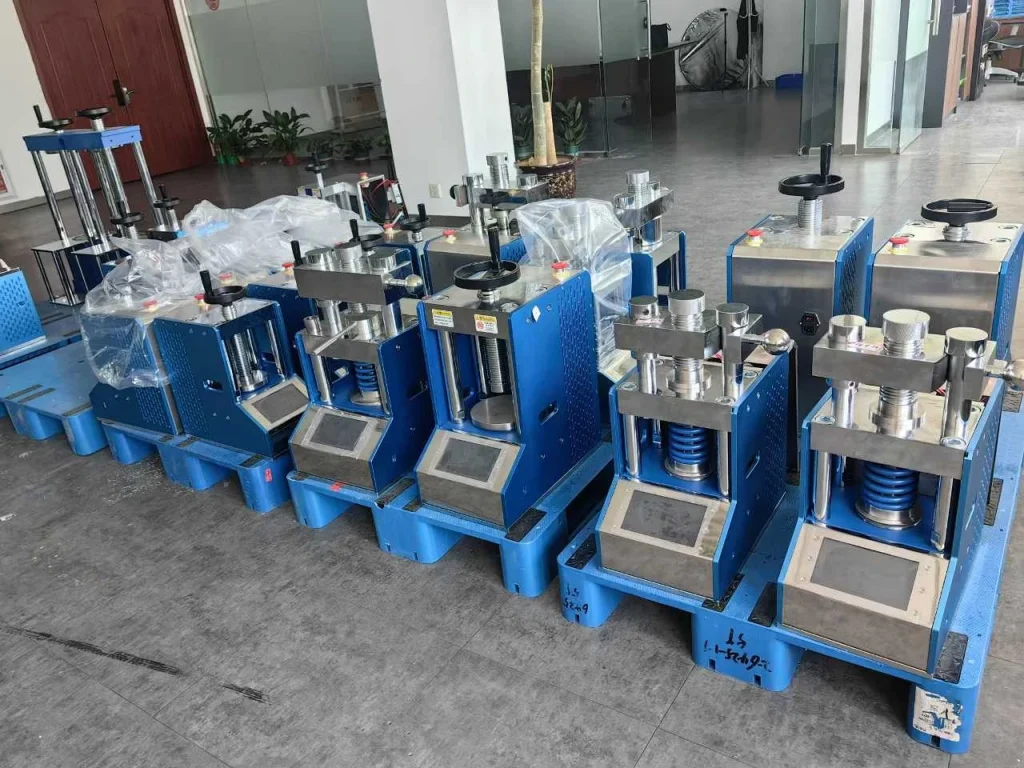
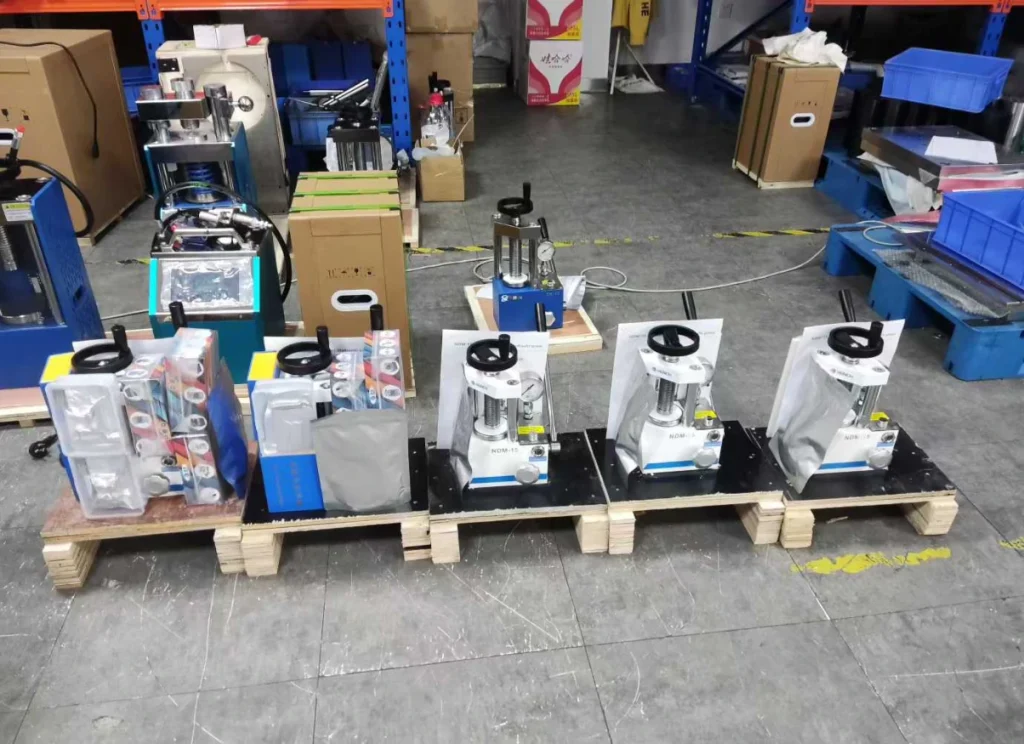
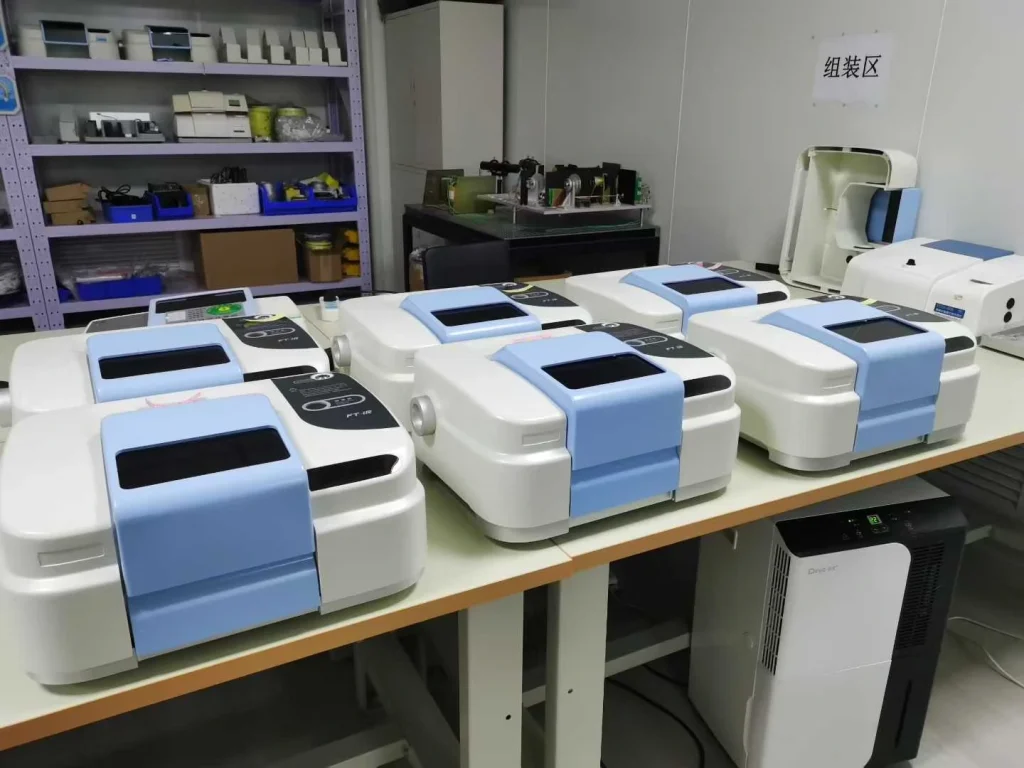
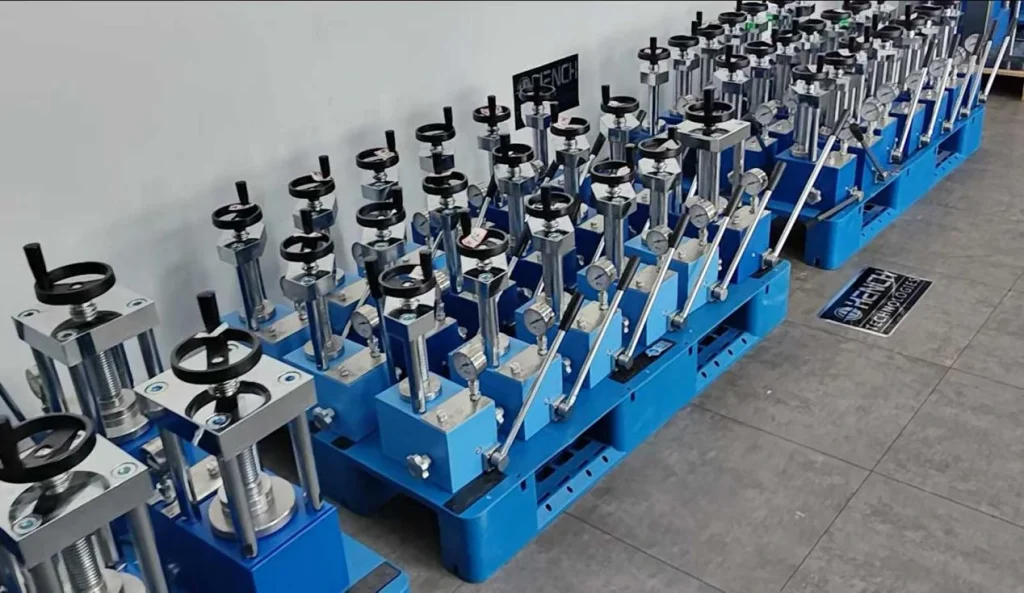
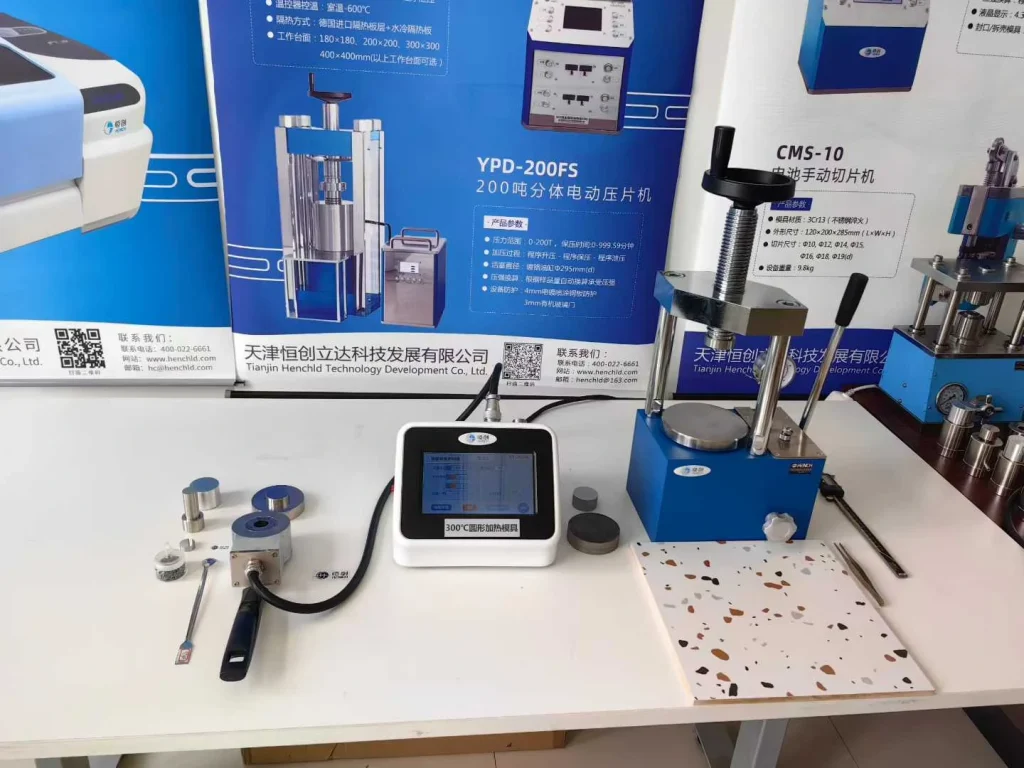
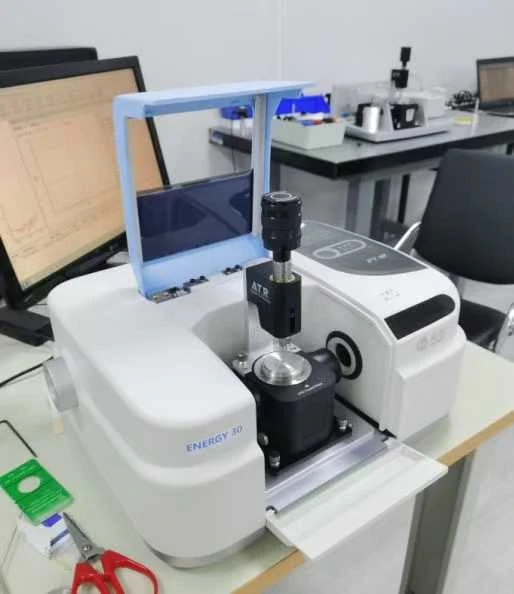
The Industrial Application of IR Hydraulic Machines – Suitable For FTIR Testing
3月 2, 2026
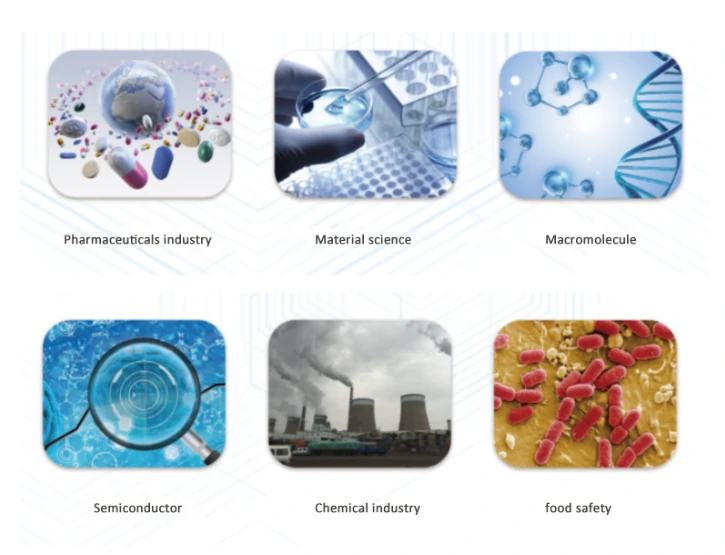
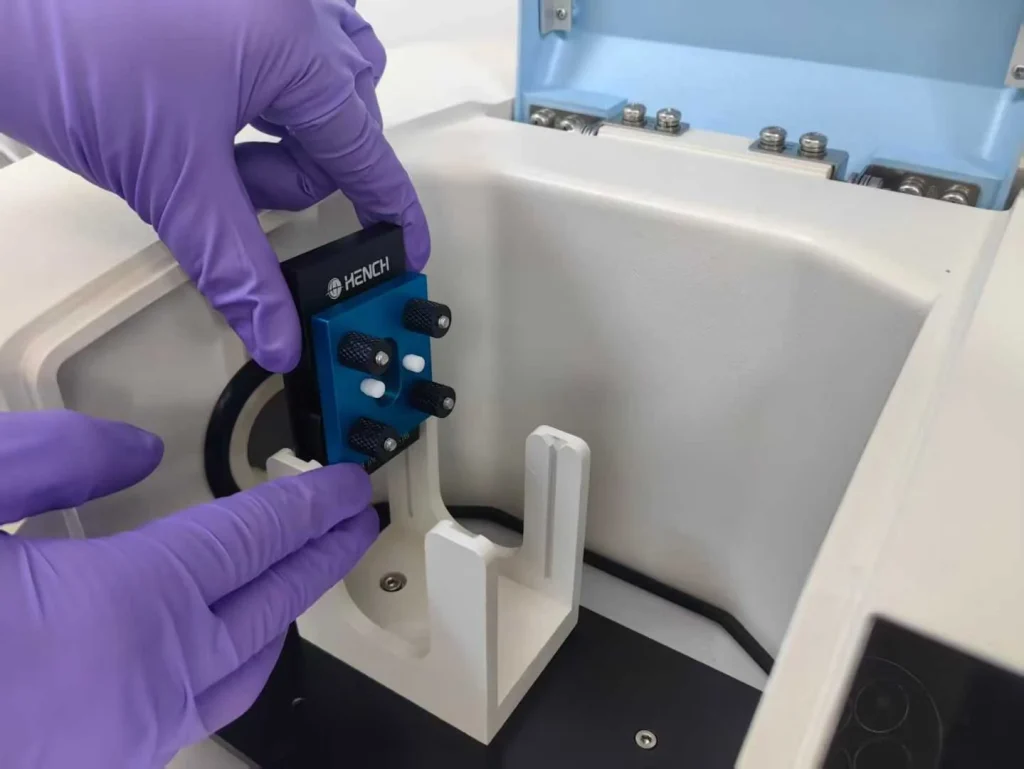
All applications follow the core process of “KBr tablet preparation → FTIR mid-infrared detection”. The differences among various industries lie in sample pretreatment, detection purpose, and mold compatibility. Below, based on the core detection requirements of each industry, the specific application scenarios of the infrared tablet press are clarified, with a particular focus on the frequent fields such as chemicals, materials, textiles, and pharmaceuticals:
Chemical industry (core application field)
Chemical industry is the industry with the widest application of IR hydraulic presses. It covers the entire process from raw material entry, intermediate quality control to finished product inspection in basic organic chemistry, inorganic chemistry and fine chemistry. The core issue it addresses is the qualitative identification, purity testing and structural confirmation of solid raw materials and products.
Basic Organic Chemicals: For solid crystalline raw materials such as alcohols, acids, esters, ketones, and aromatics (such as benzoic acid, phthalic anhydride, urea), they are compressed into tablets for sample preparation. FTIR is used to detect purity and trace impurities, verifying the authenticity of the raw materials.
Inorganic Chemicals: For powder compression of carbonates (calcium carbonate, sodium carbonate), oxides (titanium dioxide, zinc oxide), and inorganic salts (potassium chloride, sodium sulfate), the crystal forms (such as light calcium / heavy calcium) are identified through mid-infrared characteristic peaks, and impurities are detected.
Fine Chemicals: For the pressing of dye, pigment, coating powder, and adhesive resin powder, FTIR analysis is conducted to determine the composition of functional groups, to confirm whether the product structure meets the formulation requirements, and to detect the residual of additives.
Pharmaceuticals and medical device industry (core of compliance testing)
Compliant with the GMP standards of the pharmaceutical industry, it is the standard sample preparation method for raw materials, pharmaceutical excipients, and pharmaceutical packaging materials. The KBr pressed tablet spectra produced by the infrared pressing machine are the legal spectral basis for pharmaceutical infrared detection.
Active pharmaceutical ingredient: For the crystallization of solid active pharmaceutical ingredients (such as amoxicillin, ibuprofen, vitamins), tablet preparation is carried out. FTIR is used to identify the chemical structure, characterize the crystal form (the crystal form directly affects the efficacy of the drug), and detect related substances.
Pharmaceutical excipients: For solid excipients such as starch, lactose, magnesium stearate, and carboxymethyl cellulose, FTIR is used for authenticity identification and purity detection during powder compression, thereby preventing excipient adulteration.
Pharmaceutical packaging: The pharmaceutical plastics (PP/PE/PVC) and rubber stoppers are ground into powder and then pressed into tablets. FTIR is used to test whether the components meet the requirements for pharmaceutical contact materials and to analyze the residue of additives.
Traditional Chinese Medicine / Natural Medicines: For the powder and extract crystals of traditional Chinese medicine, they are compressed into tablets. FTIR is used to establish characteristic fingerprint spectra, enabling the authenticity identification and origin traceability of traditional Chinese medicine.
Materials Industry (Polymer / New Materials Structural Characterization)
The infrared press machine is a fundamental equipment for laboratory material research and quality control, as it can conduct structural analysis and performance correlation testing on solid materials such as plastics, rubber, fibers, composite materials, and new lithium battery materials.
General polymer materials: Grind PE/PP/PS/PET/PC plastics and rubber vulcanized gels into powder and form tablets. Use FTIR to identify the material types, analyze the changes in functional groups (such as oxidation, degradation), and detect the contents of additives (antioxidants, plasticizers).
Textile fiber materials: The cotton, linen, polyester, polypropylene and other fibers are shredded and ground into powder and then pressed into tablets. The FTIR precisely obtains the infrared spectrum of the fiber matrix, which is used for the identification of recycled fibers and native fibers, as well as the analysis of fiber crystal forms (supplementing the surface detection in the ATR attachment to achieve the characterization of the fiber matrix structure).
Lithium battery new materials: For cathode materials (lithium iron phosphate, ternary materials), anode materials (graphite, silicon-based materials), solid-state electrolyte powder compaction, FTIR is used to detect components and analyze surface functional groups (such as carbon coating layer, oxide layer), and optimize the material preparation process;
Composite materials: Prepare the matrix resin and filler powder for the composite materials, conduct FTIR analysis to determine the bonding state at the interface, and characterize the compatibility of the composite materials.
Textile and Nonwoven Fabric Industry (Precise Analysis of Raw Materials / Coatings)
As an additional laboratory measure for ATR, it addresses the precise detection requirements of the fiber core, coating powder, and additives in the textile / non-woven fabric industry, serving as a precise sample preparation method for raw material traceability and resolving quality disputes:
Fiber core analysis: The textile fibers and non-woven fabric fibers (cotton, viscose, polyester, polypropylene) were shredded and ground into powder. After pressing and preparing the samples, FTIR was used for detection to eliminate the interference from surface finishing agents and coatings on the fabric/non-woven fabric surfaces, and obtain the pure spectrum of the fiber core, which is used for the identification of regenerated fibers and the quantitative analysis of fiber crystal forms.
Coating / Finishing Agent Analysis: Press the crystalline powders of non-woven fabric hydrophilic coating, waterproof coating, and textile functional finishing agents (flame retardants, anti-static agents) into tablets. Use FTIR to identify the components of the finishing agents and analyze the functional group composition to confirm whether the finishing agents meet the formulation requirements.
Auxiliary agent testing: Prepare solid auxiliary agents (such as whitening agents, softening agents, etc.) for textiles / non-woven fabrics into tablets. Use FTIR to test the purity of the auxiliary agents and analyze their compatibility with the fibers.
Food and agricultural products industry (Laboratory precise quality control)
As a supplementary laboratory for on-site ATR rapid testing, it addresses the precise qualitative and quantitative detection requirements for food solid raw materials, additives, and contaminants:
Food raw materials: For tablet pressing of milk powder, honey crystals, grain powder, and spice powder, an accurate fingerprint spectrum is established using FTIR to identify authenticity and detect adulteration (such as adding vegetable fat paste to milk powder or adding fruit glucose syrup crystals to honey).
Food additives: For solid food additives (preservatives, sweeteners, thickening agents) powder tabletting, FTIR is used to identify components and test purity, to prevent adulteration of additives;
Pollutant detection: Grind and press the solid impurities and crystalline contaminants separated from the food, and use FTIR for precise qualitative analysis to achieve pollutant traceability.
Environmental and Geology Industry
Solve the problems of qualitative identification and component analysis of environmental pollutants, geological minerals, and soil solid samples, and meet the infrared detection requirements for laboratory environmental monitoring and geological exploration:
Environmental Monitoring: Soil powders, sludge, solid waste, and atmospheric particulates (after filtration and grinding) are pressed into samples. FTIR is used to detect organic pollutants (such as polycyclic aromatic hydrocarbons, plastic micro-particles) and inorganic pollutants (such as metal oxides).
Geological exploration: Pressing mineral powder and rock powder into tablets, using FTIR to identify the types of minerals (such as quartz, feldspar, carbonate minerals), analyzing the mineral composition, and providing data support for geological exploration;
Water quality testing: Grind and press the solid crystals and sediments that precipitate in the water, conduct FTIR analysis to detect the components of pollutants, and achieve the traceability of water pollution sources.
Metallurgy and Mining Industry (Inorganic Solid Analysis)
It is used for qualitative identification and purity testing of metal oxides, minerals, metallurgical additives, and metal salts. It is the basic equipment for raw material quality control and product inspection in metallurgical laboratories.
Metallurgical raw materials: Powder compacts are made from iron ore, copper ore, bauxite and other mineral powders. FTIR is used to detect the main components and analyze the impurity content, thereby optimizing the beneficiation process.
Metallurgical auxiliary materials: Pressing limestone, fluorspar and coke powder into tablets, using FTIR to identify components and test purity, ensuring the stability of the metallurgical process;
Metal salts: For the crystalline tablets of metal sulfates and chlorides produced during the metallurgical process, perform FTIR analysis to determine the components, and assess the recovery value of metallurgical by-products.