



ニュース
-
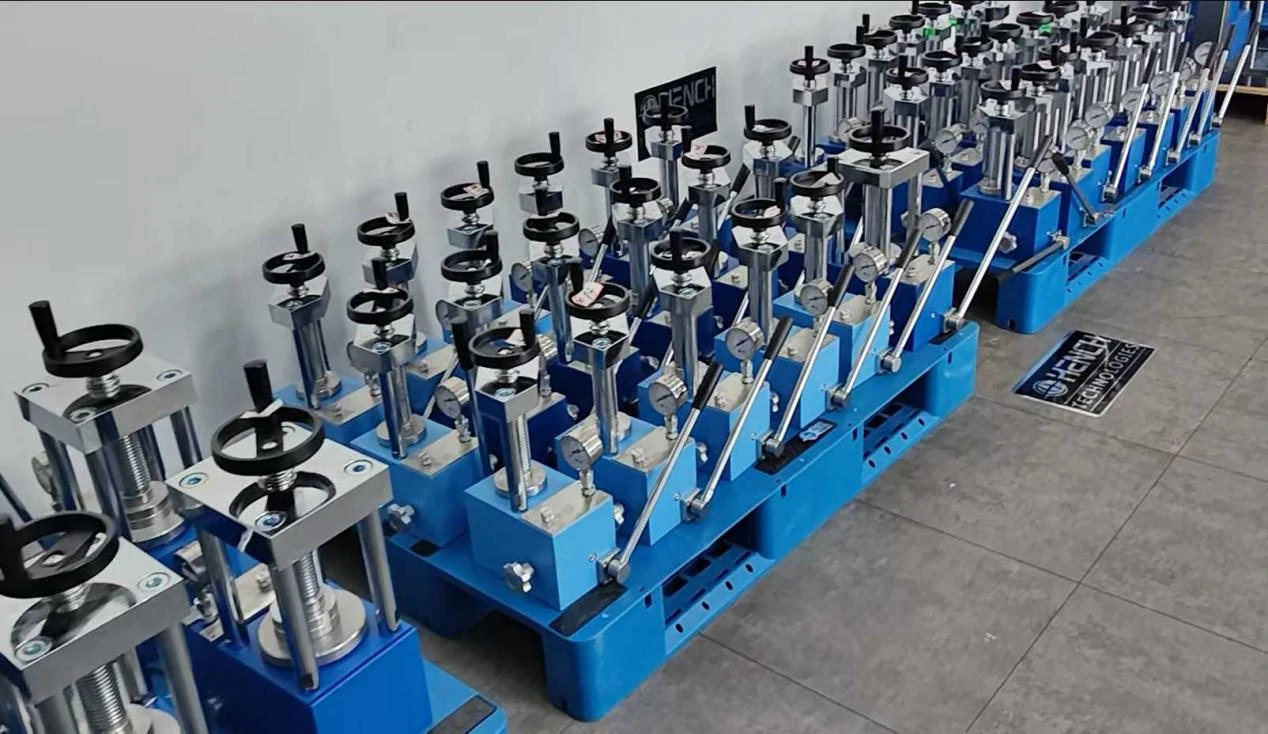
The Industrial Application of IR Hydraulic Machines – Suitable For FTIR Testing
読む もっと読むAll applications follow the core process of “KBr tablet preparation → FTIR mid-infrared detection”. The differences among various industries lie in sample pretreatment, detection purpose, and mold compatibility. Below, based on the core detection requirements of each industry, the specific application scenarios of the infrared tablet press are clarified, with a particular focus on the frequent fields such as chemicals, materials, textiles, and pharmaceuticals: Chemical industry (core application field) Chemical industry is the industry with the widest application of IR hydraulic presses. It covers the entire process from raw material entry, intermediate quality control to finished product inspection in basic organic chemistry, inorganic chemistry and fine chemistry. The core issue […]
-
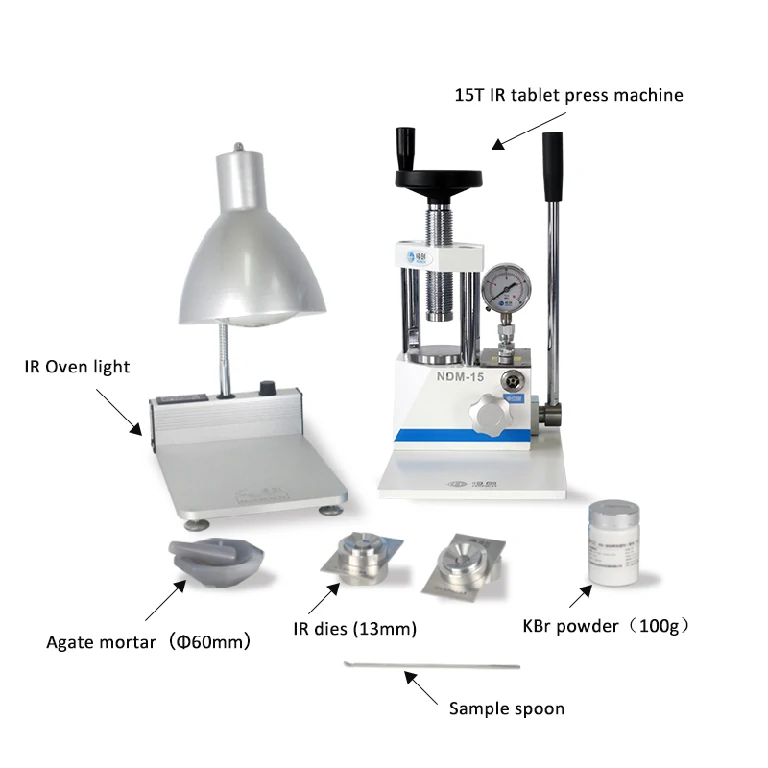
The core application of the infrared tablet press (compatible with FTIR mid-infrared detection)
読む もっと読むThe infrared tablet press is a key device for solid sample preparation in Fourier Transform Infrared Spectroscopy (FTIR). Designed for the KBr pellet method, it enables high-precision mid-infrared spectroscopy detection by compressing mixtures of solid samples and potassium bromide (KBr) into uniform, transparent, and crack-free thin discs. This process eliminates light scattering from powder samples and ensures efficient transmission of mid-infrared light, ultimately producing infrared spectra with stable baselines and clear peak shapes. Core Value of the IR Tablet Press The IR tablet press addresses several challenges in solid sample preparation for FTIR: Core Application Principle Not all solid samples require an IR tablet press. Proper use depends on sample […]
-
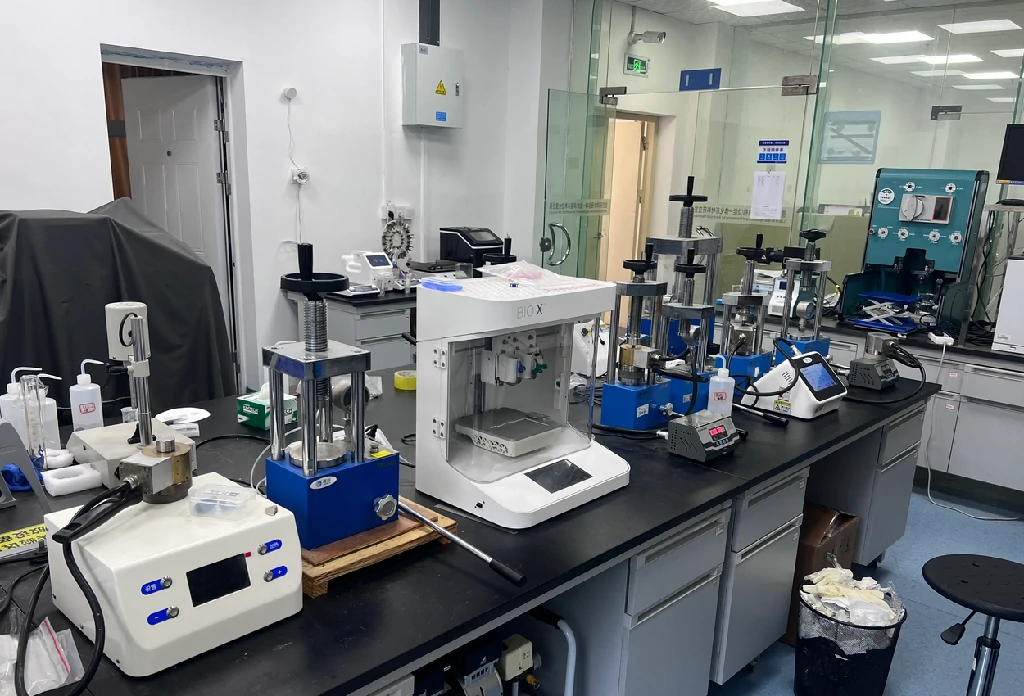
The Application of Laboratory Hot Presses in Inorganic Materials
読む もっと読むThe laboratory heating compaction machine is the core equipment for research and sample preparation of inorganic materials. It solves issues such as difficulty in forming inorganic powders, uneven microstructures, and poor performance controllability through coordinated regulation of temperature and pressure. Its applications span nearly all sub-sectors of inorganic materials, including ceramics, new energy functional materials, minerals and silicates, glass, and nano-inorganic materials. The figure below shows typical hot-pressed products from Hengchuang Company: The following sections outline systematic application scenarios, technical highlights, and representative cases. 1. Ceramic Materials: From Raw Material Molding to High-Density Sintering Ceramics are the core category of inorganic materials. Laboratory hot presses are applied throughout pre-sintering, hot […]
-
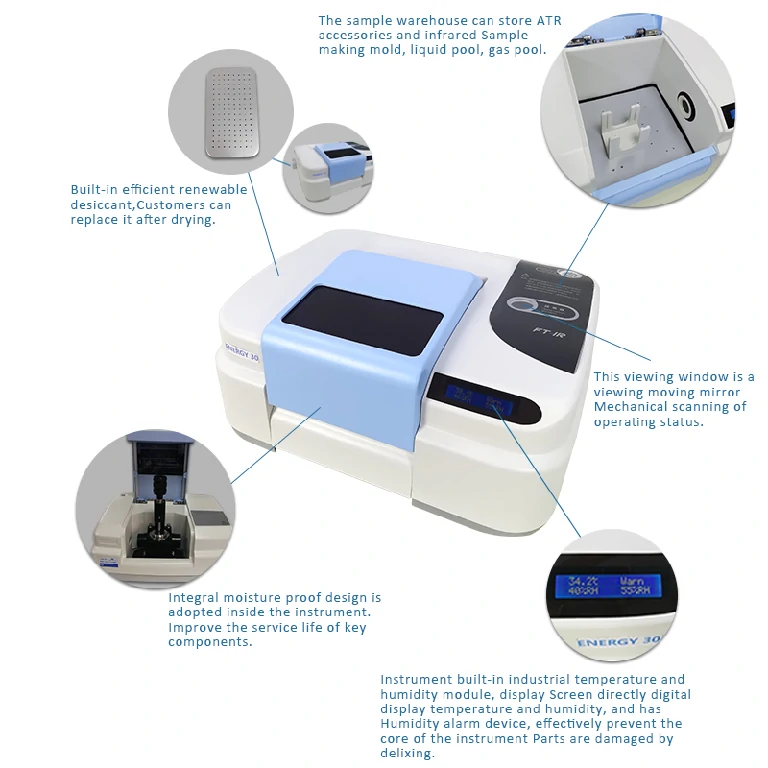
How FTIR Is Used in the Pharmaceutical Industry for API and Excipient Analysis
読む もっと読むFourier Transform Infrared Spectroscopy (FTIR) has become a cornerstone analytical technique in the pharmaceutical industry for the identification, verification, and quality control of active pharmaceutical ingredients (APIs) and excipients. Instruments such as the Hengchuang ENERGY-30 FTIR are widely adopted because they combine rapid analysis, non-destructive testing, high sensitivity, and strong molecular specificity. In pharmaceutical manufacturing, a critical question must be answered repeatedly: can every incoming raw material and every finished product be verified quickly, reliably, and in compliance with regulatory standards? FTIR provides a clear and practical answer. It enables quality control across the entire lifecycle of drug production, from raw material inspection to formulation development and finished product release. […]