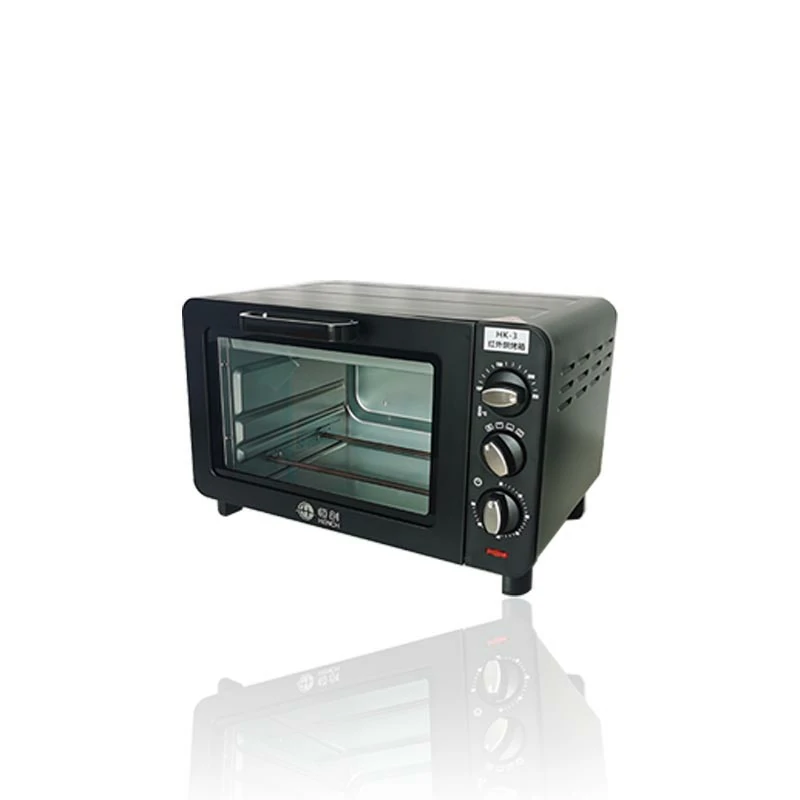
A Practical Guide: Choosing an Oven for Sample Preparation for Flawless FTIR Results in 2025

12月 5, 2025

要旨

The integrity of Fourier transform infrared (FTIR) spectroscopy analysis is fundamentally dependent on the quality of sample preparation, a stage where the removal of residual moisture is paramount. This document examines the critical role of the oven for sample preparation in achieving accurate and reproducible FTIR spectra. It posits that inadequately dried samples, contaminated by ambient water, introduce significant spectral artifacts, primarily from O-H stretching and bending vibrations, which can obscure or mimic key functional group absorptions, leading to erroneous qualitative identification and quantitative analysis. The text provides a systematic evaluation of different laboratory oven technologies, including gravity convection, mechanical convection, and vacuum ovens, contextualizing their operational principles, advantages, and limitations within the framework of specific analytical needs. Through a comparative analysis, the document elucidates a decision-making framework for selecting an appropriate oven based on sample characteristics, such as thermal sensitivity and oxidative stability, alongside laboratory workflow and regulatory constraints. It concludes that a conscious, informed choice of a sample preparation oven is not a trivial procedural step but a foundational requirement for analytical excellence in spectroscopy.

要点

  • Eliminate water artifacts in FTIR spectra by properly drying samples before analysis.
  • Select a mechanical convection oven for uniform temperature and efficient general-purpose drying.
  • Use a vacuum oven to protect heat-sensitive or easily oxidized materials during drying.
  • The right oven for sample preparation is a cornerstone of reproducible, reliable results.
  • Verify sample dryness with serial weighings until a constant mass is achieved.
  • Handle dried samples in a desiccator to prevent reabsorption of atmospheric moisture.

目次

The Unseen Saboteur: Moisture's Corrupting Influence in FTIR Spectroscopy

In the pursuit of scientific truth, the analytical chemist often resembles a detective, meticulously gathering clues from the molecular world. Fourier transform infrared (FTIR) spectroscopy is one of the most powerful tools in this investigation, offering a unique "fingerprint" of a substance by probing its molecular vibrations. Each peak in an FTIR spectrum tells a story, a narrative of the bonds that stretch, bend, and twist within a molecule. Yet, this story can be easily corrupted, its message garbled by a ubiquitous and often underestimated saboteur: water. The presence of even trace amounts of moisture in a sample can superimpose a loud, disruptive signal over the delicate, informative fingerprint of the analyte, rendering the entire analysis ambiguous or, worse, misleading. Understanding the profound impact of this invisible contaminant is the first step toward achieving analytical purity. The journey to a clean, interpretable spectrum begins not at the spectrometer, but with the careful and deliberate process of sample drying, a task for which the right oven for sample preparation is indispensable.

The Physics of Water's Spectral Dominance

To appreciate why water is so problematic, one must consider its interaction with infrared light. The water molecule (H₂O), though simple in structure, possesses a significant dipole moment and undergoes powerful vibrational transitions when exposed to IR radiation. Its spectrum is dominated by two primary features: a very strong, broad absorption band typically centered around 3400 cm⁻¹ due to O-H stretching vibrations, and a sharp, intense peak near 1640 cm⁻¹ caused by the H-O-H bending motion (Gong et al., 2024).

Imagine you are trying to listen to a subtle symphony, but someone in the room is shouting. The broad O-H stretching band is that shout. Its sheer intensity and width can completely overwhelm a vast portion of the spectrum, from roughly 3600 cm⁻¹ to 3000 cm⁻¹. This region is precisely where many other important functional groups, such as N-H stretches in amides and amines, and O-H stretches from alcohols and carboxylic acids, are expected to appear. When masked by water, a researcher might fail to identify a key component of their sample or misinterpret the broad water peak as evidence of hydroxyl groups belonging to the analyte itself. The H-O-H bending vibration near 1640 cm⁻¹ is equally pernicious. It falls squarely in the double-bond region of the spectrum, a zone critical for identifying C=O (carbonyl) groups in ketones, aldehydes, esters, and amides, as well as C=C stretches in alkenes. The presence of a water peak here can distort the shape and perceived intensity of carbonyl peaks, interfering with quantitative measurements, or be mistaken for a weak alkene signal.

How Moisture Masks Key Functional Groups

The consequences of this spectral interference are far-reaching. In pharmaceutical analysis, for instance, the amide I band (primarily C=O stretch) of proteins, which is crucial for secondary structure determination, appears between 1600 cm⁻¹ and 1700 cm⁻¹. As Jiang et al. (2011) demonstrated, precise analysis of this band is vital for qualifying protein conformation. Water absorption at 1640 cm⁻¹ can directly interfere with this analysis, making it difficult to accurately assess the α-helix and β-sheet content, which are indicators of a protein drug's stability and efficacy.

Similarly, in polymer science, the detection of oxidation is often monitored by the appearance and growth of a carbonyl (C=O) peak around 1720 cm⁻¹. If the sample is not properly dried, the shoulder of a broad water bending peak can bleed into this region, potentially leading to an overestimation of the degree of degradation. In the analysis of biomaterials, researchers might be searching for the subtle signature of a drug molecule immobilized onto a polymer matrix. As Kowalczuk and Pitucha (2019) showed, FTIR is sensitive enough to detect these interactions, but only if the background is clean. A "wet" sample could introduce artifacts that mimic or mask the very functional groups that confirm successful immobilization. The challenge is that water is not just present in liquid samples; it is adsorbed onto the surface of virtually all solids exposed to the atmosphere, especially hygroscopic materials like potassium bromide (KBr), a common matrix for preparing solid samples.

The Consequence of Inconsistent Hydration

Perhaps the most insidious effect of improper drying is the introduction of non-reproducibility. For an analytical method to be reliable, it must yield the same result for the same sample time and time again. If the moisture content of a sample varies from one measurement to the next, the resulting spectra will also vary. The intensity of the water peaks will fluctuate, and their broadness can cause subtle shifts in the baseline and apparent positions of adjacent analyte peaks.

This variability makes quantitative analysis, which relies on the consistent relationship between peak height or area and concentration (the Beer-Lambert law), nearly impossible. Imagine trying to determine the concentration of an active ingredient in a tablet. If one sample is slightly wetter than the next, its spectrum will have a different background absorption, leading to an inaccurate calculation. The calibration model built on such inconsistent data would be fundamentally flawed. Likewise, in quality control, where a sample's spectrum is compared against a reference standard, variable moisture can lead to false rejections or acceptances. A perfectly good batch of material might be flagged as "out of specification" simply because it was analyzed on a humid day and was not adequately prepared in a laboratory oven. Therefore, the act of drying a sample is not a mere formality; it is a deliberate act of removing a confounding variable to ensure that the spectrum reflects the true chemical nature of the analyte, and nothing else.

A Taxonomy of Laboratory Ovens: Tools for Analytical Purity

Having established the non-negotiable need to eliminate moisture, the question then turns to the means of its removal. The laboratory oven is the primary instrument for this task, yet the term "oven" encompasses a range of devices with distinct operating principles and capabilities. Choosing the correct oven for sample preparation is akin to a surgeon selecting the right scalpel; the choice depends on the nature of the task and the delicacy of the subject. A robust polymer might withstand aggressive heating, while a fragile biological specimen would be destroyed by the same conditions. The analyst must, therefore, be familiar with the fundamental types of laboratory ovens to make an informed decision that preserves sample integrity while ensuring complete desiccation. The four main categories are gravity convection, mechanical convection, vacuum, and specialized infrared ovens, each offering a unique balance of temperature uniformity, drying speed, and sample compatibility.

Gravity Convection Ovens: The Gentle Workhorse

The gravity convection oven is the simplest and most cost-effective of the designs. Its operation relies on a basic principle of physics: hot air is less dense than cool air and naturally rises. A heating element, typically located at the bottom of the chamber, warms the adjacent air. This heated air rises, transfers some of its energy to the samples, and as it cools, it becomes denser and sinks, creating a gentle, continuous circulation loop.

The primary virtue of this design is its simplicity, which translates to lower initial cost and fewer mechanical parts that can fail. The gentle airflow is also an advantage for drying fine powders or lightweight materials that might be disturbed or blown around by a fan. However, this same gentleness is its main drawback. The natural circulation is relatively inefficient, leading to slower drying times and, more significantly, poor temperature uniformity throughout the chamber. It is common for "hot spots" to exist near the heating element and "cold spots" to be foundfranchir in the upper corners. This temperature stratification means that samples placed in different locations within the oven will dry at different rates, introducing a variable that compromises reproducibility. For non-critical applications or for materials insensitive to precise temperature control, a gravity convection oven can be a suitable choice, but for demanding FTIR sample preparation, its limitations often outweigh its benefits.

Mechanical (Forced) Convection Ovens: Precision Through Airflow

A mechanical convection oven, also known as a forced-air oven, addresses the primary weakness of the gravity design by incorporating a fan. This fan actively circulates the heated air throughout the chamber, ensuring a much more uniform temperature distribution. The constant airflow breaks up the thermal boundary layers that form around samples, accelerating heat transfer and significantly reducing drying times compared to a gravity oven.

This high degree of temperature uniformity and efficiency makes the mechanical convection oven the workhorse of many analytical laboratories. Samples placed on any shelf will experience nearly identical thermal conditions, leading to consistent and reproducible drying, which is a prerequisite for reliable quantitative FTIR analysis. These ovens are ideal for a wide range of applications, including the drying of KBr pellets, polymer films, and stable chemical powders. The main consideration is that the forced airflow can be too aggressive for very fine, lightweight powders, which could become airborne and cause cross-contamination between samples. Otherwise, for general-purpose, high-performance drying, a mechanical convection oven represents a significant step up in precision.

Vacuum Ovens: The Purity Protector

The vacuum oven operates on a completely different principle. Instead of just using heat to drive off moisture, it also dramatically lowers the ambient pressure inside a sealed chamber. According to the Clausius-Clapeyron relation, the boiling point of a liquid is a function of pressure. By pulling a vacuum, the pressure is reduced, and consequently, the temperature at which water boils drops significantly. For example, at standard atmospheric pressure (760 Torr), water boils at 100°C. In a modest vacuum of 25 Torr, water boils at just 26°C.

This ability to remove moisture and other solvents at low temperatures is the vacuum oven's greatest strength. It is the ideal tool for drying heat-sensitive materials that would decompose, melt, or otherwise be damaged by the high temperatures required in a convection oven. This includes many pharmaceutical active ingredients (APIs), biological samples like proteins and tissues, and certain reactive polymers. Furthermore, because the drying process occurs in an oxygen-depleted environment, it also prevents oxidation of sensitive samples. The heating in a vacuum oven is typically provided by radiant elements in the walls, as convection is ineffective in a vacuum. The trade-offs are higher cost, the need for an external vacuum pump, and a more complex operational procedure. For the ultimate protection of delicate samples, however, the vacuum oven is unparalleled.

Table 1: Comparative Analysis of Oven Types for FTIR Sample Preparation

特徴 Gravity Convection Oven Mechanical Convection Oven 真空オーブン
Heating Mechanism Natural air circulation (buoyancy) Fan-forced air circulation Radiant wall heat in a low-pressure environment
温度均一性 Low to Moderate (±5 to ±15°C variation) High (±0.5 to ±2°C variation) High (when properly loaded)
Drying Speed Slow Moderate to Fast Fast (especially at low temperatures)
Primary Advantage Low cost, simple, gentle airflow Excellent temperature uniformity, fast drying Low-temperature drying, prevents oxidation
Primary Limitation Poor temperature uniformity, slow Potential for cross-contamination of powders Requires vacuum pump, higher cost, complex
Ideal for FTIR Prep of… Non-critical, robust, large-particle samples KBr pellets, polymers, stable chemicals, soil Pharmaceuticals, proteins, biologicals, sensitive APIs
Relative Cost $ $$ $$$$

Choosing Your Instrument: A Framework for Selecting the Right Oven

The selection of an oven for sample preparation is not a one-size-fits-all proposition. It is a decision that demands a thoughtful consideration of the interplay between the sample's intrinsic properties, the laboratory's operational demands, and the overarching analytical goals. An oven that is perfectly suited for a high-throughput industrial quality control lab may be entirely inappropriate for a university research group studying delicate biomolecules. Therefore, developing a rational decision framework is essential. This framework should guide the analyst to balance the technical capabilities of each oven type against the specific constraints and requirements of their work, ensuring that the chosen instrument is not merely a purchase, but a sound scientific investment. The core pillars of this framework are the nature of the sample, the required throughput and workflow, budgetary and spatial constraints, and any applicable regulatory standards.

サンプルの性質を考慮する

The sample itself is the most important factor in the decision. Its chemical and physical properties dictate the conditions it can safely withstand. The first question an analyst must ask is: "Is my sample thermally sensitive?"

  • Heat-Sensitive and Oxidizable Samples: If the answer is yes, a vacuum oven is almost certainly the correct choice. Samples such as pharmaceutical active pharmaceutical ingredients (APIs), proteins, enzymes, and many natural products will degrade, denature, or oxidize at the elevated temperatures (often >80°C) used in convection ovens. By lowering the boiling point of water, a vacuum oven can thoroughly dry these materials at or near room temperature, preserving their chemical integrity. The anaerobic environment is an added benefit, protecting against oxidative degradation that can occur even at moderate temperatures. Using a convection oven for such a sample would be like trying to dry a delicate manuscript with a blowtorch; the water may be removed, but the information content of the sample is destroyed in the process.

  • Robust and Thermally Stable Samples: For materials that are not sensitive to heat, such as many inorganic compounds, geological samples, and stable polymers, a mechanical convection oven is often the ideal choice. These samples can tolerate the higher temperatures needed for rapid drying, and the superior temperature uniformity of a mechanical oven ensures that all samples in a batch are prepared identically. This is particularly important for preparing KBr pellets, where any variation in residual moisture from pellet to pellet will introduce unacceptable variance in a quantitative analysis.

  • Fine Powders: If the sample is a very fine, low-density powder, a gravity convection oven might be considered. The strong airflow in a mechanical convection oven could potentially blow the powder out of its container, leading to sample loss and cross-contamination. The gentle, natural airflow of a gravity oven mitigates this risk. However, the analyst must be prepared to accept the trade-off of longer drying times and poorer temperature uniformity. An alternative is to use a mechanical convection oven with an adjustable fan speed or to place the fine powders in a covered, vented container.

Table 2: Sample-Type to Oven Matching Guide

Sample Type for FTIR Recommended Oven Type Rationale for Selection
KBr Pellets / Powders Mechanical Convection or Vacuum Complete and uniform moisture removal is paramount to prevent broad O-H absorption bands that obscure the fingerprint region. A vacuum oven is the gold standard for this task.
Polymer Films & Pellets Mechanical Convection Most polymers are thermally stable and benefit from the fast, uniform heating of a forced-air oven to ensure consistent sample preparation for quality control.
Biological Tissues (for FTIR Histopathology) 真空オーブン Low-temperature drying is essential to prevent the denaturation of proteins and the degradation of lipids, preserving the native biochemical structure for analysis.
Pharmaceutical APIs & Formulations 真空オーブン Protects sensitive, high-value active ingredients from thermal degradation and oxidation, ensuring that the analysis reflects the true compound, not its byproducts.
Geological & Soil Samples Mechanical Convection These robust samples require thorough and uniform drying to establish a consistent dry weight basis for quantitative mineralogical or organic matter analysis.
Liquid Samples (for thin film prep) Gentle warming on a hotplate or low-temp vacuum oven The goal is to gently evaporate the solvent without boiling the sample or thermally degrading the analyte. A vacuum oven provides the most control.

Throughput and Workflow Demands

The operational tempo of the laboratory is another critical consideration. A research and development lab might prioritize the absolute purity and integrity of a single, precious sample, making the longer cycle time of a vacuum oven perfectly acceptable. In contrast, a manufacturing QC lab might need to process hundreds of samples per day. In this environment, speed and reliability are paramount. A fast, robust mechanical convection oven that can quickly come to temperature and dry a full load of samples in a short time is a necessity. Some facilities may even opt for specialized infrared light ovens that use direct IR radiation to heat samples extremely rapidly, although these are typically suited for thin films and surface drying rather than bulk powders. The workflow must also be considered. Does the oven need to be part of an automated system? Does it require data logging capabilities for process verification? These features are more commonly found on higher-end mechanical convection and vacuum models.

Budgetary and Space Constraints

The practical realities of laboratory management cannot be ignored. Ovens vary significantly in price, from a few hundred dollars for a small gravity convection unit to tens of thousands of dollars for a large, programmable vacuum oven system. The initial purchase price must be weighed against the long-term cost of failed analyses or damaged samples. Saving money on a simple gravity oven may prove to be a false economy if it leads to inconsistent results that require constant re-testing. It is often wiser to invest in an instrument, such as a reliable mechanical convection oven, that meets the laboratory's core needs for uniformity and reproducibility. Space is another constraint; laboratories are often crowded, and the footprint of the oven, including any necessary ancillary equipment like a vacuum pump, must fit within the available bench space.

Regulatory and Validation Requirements

For laboratories operating in regulated environments, such as those compliant with Good Laboratory Practice (GLP) or Good Manufacturing Practice (GMP), the choice of oven is subject to additional scrutiny. These environments demand traceability, reproducibility, and validated processes. An oven used in a GMP-compliant pharmaceutical lab must have features like precise, calibratable PID temperature controllers, over-temperature protection, and often the ability to log temperature and time data for each run. This documentation is necessary to prove that the sample preparation step was performed according to a validated Standard Operating Procedure (SOP). Both high-end mechanical convection ovens そして vacuum ovens are available with these features, while basic gravity convection models typically are not. The choice is therefore not just about technical performance, but also about the ability to meet the stringent documentation and validation requirements of the regulatory bodies governing the industry.

Mastering the Craft: Best Practices for Oven-Based Sample Preparation

Possessing the correct oven for sample preparation is only half the battle; wielding it with skill and understanding is what ultimately produces a flawless spectrum. The process of drying a sample is a scientific procedure in its own right, governed by principles of heat transfer, mass transfer, and thermodynamics. Adhering to a set of best practices transforms this routine task into a controlled, reproducible method that lays the foundation for high-quality analytical data. These practices encompass the entire workflow, from the initial calibration of the instrument and the strategic loading of samples to the empirical determination of optimal drying conditions and the crucial post-drying handling that prevents the undoing of all your careful work. Neglecting these steps is to invite the very spectral demons of moisture and inconsistency that we seek to exorcise.

Calibration and Temperature Verification

An oven's temperature dial is a promise, not a guarantee. The displayed temperature and the actual temperature inside the chamber can drift over time due to aging of the heating elements or controller electronics. Therefore, regular temperature verification and calibration are non-negotiable. The process is straightforward but vital. A calibrated, independent temperature-measuring device, such as a thermocouple or a digital thermometer with a probe traceable to a national standard (like NIST in the United States), should be used.

The probe should be placed in the center of the oven chamber, and the temperature should be allowed to stabilize for at least an hour. The reading from the independent device is then compared to the oven's setpoint. If there is a significant discrepancy, the oven's controller should be adjusted or recalibrated according to the manufacturer's instructions. For laboratories operating under strict quality systems like ISO 17025 or GMP, this process should be performed on a regular schedule (e.g., annually or semi-annually) and the results meticulously documented. For mechanical convection ovens, it is also good practice to map the temperature at multiple locations within the chamber to verify its uniformity. This ensures that the promise of uniform heating is, in fact, being kept.

Sample Loading and Placement

How samples are placed within the oven has a profound impact on drying efficiency and uniformity. A common mistake is to overload the oven, packing shelves tightly with samples in the belief that this maximizes throughput. This is a counterproductive strategy. In both gravity and mechanical convection ovens, proper airflow around each sample is critical for efficient heat and moisture transfer. Overloading the shelves impedes this airflow, creating stagnant zones where samples dry much more slowly and unevenly.

As a rule of thumb, there should be at least one to two inches of space between all sample containers to allow for unimpeded circulation. Samples should also be placed away from the chamber walls and door, which can be cooler. In a gravity convection oven, samples should not be placed on the floor of the chamber, as this is the hottest area and can lead to scorching. Perforated shelves are preferable to solid ones as they further promote vertical airflow. The goal is not to fill the oven to its maximum physical capacity, but to load it in a way that respects the principles of convection, ensuring every sample receives its fair share of the drying power.

Determining Optimal Drying Time and Temperature

The question "How long and how hot?" is central to the drying process. The answer is almost always "it depends," and it should be determined empirically, not guessed. The objective is to remove all free and loosely bound water without causing thermal degradation of the sample.

  • Temperature Selection: The temperature should be set high enough to provide a sufficient vapor pressure gradient to drive moisture out पुलिस but low enough to avoid melting, decomposing, or oxidizing the analyte. For many robust materials, a temperature slightly above the boiling point of water (e.g., 105-110°C) is a common starting point. For heat-sensitive materials in a vacuum oven, the temperature might be as low as 30-40°C.

  • Time Determination: The most reliable method for determining when a sample is truly dry is to dry it to a constant mass. The procedure involves placing the sample in the oven for a set period (e.g., one hour), removing it to a desiccator to cool to room temperature (to avoid buoyancy errors from weighing a hot object), and then weighing it on an analytical balance. The sample is then returned to the oven for another interval (e.g., 30 minutes), cooled, and reweighed. This process is repeated until two consecutive weighings show a negligible difference (e.g., <0.1% of the total mass). At this point, one can be confident that all volatile components have been removed. This "drying to constant weight" method should be performed when developing a new sample preparation protocol to establish a validated drying time for that specific sample type and load.

Post-Drying Sample Handling: Preserving Purity

The moment a perfectly dried sample is removed from the oven, it is under attack from the ambient atmosphere. Many materials, especially the KBr used for making pellets, are highly hygroscopic and will immediately begin to reabsorb moisture from the air. To allow a sample to sit on an open lab bench after an hour of careful drying is to completely negate the entire process.

The desiccator is the essential guardian of the dried sample. As soon as a sample is removed from the oven, it should be placed inside a desiccator containing an active desiccant (such as silica gel with a color indicator, or Drierite). This provides a dry environment for the sample to cool to room temperature before weighing or further processing. Samples should be stored in the desiccator until the moment they are to be analyzed. When preparing a KBr pellet, the dried KBr powder and the sample should be mixed and pressed as quickly as possible, ideally in a low-humidity environment or a glove box if the sample is extremely sensitive. This final, careful handling step ensures that the clean, dry state of the sample is preserved all the way to the spectrometer, guaranteeing that the resulting spectrum is a true and unadulterated representation of the analyte.

From Flawed to Flawless: Case Studies in Effective Sample Drying

The theoretical importance of proper sample drying is best illustrated through practical examples where the choice of an oven for sample preparation directly determined the success or failure of an analysis. These case studies, drawn from common laboratory scenarios, demonstrate how a seemingly minor procedural flaw can lead to significant analytical error, and how a methodical approach to sample preparation can transform a noisy, uninterpretable spectrum into a clean, definitive result. They serve as cautionary tales and practical guides, bridging the gap between principle and practice.

Case Study 1: The Mystery of the Inconsistent Polymer Batch

A quality control laboratory at a polymer manufacturing plant was tasked with verifying the consistency of a polyester resin. The key quality metric was the ratio of the ester carbonyl peak (around 1730 cm⁻¹) to a C-H stretching peak (around 2950 cm⁻¹), which provided an index of the polymer's composition. However, the lab was plagued with inconsistent results. Batches that passed all other quality tests would sometimes fail the FTIR test, showing a variable carbonyl-to-C-H ratio. The analysts were frustrated, and production was occasionally halted based on what seemed to be unreliable data.

An investigation was launched. The analysts were using a large, older gravity convection oven to dry their samples of a powdered form of the polymer before analysis. A senior chemist, suspecting a temperature uniformity issue, placed calibrated thermocouples at various locations within the oven. The results were alarming: while the oven's setpoint was 110°C, the temperature near the bottom was 115°C, while a corner on the top shelf registered only 98°C. Samples were being dried under vastly different conditions depending on their placement. The samples on the cooler top shelf were not being fully dried, and the residual moisture's broad absorption band was interfering with the baseline around the carbonyl peak, artificially altering its calculated area.

The solution was to replace the aging gravity oven with a modern mechanical convection oven. The new oven's fan-forced airflow ensured a temperature uniformity of ±1°C throughout the chamber. The lab also implemented a new SOP based on "drying to constant weight" to establish a standard 90-minute drying time at 110°C. Immediately, the results stabilized. The FTIR spectra became highly reproducible, and the carbonyl-to-C-H ratio became a reliable indicator of batch quality. The investment in a proper oven for sample preparation eliminated the analytical variability, restored confidence in the QC data, and prevented unnecessary production delays.

Case Study 2: Preserving a Precious Pharmaceutical API

A research group in a pharmaceutical company was developing a new drug candidate, a complex organic molecule that was known to be sensitive to both heat and oxygen. The final synthesis step produced the active pharmaceutical ingredient (API) as a crystalline powder, which needed to be characterized by FTIR to confirm its structure and purity before proceeding to formulation studies. The initial attempts at analysis were disastrous. The young researcher, using the lab's general-purpose mechanical convection oven set to a seemingly gentle 60°C, obtained an FTIR spectrum that showed not only the expected peaks but also a significant new peak in the carbonyl region and a general degradation of spectral resolution. The API was clearly decomposing.

A veteran scientist reviewed the protocol. Recognizing the sample's known sensitivity, she immediately identified the problem: even 60°C in the presence of air was enough to initiate thermal and oxidative degradation of the delicate molecule. She directed the researcher to use the lab's vacuum oven instead. A new protocol was established: the API powder was spread thinly on a glass dish and placed in the vacuum oven. The chamber was evacuated to a pressure of 10 Torr, and the temperature was set to just 35°C. Under these conditions, the water readily evaporated without subjecting the API to thermal stress.

The resulting FTIR spectrum was a revelation. It was clean, sharp, and perfectly matched the theoretical structure. The extraneous carbonyl peak was gone, confirming that it was a degradation artifact. The analysis could now proceed with confidence. This case highlights a critical principle: for heat-labile or oxidizable samples, a convection oven is the wrong tool for the job. The protective, low-temperature environment of a specialized vacuum oven is not a luxury but a necessity to ensure that the spectrum represents the molecule of interest, not its decomposition products.

The Evolving Laboratory: Future Directions in Sample Preparation

The field of analytical chemistry is in a constant state of evolution, driven by the dual pursuits of greater accuracy and higher efficiency. While the fundamental principles of FTIR spectroscopy are well-established, the technologies surrounding it, particularly in the realm of sample preparation, continue to advance. The laboratory of tomorrow will look different from the laboratory of today, with smarter, more integrated, and more automated tools designed to minimize human error and accelerate the pace of discovery. The humble oven for sample preparation is part of this transformation, evolving from a simple heated box into an intelligent component of a larger analytical ecosystem.

Integrated and Automated Systems

One of the most significant trends is the move toward integrated analytical systems. The manual process of drying a sample, moving it to a desiccator, weighing it, and then transferring it to the spectrometer is time-consuming and presents multiple opportunities for error, such as sample exposure to the atmosphere or simple mix-ups. Future systems will seek to automate this entire workflow. One can envision a robotic arm that takes a sample from a vial, places it into an oven chamber, and once the drying cycle is complete, transfers it directly to an autosampler on an FTIR spectrometer.

These integrated systems could feature "smart" ovens that are in constant communication with other instruments. For example, an oven could be linked to an analytical balance. The system would automatically weigh the sample, initiate a drying cycle, and periodically re-weigh it without human intervention, stopping the process only when a constant mass is verifiably achieved. This not only saves operator time but also creates a complete, unforgeable digital record of the entire sample preparation process, a feature fatores of immense value in regulated industries. Such automation eliminates the subjective "is it dry enough?" question and replaces it with a data-driven, validated endpoint.

Smart Ovens and AI-Driven Protocols

The advent of artificial intelligence (AI) and machine learning will further revolutionize sample preparation. "Smart ovens" equipped with in-situ sensors could do more than just follow a pre-programmed time and temperature profile. They might incorporate a moisture sensor within the chamber that directly measures the water being evolved from the sample. The oven's control algorithm could then dynamically adjust the temperature or vacuum level to optimize the drying rate and automatically end the cycle when the moisture evolution drops below a certain threshold.

Going a step further, AI could be used to develop optimal drying protocols. By feeding a machine learning model with data about a sample's properties (e.g., its chemical class, particle size, initial moisture content) and the resulting FTIR spectra, the AI could predict the ideal drying time, temperature, and oven type to achieve the best possible analytical result. A user could simply input the sample type, and the system would recommend and execute a validated preparation method, taking the guesswork out of the process and ensuring optimal results even for inexperienced users. This approach promises not only to improve the quality of data but also to democratize high-level analytical chemistry, making it more accessible and reliable for a broader range of scientists. While these advanced systems are still emerging, they point to a future where sample preparation is less of a manual art and more of a precise, automated science.

よくある質問(FAQ)

What is the best type of oven for drying KBr pellets for FTIR analysis? For preparing potassium bromide (KBr) pellets, the primary goal is the complete removal of water, as KBr is extremely hygroscopic and water absorption leads to large, interfering peaks in the FTIR spectrum. The gold standard is a vacuum oven. It allows for thorough drying at moderate temperatures (e.g., 60-80°C) under vacuum, which is highly effective at removing adsorbed water without risking thermal degradation of the sample mixed with the KBr. If a vacuum oven is not available, a high-quality mechanical convection oven is the next best choice, as its uniform temperature distribution ensures even drying. A gravity convection oven is not recommended due to its poor temperature uniformity, which can leave some parts of the KBr powder still damp.

Can I use a standard kitchen or toaster oven for scientific sample preparation? Absolutely not. While they both generate heat, a kitchen oven is not a suitable substitute for a laboratory oven for sample preparation. There are several critical differences: 1) Temperature Control and Uniformity: Laboratory ovens, especially mechanical convection and vacuum models, have sophisticated PID controllers and designs that ensure precise and uniform temperatures (e.g., ±1°C). Kitchen ovens have crude bimetallic strip thermostats with very wide temperature swings (±15°C or more) and poor uniformity, leading to inconsistent and non-reproducible drying. 2) Contamination: Kitchen ovens are not built with chemically inert interiors and can release volatile compounds that can contaminate your sample. 3) Safety and Construction: Laboratory ovens are built with safety features, solvent-resistant interiors, and durable construction suitable for a chemical environment. Using a kitchen oven for chemical samples is both analytically unsound and a potential safety hazard.

How do I know if my sample is truly dry and ready for FTIR analysis? The most reliable method is to "dry to a constant mass." This involves weighing your sample on an analytical balance before placing it in the oven. After an initial drying period (e.g., 1-2 hours), remove the sample, let it cool to room temperature in a desiccator (to prevent moisture reabsorption and thermal buoyancy errors on the balance), and weigh it again. Return the sample to the oven for a shorter interval (e.g., 30 minutes), cool, and re-weigh. Repeat this process until two consecutive weighings are acceptably close (e.g., within 0.1 mg or 0.1% of the total mass). At this point, you can be confident that all volatile substances, including water, have been removed.

Why is a vacuum oven considered superior for heat-sensitive samples? A vacuum oven is superior because it allows you to dry samples at much lower temperatures. The boiling point of a liquid is dependent on the pressure above it. By placing a sample in a vacuum, you lower the ambient pressure, which in turn lowers the boiling point of water. For example, water boils at 100°C at sea level, but in a vacuum oven at a pressure of 25 Torr, it will boil at only 26°C. This means you can effectively remove water from a sample at or near room temperature, which is essential for preserving the chemical structure of thermally sensitive materials like proteins, enzymes, and many active pharmaceutical ingredients that would decompose or denature at the higher temperatures required by a convection oven.

What is the ideal temperature to set my oven for sample preparation? There is no single ideal temperature; it is entirely sample-dependent. The goal is to find a temperature that is high enough to drive off moisture efficiently but low enough to not cause any damage to your sample. For robust, thermally stable materials, a temperature of 105-110°C is a common standard. For unknown or potentially sensitive materials, it is best to start with a lower temperature (e.g., 50-60°C) and a longer drying time, checking for any signs of melting, discoloration, or decomposition. For highly sensitive materials, a vacuum oven at a low temperature (30-40°C) is the safest approach. The optimal conditions should always be determined empirically for each new sample type, often in conjunction with the "drying to constant mass" method.

結論

The journey toward an accurate and unambiguous FTIR spectrum is paved with careful choices, and few are as foundational as the selection and proper use of an oven for sample preparation. We have seen that moisture is not a minor nuisance but a potent saboteur, capable of distorting baselines, masking crucial peaks, and rendering an entire analysis invalid. The oven, therefore, transcends its status as a simple piece of laboratory hardware to become a gatekeeper of analytical integrity.

The decision between a gentle gravity convection oven, a uniform mechanical convection oven, or a protective vacuum oven is not arbitrary; it is a reasoned judgment based on a deep understanding of the sample's nature and the analytical question being asked. To choose correctly is to demonstrate scientific prudence. To then employ that chosen instrument with a mastery of best practices—from calibration and proper loading to empirical validation of drying protocols and meticulous post-drying handling—is to elevate sample preparation from a routine chore to a precise and controlled craft. Ultimately, the quality of the data that emerges from the spectrometer is a direct reflection of the quality of the preparation that precedes it. A flawless spectrum is not an accident; it is the earned result of a disciplined process, and it begins with the humble, yet indispensable, laboratory oven.

参考文献

Al-Alawi, A., van de Voort, F. R., & Sedman, J. (2004). New FTIR method for the determination of FFA in oils. Journal of the American Oil Chemists' Society, 81, 441–446. https://doi.org/10.1007/s11746-004-0920-9

Gong, Y., Chen, X., & Wu, W. (2024). Application of fourier transform infrared (FTIR) spectroscopy in sample preparation: Material characterization and mechanism investigation. Advances in Sample Preparation, 11, 100122.

Guerrero-Pérez, M. O., & Patience, G. S. (2020). Experimental methods in chemical engineering: Fourier transform infrared spectroscopy—FTIR. The Canadian Journal of Chemical Engineering, 98(1), 25–33. https://doi.org/10.1002/cjce.23664

Jiang, Y., Li, C., Nguyen, X., Muzammil, S., Towers, E., & Gabrielson, J. (2011). Qualification of FTIR spectroscopic method for protein secondary structural analysis. Journal of Pharmaceutical Sciences, 100(11), 4631–4641.

Kowalczuk, D., & Pitucha, M. (2019). Application of FTIR method for the assessment of immobilization of active substances in the matrix of biomedical materials. Materials, 12(18), 2972. https://doi.org/10.3390/ma12182972

Kuligowski, J., Pérez-Guaita, D., Escobar, J., Lliso, I., de la Guardia, M., Lendl, B., Vento, M., & Quintás, G. (2014). Infrared biospectroscopy for a fast qualitative evaluation of sample preparation in metabolomics. Talanta, 127, 181–190.

Rathore, C., Saha, M., Gupta, P., Kumar, M., Naik, A., & de Boer, J. (2023). Standardization of micro-FTIR methods and applicability for the detection and identification of microplastics in environmental matrices. Science of The Total Environment, 888, 164157.

Technology Networks. (2024, April 12). IR spectroscopy and FTIR spectroscopy: How an FTIR spectrometer works and FTIR analysis. https://www.technologynetworks.com/analysis/articles/ir-spectroscopy-and-ftir-spectroscopy-how-an-ftir-spectrometer-works-and-ftir-analysis-363938

Tkachenko, Y., & Niedzielski, P. (2022). FTIR as a method for qualitative assessment of solid samples in geochemical research: A review. Molecules, 27(24), 8846. https://doi.org/10.3390/molecules27248846

Workman, J., Jr. (2025, November 19). FT-IR spectroscopy mini-tutorial: Principles, practice, and applications across disciplines. Spectroscopy Online. https://www.spectroscopyonline.com/view/ft-ir-spectroscopy-mini-tutorial-principles-practice-and-applications-across-disciplines

メッセージを残す

×

メッセージを残す