


ヘンチ社、沿岸研究所にMRD-300Plus赤外線乾燥機を導入
1月 20, 2026
顧客背景
東南アジアの大手ポリマー材料会社は、高性能ポリマーの研究開発を専門としている。同社の研究所には、フーリエ変換赤外(FTIR)分光計2台と赤外顕微鏡1台が設置されており、主にポリマーの構造解析と組成分析に使用されている。ラボには大量のポリマー粉末、赤外標準試料、精密試験用アクセサリーが日常的に保管されている。
湿度が高く、空気中の塩分濃度が高い沿岸地域に位置する研究所は、湿気や腐食を防ぐ上で大きな課題に直面していました。正確な検査と効率的な研究開発業務を確保するためには、精密機器とサンプルの完全性を維持することが重要でした。
コア・チャレンジ
- 機器の腐食と感度低下:沿岸の高湿度と塩分を含んだ空気により、FTIR装置の光学部品が腐食し、感度が低下した。低濃度成分の検出が信頼できなくなり、研究開発が遅れた。
- 試料の水分と凝集:ポリマー粉末が吸湿して固まり、均一な錠剤の打錠が困難であった。赤外線テストの結果が一定せず、処方ミスを繰り返した。
- 効率の悪い従来の除湿:従来の除湿機は常時運転が必要で、高いエネルギーを消費していました。満杯になると除湿が遅くなり、新しいサンプルやアクセサリーがすぐに安定した湿度レベルに達するのを妨げていました。
ヘンチの解決策
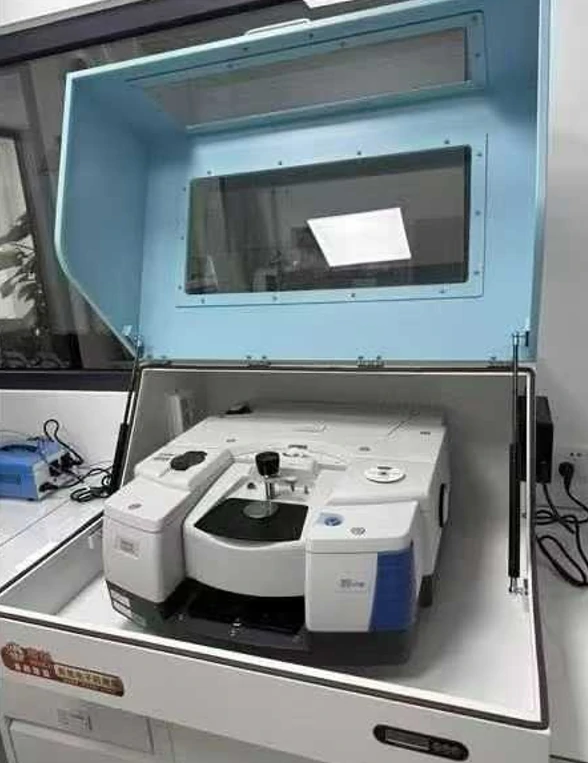
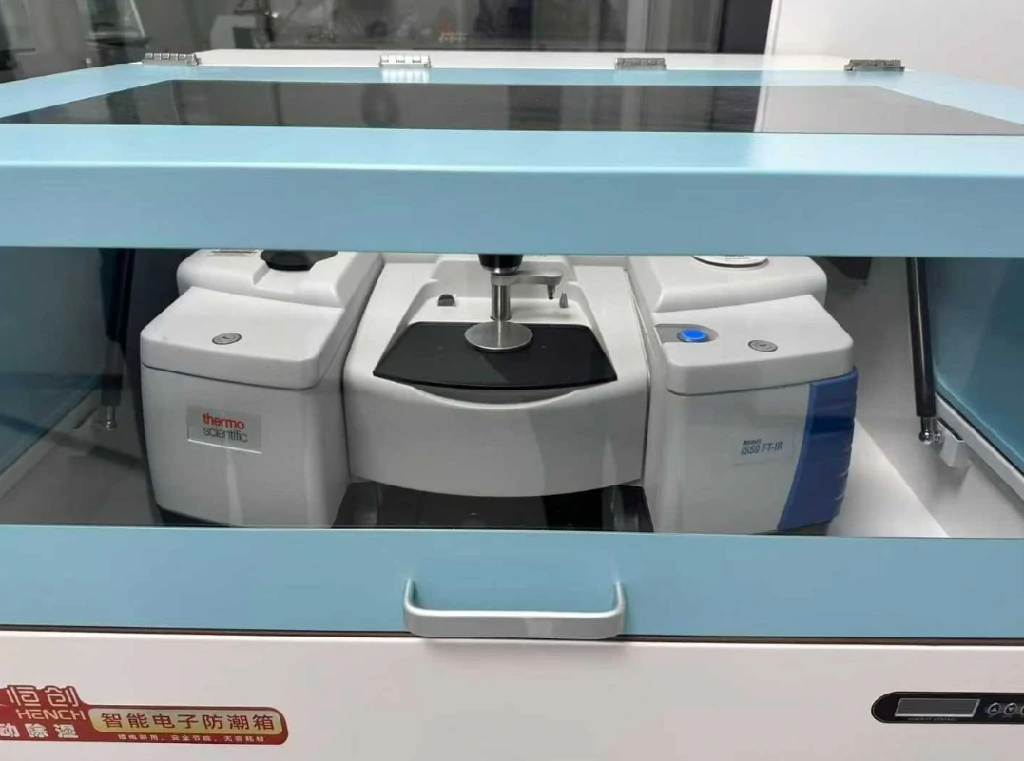
Hench社は、お客様の沿岸部の実験室環境に合わせてカスタマイズしたMRD-300Plus赤外線デシケーター(Thermo IS50と互換性あり)を提供しました。製品の主な特徴は以下の通りです:
- 密閉デザイン:輸入シリコン・ガスケットによるガス密閉構造で、強力な酸化防止と優れた内部密閉性を実現。
- 保護回路:隠れた配線と保護PCBボードが、繊細な電子機器を保護します。
- 堅牢な構造:キャビネット本体は1.5mm厚の圧延スチール製で、5mm厚の補強耐荷重ベースには帯電防止・難燃スプレーを塗布。内部の接合部は硬化接着剤でシールされ、最適な気密性を確保。
- 高度な除湿:高容量吸収分子層とマイコン制御のスマート湿度感知モジュール。湿度が設定した閾値を超えると自動で除湿を開始し、消耗品を使用せず、長期間の信頼性を確保します。
- 停電保護:停電時、化学吸収剤が防湿を維持し、24時間以内の湿度上昇を10%以下に抑える。
ヶ月後の結果
- 楽器性能:FTIR光学部品は腐食や湿気のない状態を維持。感度は新品に近いレベルに戻り、低濃度の検出精度は95%を上回った。
- 研究開発効率:ポリマー粉末の乾燥状態を維持し、スムーズな錠剤形成を保証。赤外線検査が正確になり、製剤の調整サイクルが15日から7日に短縮され、研究開発の進捗が加速しました。
- 環境適応:デシケーターは、台風や大雨の中でも安定した湿度を保ち、塩分による腐食を防いだ。サンプルや付属品は安全に保管された。
- コスト管理:破損したサンプルの交換や装置のメンテナンスが減り、月々約3,000円の節約となり、装置の維持費が70%削減されました。
お客様の声
"私たちの沿岸の研究所では、FTIR機器やポリマーサンプルに影響を及ぼす高湿度に苦労していました。ヘンチのカスタマイズされた耐腐食性赤外線デシケーターは、私たちのニーズに完璧に応えてくれました。このスマートな除湿システムは非常に実用的で、データ精度も高く、操作も便利です。湿気の問題を完全に解決し、研究開発業務に信頼できる保護を提供してくれました。"
提供されるコア・バリュー
- 精密機器保護:FTIRと錠剤プレスの精度を維持し、装置の寿命を延ばす。
- サンプルの完全性保証:水分による試料の凝集、劣化、付属品の腐食を防ぐ。
- 過酷な環境への適応:安定した結露のない湿度コントロールは、沿岸部、高塩分、雨の多い環境に適しています。
- 経営効率:スマート制御は、手作業を減らし、研究開発サイクルを加速し、全体的な運用コストを削減します。
このHenchのソリューションは、信頼性の高い防湿を保証し、研究室の効率を高め、沿岸の厳しい条件下での重要な研究開発活動を保護します。
詳細情報またはカスタマイズされた赤外線デシケーター・ソリューションのご依頼はこちら、 ヘンチに連絡する.



ラボ用錠剤機と赤外分光計のエキスパート。長年にわたる科学研究の深い専門知識をもとに、業界のペインポイントに対する深い洞察力を持ち、お客様の複雑なニーズに合わせた正確で非常に効果的なカスタマイズソリューションを提供することができます。