• ホーム
  • 専門家による比較:熱間等方圧プレスと冷間等方圧プレスの違いの5つのポイント

専門家による比較:熱間等方圧プレスと冷間等方圧プレスの違いの5つのポイント

11月 19, 2025
要旨

Isostatic pressing is a materials processing technique that subjects a component to uniform pressure from all directions to achieve densification and the removal of porosity. This analysis examines the fundamental difference between hot and cold isostatic pressing (HIP and CIP), two distinct modalities of this technology. Cold isostatic pressing operates at or near ambient temperature, utilizing a liquid medium to compact powder into a preliminary "green" shape with sufficient handling strength for subsequent processing, such as sintering. Its primary mechanism is mechanical particle rearrangement and interlocking. In contrast, hot isostatic pressing employs an inert gas at high pressures and elevated temperatures, often exceeding 1000°C. This combination of heat and pressure facilitates densification through mechanisms like plastic deformation, creep, and solid-state diffusion, capable of healing internal defects and achieving nearly 100% theoretical density in final components. The choice between these methods hinges on the desired final material properties, microstructural requirements, production economics, and the specific application, ranging from pre-forming ceramics to fabricating mission-critical aerospace components.

要点

  • Cold Isostatic Pressing (CIP) uses liquid pressure at room temperature for initial powder compaction.
  • Hot Isostatic Pressing (HIP) uses gas pressure at high temperatures for full densification.
  • CIP creates a "green" part needing further heat treatment; HIP produces a finished, dense part.
  • The essential difference between hot and cold isostatic pressing lies in the use of temperature to activate atomic diffusion.
  • HIP achieves superior mechanical properties by eliminating nearly all internal porosity.
  • CIP is a cost-effective method for producing complex shapes prior to sintering.
  • Your choice depends on balancing final performance requirements with production costs.

目次

A Foundational Look at Isostatic Pressure

Before we can meaningfully explore the nuanced divergence between the "hot" and "cold" variants of isostatic pressing, we must first establish a shared understanding of the foundational principle that unites them. At its heart, isostatic pressing is a profound application of a physical law articulated by the French mathematician and physicist Blaise Pascal in the 17th century. Pascal's principle states that a pressure change at any point in a confined, incompressible fluid is transmitted equally and undiminished to every portion of the fluid and the walls of the containing vessel.

Imagine you have a sealed container filled with water, like a very strong balloon. If you were to push on one point of that balloon, the pressure you apply isn't just felt directly under your finger. Instead, that pressure radiates outwards, pressing with equal force on every single point of the balloon's inner surface. This is the essence of isostatic—or "uniform pressure"—conditions.

Why is this so valuable in the world of materials science and engineering? Many conventional manufacturing processes are directional. Think of a blacksmith's hammer striking a piece of hot iron, or the force exerted by a simple uniaxial press. The force is applied along a single axis. This can be effective, but it often leads to non-uniformities in the material. The part might be denser in one direction than another, leading to anisotropic properties, where its strength depends on the direction in which it is tested. Internal stresses can be baked into the component, creating potential failure points.

Isostatic pressing elegantly sidesteps this problem. By submerging a component—often a powder sealed in a flexible mold—in a fluid and then pressurizing that fluid, the compressive force acts on the component's entire surface simultaneously and with equal magnitude. The result is a far more uniform compaction. There are no shear forces, no directional preference, and a significantly lower chance of introducing internal stresses or cracks. This uniformity is paramount when creating high-performance materials where even microscopic inconsistencies can lead to catastrophic failure. It is the pursuit of this perfect, uniform densification that gives rise to the two major families of the technology, and understanding the difference between hot and cold isostatic pressing is the first step toward mastering modern materials processing.

The First Distinction: Temperature's Role and the Core Densification Mechanism

The most elemental and defining difference between hot and cold isostatic pressing is, as the names suggest, the role of temperature. This is not merely a minor process variable; the introduction of thermal energy fundamentally transforms the physical mechanism by which the material becomes denser. One process is predominantly mechanical, while the other is a complex dance of thermal and mechanical forces at the atomic level.

Cold Isostatic Pressing (CIP): Compaction Through Mechanical Force

Let us first consider cold isostatic pressing, or CIP. The term "cold" is relative; it simply means the process occurs at or near ambient room temperature. The primary objective of CIP is not to create a fully dense, finished part, but rather to compact a loose powder into a cohesive, handleable object known as a "green body."

Imagine you are holding a handful of fine sand. The individual grains are separate, and the pile has a very low density because of the vast amount of air-filled space between the particles. Now, if you could somehow squeeze that sand from all directions at once with immense force, the grains would be forced closer together. They would slide past one another, rearrange themselves to fill the voids, and eventually lock into place due to friction and mechanical interlocking. The resulting lump of sand would be much denser and could hold its shape.

This is precisely what happens during CIP. A powder, typically a ceramic or metal, is first sealed within a flexible, elastomeric mold (think of it as a highly engineered rubber bag). This sealed mold is then placed inside a pressure vessel filled with a liquid, usually water or a water-oil emulsion. A powerful pump then increases the pressure of this liquid, sometimes up to hundreds of megapascals (MPa), equivalent to several thousand times atmospheric pressure. Following Pascal's principle, this immense pressure is transmitted through the liquid and acts uniformly on the entire surface of the flexible mold, compressing the powder within.

The particles are forced into a more tightly packed arrangement, dramatically increasing the density of the compact. The resulting green body has no true metallurgical bonds between particles, but it possesses enough "green strength" to be carefully handled, removed from the mold, and moved to the next manufacturing step, which is almost always a high-temperature sintering operation. CIP is the preparatory act; it sets the stage for the main event of thermal consolidation.

Hot Isostatic Pressing (HIP): Densification Through Atomic Mobility

Hot isostatic pressing, or HIP, is an entirely different endeavor. Here, temperature is not an incidental condition but the principal agent of change, working in concert with pressure. The goal of HIP is not to create an intermediate green body, but to produce a fully dense, finished component with a microstructure free of voids.

Let us return to our sand analogy. With CIP, we squeezed the sand into a dense block. With HIP, imagine we are not only squeezing that block but also heating it until the sand grains themselves become soft and sticky, almost beginning to melt at their surfaces. Under immense pressure, these softened grains would not just rearrange; they would deform, flow into the remaining microscopic gaps, and fuse together, creating a single, solid, void-free piece of glass.

This is a simplified but useful way to conceptualize the HIP process. A component—which could be a powder in a metal canister, a pre-sintered part from a CIP process, or even a metal casting with internal porosity—is placed inside a special pressure vessel that is also a sophisticated furnace. The vessel is sealed, and an inert gas, almost always argon, is pumped in to create extreme pressure. Simultaneously, powerful heating elements raise the internal temperature to a significant fraction of the material's melting point, often well over 1000°C or 2000°C for advanced ceramics and refractory metals.

At these extreme temperatures, the atoms within the material gain significant thermal energy and become mobile. Aided by the external gas pressure, several densification mechanisms are activated:

  • Plastic Deformation: At the points of contact between particles, the stress is incredibly high. The material yields and plastically flows to fill adjacent voids.
  • Creep: Over time, the material slowly deforms and flows under the constant stress and high temperature, further closing pores.
  • 拡散: This is perhaps the most important mechanism for achieving the final 100% density. Atoms migrate from areas of high stress (the particle surfaces) to areas of low stress (the voids). This is a process of solid-state diffusion, where atoms literally move through the crystal lattice to annihilate the pores from the inside out.

The result is a material with virtually no internal porosity, leading to dramatically improved mechanical properties.

A Tale of Two Mechanisms: Mechanical Interlocking vs. Atomic Diffusion

The core of the difference between hot and cold isostatic pressing rests in this distinction of mechanism. CIP is a brute-force mechanical process. It relies on external pressure to overcome inter-particle friction and rearrange particles into a denser configuration. The bonds are weak and physical. HIP is a thermally-activated thermodynamic process. It uses temperature to give atoms the energy they need to move, and it uses pressure to provide the driving force directing that movement toward the elimination of voids. The bonds it creates are true metallurgical or ceramic bonds, identical to those in the bulk material.

Understanding this fundamental divergence is the key to selecting the right process. If the goal is simply to form a complex powder shape for later processing, the mechanical rearrangement of CIP is sufficient and cost-effective. If the goal is to achieve the highest possible material performance by eliminating strength-limiting defects, the atomic-level healing power of HIP is required.

The Second Distinction: Process Equipment and Operational Complexity

The profound difference in the underlying physical mechanisms of CIP and HIP naturally gives rise to a vast difference in the complexity, cost, and engineering of the equipment required to perform them. One system is a relatively straightforward application of high-pressure hydraulics, while the other is a sophisticated marriage of extreme pressure containment and high-temperature furnace technology, pushing the boundaries of material science in its very construction.

The Relative Simplicity of Cold Isostatic Pressing Systems

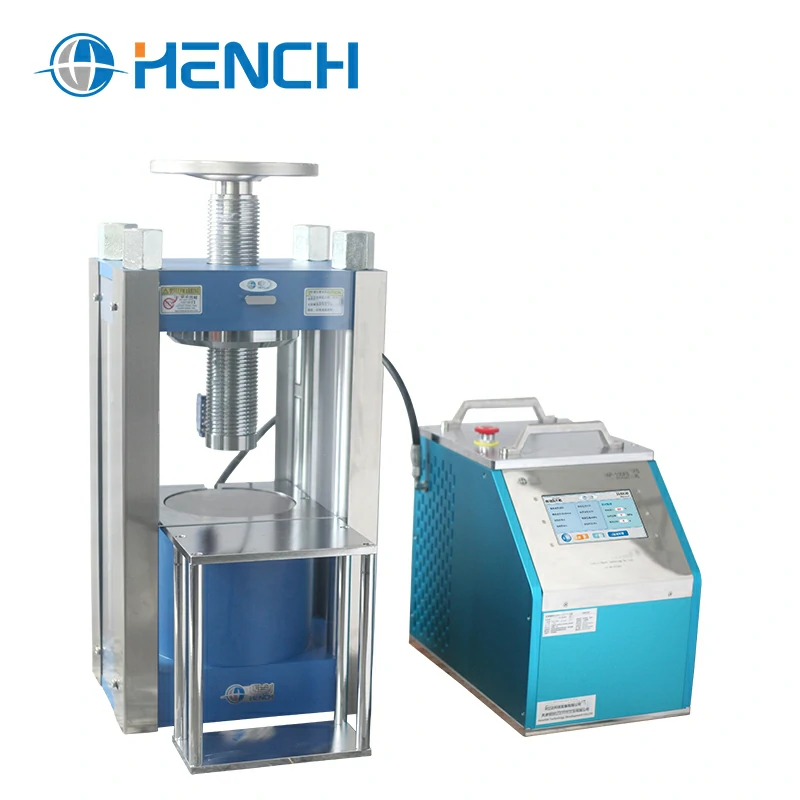
A cold isostatic press is, in essence, a high-pressure fluid system. The key components include:

  1. A Pressure Vessel: This is a thick-walled cylinder, typically made of high-strength steel, designed to safely contain the high pressures involved. It features a removable end closure to allow for loading and unloading of parts.
  2. A High-Pressure Pump: This is the heart of the system, responsible for generating the required fluid pressure. These are often intensifier pumps that can reach pressures from 60 MPa (around 9,000 psi) for some ceramics to over 600 MPa (around 90,000 psi) for high-performance metal powders.
  3. The Tooling: This consists of the flexible, elastomeric molds that contain the powder. The design of this mold is what defines the final shape of the green part.
  4. Control System: A system to manage the pressurization rate, hold time, and depressurization rate, which are important parameters for preventing cracking in the green compact.

There are two main configurations for CIP:

  • Wet-Bag CIP: In this method, the flexible mold is filled with powder, sealed, and then physically immersed in the pressure fluid within the vessel. It is "wet" because the outside of the mold comes into direct contact with the fluid. This method is highly versatile, allowing for a wide variety of part sizes and shapes to be processed, but it is more labor-intensive due to the need to handle the wet mold after each cycle.
  • Dry-Bag CIP: In this more automated setup, the flexible mold is integrated into the pressure vessel itself. The powder is loaded into the mold, the vessel is sealed, and pressure is applied to the fluid surrounding the outside of the fixed mold. The part is then ejected "dry." This method is much faster and better suited for high-volume production of standardized shapes.

Even with these variations, the overall technology is mature and the engineering challenges, while significant, are well-understood. The primary focus is on managing high-pressure fluid safely.

The Engineering Marvel of a Hot Isostatic Pressing Unit

A hot isostatic press is an order of magnitude more complex. It must simultaneously contain extreme pressures and extreme temperatures. This dual requirement creates a formidable engineering challenge. The main components of a HIP system are:

  1. 圧力容器: Like a CIP vessel, this is a heavy-walled steel structure. However, it must be designed to maintain its strength not at room temperature, but at the elevated temperatures of the process, even with internal insulation. This often involves sophisticated designs with wire-wound frames or multiple layers to manage the immense stresses.
  2. 炉: Located inside the pressure vessel, the furnace is responsible for generating the heat. It consists of high-temperature heating elements (often made of graphite or molybdenum for very high temperatures) and a multi-layered insulation package to protect the pressure vessel walls from the intense heat. Designing a furnace that can operate reliably under thousands of atmospheres of pressure is exceptionally difficult.
  3. The Gas System: HIP uses an inert gas, typically argon, as the pressure medium. A liquid is unusable at these temperatures. The system requires compressors to achieve the high pressures, storage tanks for the argon, and a complex network of valves and pipes to manage the gas flow safely.
  4. The Cooling System: After the high-temperature hold, the component and the entire internal structure of the furnace must be cooled in a controlled manner. This often involves heat exchangers integrated into the system to cool the argon gas and circulate it through the furnace, removing heat at a programmed rate.
  5. Advanced Control and Safety Systems: Given the immense stored energy (both pressure and thermal), HIP systems require incredibly sophisticated control systems to manage the interplay of pressure and temperature profiles, along with multiple layers of safety interlocks to prevent catastrophic failure.

This complexity makes HIP units significantly larger, heavier, and more expensive than CIP units of a similar working volume. The cycle times are also much longer, often lasting many hours or even a full day to allow for controlled heating, soaking at temperature, and controlled cooling.

Comparative Table of Process Parameters

To crystallize the difference between hot and cold isostatic pressing in terms of their operational worlds, a direct comparison is illuminating.

パラメータ 冷間静水圧プレス(CIP) 熱間静水圧プレス(HIP)
温度 Ambient (~20-90°C) High to Very High (900°C – 2,200°C+)
圧力 High to Very High (60 – 600 MPa) High (100 – 200 MPa)
圧力媒体 Liquid (Water, Oil) Inert Gas (Argon, Nitrogen)
Mechanism Mechanical Particle Rearrangement Atomic Diffusion, Creep, Plastic Flow
サイクルタイム Short (Minutes) Long (Hours to >24 hours)
Product State "Green" Body (Porous, Pre-Sinter) Fully Dense Part (Net or Near-Net Shape)
設備費 Moderate Very High
Tooling Reusable Elastomeric Molds Single-Use or Reusable Metal Canisters

This table makes it clear that while both processes use the "isostatic" principle, they operate in entirely different regimes of temperature, time, and complexity. The choice is not between two similar tools, but between two fundamentally different manufacturing philosophies. For tasks like crafting uniform pellets for analysis, a system grounded in the principles of CIP, such as a well-designed [laboratory hydraulic press](https://www.hcftir.com/hydraulic-press-series-category/), provides a robust and efficient solution.

The Third Distinction: Impact on Microstructure and Material Integrity

The consequences of the differing mechanisms and process parameters extend deep into the very fabric of the material being processed. The final microstructure—the arrangement, size, and shape of the grains and pores within a material—is profoundly shaped by whether it undergoes CIP or HIP. This microstructural difference is directly responsible for the vast gulf in mechanical properties and performance between a green body and a fully densified component.

Green Density and Residual Porosity in CIP

When a powder is compacted via cold isostatic pressing, the resulting green body is a testament to mechanical force. The process is remarkably effective at increasing the density from the initial "tap density" of the loose powder (perhaps 40-50% of the theoretical maximum) to a green density that can reach 80-95% of theoretical. However, it is almost impossible for CIP alone to achieve full density.

Why is this? As the particles are pressed closer together, the frictional forces between them increase dramatically. The particles lock up, forming a rigid skeleton. At this point, even with enormous external pressure, it becomes mechanically impossible to force the particles to rearrange further to eliminate the final, isolated pockets of air trapped between them. These remaining voids are known as residual porosity.

This porosity has a dramatic effect on the material's properties. The green body is chalky and brittle. Its strength is derived solely from the weak mechanical interlocking of the particles. While it is strong enough to be handled, it has none of the toughness, ductility, or strength of the solid material. Think of it like a tightly packed sandcastle; it holds its shape, but a small impact can cause it to crumble. This residual porosity is not a flaw of the CIP process; it is an inherent characteristic. The purpose of CIP is to create a uniformly porous preform, which is an ideal starting point for the subsequent sintering stage where thermal energy will be used to eliminate this porosity.

Achieving Full Density and Superior Homogeneity with HIP

Hot isostatic pressing, on the other hand, is specifically designed to attack and eliminate this residual porosity. Whether it is applied to a powder encapsulated in a can or, more commonly, to a component that has already been cast or sintered and contains small internal voids, the combination of heat and pressure is a powerful healing tool.

As the temperature rises, the material's yield strength plummets, and atoms become mobile. The external gas pressure, which was insufficient to crush the rigid particle skeleton at room temperature, is now more than enough to cause the hot, soft material to collapse inward, closing the pores. The final traces of porosity are then removed by the slower but more thorough mechanism of solid-state diffusion, where individual atoms migrate to fill the vacancies.

The result is a component that can be greater than 99.9% of its theoretical maximum density. This near-total elimination of internal voids has a transformative effect on mechanical properties:

  • Strength and Ductility: Pores act as stress concentrators. Under a load, the stress at the edge of a microscopic pore can be many times higher than the average stress in the material. These points become the initiation sites for cracks. By eliminating pores, HIP removes these internal stress risers, dramatically increasing both the ultimate strength and the ability of the material to deform before fracturing (ductility).
  • 疲労寿命: For components subjected to cyclic loading (like an aircraft engine turbine disk), fatigue failure is a primary concern. Cracks initiate at defects and grow with each load cycle. By healing internal defects like casting porosity, HIP can increase the fatigue life of a component by a factor of ten or more.
  • Consistency: The properties of materials with internal porosity can be highly variable. One part might have a large, critical flaw while another does not. HIP processing homogenizes the material, healing these random defects and leading to highly reliable and predictable "minimum guaranteed properties," which is a necessity for designers of critical systems.

Grain Growth: A Critical Consideration in HIP

While the high temperatures of HIP are essential for densification, they also introduce a potential complication: grain growth. Most engineering materials are polycrystalline, meaning they are composed of many tiny, individual crystals or "grains." The boundaries between these grains play a crucial role in determining the material's strength. In general, for many materials at room temperature, smaller grains lead to higher strength (a relationship described by the Hall-Petch equation).

The high temperatures used in HIP provide the thermal energy for these grains to grow larger, as larger grains are thermodynamically more stable. This is a trade-off that must be carefully managed. The goal of a successful HIP cycle is to find the "sweet spot"—a combination of temperature, pressure, and time that is sufficient to close all porosity but short enough to prevent excessive grain growth that could compromise the final properties. This highlights a subtle aspect of the difference between hot and cold isostatic pressing; CIP has virtually no effect on the initial particle size, while HIP fundamentally alters the grain structure of the material, a change that must be precisely controlled. Modern HIP cycles are often computer-modeled to optimize this delicate balance between pore annihilation and grain size control.

The Fourth Distinction: A World of Applications and Material Suitability

The profound differences in mechanism, equipment, and resulting microstructure dictate that CIP and HIP serve vastly different, though sometimes complementary, roles in manufacturing. They are suited for different materials and are deployed at different stages of the production chain to solve distinct engineering problems. To truly grasp the difference between hot and cold isostatic pressing is to understand where each technology finds its purpose.

Where Cold Isostatic Pressing Shines: Pre-forming and Sample Preparation

Cold isostatic pressing is the workhorse of powder consolidation. Its ability to produce large, complex shapes with uniform green density makes it an indispensable intermediate step in many manufacturing processes, particularly in the realm of advanced ceramics and powder metallurgy.

  • Advanced Ceramics: Materials like alumina, zirconia, and silicon nitride are hard and brittle, making them difficult to machine from a solid block. CIP provides an elegant solution. The ceramic powder is pressed into a near-net shape green body, which is soft enough to be easily machined (a process called "green machining"). This allows for the creation of intricate features before the part is sintered to its final hardness. Applications include ceramic insulators for the power industry, wear-resistant components, and biomedical implants like femoral heads for hip replacements.
  • Powder Metallurgy (P/M): In P/M, CIP is used to create large pre-forms, or billets, from metal powders. These billets are then sintered and subsequently forged or extruded into their final shape. This route allows for the creation of alloys and composites that are difficult or impossible to produce via traditional melt-and-cast methods.
  • Sputtering Targets: In the electronics industry, thin films are deposited using a process called sputtering. This requires large, dense, high-purity plates of material called sputtering targets. CIP is the standard method for pressing the powder into a target pre-form, which is then sintered and bonded to a backing plate.
  • Laboratory Sample Preparation: In analytical chemistry and materials science, preparing a solid sample from a powder for techniques like Fourier Transform Infrared (FTIR) spectroscopy can be challenging. CIP, often performed using small, [advanced sample preparation tools](https://www.hcftir.com/hydraulic-press-series-category/), is an ideal method. It can compact a material like potassium bromide (KBr) mixed with an analyte into a uniform, transparent pellet, ensuring high-quality spectral data. The uniform density achieved by isostatic pressure minimizes light scattering and produces clear, reproducible results.

The Realm of Hot Isostatic Pressing: Critical Components and Defect Healing

Hot isostatic pressing is a high-performance, high-cost process reserved for applications where material integrity is paramount and failure is not an option. It is used both as a primary manufacturing method and as a therapeutic post-processing step.

  • Healing Castings: Many critical components in aerospace and industrial gas turbines are made from superalloys via investment casting. This process can leave behind microscopic internal voids (microporosity) from shrinkage during solidification. These pores are potent fatigue life limiters. HIP is used as a standard procedure to "heal" these castings. The high heat and pressure collapse the voids, effectively making the casting as sound as a forged part and dramatically extending its service life.
  • Densification of P/M and MIM Parts: For high-performance powder metallurgy parts or metal injection molded (MIM) components, a final sintering step may still leave a small amount of residual porosity. For applications requiring maximum performance, such as automotive engine components or surgical tools, a post-sinter HIP cycle is used to eliminate this final porosity and boost mechanical properties.
  • Net-Shape HIP of Powders: For extremely advanced or difficult-to-machine materials, parts can be made to their final (or "net") shape directly from powder. The powder is sealed in a precisely shaped metal canister that acts as the pressure-transmitting membrane. The entire assembly is HIPed, and the canister is later removed by pickling or machining. This is used to create components from materials like titanium aluminides or nickel-based superalloys for advanced jet engines.
  • Diffusion Bonding: HIP can be used to join dissimilar materials together without melting. By placing two clean, flat surfaces in contact and applying heat and pressure, atoms can diffuse across the interface, creating a solid-state bond that is as strong as the parent materials. This is used to clad corrosion-resistant alloys onto stronger base metals or to create complex, multi-material components.

Application Comparison Table

A side-by-side view of the industrial landscape for each process underscores their distinct roles.

Industry Typical Cold Isostatic Pressing (CIP) Applications Typical Hot Isostatic Pressing (HIP) Applications
Aerospace Pre-forming of ceramic matrix composite (CMC) components. Healing of superalloy turbine blade castings; Net-shape P/M engine disks; Diffusion bonding of structures.
Medical Forming of zirconia ceramic dental blanks; Green machining of implant pre-forms. Densification of cast titanium and Co-Cr alloy joint implants (hips, knees) to improve fatigue life.
Automotive Mass production of P/M green parts for gears and structural components. Densification of high-performance MIM engine components (e.g., valve lifters, connecting rods).
Energy Forming large ceramic insulators for high-voltage applications. Healing defects in large cast valve bodies for oil & gas; Fabrication of components for nuclear applications.
Electronics Pressing of ferrite powders for magnets; Forming of sputtering targets for semiconductor manufacturing. Densification of materials for high-performance sensors and actuators.
Tooling Pre-forming of tungsten carbide powder for cutting tools and wear parts before sintering. HIPing of high-speed steel and carbide tools to eliminate porosity and increase toughness and tool life.

This table clearly illustrates that CIP is often a beginning or intermediate step focused on shape-making, while HIP is typically a final or near-final step focused on perfecting the material's internal structure for the most demanding environments.

The Fifth Distinction: Production Economics and Workflow Integration

Beyond the technical and microstructural considerations, a crucial part of understanding the difference between hot and cold isostatic pressing involves examining their economic implications and how they fit into a broader manufacturing workflow. The choice between them is often a pragmatic decision balancing cost, throughput, and the value added to the final product. They represent two different economic models: one geared towards volume and efficiency, the other towards ultimate performance and value.

Cost-Effectiveness and Throughput of CIP

Cold isostatic pressing is, by comparison, a relatively fast and economical process. The capital investment for a CIP system is significantly lower than for a HIP system of comparable size. The operational costs are also lower; the process uses water or oil instead of expensive, high-purity argon gas, and it consumes far less energy as there is no heating involved.

Cycle times are short, typically measured in minutes. For a wet-bag process, the cycle might involve a few minutes for loading, a few minutes of pressurization and holding, and a few minutes for unloading and drying. For a dry-bag system, which is designed for automation, the cycle time per part can be reduced to well under a minute. This high throughput makes CIP an economically viable method for the mass production of parts where it serves as a value-added shaping step.

For example, in the production of spark plug insulators, millions of which are made every year, dry-bag CIP is used to rapidly press the alumina powder into the basic insulator shape before it moves down the line for firing. The cost per part for the CIP step is very low, yet it is essential for achieving the uniform density needed for a successful firing process. The economic logic of CIP is to efficiently prepare a high volume of consistent pre-forms for the more time-consuming and energy-intensive sintering step.

HIP as a Value-Adding, High-Cost Process

Hot isostatic pressing occupies the opposite end of the economic spectrum. The capital cost for a HIP unit is substantial, often running into millions of dollars. The operational costs are also high due to the consumption of large amounts of energy to heat the massive furnace and vessel, the cost of high-purity argon gas (which is partially recycled but with some loss), and the long cycle times that tie up this expensive equipment.

A typical HIP cycle can last from 6 to over 24 hours, depending on the material, part size, and required thermal profile. This includes the time to heat up, soak at the target temperature and pressure, and, critically, cool down in a controlled manner to avoid thermal shock or undesirable phase transformations. During this entire period, the multi-million dollar asset is dedicated to a single batch of parts.

Consequently, HIP is only economically justifiable in two scenarios:

  1. When it enables the creation of a component that cannot be made any other way. For example, net-shape HIPed components from advanced powder alloys for next-generation jet engines. The performance gains are so significant that they justify the high manufacturing cost.
  2. When it adds value to a component far exceeding the cost of the process. The classic example is the healing of aerospace castings. A raw investment casting for a turbine disk might be worth thousands of dollars. However, it may have a fatigue life that is too low or too variable for its intended use. By spending a fraction of the part's cost on a HIP cycle, the manufacturer can increase its fatigue life by an order of magnitude and guarantee its performance. The HIP process acts as an insurance policy, transforming a good part into a flight-worthy, reliable one, thereby adding immense value.

The Synergistic Relationship: CIP, Sinter, and HIP

It is a mistake to always view these two processes as competitors. In many advanced manufacturing workflows, they are partners in a sequential, synergistic relationship. This multi-step approach is particularly common in the production of the highest-performance ceramics and powder metallurgy components.

Consider the manufacturing route for a high-performance ceramic component:

  1. CIP: The journey begins with cold isostatic pressing. The ceramic powder is pressed into a complex green body. This step leverages CIP's strength in creating uniform, near-net shapes economically.
  2. Green Machining: The green body is soft enough to be easily machined, allowing for the creation of fine details like threads or channels that would be impossible to press directly.
  3. Sintering: The machined green body is then placed in a furnace and sintered. During sintering, the temperature is raised to a point where the particles begin to bond and the part shrinks, gaining significant density and strength. However, conventional sintering often leaves behind a small amount of isolated, residual porosity (perhaps 1-2%).
  4. HIP: To achieve the absolute maximum performance, this sintered part is then subjected to a hot isostatic pressing cycle. The combination of heat and external pressure is able to collapse these final residual pores, bringing the part to nearly 100% theoretical density. This final HIP step is what elevates the component from a standard ceramic to a high-performance one suitable for the most demanding applications.

In this workflow, each process plays to its strengths: CIP for shaping, sintering for primary densification, and HIP for final perfection. This integrated approach demonstrates the most sophisticated understanding of the difference between hot and cold isostatic pressing—not as an "either/or" choice, but as a toolkit where each process is applied at the appropriate stage to achieve a result that would be impossible with any single method alone.

よくある質問

What is the "green body" produced by Cold Isostatic Pressing (CIP)?

A green body, or green compact, is the object formed after a powder has been compacted, typically at room temperature by a process like CIP. It is called "green" because it is in an unfired, intermediate state. The particles are held together by mechanical interlocking and friction, not by true metallurgical or chemical bonds. This gives it enough strength to be handled (known as "green strength"), but it is often chalk-like and brittle. It contains significant porosity and must undergo a subsequent high-temperature process, like sintering, to develop its final density and strength.

Is Hot Isostatic Pressing (HIP) always a better choice than CIP?

No, not at all. They are tools for different jobs. HIP is "better" only if the goal is to achieve maximum density and heal internal defects in a final part, and the application's performance requirements justify its very high cost. CIP is the superior choice for economically producing complex shapes from powder that will be further processed later. For many applications, like standard ceramics or P/M parts, a CIP-and-sinter route provides perfectly adequate properties at a fraction of the cost of HIP. The best choice depends entirely on the balance of performance, cost, and material.

How does isostatic pressing aid in FTIR sample preparation?

For transmission Fourier Transform Infrared (FTIR) analysis of solid powders, the sample is often mixed with a transparent matrix material, most commonly potassium bromide (KBr). To get a good spectrum, this mixture must be pressed into a thin, uniform, and transparent pellet. If the pressure is uneven (as in a simple uniaxial press), it can lead to density gradients and cracks in the pellet. These imperfections scatter the infrared light, causing sloping baselines and poor signal quality. Isostatic pressing, even on a small laboratory scale, applies uniform pressure, resulting in a highly uniform, clear KBr pellet. This minimizes scattering and produces clean, high-quality spectra, making the analysis more accurate and reliable.

What is the primary difference between "wet bag" and "dry bag" CIP?

The difference lies in how the powder-filled mold interacts with the pressure fluid. In wet-bag CIP, the flexible mold is sealed and then fully submerged in the fluid inside the pressure vessel. After pressing, the "wet" mold is removed. This method is very versatile for different shapes and sizes and for R&D. In dry-bag CIP, the elastomeric mold is a permanent part of the press. The powder is loaded into the mold, and the pressure fluid is contained in a separate chamber surrounding the mold, so the part is ejected "dry." Dry-bag pressing is much faster, easily automated, and ideal for high-volume production of a single part design.

Why is an inert gas like argon used in HIP instead of just compressed air?

At the extremely high temperatures of the HIP process (often >1000°C), the oxygen in compressed air would be incredibly reactive. It would aggressively oxidize almost any material being processed, especially metals like titanium, superalloys, and steels. This would form a brittle oxide layer on the surface and potentially react with the material internally, destroying its properties. An inert gas, typically argon, is used because it will not chemically react with the component even at the highest temperatures and pressures. This ensures that the densification process occurs without any unwanted and destructive chemical changes to the material.

A Concluding Reflection on Form and Function

The exploration of the difference between hot and cold isostatic pressing is more than a technical comparison; it is a study in how form follows function in the world of materials engineering. Cold isostatic pressing, with its ambient temperature and liquid medium, is a sculptor's tool. Its purpose is form—to efficiently and uniformly shape a mass of disconnected particles into a cohesive, complex pre-form, setting the stage for a later transformation by fire. It is a process of arrangement, a mechanical solution to the problem of shape.

Hot isostatic pressing, conversely, is a tool of perfection. Its domain is the internal world of the material, the unseen landscape of grains and voids. By wedding immense pressure with transformative heat, it moves beyond mere arrangement to instigate a fundamental change at the atomic level. Its purpose is function—to heal, to densify, and to elevate a material to the peak of its potential performance. It is a process of atomic migration, a thermodynamic solution to the problem of integrity. To choose between them is to ask a simple question: is the primary challenge to create the shape, or is it to perfect the substance? The answer guides the engineer to the right tool, ensuring that the final component is not only shaped correctly but is also fit for its ultimate purpose.

参考文献

Atkinson, H. V., & Davies, S. (2000).熱間等方加圧の基本的側面:An overview.Metallurgical and Materials Transactions A, 31(12), 2981-3000. https://doi.org/10.1007/s11661-000-0078-2

Ewsuk, K. G. (2012). Isostatic Pressing. In The American Ceramic Society, Characterization and Control of Interfaces for High Quality Advanced Materials II (pp. 177-186). John Wiley & Sons, Inc.

James, P. J. (1990). The principles of isostatic pressing. In Isostatic Pressing Technology (pp. 1-27). Applied Science Publishers.

Koizumi, M. (Ed.). (1992). Hot isostatic pressing: theory and applications. Springer Netherlands.

Makin, T. (2020, September 21). An introduction to Hot Isostatic Pressing (HIP). TWI Global.

Nus, J., Vicente, A., Giner, E., & Arango, C. (2021). A review on hot isostatic pressing of metallic components: Process, microstructure, and mechanical properties. Metals, 11(9), 1358. https://doi.org/10.3390/met11091358

Quintus Technologies. (n.d.). Cold Isostatic Pressing. Retrieved November 10, 2025, from []()

Richard, C., & Le-Caer, S. (2010). Principles of isostatic pressing. Techniques de l'Ingénieur, Matériaux Pour l'Électronique et Dispositifs Associés, (af6600), 1-10. https://www.tib.eu/en/search/id/sea%3A1046468761/Principles-of-isostatic-pressing


メッセージを残す

×

メッセージを残す