Why Should A Dedicated Moisture-Proof Box Be Chosen for FTIR
November 27, 2025
FTIR is an instrument that analyzes molecular structure and chemical composition by detecting the absorption/transmission characteristics of substances to infrared light.
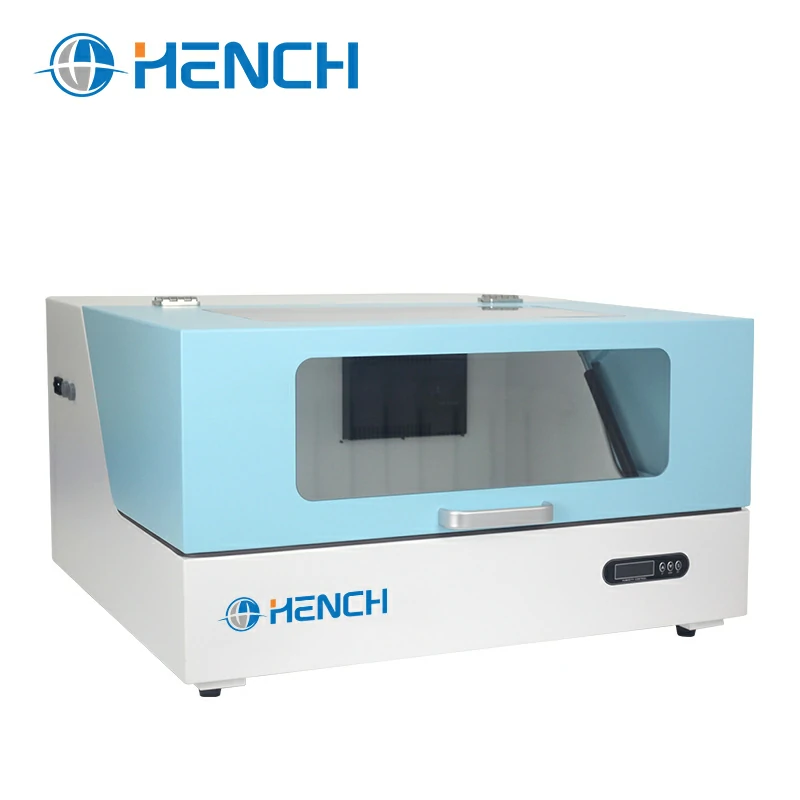
Core purpose:
1. Qualitative analysis: Identify the functional groups and chemical bonds of the substance (such as C-H, O-H), and determine the type of the substance (such as organic, inorganic, polymer).
2. Quantitative analysis: Measure the content of each component in the mixture (such as impurity content, component proportion).
3. Application scenarios: Cover fields such as chemistry, materials, medicine, and environmental protection, for example, detecting plastic components, drug purity, food additives, or analyzing pollutant types.
Simple analogy: It’s like conducting an “infrared fingerprint” test on molecules. Each substance has a unique infrared absorption spectrum, which can quickly “match” and identify the components.
I. Specific Application Cases in Different Fields (Practical Scenarios + Detection Objectives)
1. In the field of chemistry/chemical engineering: Identify the functional groups of organic synthesis products (such as confirming the C=O bond in esters), determine if the reaction is complete; Analyze the purity of solvents (such as the moisture content in ethanol).
2. In the materials field: Identify the types of plastics/rubber (such as differentiating PE and PVC), detect the fiber composition (cotton, proportion of synthetic fibers blend); Analyze the resin type of coatings/adhesives.
3. In the pharmaceutical field: Verify the active ingredients of drugs (such as the characteristic spectrum of aspirin), detect drug impurities (for purity control); Identify the authenticity of medicinal herbs (such as the infrared fingerprint of licorice).
4. In the food field: Detect food additives (such as preservatives, pigments), analyze the degree of oil rancidity; Identify the authenticity of products like honey and milk powder (to avoid adulteration).
5. In the environmental protection field: Qualitative analysis of pollutants in wastewater/gas (such as volatile organic compounds VOCs), detection of heavy metal complexes in soil.
6. In the electronic/semiconductor field: Analyze the composition of chip packaging materials, detect residual pollutants on circuit boards (such as soldering flux).
II. Key Technical Parameters (Core Indicators + Popular Interpretation)
1. Wavenumber range: Commonly 4000 – 400 cm⁻¹ (mid-infrared region), covering the characteristic absorption peaks of the vast majority of organic/inorganic substances. The wider the range, the more types of substances can be detected.
2. Resolution: Usually 0.5 – 4 cm⁻¹. The higher the resolution, the clearer the peak shape, and it can distinguish substances with similar structures (such as isomers).
3. Signal-to-Noise Ratio (S/N): The higher the value, the cleaner the spectrum (less noise), and it is suitable for detecting low-content impurities (such as trace pollutants).
4. Scanning speed: The number of scans per unit time. The faster the speed, the higher the detection efficiency (such as rapid screening of batch samples).
5. Sample cell/attachment: Transmission cell (liquid/gas), attenuated total reflection (ATR, no pre-treatment required for solid/viscous samples), diffuse reflection (powder samples). The more attachments, the wider the applicable scenarios.
Why choose a dedicated moisture-proof box?
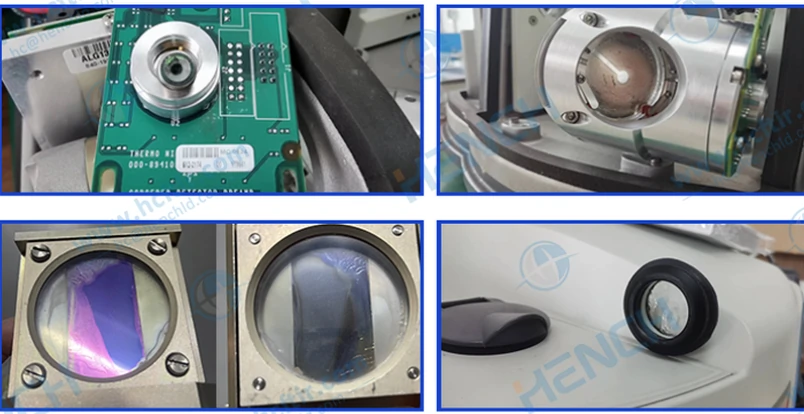
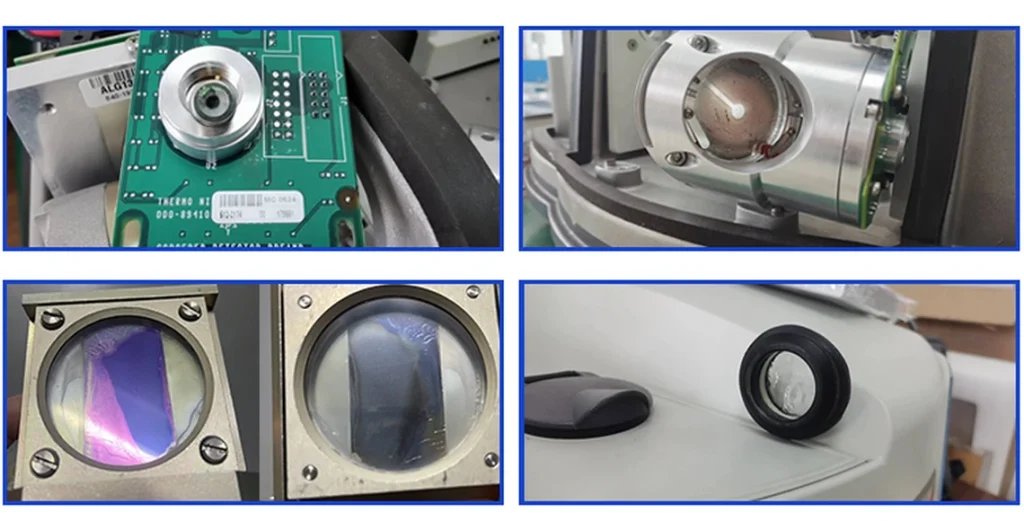
Due to the fact that the beam splitter, detector and sample chamber window in the core components of the Fourier infrared spectrometer are all made of potassium bromide material, as is well known, potassium bromide is the material with the best transmittance in the infrared band. However, it has a fatal drawback, which is that it is extremely prone to absorbing moisture. After absorbing moisture, the surface of the components will fog up and deliquesce. The infrared spectrometer manufacturer will set up double seals inside during the design process. However, as time goes by and with the changes in temperature and humidity throughout the seasons, the sealing strips will age and cracks that are invisible to the naked eye will appear. This leads to the components absorbing moisture and getting damaged, causing the spectrometer to be unable to function properly. See Figure 1 (Interferometer, detector, beam splitter. Once the components get wet, the surface of the components will deliquesce. This part cannot be repaired due to special processing and can only be replaced with new components, with a cost of up to 4,000 – 12,000 US dollars).
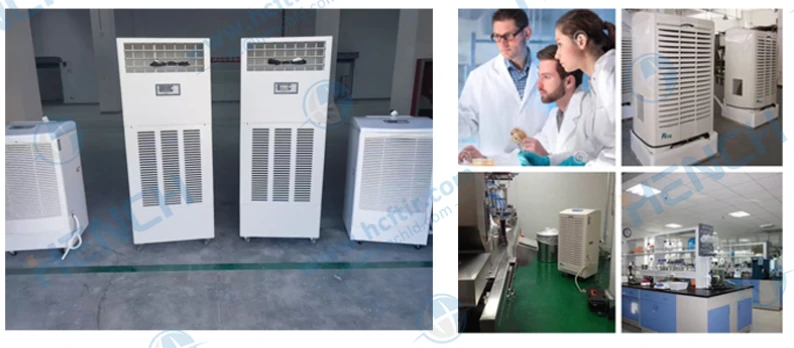
Everyone realized that it was necessary to control the environmental humidity to protect the infrared spectrometers. The first thing that came to mind was to install a dehumidifier. The dehumidifier worked immediately, and within one hour of starting up in an environment with 90% humidity, the water collection box could be filled up. Different power dehumidifier models were configured based on the size of different laboratories. Over a period of time, the dehumidifier became a standard accessory product for each infrared spectrometer manufacturer. However, as time went on, some fatal problems emerged with the dehumidifiers during use.
Firstly, most laboratories turned on the dehumidifiers during working hours in humid seasons and would pour out the water from the dehumidifier’s water collection box and continue to start up after work. But the dehumidifier would stop running when the water level was full, and it basically stopped running around 10 p.m. This was the reason why even with a dehumidifier, infrared spectrometers could still be damaged. 99% of the infrared spectrometers that got damp and damaged occurred during nights when there was no one on duty and the dehumidification equipment was not working. During university holidays and during the COVID-19 pandemic, due to no one being on duty, a large number of infrared spectrometers required warranty repairs. Some customers, in order to continuously reduce the humidity, connected the drainage pipe of the dehumidifier to the window (to avoid the dehumidifier stopping due to full water level). However, the principle of the dehumidifier is that the compressor starts, and this long-term operation not only consumes a lot of electricity but also may cause fire hazards due to aging wiring.
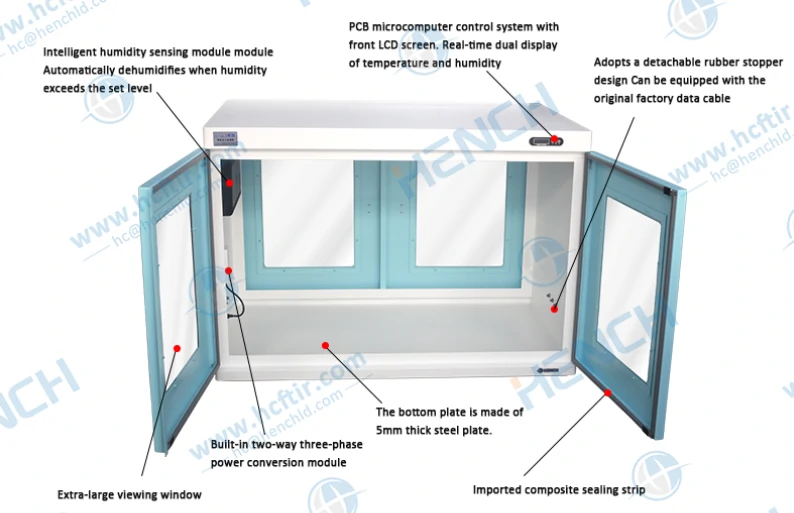
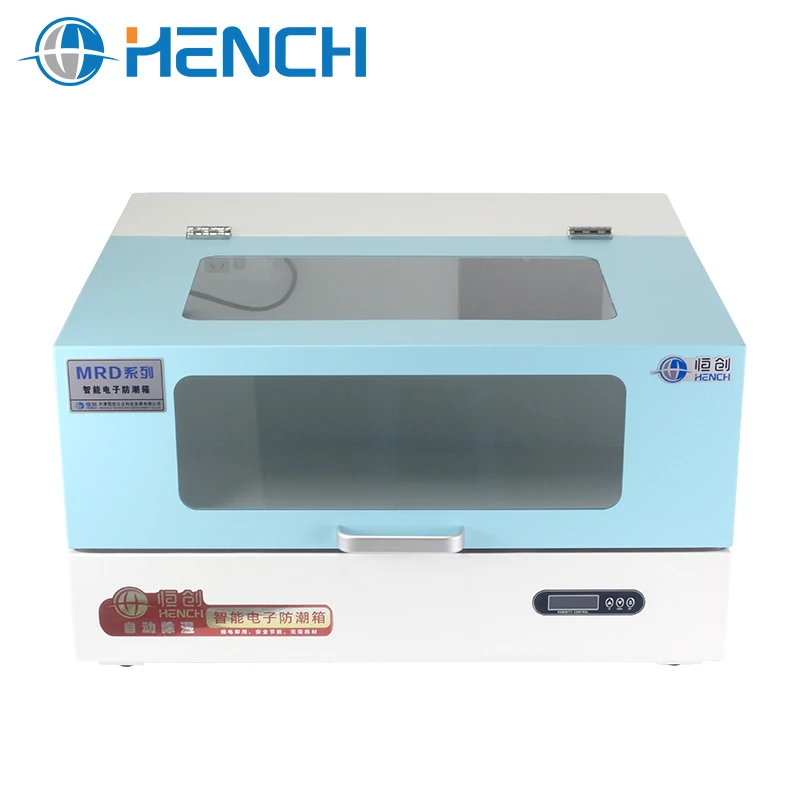
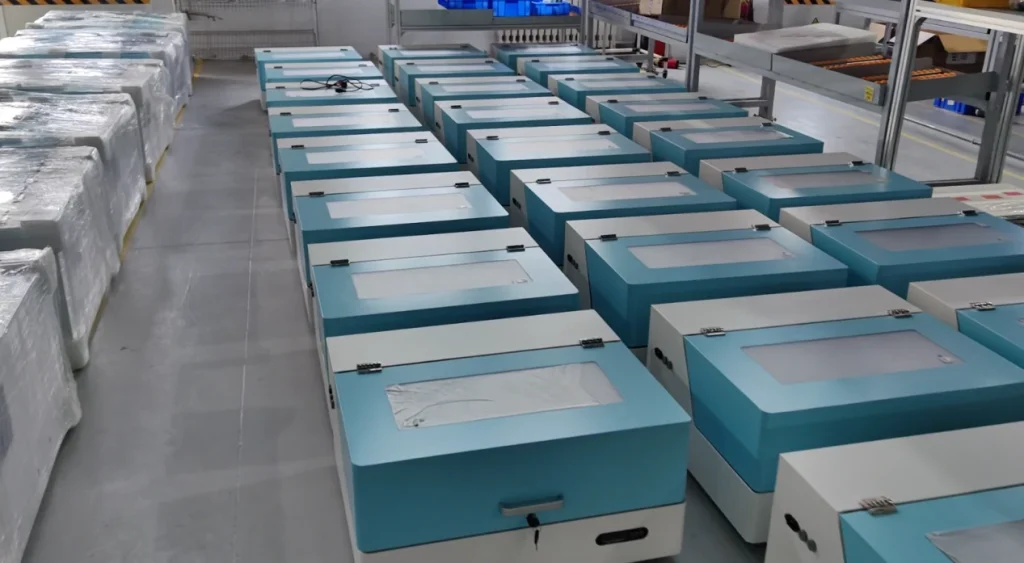
In response to this predicament, our company has developed an infrared spectrometer electronic moisture-proof cabinet. This product features a dedicated dehumidification device, which can effectively protect the interferometer and detector from damage caused by moisture absorption. The moisture-proof box complies with the PC/JEDECJ-STD-033B operation standard (i.e., humidity does not exceed 50RH%). The product can monitor humidity in real time and automatically activate the dehumidification function when the humidity exceeds the set value. It does not require consumables, has low energy consumption, and is currently sold throughout the country and exported to overseas countries and regions, providing protection for all global Fourier infrared spectrometer users.
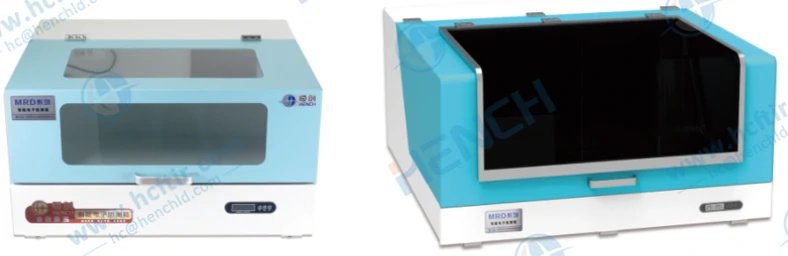
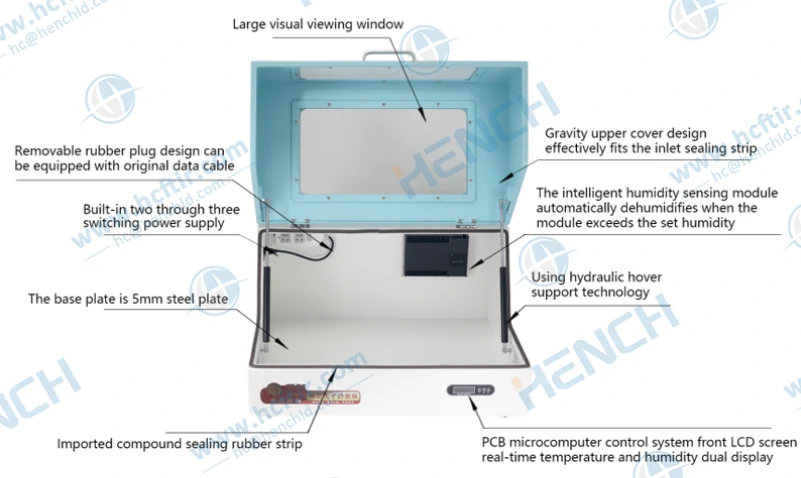
Product Principle:
The moisture-proof module inside the moisture-proof box adopts the solid-state electrolytic technology of molecular layer film. It adsorbs water molecules within the space range into the module. The internal chemical molecular layer film removes the water vapor in the box through electrolytic micro-heating, without generating wave-like water, and does not require regular drainage or cleaning. The module is equipped with an intelligent sensing device. When the set humidity is exceeded, the moisture-proof box will automatically start dehumidification. This product only has dehumidification function and no humidification function. The molecular layer film is a special material composed of a combination of molecular sieves and silica gel components. This electronic moisture-proof box has extremely low power consumption. During daily use, there is no need to replace consumables. The dehumidification module has a validity period of 5-8 years (calculated based on the customer’s experimental environment).
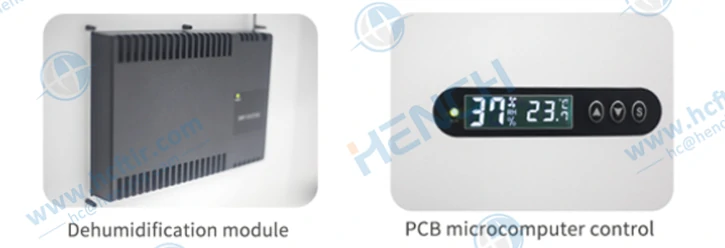
Product features:
1. Humidity control range: 25RH% – 50RH%, front LCD screen with dual display of temperature and humidity
2. Opening/closing method: The upper cover is designed with damping hinge for opening and closing, effectively utilizing the upper space to avoid space waste and operational inconvenience caused by the double-door design
3. Wiring design: Hidden protection for the wiring and power supply lines, and an added protection board for the PCB circuit board
4. Dehumidification system: Intelligent humidity sensing module, using a microcomputer program system with a recyclable and circulating moisture-absorbing film to control humidity. When the humidity inside the chamber exceeds the set humidity level, the system will intelligently start dehumidification, without consumables
5. Operation: Even when powered off, it has a moisture absorption protection function. It can still use the chemical moisture absorption backup function to continue dehumidification. The humidity increase within 24 hours will not exceed 10%
Customer Case:
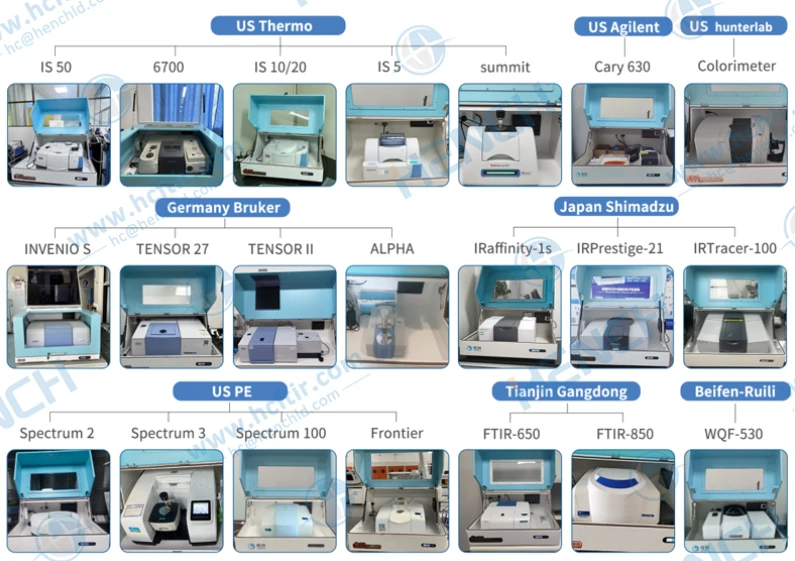
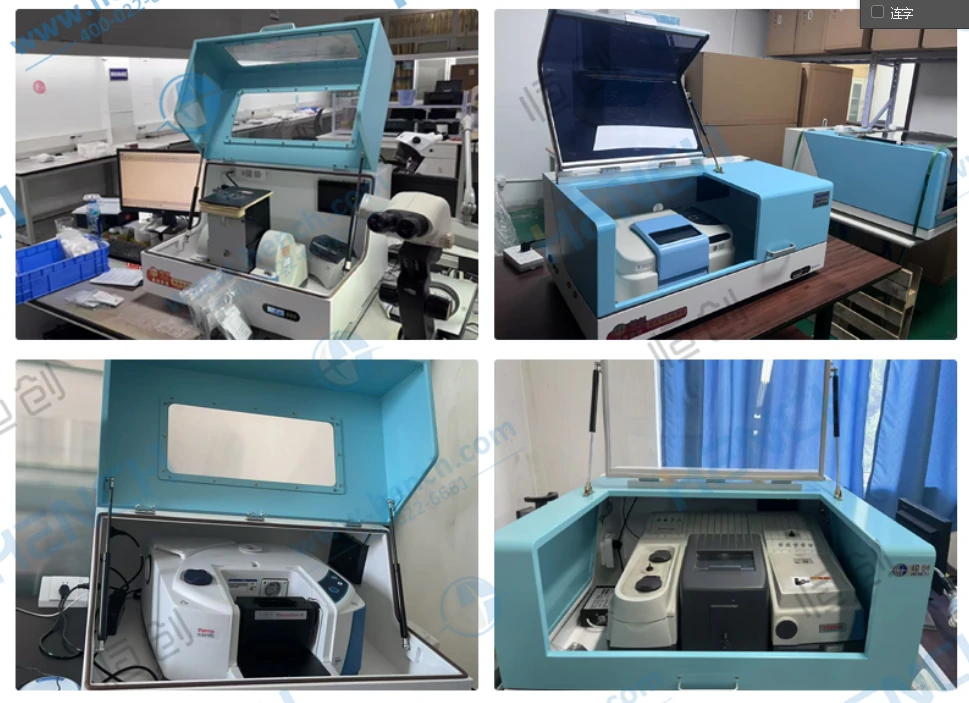
Applicable to all brands of Fourier Transform Infrared Spectrometers
Customized moisture-proof cabinets can be provided according to customer requirements:
The moisture-proof cabinet is suitable for analytical instruments; for example, it can be used in conjunction with thermogravimetry, infrared microscopes, optical fiber probes, etc.
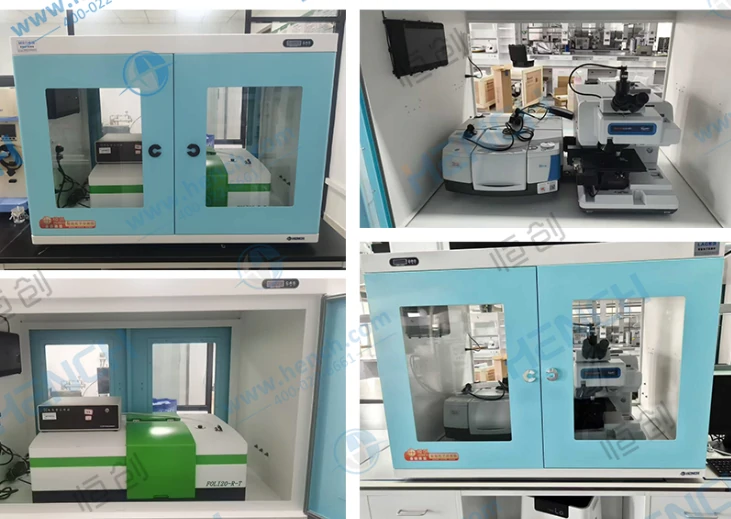
Case: Hench Infrared Electronic Moisture-proof Cabinet
Guarding Millions of Infrared Spectrometers and Building a Solid Defense Line for Laboratory Precision Protection
In scientific research and industrial testing environments such as universities, pharmaceutical laboratories, chemical material analysis, and environmental inspection centers, the Fourier Transform Infrared Spectrometer (FTIR) is a core precision instrument.
However, behind its high-precision analytical capability lies a hidden vulnerability: moisture damage. In high-humidity environments, critical optical components such as KBr, CaF₂, ZnSe windows, ATR crystals, beam splitters, and detectors are extremely sensitive to humidity. Even slight moisture exposure can lead to deliquescence, coating failure, optical path deviation, spectral baseline drift, and ultimately unreliable test results.
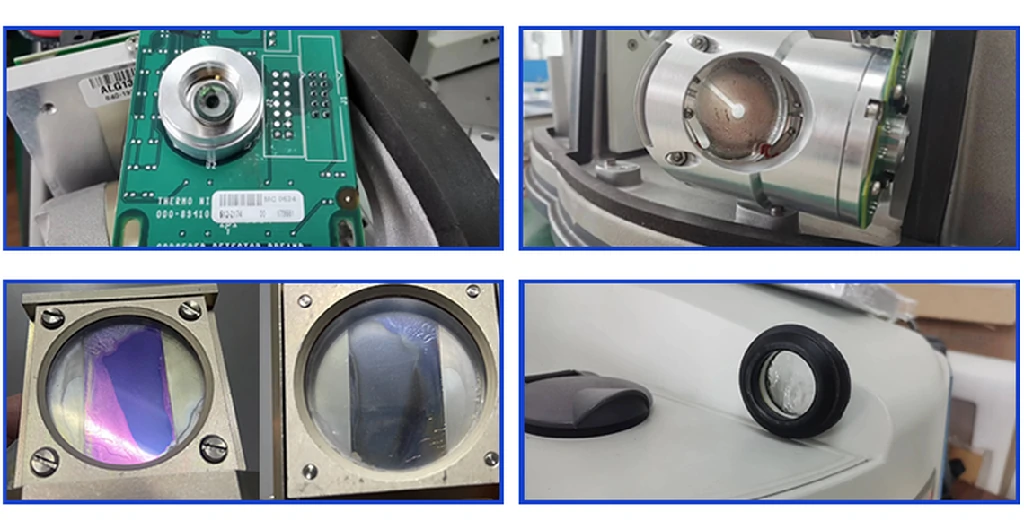
In severe cases, laboratories face interrupted experiments, wasted consumables, and even permanent damage to expensive core components. A single repair can cost tens of thousands, making humidity control a persistent and costly challenge.
The HENCH Infrared Electronic Moisture-proof Cabinet (MRD/LAG series) is designed specifically to solve this problem across the full lifecycle of FTIR instruments, providing stable, intelligent, and long-term humidity protection.
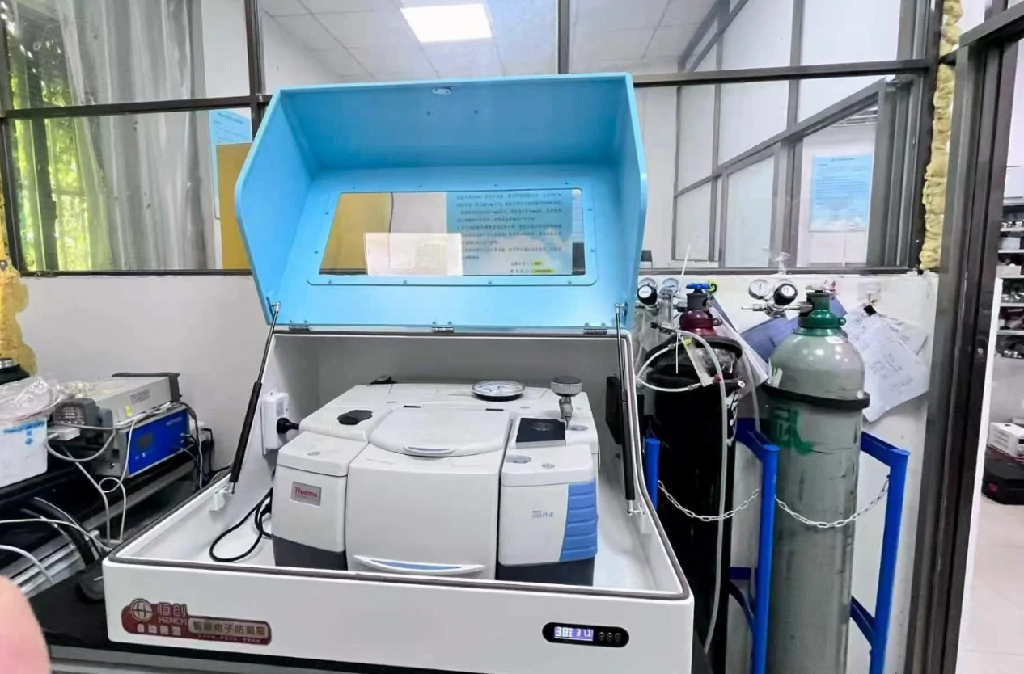
Why Moisture Becomes the Silent Killer in Infrared Laboratories
Moisture does not damage instantly. It works slowly and continuously, making it more dangerous than visible equipment failure.
In laboratory environments, humidity causes:
- Optical window deliquescence
- Coating degradation
- Beam misalignment
- Spectral instability
- Reduced measurement accuracy
These issues directly affect data reliability and experimental repeatability, which are critical in research and industrial quality control.
In short, uncontrolled humidity means uncontrolled data.
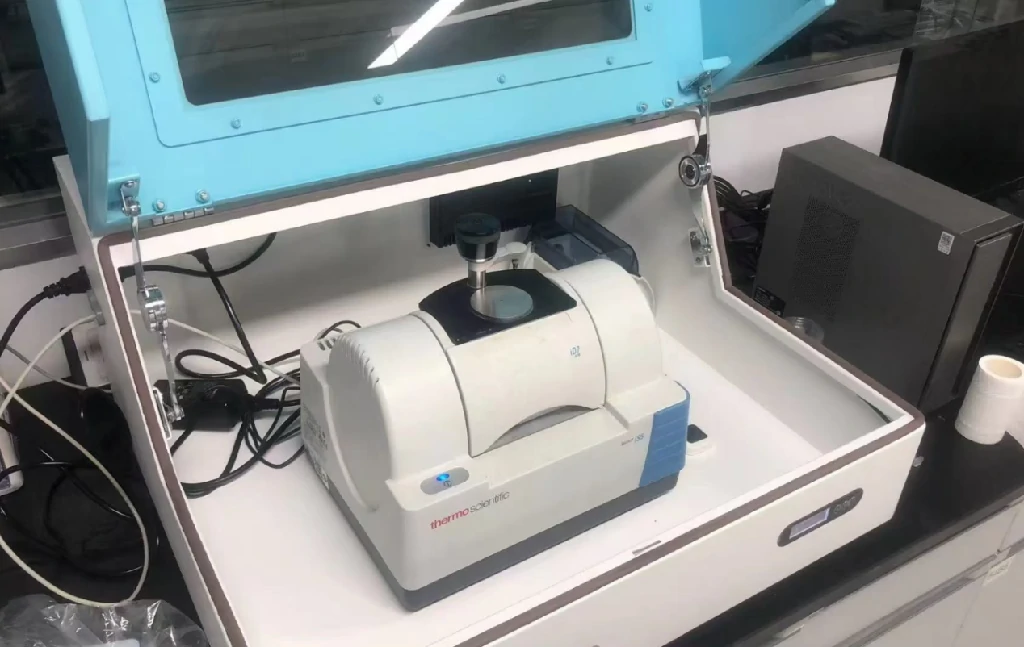
Precise Humidity Control: The Core of Instrument Protection
The HENCH moisture-proof cabinet is built around intelligent humidity regulation technology.
Intelligent Control System
- Adjustable humidity range: 20%–50% RH
- Accuracy: ±3% RH
- Optimal FTIR protection range: 30%–40% RH
The system continuously monitors internal conditions and automatically adjusts dehumidification without manual intervention.
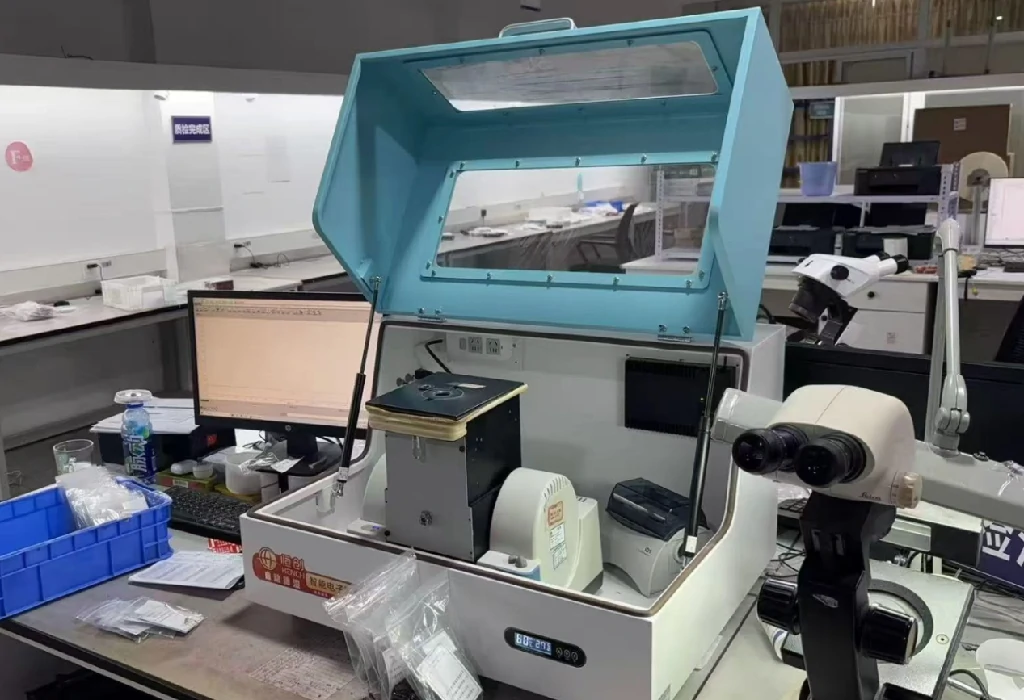
Dual Dehumidification Technology
- Renewable molecular sieve film
- Solid-state dehumidification system
Unlike traditional desiccants, the system actively removes water molecules instead of absorbing them passively, preventing condensation and dripping inside the cabinet.
Low Maintenance Design and Long-Term Operational Efficiency
The system is engineered for long-term industrial use with minimal maintenance requirements.
Key Advantages
- No consumable replacement required
- Dehumidification module lifespan up to 8 years
- Average power consumption: only 0.3 kWh/day
- Continuous protection even during power failure (up to 24 hours)
- Humidity fluctuation controlled within 10% during outage
This ensures stable protection even in unstable laboratory power environments.
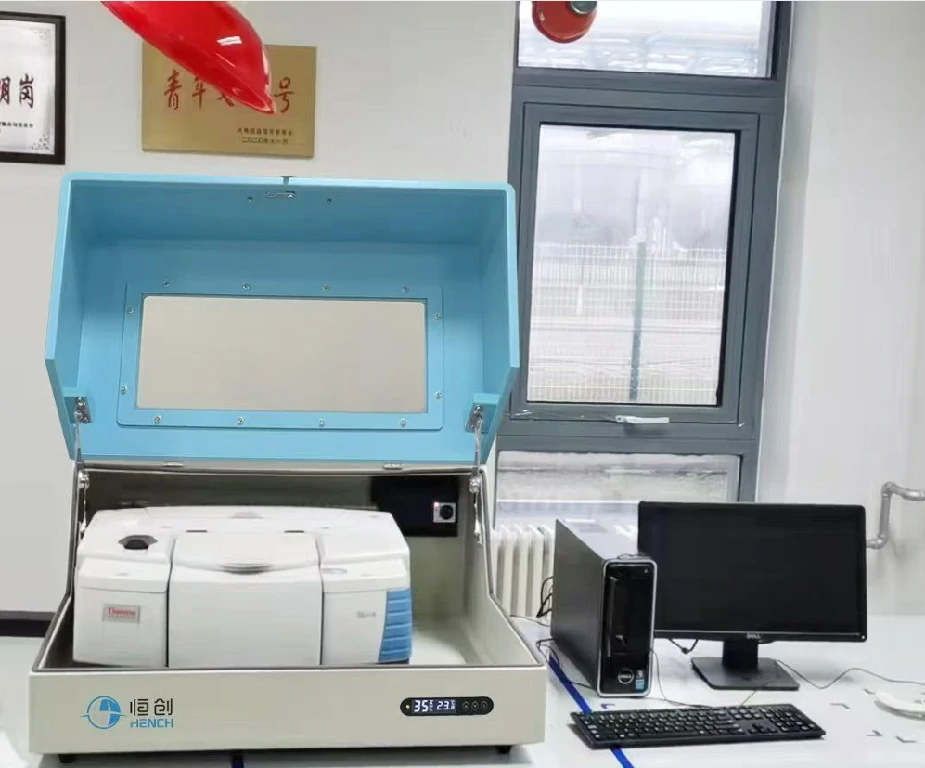
Structural Strength and Environmental Adaptability
The cabinet is designed for demanding laboratory conditions where durability and sealing performance are critical.
Structural Features
- 1.5mm cold-rolled steel body
- 5mm reinforced load-bearing base plate
- Anti-static and flame-retardant surface coating
- Corrosion and dust resistance
Sealing System
- Imported silicone sealing strips
- Fully enclosed airtight structure
- High-efficiency moisture isolation
This ensures complete protection against external humidity and dust intrusion.
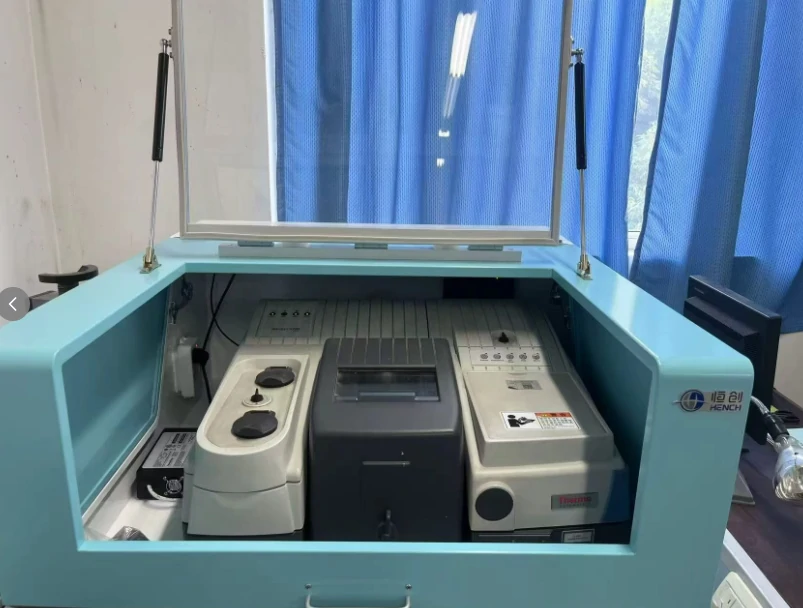
High Compatibility and Flexible Laboratory Integration
The HENCH system is designed for universal laboratory compatibility.
It supports major FTIR and infrared microscope brands including:
- Thermo Fisher
- Bruker
- Shimadzu
- PerkinElmer
- Domestic FTIR systems
Functional Flexibility
- No disassembly required for installation
- Built-in wiring ports for instrument connectivity
- Customizable cabinet dimensions
- Modular internal partition system
This allows simultaneous storage of instruments, optical accessories, reagents, and calibration materials.
Intelligent Operation and User-Friendly Design
The system is designed for both engineers and laboratory operators.
Smart Features
- Real-time digital humidity display
- One-button humidity setting
- Automatic operation mode
- Hydraulic flip-door structure for easy access
- Multi-layer internal storage system
Users can operate the system without specialized training, improving laboratory efficiency.
Real-World Industrial and Research Applications
The HENCH moisture-proof cabinet is widely used across research institutions and industrial environments.
Performance Results in Real Applications
- Reduced instrument failure rate by up to 80%
- Extended lifespan of CaF₂ and KBr windows by 2–3 times
- Reduced consumable costs by approximately 60%
- Improved spectral stability and data repeatability
Application Scenarios
- University research laboratories
- Pharmaceutical quality inspection centers
- Chemical material analysis labs
- Coastal high-humidity industrial environments
Organizations such as Zhejiang University, Harbin Institute of Technology, and several industrial testing centers have adopted the system to ensure stable infrared measurement performance.
From Protection to Performance Stability
The value of a moisture-proof system is not just protection—it is data reliability.
By eliminating humidity-related interference, the HENCH system ensures:
- Stable spectral baselines
- High repeatability of test results
- Reduced maintenance interruptions
- Lower total cost of ownership
It transforms infrared instruments from vulnerable equipment into stable, long-term analytical assets.
Case: PerkinElmer (PE) FTIR Spectrometers (MRD Series)
The Vulnerability of Precision: Why PE Instruments Demand Controlled Humidity
High-end PerkinElmer systems—including the Spectrum 100/300/Two and Frontier series—rely on ultra-sensitive optical paths. Components such as Michelson interferometers, gold-coated mirrors, and KBr/CaF₂ window plates are highly hygroscopic. When ambient humidity exceeds 50% RH, laboratories face immediate risks:
- Optical Degradation: Lens fogging and coating detachment.
- Data Instability: Baseline drift and increased noise levels, leading to RSD fluctuations.
- Maintenance Burden: High costs for replacement parts and frequent recalibration.
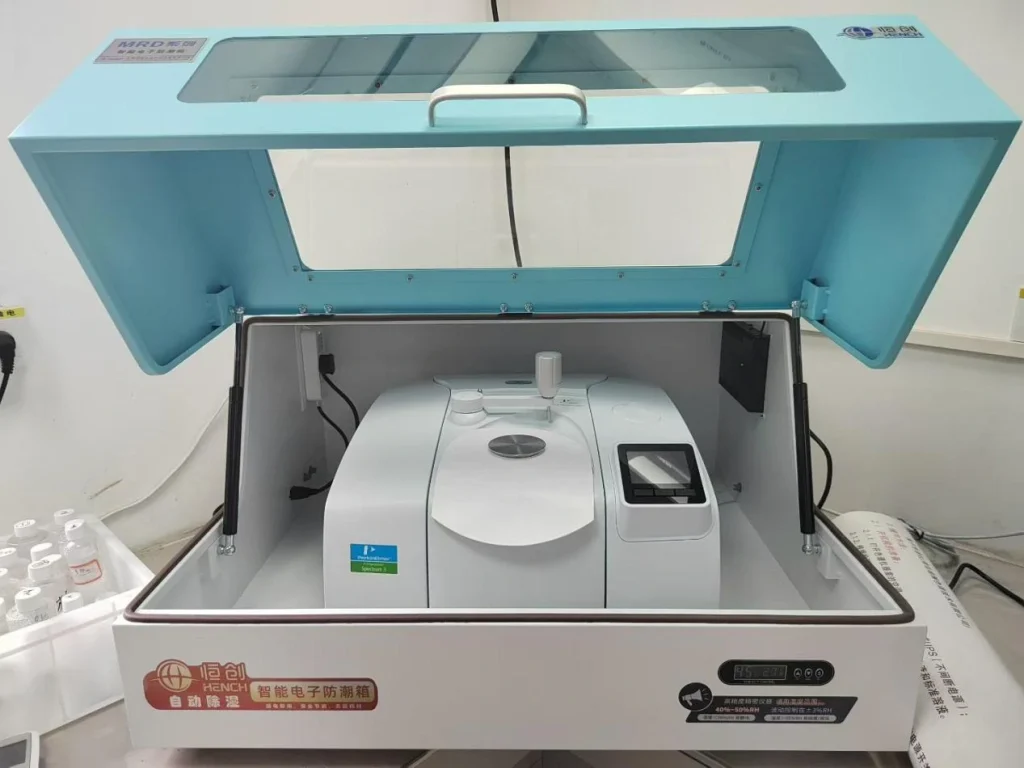
The HENCH MRD Solution: Factory-Level Integration
The HENCH MRD Series moisture proof storage boxes is engineered specifically for the PE footprint, offering a “sealed-chamber” environment that protects the instrument without requiring disassembly.
■ Seamless Hardware Adaptation
- Airtight Engineering: Built with 1.5mm cold-rolled steel and imported silicone seals, creating a dust-proof and moisture-proof barrier.
- Smart Interface Design: Reserved wiring ports and internal power interfaces allow the PE Spectrum or Frontier models to remain fully connected and operational while protected.
- Ergonomic Access: The hydraulic flip-lid design saves laboratory space while providing easy access to the instrument, standards, and pressing molds.
■ Precision Dehumidification Technology
- Constant Environment: Maintains a stable humidity range of 20%–50% RH (adjustable) with ±3% RH accuracy.
- Maintenance-Free Operation: Utilizing a renewable molecular adsorption membrane, the system requires no consumables and no drainage, with a service life of up to 8 years.
- 24/7 Fail-Safe Protection: In the event of a power outage, the chemical moisture-absorption backup limits humidity rise to ≤10% over 24 hours, ensuring total peace of mind during holidays.
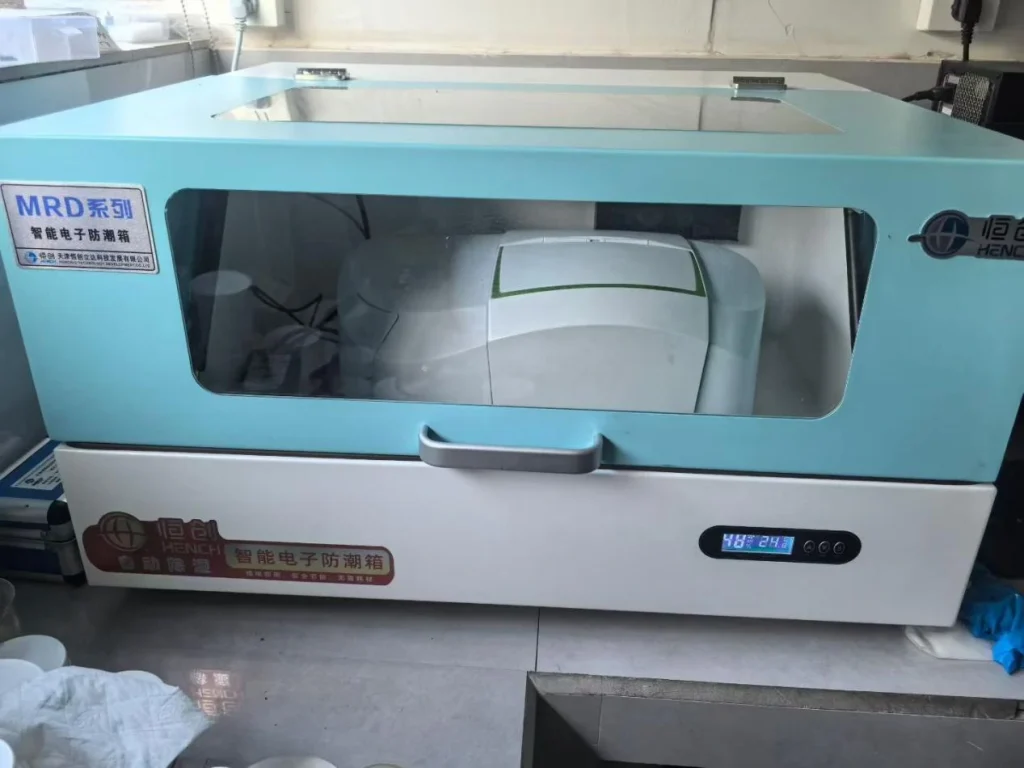
Proven Impact: Case Studies in Research & Industry
Case A: Industrial Quality Control (Guangzhou)
An enterprise using a PE Spectrum 3 in a high-humidity coastal environment (85% RH) experienced chronic lens fogging and high annual consumable costs.
- Result: After installing the HENCH MRD-300S Plus, internal humidity stabilized at 36%-38% RH. RSD improved to ≤0.2%, and annual maintenance expenses were slashed by 60%.
Case B: Academic Research (Top-Tier University)
A PE Frontier spectrometer suffered from reduced resolution and signal-to-noise ratios due to fluctuating lab conditions (40%-65% RH).
- Result: With the HENCH MRD-300, humidity was locked at 32%-34% RH. Resolution was restored to 0.1 cm⁻¹ and the signal-to-noise ratio returned to 50,000:1, doubling the lifespan of ATR accessories.
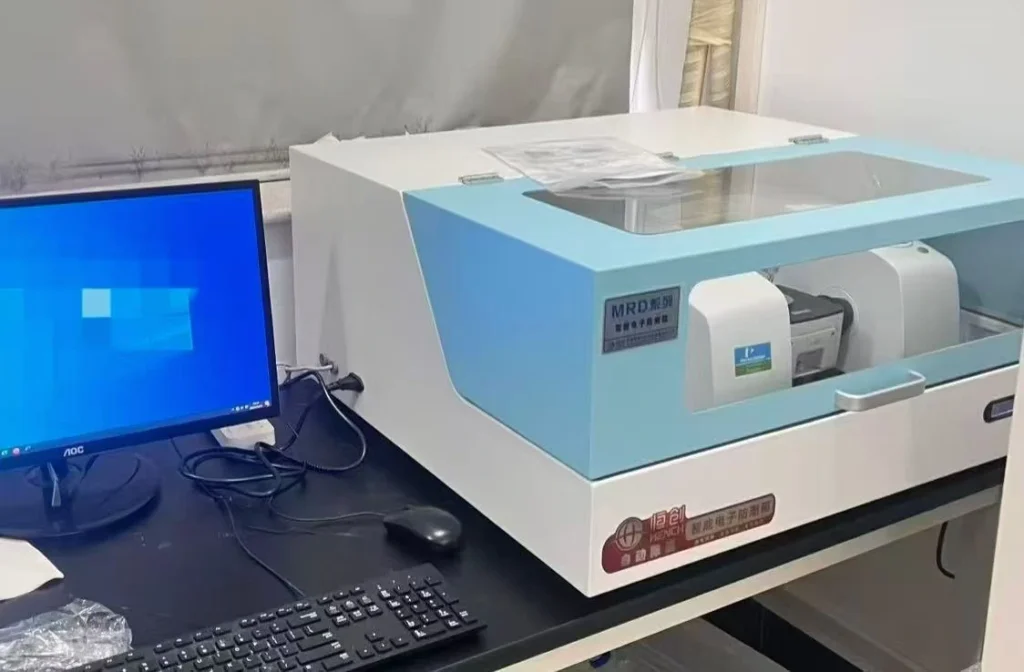
Case: Bruker FTIR Spectrometers (University Laboratory)
As world-leading analytical instruments, Bruker FTIR Spectrometers are vital in pharmaceuticals, chemical engineering, and scientific research. However, their core components—such as beam splitters, KBr (Potassium Bromide) windows, and interferometers—are extremely hygroscopic. Excessive humidity leads to deliquescence, optical path deviation, and irreversible damage, often resulting in maintenance costs exceeding tens of thousands of dollars.
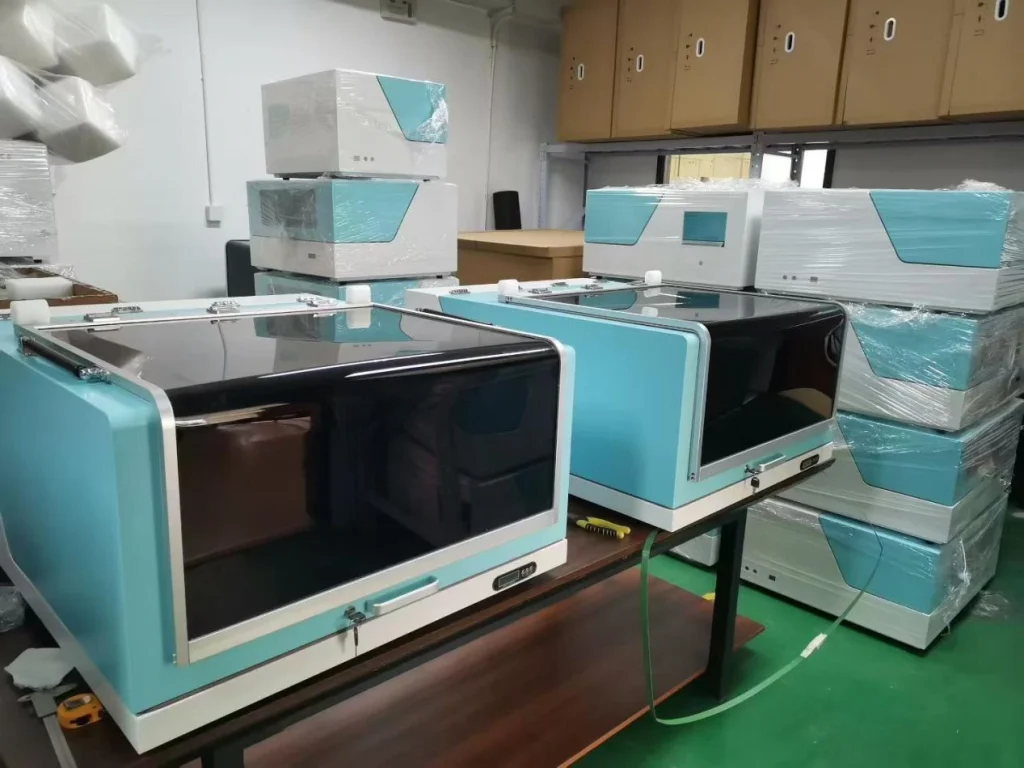
The Hench MRD/LAG Series Infrared Electronic Dehumidifying Cabinets are engineered specifically for the full lifecycle protection of FTIR systems. By offering precise humidity control and seamless integration, Hench has become the trusted guardian for Bruker spectrometers worldwide.
Core Application Advantages
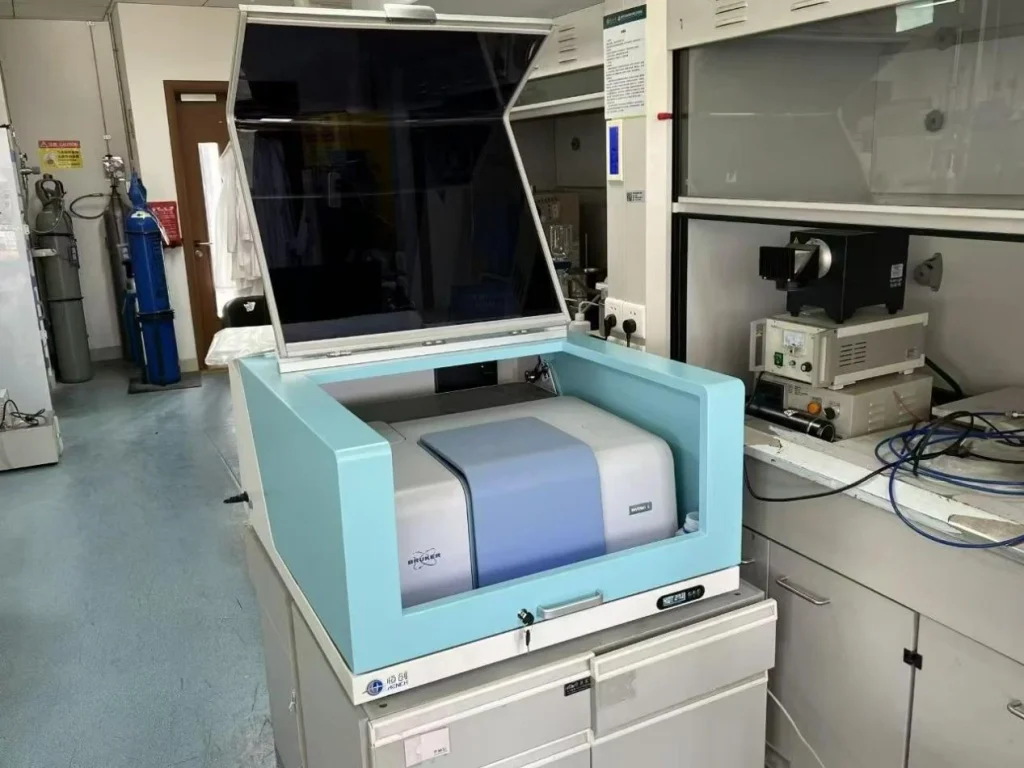
1. Ultra-Precise Humidity Control
Bruker spectrometers typically require a storage environment between 30%–40% RH. Hench cabinets offer a wide adjustable range of 20%–50% RH with a precision of ±3% RH. Unlike traditional desiccants that saturate quickly, Hench utilizes Renewable Molecular Sieve + Solid-State Electrolytic Dehumidification technology. This system automatically senses moisture, gasifies water molecules, and expels them without condensation or water droplets.
2. Seamless Integration with Bruker Systems
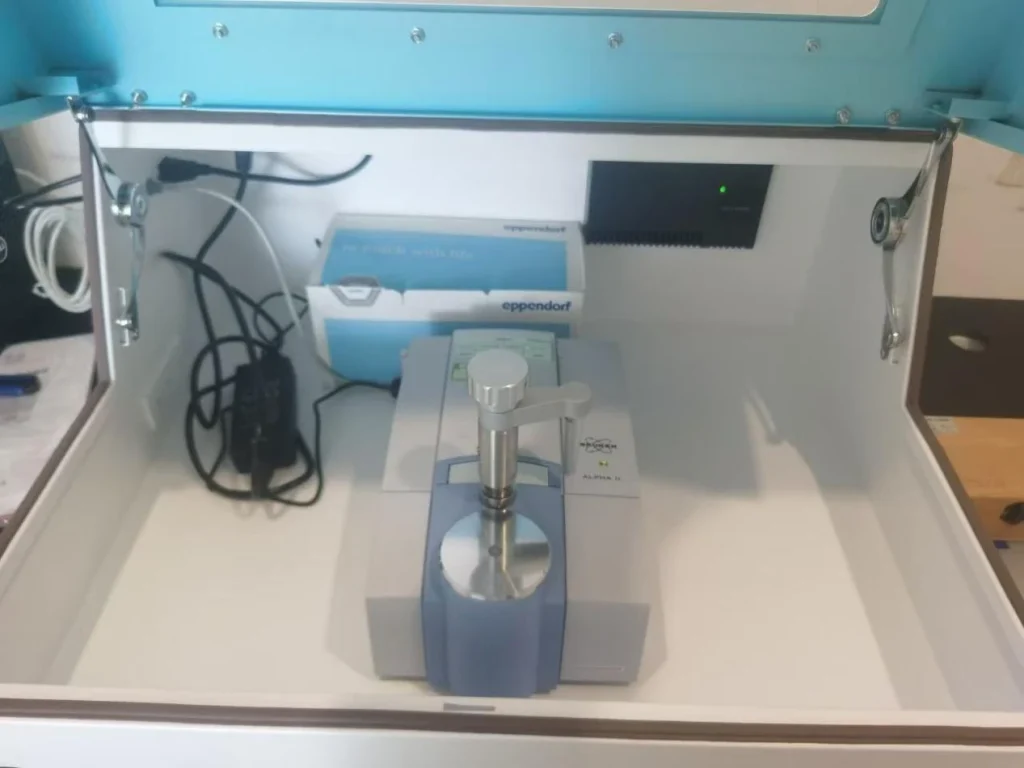
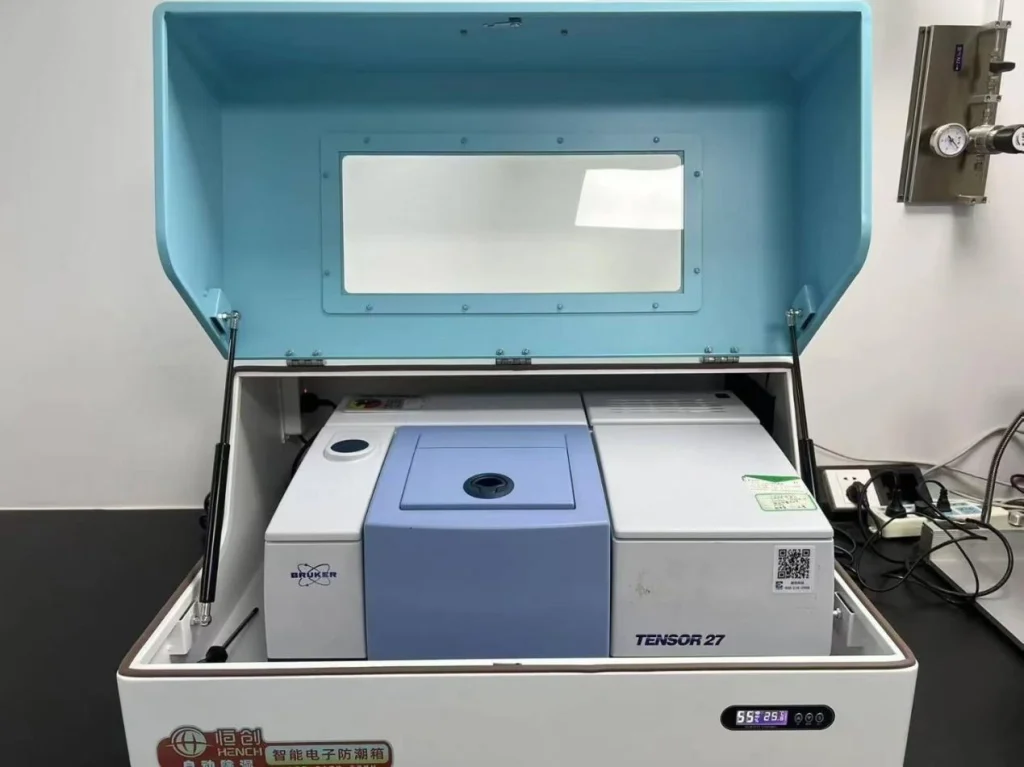
Our cabinets are deeply compatible with the Bruker range, including TENSOR II and INVENIO models.
- Zero-Disassembly Protection: Spectrometers can be housed and operated within the sealed environment without disassembly.
- Smart Design: Features pre-installed cable ports and internal power sockets, ensuring instrument connectivity is never compromised.
- Customizable Layouts: Available in split-type or custom-sized designs to accommodate multiple instruments and bulk optical accessories.
3. Laboratory-Grade Construction & Safety
- Industrial Durability: Built with 1.5mm reinforced cold-rolled steel and finished with an anti-static, flame-retardant coating.
- Superior Sealing: High-grade silicone gaskets and an airtight closure system block external moisture and dust.
- 24/7 Power-Off Protection: With high energy efficiency (only 0.3 kWh/day), the cabinet can maintain safe humidity levels for up to 24 hours even during a power outage, eliminating “nighttime humidity spikes.”
Real-World Case Study: University Laboratory
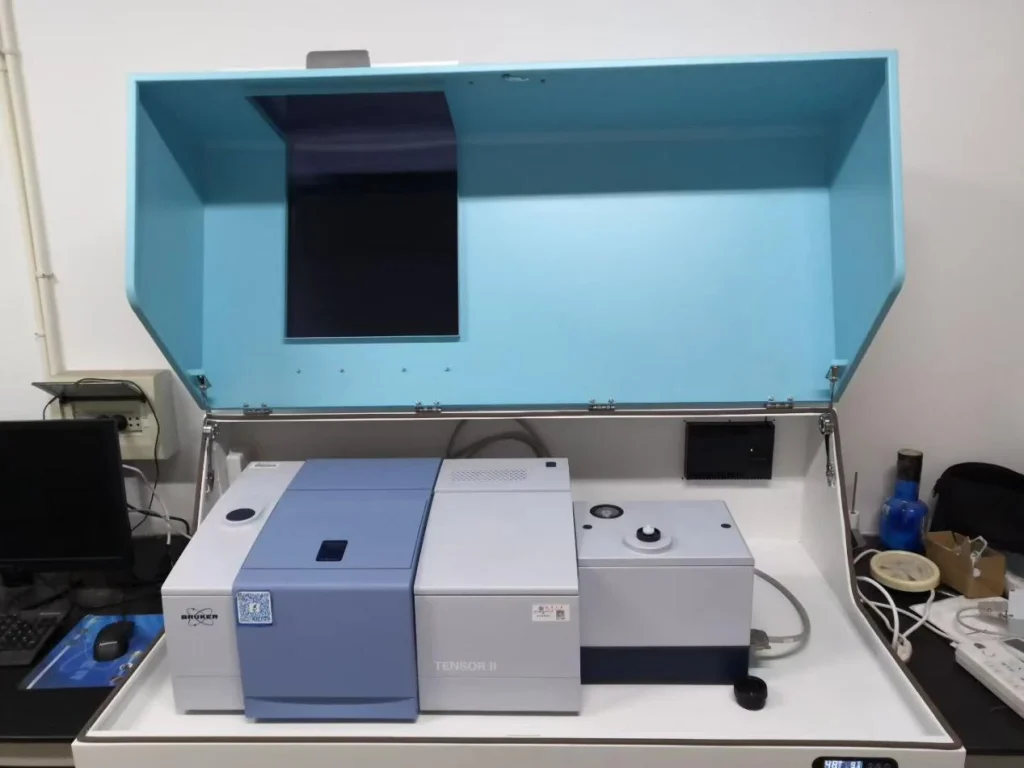
A prominent university lab operating three Bruker TENSOR II units faced frequent downtime. During the monsoon season (humidity >60%), KBr windows fogged repeatedly, and interferometer failure rates spiked, costing the lab over $7,000 (50,000 RMB) annually in repairs.
The Solution: The lab installed Hench MRD Series cabinets, stabilizing the humidity at 35% ±3% RH.
- The Result: KBr window lifespan extended by 2-3x.
- Reliability: Interference and beam splitter failures dropped by 80%.
- ROI: The lab saved approximately $4,500/year in maintenance and consumables while significantly improving data repeatability and accuracy.
Case: Thermo Fisher IS50 (Transportation Group)
Recently, a leading transportation engineering group officially procured the HENCH MRD series infrared-dedicated electronic moisture-proof cabinet to pair with their Thermo Fisher Nicolet iS50 Fourier Transform Infrared (FTIR) Spectrometer. This deployment is dedicated to the compositional identification, aging analysis, and quality verification of polymer road materials, asphalt, rubber components, coatings, and various transportation engineering accessories, building a stable and reliable precision testing platform for transport infrastructure material quality control.
Transportation engineering materials are chronically exposed to complex outdoor environments, making raw material quality and aging performance directly critical to the safety of roads and bridges. As a core tool for non-destructive, rapid material identification, an infrared spectrometer quickly completes polymer recognition, impurity screening, and aging determination, making it an indispensable analytical asset for traffic quality inspection laboratories. As a high-performance integrated FTIR spectrometer, the Thermo Fisher Nicolet iS50 features a multi-module optical system, flexible switching across multiple testing modes, and exceptional suitability for asphalt, waterproof materials, sealants, and plastic components. It boasts rapid detection speeds, high spectral resolution, and excellent data repeatability, fully satisfying the transportation group’s demand for high-volume, routine engineering material sample screening.
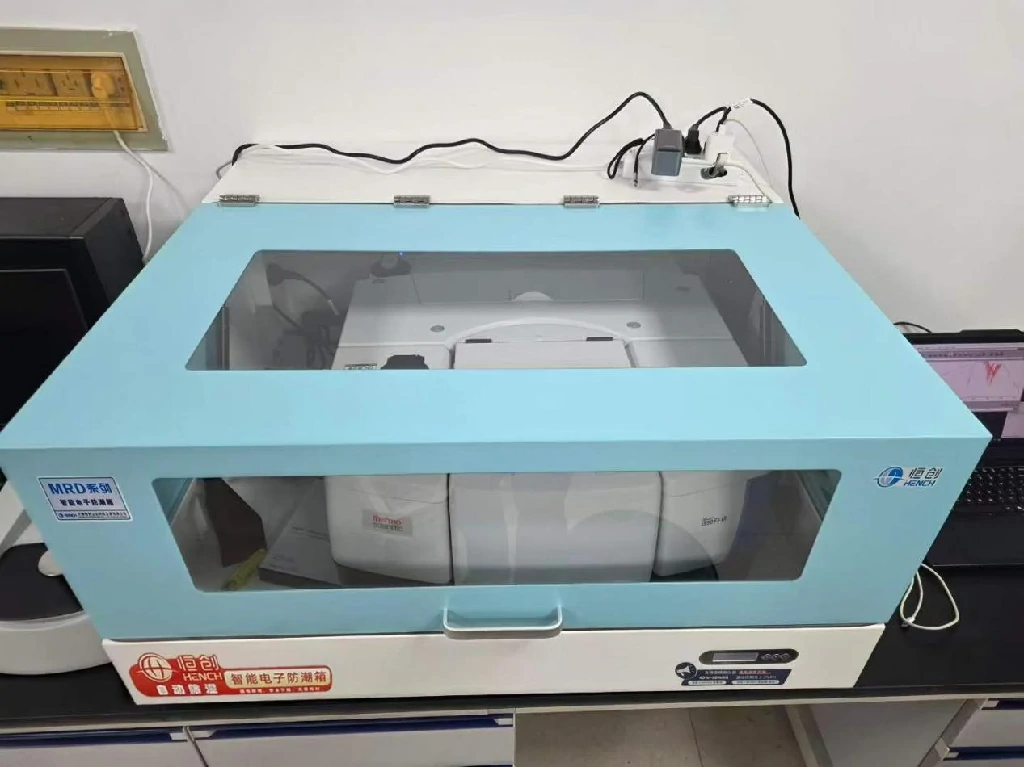
1. Protecting High-Precision Optics from Moisture Threats
However, optical components within the iS50—such as internal interferometers, infrared window plates, and detectors—are highly sensitive to humidity. Laboratory moisture can easily cause optical deliquescence and lens molding, triggering spectral baseline drift, data distortion, and potential permanent damage to core optical components. This incurs heavy repair costs and compromises both testing progress and data reliability. Conventional laboratory dehumidification methods fluctuate wildly and fail to provide continuous, stable protection for the whole unit. To counter this, the group selected the HENCH MRD infrared spectrometer dedicated desiccator cabinet after comprehensive market evaluation.
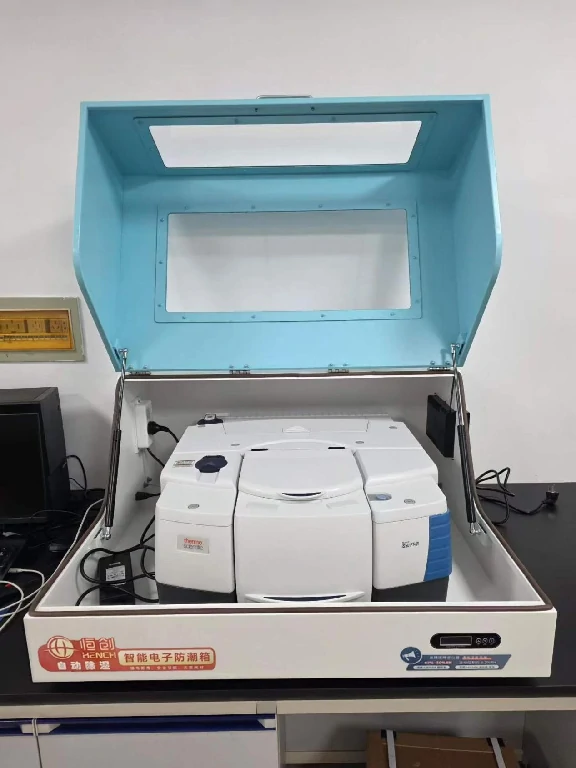
2. Tailored Design for Ultimate Protection
Specifically developed for FTIR spectrometers, the HENCH MRD series perfectly accommodates the dimensions of the Thermo Fisher iS50.
- Precise Humidity Control: Supports precise humidity regulation in the 20%–50% RH range with an accuracy of up to ±3% RH, steadily maintaining the optimal low-humidity environment of 30%–40% RH required for infrared instruments. Real-time temperature and humidity monitoring automatically triggers dehumidification when thresholds are exceeded, dynamically balancing the internal environment and blocking moisture and dust from entering the optical path.
- Maintenance-Free & Durable: Utilizes regenerative dehumidification technology for consumable-free operation, eliminating the need for frequent desiccant replacements. It features low daily power consumption, with a dehumidification module service life of up to 8 years.
- Convenient User Experience: Equipped with imported silicone airtight sealing strips, a hydraulic hovering top lid for easy operation, and reserved cabling channels—allowing installation without disassembling the spectrometer or disrupting daily testing workflows. Furthermore, power-off moisture-lock protection ensures 24-hour low-humidity preservation during unexpected power outages, eliminating moisture risks during unattended nights and holidays.
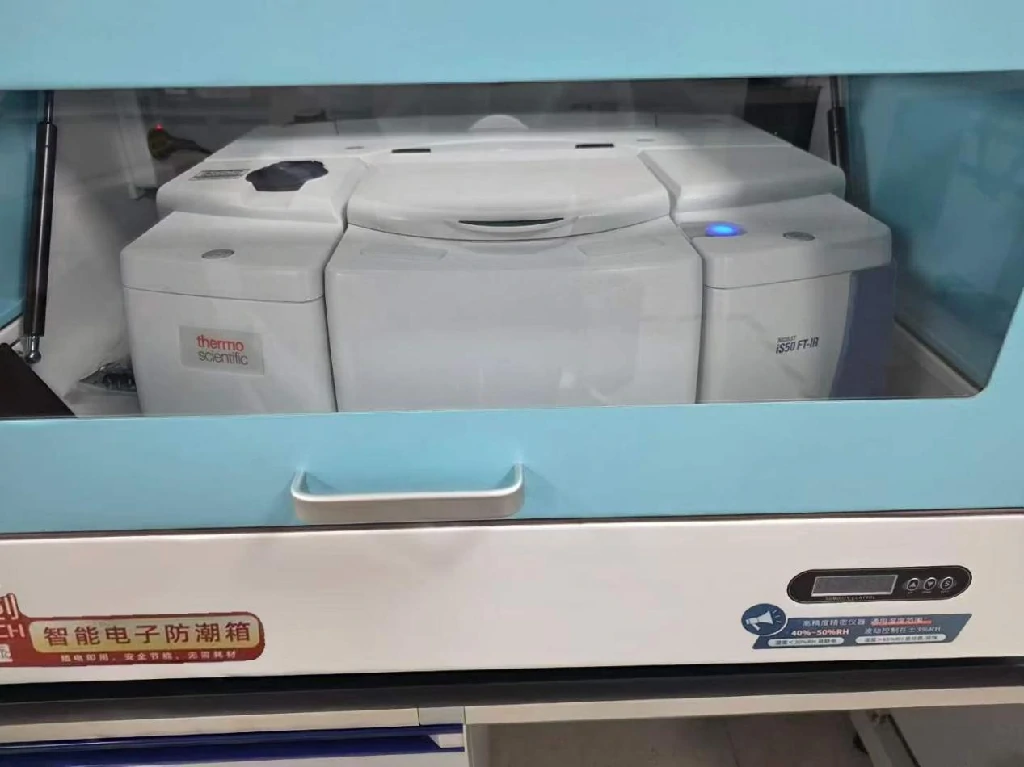
3. Professional Implementation and Long-Term Value
Upon delivery, the HENCH technical team completed on-site installation, commissioning, humidity calibration, and operational training. The HENCH desiccator cabinet creates an independent, stable micro-environment for the Thermo Fisher iS50, fundamentally mitigating moisture erosion on precision optical systems, curbing baseline drift, guaranteeing stable spectral data, and significantly reducing equipment failure rates, maintenance costs, and extending service life.
This successful project integration achieves a seamless match between high-end testing instruments and professional protective hardware, empowering the transportation group’s quality inspection laboratory to elevate engineering material testing capabilities and secure high-efficiency acceptance and aging evaluations. HENCH continues to delve deeply into the field of precision optical instrument protection, adapting to mainstream infrared systems from brands like Thermo Fisher and Bruker. We provide integrated moisture-proof solutions for laboratories across transportation, building materials, polymers, and pharmaceuticals—safeguarding every precision measurement and supporting high-quality laboratory development globally. Explore our full range of infrared sample preparation and protection solutions today.
Case: Thermo Scientific IS10 Custom Ultra-Low Humidity Cabinet
Introduction
In the highly regulated world of pharmaceutical manufacturing and drug development, analytical precision is not merely a goal—it is a compliance mandate. Recently, a leading biopharmaceutical enterprise in India successfully completed the on-site installation, rigorous calibration, and final acceptance of a specialized, custom-engineered laboratory storage solution manufactured by Hench.
This state-of-the-art deployment is specifically designed and optimized as a specialized anti-moisture cabinet for the Thermo Scientific IS10 FTIR Spectrometer and IN5 Infrared Microscope. By delivering uncompromising ultra-low humidity control alongside a bespoke physical layout, Hench has established a highly stable, secure microenvironment that guarantees the long-term operational integrity and analytical reproducibility of these high-value optical instruments.
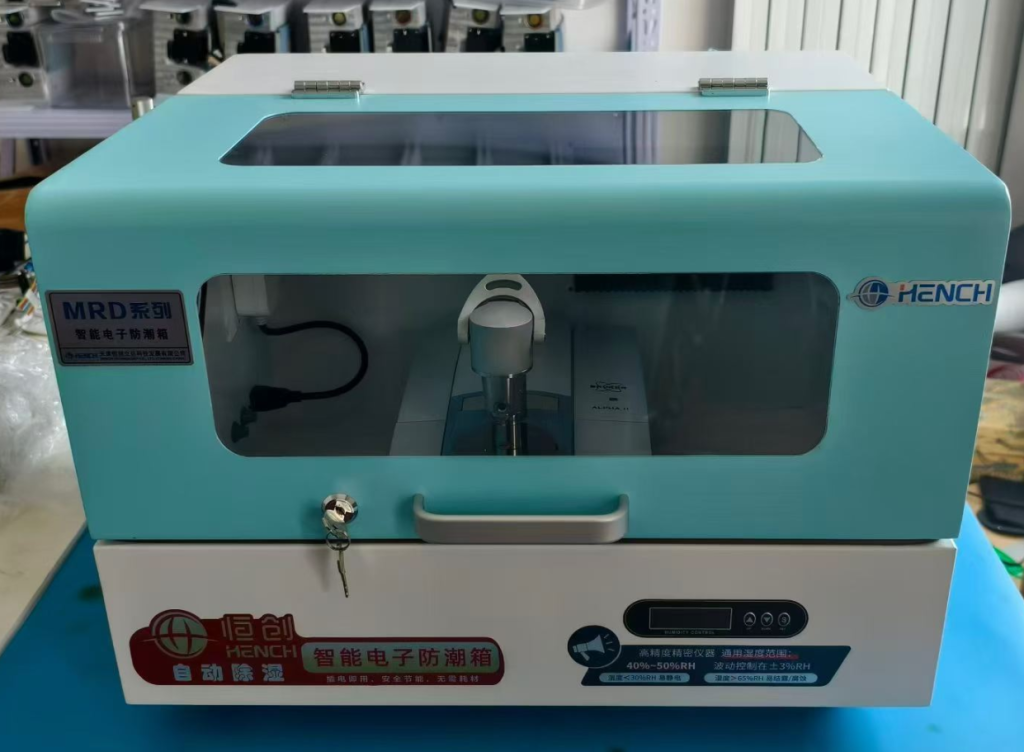
The Silent Threat: How Ambient Humidity Degrades Advanced FTIR Spectrometry
Fourier Transform Infrared (FTIR) spectroscopy is the backbone of modern drug analysis. The combination of the Thermo Scientific Nicolet iS10 spectrometer with the Nicolet IN5 infrared microscope provides biopharmaceutical laboratories with unparalleled capabilities. This system is essential for mapping chemical compositions, verifying raw materials, testing active pharmaceutical ingredients (APIs), and detecting microscopic contaminants down to the micron level.
Despite its exceptional analytical power, this hybrid system is highly vulnerable to ambient environmental conditions, particularly moisture. High-end FTIR spectrometers and infrared microscopes are packed with delicate, moisture-sensitive elements:
- Hygroscopic Beam Splitters and Optical Windows: Many FTIR beam splitters and windows are constructed from potassium bromide (KBr) or cesium iodide (CsI). These salt crystals are highly hygroscopic; exposure to relative humidity (RH) above 30-40% can cause them to absorb moisture, leading to fogging, cloudiness, and permanent physical dissolution (deliquescence). Once compromised, these optics scatter infrared light, reduce spectral throughput, and corrupt spectral baselines.
- Delicate Infrared Detector Assemblies: Advanced detectors, such as MCT (Mercury Cadmium Telluride) detectors, must operate under optimal optical conditions. Moisture ingress can degrade electrical connections, fog the detector’s window, and introduce signal-to-noise ratio (SNR) degradation, resulting in unstable baselines and false analytical readings.
- Precision Mechanical Alignment: Moisture can lead to micro-corrosion of high-precision internal mirror mounts and automated stages, resulting in subtle optical path misalignments that are incredibly costly to diagnose and recalibrate.
For a pharmaceutical facility, these issues translate directly into interrupted research timelines, failed quality control audits, expensive replacement optics, and prolonged equipment downtime.
Engineering the Solution: The Hench Advantage in Dry Storage Technology
Recognizing these critical challenges, Hench engineered a custom microclimate cabinet that surpasses the capabilities of standard, off-the-shelf dry cabinets. This specialized cabinet acts as a fortified shield, keeping the Thermo IS10 and IN5 microscope in an optimal dry state while remaining immediately accessible to laboratory personnel.
1. Constant Ultra-Low Humidity Output (<10% RH)
Standard commercial dry boxes struggle to maintain low humidity under frequent door openings. The specialized FTIR cabinet features a high-frequency, rapid-regeneration physical desiccant system capable of pulling interior relative humidity down to under 10% RH within minutes of closing. This dry atmosphere is well below the safety threshold required to prevent KBr crystal degradation, ensuring the internal optics remain perfectly dry.
2. Bespoke Ergonomics and Space Optimization
A significant issue with placing large spectrometers into generic cabinets is awkward physical access, which can cause accidental bumps and misalignments during instrument transfers. Hench designed this cabinet specifically around the physical dimensions of the Thermo iS10 and IN5 stack. The interior layout features reinforced, vibration-damped shelving with optimized cable routing and power outlets, allowing the spectrometer and microscope to remain powered and safely stored in a clean, organized manner.
3. Air-Tight Sealing and Anti-Contamination Engineering
In addition to humidity control, the cabinet acts as an airtight clean-room enclosure. Utilizing advanced double-layer magnetic rubber seals and a robust, heavy-duty latching mechanism, it blocks the entry of ambient dust, laboratory aerosols, and volatile organic compounds (VOCs). This keeps the instrument’s external optics clean and free of particulate buildup.
Long-Term Value and Future-Proofing Lab Operations
By adopting Hench’s tailored moisture protection technology, the Indian biopharmaceutical company has resolved a major vulnerability in its analytical workflow. The laboratory can now guarantee that its core FTIR spectrometers are always stored in a validated, low-humidity environment, drastically reducing the risk of baseline drift, optical decay, and costly unscheduled maintenance.
As global pharmaceutical standards continue to demand greater data integrity and lower tolerances for instrument variation, Hench remains dedicated to developing cutting-edge environmental control solutions. From pharmaceutical labs to electronics manufacturing, Hench continues to deliver the precise, reliable equipment protection that modern science demands.
Case: Shimadzu Infrared Spectrometers (MRD Series)
The Critical Challenge: Humidity vs. Optical Precision
High-precision instruments like the Shimadzu IRTracer-100 and IRAffinity-1S are highly sensitive to environmental moisture. In laboratories with humidity levels between 60%-85% RH, core components such as Potassium Bromide (KBr) beam splitters and detectors face severe risks:
- Irreversible Damage: Surface fogging, coating peeling, and accelerated aging of optics.
- Data Distortion: Baseline shifts and spectral interference peaks that compromise research accuracy.
- High Maintenance: Frequent failure of interferometers leads to skyrocketing repair costs and downtime.
The Solution: HENCH MRD Series Infrared Moisture-Proof Cabinet
The Tianjin HENCH MRD-400 Infrared Moisture-Proof Cabinet is a specialized protection system designed to create a “Safe Zone” for Shimadzu equipment, integrating structural shielding with intelligent climate control.
■ Robust Hardware & Airtight Sealing
- Industrial Build: Constructed from 1.5mm cold-rolled steel with a 5mm high-grade load-bearing base, finished with anti-static and corrosion-resistant paint.
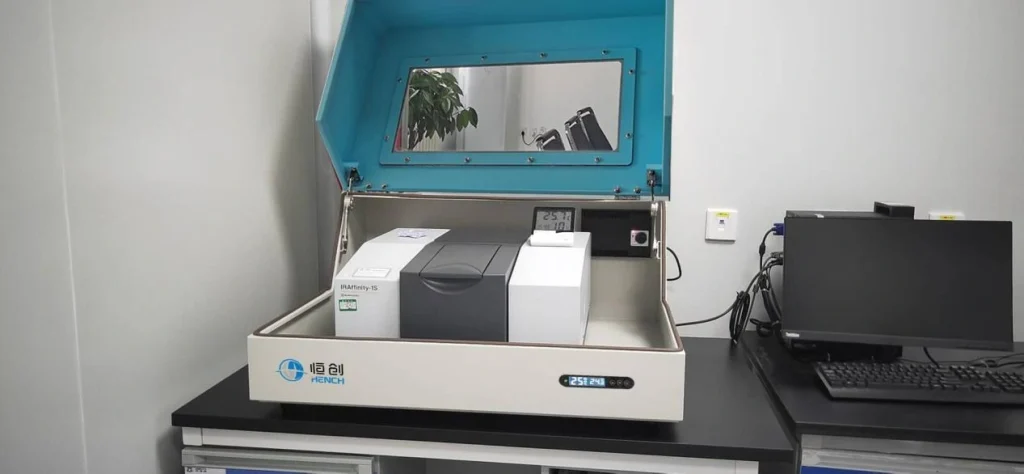
- Airtight Integrity: Features imported silicone sealing strips and a hydraulic up-opening lid. This ensures an isolated internal environment, perfectly sized for Shimadzu’s instrument dimensions.
■ Intelligent Humidity Control (25%-50% RH)
- Precision Sensing: Built-in microcomputer system monitors humidity with ±3% RH accuracy, meeting the PC/JEDECJ-STD-033B international standard.
- Efficient Dehumidification: Uses a recyclable molecular adsorption layer. When limits are exceeded, it automatically vaporizes moisture without requiring consumables or drainage.
- Power Failure Protection: Even after a 24-hour power outage, internal humidity increases by less than 10%, ensuring safety during unattended holidays.
■ Operational Convenience
- Non-Invasive Integration: Detachable rubber plugs allow original data cables to pass through without compromising the seal.
- Hydraulic Hovering Technology: The lid stays at any angle, allowing lab personnel to operate the instrument directly inside the cabinet without frequent transportation.
Application Results & Value Engineering
The implementation of the HENCH MRD series in university labs and offshore chemical enterprises has yielded measurable returns:
- 80% Lower Failure Rate: Completely eliminates fogging on KBr plates and corrosion of ATR crystals.
- Extended Lifespan: The service life of optical window plates has increased by 2-3x, while annual maintenance costs have dropped by 60%.
- Guaranteed Data Reliability: Baseline noise is stabilized, with sample testing repeatability errors controlled within ±0.5%.
- 90% Reduction in O&M Labor: The “no-consumables” design eliminates the need for manual desiccant replacement or water drainage.
Case: PerkinElmer (PE) FTIR Spectrometers (MRD Series)
The Vulnerability of Precision: Why PE Instruments Demand Controlled Humidity
High-end PerkinElmer systems—including the Spectrum 100/300/Two and Frontier series—rely on ultra-sensitive optical paths. Components such as Michelson interferometers, gold-coated mirrors, and KBr/CaF₂ window plates are highly hygroscopic. When ambient humidity exceeds 50% RH, laboratories face immediate risks:
- Optical Degradation: Lens fogging and coating detachment.
- Data Instability: Baseline drift and increased noise levels, leading to RSD fluctuations.
- Maintenance Burden: High costs for replacement parts and frequent recalibration.
The HENCH MRD Solution: Factory-Level Integration
The HENCH MRD Series moisture proof storage boxes is engineered specifically for the PE footprint, offering a “sealed-chamber” environment that protects the instrument without requiring disassembly.
■ Seamless Hardware Adaptation
- Airtight Engineering: Built with 1.5mm cold-rolled steel and imported silicone seals, creating a dust-proof and moisture-proof barrier.
- Smart Interface Design: Reserved wiring ports and internal power interfaces allow the PE Spectrum or Frontier models to remain fully connected and operational while protected.
- Ergonomic Access: The hydraulic flip-lid design saves laboratory space while providing easy access to the instrument, standards, and pressing molds.
■ Precision Dehumidification Technology
- Constant Environment: Maintains a stable humidity range of 20%–50% RH (adjustable) with ±3% RH accuracy.
- Maintenance-Free Operation: Utilizing a renewable molecular adsorption membrane, the system requires no consumables and no drainage, with a service life of up to 8 years.
- 24/7 Fail-Safe Protection: In the event of a power outage, the chemical moisture-absorption backup limits humidity rise to ≤10% over 24 hours, ensuring total peace of mind during holidays.
Proven Impact: Case Studies in Research & Industry
Case A: Industrial Quality Control (Guangzhou)
An enterprise using a PE Spectrum 3 in a high-humidity coastal environment (85% RH) experienced chronic lens fogging and high annual consumable costs.
- Result: After installing the HENCH MRD-300S Plus, internal humidity stabilized at 36%-38% RH. RSD improved to ≤0.2%, and annual maintenance expenses were slashed by 60%.
Case B: Academic Research (Top-Tier University)
A PE Frontier spectrometer suffered from reduced resolution and signal-to-noise ratios due to fluctuating lab conditions (40%-65% RH).
- Result: With the HENCH MRD-300, humidity was locked at 32%-34% RH. Resolution was restored to 0.1 cm⁻¹ and the signal-to-noise ratio returned to 50,000:1, doubling the lifespan of ATR accessories.
Case: PerkinElmer (PE) FTIR Spectrometers (MRD Series)
The Vulnerability of Precision: Why PE Instruments Demand Controlled Humidity
High-end PerkinElmer systems—including the Spectrum 100/300/Two and Frontier series—rely on ultra-sensitive optical paths. Components such as Michelson interferometers, gold-coated mirrors, and KBr/CaF₂ window plates are highly hygroscopic. When ambient humidity exceeds 50% RH, laboratories face immediate risks:
- Optical Degradation: Lens fogging and coating detachment.
- Data Instability: Baseline drift and increased noise levels, leading to RSD fluctuations.
- Maintenance Burden: High costs for replacement parts and frequent recalibration.
The HENCH MRD Solution: Factory-Level Integration
The HENCH MRD Series moisture proof storage boxes is engineered specifically for the PE footprint, offering a “sealed-chamber” environment that protects the instrument without requiring disassembly.
■ Seamless Hardware Adaptation
- Airtight Engineering: Built with 1.5mm cold-rolled steel and imported silicone seals, creating a dust-proof and moisture-proof barrier.
- Smart Interface Design: Reserved wiring ports and internal power interfaces allow the PE Spectrum or Frontier models to remain fully connected and operational while protected.
- Ergonomic Access: The hydraulic flip-lid design saves laboratory space while providing easy access to the instrument, standards, and pressing molds.
■ Precision Dehumidification Technology
- Constant Environment: Maintains a stable humidity range of 20%–50% RH (adjustable) with ±3% RH accuracy.
- Maintenance-Free Operation: Utilizing a renewable molecular adsorption membrane, the system requires no consumables and no drainage, with a service life of up to 8 years.
- 24/7 Fail-Safe Protection: In the event of a power outage, the chemical moisture-absorption backup limits humidity rise to ≤10% over 24 hours, ensuring total peace of mind during holidays.
Proven Impact: Case Studies in Research & Industry
Case A: Industrial Quality Control (Guangzhou)
An enterprise using a PE Spectrum 3 in a high-humidity coastal environment (85% RH) experienced chronic lens fogging and high annual consumable costs.
- Result: After installing the HENCH MRD-300S Plus, internal humidity stabilized at 36%-38% RH. RSD improved to ≤0.2%, and annual maintenance expenses were slashed by 60%.
Case B: Academic Research (Top-Tier University)
A PE Frontier spectrometer suffered from reduced resolution and signal-to-noise ratios due to fluctuating lab conditions (40%-65% RH).
- Result: With the HENCH MRD-300, humidity was locked at 32%-34% RH. Resolution was restored to 0.1 cm⁻¹ and the signal-to-noise ratio returned to 50,000:1, doubling the lifespan of ATR accessories.
Case: Bruker FTIR Spectrometers (University Laboratory)
As world-leading analytical instruments, Bruker FTIR Spectrometers are vital in pharmaceuticals, chemical engineering, and scientific research. However, their core components—such as beam splitters, KBr (Potassium Bromide) windows, and interferometers—are extremely hygroscopic. Excessive humidity leads to deliquescence, optical path deviation, and irreversible damage, often resulting in maintenance costs exceeding tens of thousands of dollars.
The Hench MRD/LAG Series Infrared Electronic Dehumidifying Cabinets are engineered specifically for the full lifecycle protection of FTIR systems. By offering precise humidity control and seamless integration, Hench has become the trusted guardian for Bruker spectrometers worldwide.
Core Application Advantages
1. Ultra-Precise Humidity Control
Bruker spectrometers typically require a storage environment between 30%–40% RH. Hench cabinets offer a wide adjustable range of 20%–50% RH with a precision of ±3% RH. Unlike traditional desiccants that saturate quickly, Hench utilizes Renewable Molecular Sieve + Solid-State Electrolytic Dehumidification technology. This system automatically senses moisture, gasifies water molecules, and expels them without condensation or water droplets.
2. Seamless Integration with Bruker Systems
Our cabinets are deeply compatible with the Bruker range, including TENSOR II and INVENIO models.
- Zero-Disassembly Protection: Spectrometers can be housed and operated within the sealed environment without disassembly.
- Smart Design: Features pre-installed cable ports and internal power sockets, ensuring instrument connectivity is never compromised.
- Customizable Layouts: Available in split-type or custom-sized designs to accommodate multiple instruments and bulk optical accessories.
3. Laboratory-Grade Construction & Safety
- Industrial Durability: Built with 1.5mm reinforced cold-rolled steel and finished with an anti-static, flame-retardant coating.
- Superior Sealing: High-grade silicone gaskets and an airtight closure system block external moisture and dust.
- 24/7 Power-Off Protection: With high energy efficiency (only 0.3 kWh/day), the cabinet can maintain safe humidity levels for up to 24 hours even during a power outage, eliminating “nighttime humidity spikes.”
Real-World Case Study: University Laboratory
A prominent university lab operating three Bruker TENSOR II units faced frequent downtime. During the monsoon season (humidity >60%), KBr windows fogged repeatedly, and interferometer failure rates spiked, costing the lab over $7,000 (50,000 RMB) annually in repairs.
The Solution: The lab installed Hench MRD Series cabinets, stabilizing the humidity at 35% ±3% RH.
- The Result: KBr window lifespan extended by 2-3x.
- Reliability: Interference and beam splitter failures dropped by 80%.
- ROI: The lab saved approximately $4,500/year in maintenance and consumables while significantly improving data repeatability and accuracy.
Case: Thermo Fisher IS50 (Transportation Group)
Recently, a leading transportation engineering group officially procured the HENCH MRD series infrared-dedicated electronic moisture-proof cabinet to pair with their Thermo Fisher Nicolet iS50 Fourier Transform Infrared (FTIR) Spectrometer. This deployment is dedicated to the compositional identification, aging analysis, and quality verification of polymer road materials, asphalt, rubber components, coatings, and various transportation engineering accessories, building a stable and reliable precision testing platform for transport infrastructure material quality control.
Transportation engineering materials are chronically exposed to complex outdoor environments, making raw material quality and aging performance directly critical to the safety of roads and bridges. As a core tool for non-destructive, rapid material identification, an infrared spectrometer quickly completes polymer recognition, impurity screening, and aging determination, making it an indispensable analytical asset for traffic quality inspection laboratories. As a high-performance integrated FTIR spectrometer, the Thermo Fisher Nicolet iS50 features a multi-module optical system, flexible switching across multiple testing modes, and exceptional suitability for asphalt, waterproof materials, sealants, and plastic components. It boasts rapid detection speeds, high spectral resolution, and excellent data repeatability, fully satisfying the transportation group’s demand for high-volume, routine engineering material sample screening.
1. Protecting High-Precision Optics from Moisture Threats
However, optical components within the iS50—such as internal interferometers, infrared window plates, and detectors—are highly sensitive to humidity. Laboratory moisture can easily cause optical deliquescence and lens molding, triggering spectral baseline drift, data distortion, and potential permanent damage to core optical components. This incurs heavy repair costs and compromises both testing progress and data reliability. Conventional laboratory dehumidification methods fluctuate wildly and fail to provide continuous, stable protection for the whole unit. To counter this, the group selected the HENCH MRD infrared spectrometer dedicated desiccator cabinet after comprehensive market evaluation.
2. Tailored Design for Ultimate Protection
Specifically developed for FTIR spectrometers, the HENCH MRD series perfectly accommodates the dimensions of the Thermo Fisher iS50.
- Precise Humidity Control: Supports precise humidity regulation in the 20%–50% RH range with an accuracy of up to ±3% RH, steadily maintaining the optimal low-humidity environment of 30%–40% RH required for infrared instruments. Real-time temperature and humidity monitoring automatically triggers dehumidification when thresholds are exceeded, dynamically balancing the internal environment and blocking moisture and dust from entering the optical path.
- Maintenance-Free & Durable: Utilizes regenerative dehumidification technology for consumable-free operation, eliminating the need for frequent desiccant replacements. It features low daily power consumption, with a dehumidification module service life of up to 8 years.
- Convenient User Experience: Equipped with imported silicone airtight sealing strips, a hydraulic hovering top lid for easy operation, and reserved cabling channels—allowing installation without disassembling the spectrometer or disrupting daily testing workflows. Furthermore, power-off moisture-lock protection ensures 24-hour low-humidity preservation during unexpected power outages, eliminating moisture risks during unattended nights and holidays.
3. Professional Implementation and Long-Term Value
Upon delivery, the HENCH technical team completed on-site installation, commissioning, humidity calibration, and operational training. The HENCH desiccator cabinet creates an independent, stable micro-environment for the Thermo Fisher iS50, fundamentally mitigating moisture erosion on precision optical systems, curbing baseline drift, guaranteeing stable spectral data, and significantly reducing equipment failure rates, maintenance costs, and extending service life.
This successful project integration achieves a seamless match between high-end testing instruments and professional protective hardware, empowering the transportation group’s quality inspection laboratory to elevate engineering material testing capabilities and secure high-efficiency acceptance and aging evaluations. HENCH continues to delve deeply into the field of precision optical instrument protection, adapting to mainstream infrared systems from brands like Thermo Fisher and Bruker. We provide integrated moisture-proof solutions for laboratories across transportation, building materials, polymers, and pharmaceuticals—safeguarding every precision measurement and supporting high-quality laboratory development globally. Explore our full range of infrared sample preparation and protection solutions today.
Case: Thermo Scientific IS10 Custom Ultra-Low Humidity Cabinet
Introduction
In the highly regulated world of pharmaceutical manufacturing and drug development, analytical precision is not merely a goal—it is a compliance mandate. Recently, a leading biopharmaceutical enterprise in India successfully completed the on-site installation, rigorous calibration, and final acceptance of a specialized, custom-engineered laboratory storage solution manufactured by Hench.
This state-of-the-art deployment is specifically designed and optimized as a specialized anti-moisture cabinet for the Thermo Scientific IS10 FTIR Spectrometer and IN5 Infrared Microscope. By delivering uncompromising ultra-low humidity control alongside a bespoke physical layout, Hench has established a highly stable, secure microenvironment that guarantees the long-term operational integrity and analytical reproducibility of these high-value optical instruments.
The Silent Threat: How Ambient Humidity Degrades Advanced FTIR Spectrometry
Fourier Transform Infrared (FTIR) spectroscopy is the backbone of modern drug analysis. The combination of the Thermo Scientific Nicolet iS10 spectrometer with the Nicolet IN5 infrared microscope provides biopharmaceutical laboratories with unparalleled capabilities. This system is essential for mapping chemical compositions, verifying raw materials, testing active pharmaceutical ingredients (APIs), and detecting microscopic contaminants down to the micron level.
Despite its exceptional analytical power, this hybrid system is highly vulnerable to ambient environmental conditions, particularly moisture. High-end FTIR spectrometers and infrared microscopes are packed with delicate, moisture-sensitive elements:
- Hygroscopic Beam Splitters and Optical Windows: Many FTIR beam splitters and windows are constructed from potassium bromide (KBr) or cesium iodide (CsI). These salt crystals are highly hygroscopic; exposure to relative humidity (RH) above 30-40% can cause them to absorb moisture, leading to fogging, cloudiness, and permanent physical dissolution (deliquescence). Once compromised, these optics scatter infrared light, reduce spectral throughput, and corrupt spectral baselines.
- Delicate Infrared Detector Assemblies: Advanced detectors, such as MCT (Mercury Cadmium Telluride) detectors, must operate under optimal optical conditions. Moisture ingress can degrade electrical connections, fog the detector’s window, and introduce signal-to-noise ratio (SNR) degradation, resulting in unstable baselines and false analytical readings.
- Precision Mechanical Alignment: Moisture can lead to micro-corrosion of high-precision internal mirror mounts and automated stages, resulting in subtle optical path misalignments that are incredibly costly to diagnose and recalibrate.
For a pharmaceutical facility, these issues translate directly into interrupted research timelines, failed quality control audits, expensive replacement optics, and prolonged equipment downtime.
Engineering the Solution: The Hench Advantage in Dry Storage Technology
Recognizing these critical challenges, Hench engineered a custom microclimate cabinet that surpasses the capabilities of standard, off-the-shelf dry cabinets. This specialized cabinet acts as a fortified shield, keeping the Thermo IS10 and IN5 microscope in an optimal dry state while remaining immediately accessible to laboratory personnel.
1. Constant Ultra-Low Humidity Output (<10% RH)
Standard commercial dry boxes struggle to maintain low humidity under frequent door openings. The specialized FTIR cabinet features a high-frequency, rapid-regeneration physical desiccant system capable of pulling interior relative humidity down to under 10% RH within minutes of closing. This dry atmosphere is well below the safety threshold required to prevent KBr crystal degradation, ensuring the internal optics remain perfectly dry.
2. Bespoke Ergonomics and Space Optimization
A significant issue with placing large spectrometers into generic cabinets is awkward physical access, which can cause accidental bumps and misalignments during instrument transfers. Hench designed this cabinet specifically around the physical dimensions of the Thermo iS10 and IN5 stack. The interior layout features reinforced, vibration-damped shelving with optimized cable routing and power outlets, allowing the spectrometer and microscope to remain powered and safely stored in a clean, organized manner.
3. Air-Tight Sealing and Anti-Contamination Engineering
In addition to humidity control, the cabinet acts as an airtight clean-room enclosure. Utilizing advanced double-layer magnetic rubber seals and a robust, heavy-duty latching mechanism, it blocks the entry of ambient dust, laboratory aerosols, and volatile organic compounds (VOCs). This keeps the instrument’s external optics clean and free of particulate buildup.
Long-Term Value and Future-Proofing Lab Operations
By adopting Hench’s tailored moisture protection technology, the Indian biopharmaceutical company has resolved a major vulnerability in its analytical workflow. The laboratory can now guarantee that its core FTIR spectrometers are always stored in a validated, low-humidity environment, drastically reducing the risk of baseline drift, optical decay, and costly unscheduled maintenance.
As global pharmaceutical standards continue to demand greater data integrity and lower tolerances for instrument variation, Hench remains dedicated to developing cutting-edge environmental control solutions. From pharmaceutical labs to electronics manufacturing, Hench continues to deliver the precise, reliable equipment protection that modern science demands.
Case: Shimadzu Infrared Spectrometers (MRD Series)
The Critical Challenge: Humidity vs. Optical Precision
High-precision instruments like the Shimadzu IRTracer-100 and IRAffinity-1S are highly sensitive to environmental moisture. In laboratories with humidity levels between 60%-85% RH, core components such as Potassium Bromide (KBr) beam splitters and detectors face severe risks:
- Irreversible Damage: Surface fogging, coating peeling, and accelerated aging of optics.
- Data Distortion: Baseline shifts and spectral interference peaks that compromise research accuracy.
- High Maintenance: Frequent failure of interferometers leads to skyrocketing repair costs and downtime.
The Solution: HENCH MRD Series Infrared Moisture-Proof Cabinet
The Tianjin HENCH MRD-400 Infrared Moisture-Proof Cabinet is a specialized protection system designed to create a “Safe Zone” for Shimadzu equipment, integrating structural shielding with intelligent climate control.
■ Robust Hardware & Airtight Sealing
- Industrial Build: Constructed from 1.5mm cold-rolled steel with a 5mm high-grade load-bearing base, finished with anti-static and corrosion-resistant paint.
- Airtight Integrity: Features imported silicone sealing strips and a hydraulic up-opening lid. This ensures an isolated internal environment, perfectly sized for Shimadzu’s instrument dimensions.
■ Intelligent Humidity Control (25%-50% RH)
- Precision Sensing: Built-in microcomputer system monitors humidity with ±3% RH accuracy, meeting the PC/JEDECJ-STD-033B international standard.
- Efficient Dehumidification: Uses a recyclable molecular adsorption layer. When limits are exceeded, it automatically vaporizes moisture without requiring consumables or drainage.
- Power Failure Protection: Even after a 24-hour power outage, internal humidity increases by less than 10%, ensuring safety during unattended holidays.
■ Operational Convenience
- Non-Invasive Integration: Detachable rubber plugs allow original data cables to pass through without compromising the seal.
- Hydraulic Hovering Technology: The lid stays at any angle, allowing lab personnel to operate the instrument directly inside the cabinet without frequent transportation.
Application Results & Value Engineering
The implementation of the HENCH MRD series in university labs and offshore chemical enterprises has yielded measurable returns:
- 80% Lower Failure Rate: Completely eliminates fogging on KBr plates and corrosion of ATR crystals.
- Extended Lifespan: The service life of optical window plates has increased by 2-3x, while annual maintenance costs have dropped by 60%.
- Guaranteed Data Reliability: Baseline noise is stabilized, with sample testing repeatability errors controlled within ±0.5%.
- 90% Reduction in O&M Labor: The “no-consumables” design eliminates the need for manual desiccant replacement or water drainage.
Case: PerkinElmer (PE) FTIR Spectrometers (MRD Series)
The Vulnerability of Precision: Why PE Instruments Demand Controlled Humidity
High-end PerkinElmer systems—including the Spectrum 100/300/Two and Frontier series—rely on ultra-sensitive optical paths. Components such as Michelson interferometers, gold-coated mirrors, and KBr/CaF₂ window plates are highly hygroscopic. When ambient humidity exceeds 50% RH, laboratories face immediate risks:
- Optical Degradation: Lens fogging and coating detachment.
- Data Instability: Baseline drift and increased noise levels, leading to RSD fluctuations.
- Maintenance Burden: High costs for replacement parts and frequent recalibration.
The HENCH MRD Solution: Factory-Level Integration
The HENCH MRD Series moisture proof storage boxes is engineered specifically for the PE footprint, offering a “sealed-chamber” environment that protects the instrument without requiring disassembly.
■ Seamless Hardware Adaptation
- Airtight Engineering: Built with 1.5mm cold-rolled steel and imported silicone seals, creating a dust-proof and moisture-proof barrier.
- Smart Interface Design: Reserved wiring ports and internal power interfaces allow the PE Spectrum or Frontier models to remain fully connected and operational while protected.
- Ergonomic Access: The hydraulic flip-lid design saves laboratory space while providing easy access to the instrument, standards, and pressing molds.
■ Precision Dehumidification Technology
- Constant Environment: Maintains a stable humidity range of 20%–50% RH (adjustable) with ±3% RH accuracy.
- Maintenance-Free Operation: Utilizing a renewable molecular adsorption membrane, the system requires no consumables and no drainage, with a service life of up to 8 years.
- 24/7 Fail-Safe Protection: In the event of a power outage, the chemical moisture-absorption backup limits humidity rise to ≤10% over 24 hours, ensuring total peace of mind during holidays.
Proven Impact: Case Studies in Research & Industry
Case A: Industrial Quality Control (Guangzhou)
An enterprise using a PE Spectrum 3 in a high-humidity coastal environment (85% RH) experienced chronic lens fogging and high annual consumable costs.
- Result: After installing the HENCH MRD-300S Plus, internal humidity stabilized at 36%-38% RH. RSD improved to ≤0.2%, and annual maintenance expenses were slashed by 60%.
Case B: Academic Research (Top-Tier University)
A PE Frontier spectrometer suffered from reduced resolution and signal-to-noise ratios due to fluctuating lab conditions (40%-65% RH).
- Result: With the HENCH MRD-300, humidity was locked at 32%-34% RH. Resolution was restored to 0.1 cm⁻¹ and the signal-to-noise ratio returned to 50,000:1, doubling the lifespan of ATR accessories.