How to choose the IR window sheet? 30 seconds to teach you
December 12, 2025
1.The core selection process only requires three steps
Step 1. First, determine the sample properties: whether it contains water/acid or alkali, whether it is a high-temperature sample, and whether it is corrosive;
Step 2. Then, clearly define the testing wavelength band: is it near-infrared, mid-infrared (conventional 4000 – 400 cm⁻¹) or far-infrared;
Step 3. Finally, balance cost and performance: for routine testing, choose the cost-effective model; for complex working conditions, choose the dedicated model.
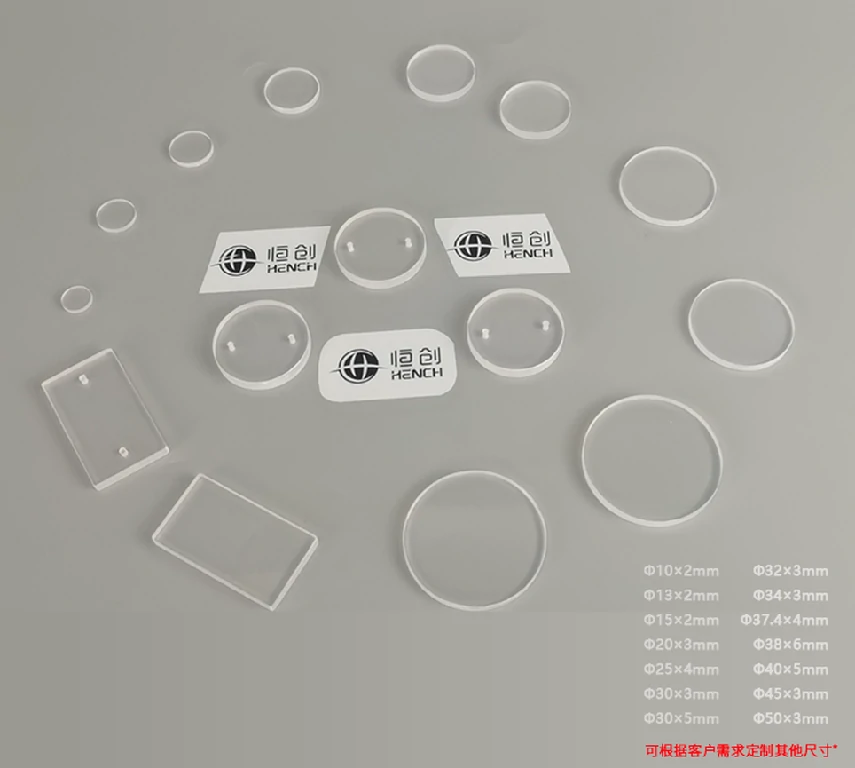
2.Materials of Common Infrared Window Glasses, let’s make a comparison here
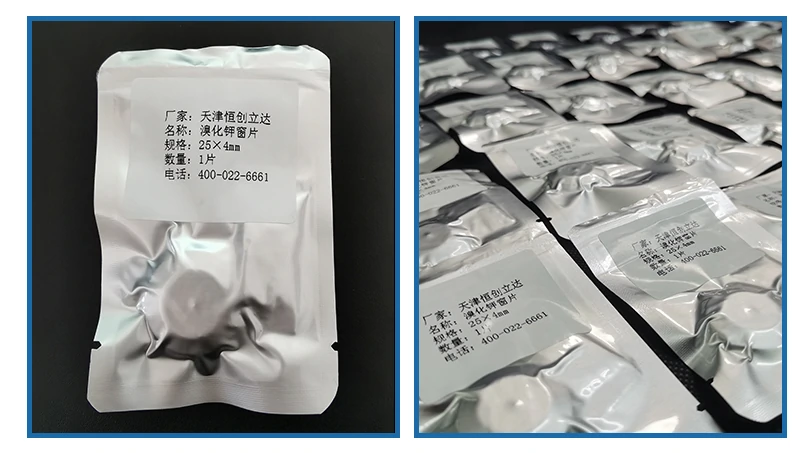
2.1 Potassium bromide
Advantages: High transmittance (≥92%), low price, suitable for the conventional mid-infrared wavelength range (4000 – 400 cm-1)
Suitable for the analysis of dry solid/liquid samples, routine laboratory qualitative analysis
It should be noted that: Potassium bromide has strong hygroscopicity. It is prohibited to be in a water-containing or humid environment. It is prone to deliquescence and turn white.
2.2Calcium fluoride
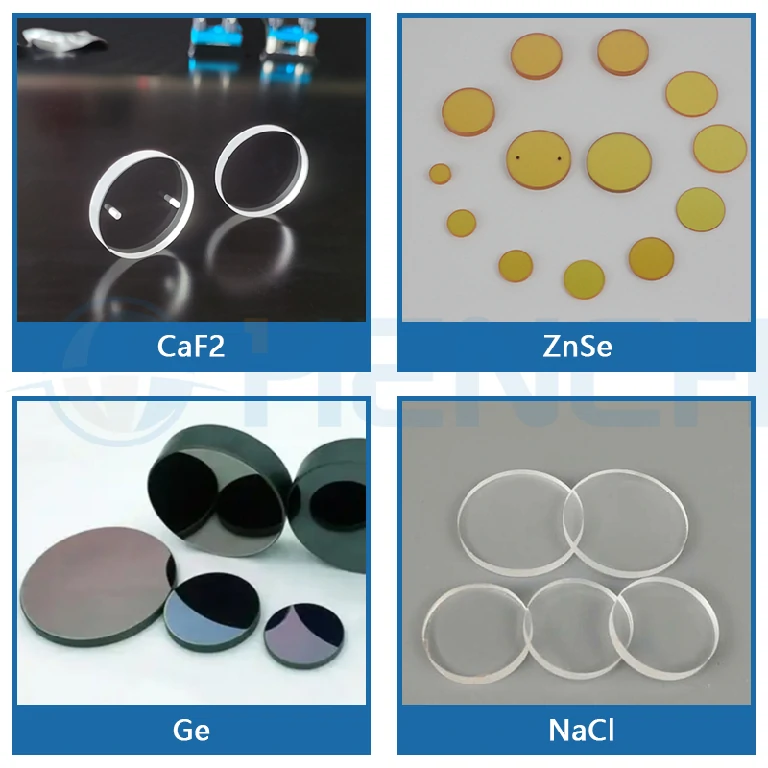
Advantages: Excellent water resistance, no moisture absorption, wide light transmission range (0.15 – 9 um), high cost performance
Suitable for water-containing sample testing, routine mid-infrared analysis, general use in the pharmaceutical and environmental protection industries
It should be noted: Low hardness, avoid being scratched by sharp objects
2.3 Zinc Selenide
Advantages: Resistant to acid and alkali corrosion, high mechanical strength, ultra-wide light transmission range (0.5 – 22 microns), waterproof
Suitable for complex samples containing acids and alkalis, and for far-infrared testing
It should be noted: Avoid temperatures above 300°C
2.4 Germanium
Advantages: Completely non-absorbent to water, resistant to high temperatures, suitable for mid-to-long infrared (2-15um)
Suitable for high-temperature aqueous samples, high-end precision testing, and infrared imaging accessories
Note: It needs to be used in combination with a light-transmitting film.
2.5 Sodium chloride
Advantages: Low price, good mid-infrared transmittance
Suitable for temporary testing of dried samples with limited budget
Note: Strong hygroscopicity, prone to deliquescence, poor stability, only suitable for short-term use
3.The Basic Principles of Window Shards
The fundamental principle of window shards lies in their optical properties. They do not change the direction of light, but they do affect its transmission. When light passes through a window shard, some of it is reflected, some is absorbed, and the rest is transmitted. This depends on the material and surface treatment of the window shard. For example, in visible light applications, window shards need high light transmittance to ensure clear images; while in infrared or ultraviolet applications, the use of diverse materials can allow transmission of specific wavelengths while blocking other interferences. This leads to the question: Why not replace window shards with ordinary glass? The answer is that ordinary glass may not meet specific requirements, such as high temperature resistance, corrosion resistance, or specific spectral requirements. Window shards are specially designed to adapt to harsh environments, such as high pressure, large temperature differences, or chemical exposure, ensuring the long-term stable operation of equipment.
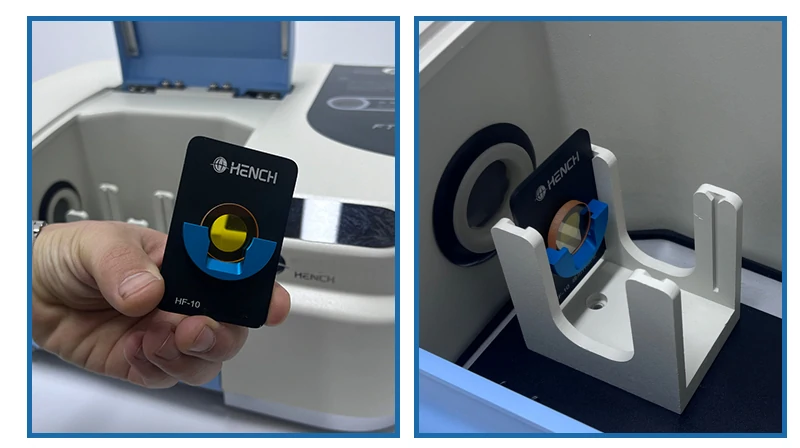
4.How to Select Quickly?
Qualitative determination of regular dry samples: Potassium bromide is preferred;
Testing in humid/wet environments: Calcium fluoride is the first choice;
Industrial samples containing acids and bases: Zinc selenide is selected;
High temperature/high-end precision tests: Germanium (with anti-reflection coating) is chosen.
Have you learned it?
About Hench
Hench is a trusted lab equipment supplier dedicated to providing high-precision analytical instruments and innovative solutions for laboratory professionals worldwide. With decades of industry experience, Hench offers a comprehensive range of FTIR spectrometers, IR window components, accessories, and calibration tools designed to support quality control, research, and industrial testing applications. Committed to product reliability, technical excellence, and responsive customer service, Hench empowers laboratories to achieve accurate results, streamline workflows, and advance scientific discovery.