.png)
.png)


News
-
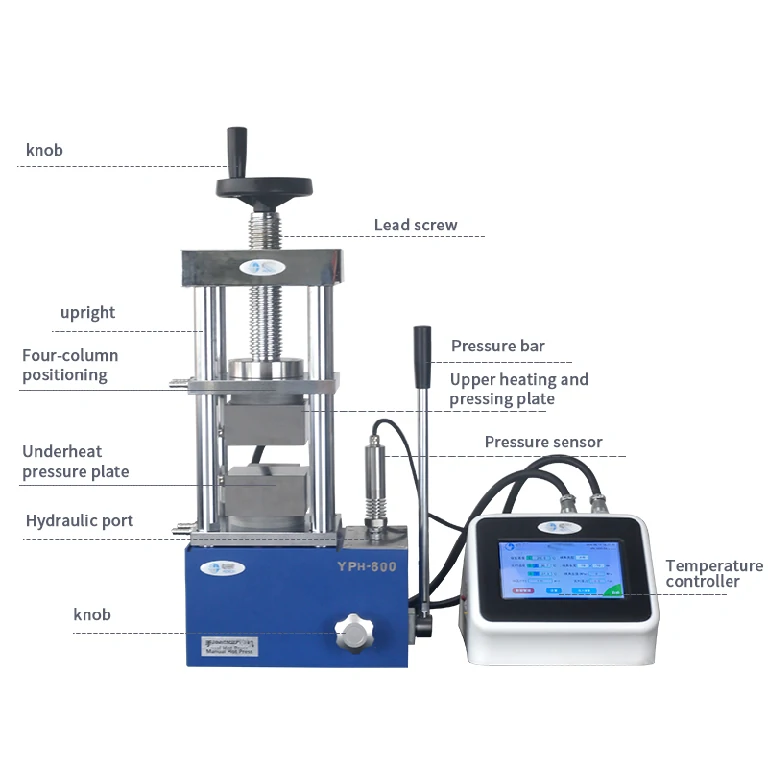
Hench Customer Case: Singapore University — Hot Pressing of Polymer-Sensitive Materials
Read moreOverview This solution combines a manual heated press with a glovebox, addressing the critical need for environmental protection during the hot pressing of highly sensitive, easily oxidized, hygroscopic, and highly reactive samples. It has been widely applied in lithium batteries, advanced materials, semiconductors, and academic research. Below are real-world application examples from diverse industries, detailing […]
-
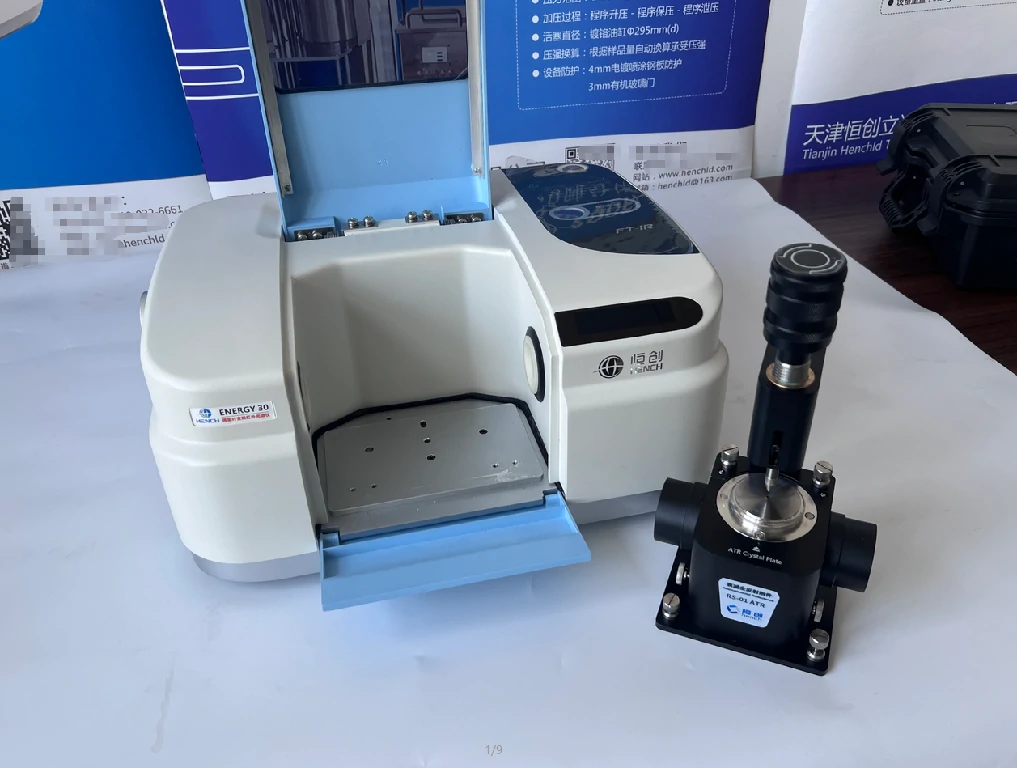
FTIR Applications in the Chemical Industry: Raw Material Identification and Quality Control
Read moreRaw Material Identification and Quality Control from an Instrument Supplier’s Perspective In the chemical industry, raw material quality is the foundation of product consistency, process stability, and operational safety. Incorrect material identification, grade mismatch, or hidden adulteration can lead to reaction failure, batch rejection, equipment fouling, and even serious safety incidents. Fourier Transform Infrared Spectroscopy […]
-
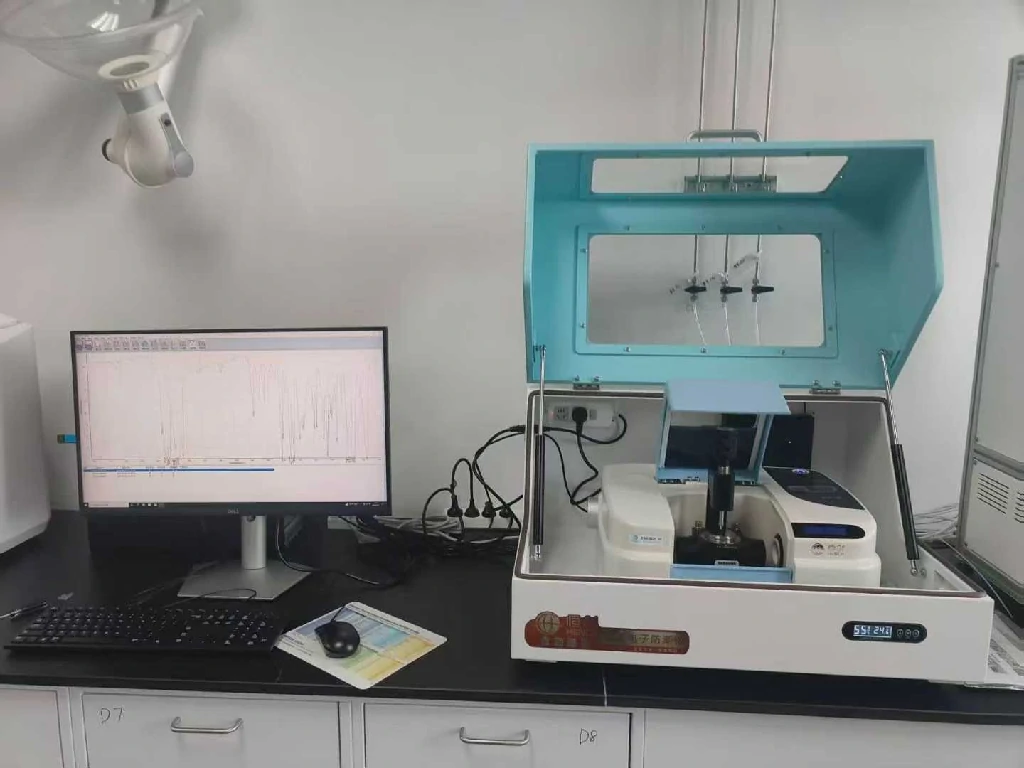
How Do Daily Calibration and Performance Verification Ensure Accurate FTIR Spectrometer Results?
Read moreIn modern laboratories, the reliability and repeatability of Fourier Transform Infrared (FTIR) spectrometers are crucial for accurate material analysis. Daily calibration and performance verification are essential practices that ensure instruments deliver consistent results, minimize measurement errors, and maintain compliance with regulatory standards. But how exactly do these procedures work, and why are they indispensable for […]
-
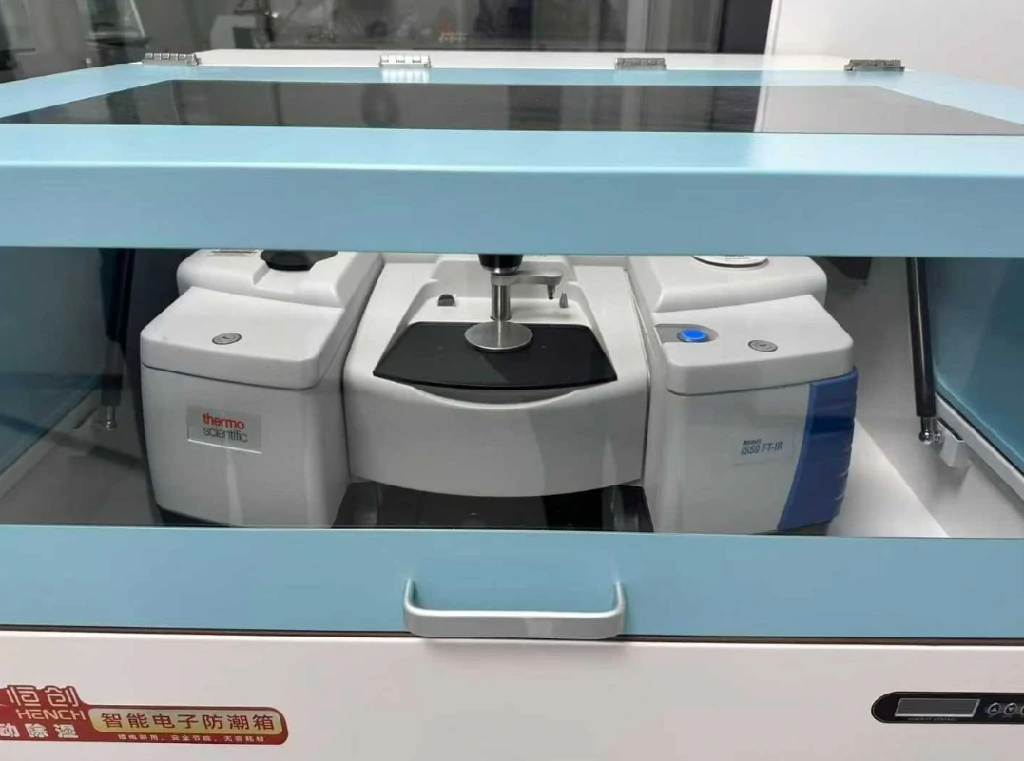
Hench Implements MRD-300Plus Infrared Desiccator for Coastal Laboratory
Read moreCustomer Background A leading Southeast Asian polymer materials company specializes in high-performance polymer research and development. Their laboratory is equipped with two Fourier-transform infrared (FTIR) spectrometers and one infrared microscope, primarily used for polymer structure characterization and compositional analysis. The lab routinely stores large quantities of polymer powders, infrared standards, and precision testing accessories. Located […]