Rastreo espectral FTIR: Análisis preciso para los laboratorios
27 de mayo de 2026
En numerosos campos de investigación y ensayo, como el desarrollo de materiales, la inspección de la calidad química, la biomedicina y los ensayos medioambientales, la identificación precisa de los componentes de las sustancias, el análisis de las estructuras moleculares y el control de la calidad de los productos son las principales prioridades de los laboratorios.
Los métodos de detección tradicionales suelen ser engorrosos, lentos y muy destructivos, lo que dificulta satisfacer la demanda moderna de pruebas eficaces, precisas y no destructivas. Sin embargo, los avanzados FTIR (La tecnología de espectroscopia de infrarrojos por transformada de Fourier, con sus exclusivas ventajas de reconocimiento molecular, se ha convertido en el medio fundamental para el análisis cuantitativo y cualitativo de laboratorio. A través de la tecnología de trazabilidad espectral, potencia plenamente el trabajo de análisis de laboratorio con refinamiento, estandarización e inteligencia.
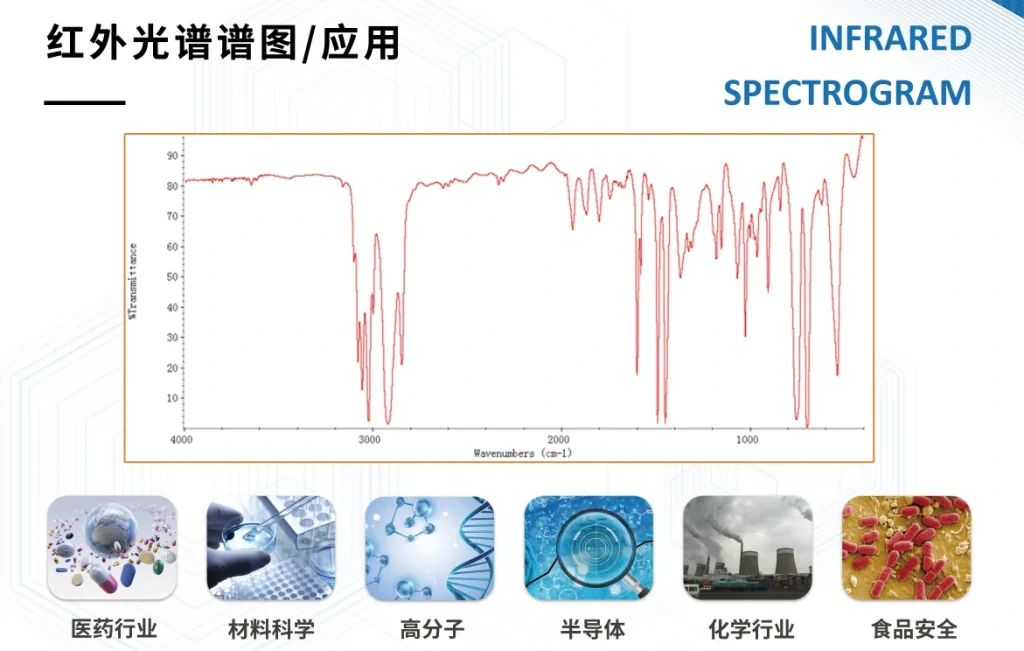
Descifrar la "huella espectral": El principio básico del análisis infrarrojo
Todo tiene una "huella espectral", que es el principio básico del análisis por espectroscopia de infrarrojos. Como las estructuras moleculares y las frecuencias de vibración de las distintas sustancias varían, forman curvas espectrales de absorción únicas bajo la irradiación de luz infrarroja.
Alta precisión FTIR capturan y analizan estas señales espectrales, ajustándose con precisión a los espectros característicos de las sustancias objetivo. Sin un preprocesamiento de muestras complejo y laborioso, los laboratorios pueden completar rápidamente:
- Identificación de la composición de la sustancia
- Detección y control de la pureza
- Análisis estructural molecular
Al lograr realmente la identificación espectral de las sustancias y rastrear su esencia molecular, esta tecnología proporciona un soporte de datos científico, fiable e inalterable para los análisis críticos de laboratorio.
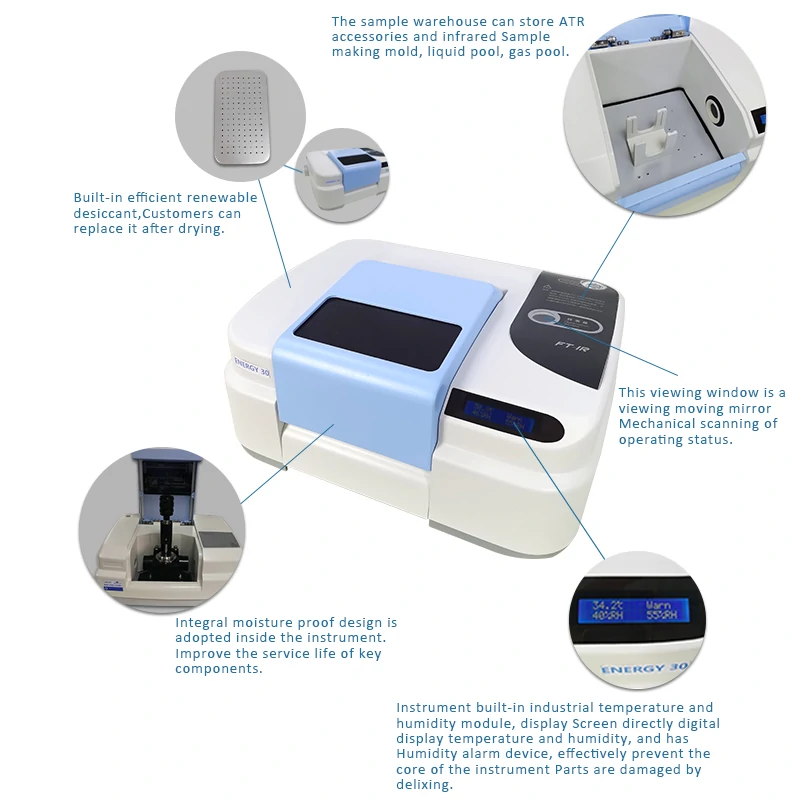
Ventajas técnicas: alta eficacia, no destructividad y gran precisión
En comparación con los equipos tradicionales de detección química, los modernos FTIR ofrecen ventajas sustanciales en cuanto a eficacia, seguridad e integridad de los datos:
- Ensayos no destructivos (END): Para diversas formas de muestra -incluidos sólidos, líquidos y polvos- el equipo elimina la necesidad de dañar la propia muestra. Esto preserva la integridad de las muestras experimentales y reduce significativamente el coste de los costosos materiales experimentales.
- Rechazo inteligente de interferencias: Basándose en sistemas ópticos de alta precisión y algoritmos inteligentes, el equipo evita eficazmente las interferencias de impurezas, garantizando datos de detección estables y altamente repetibles.
- Capacidad de análisis escalable: La tecnología se adapta sin problemas desde el análisis de muestras traza necesario en la investigación básica hasta el cribado rápido por lotes de alto rendimiento necesario en la inspección de calidad industrial, lo que mejora significativamente la eficacia general de las pruebas de laboratorio.
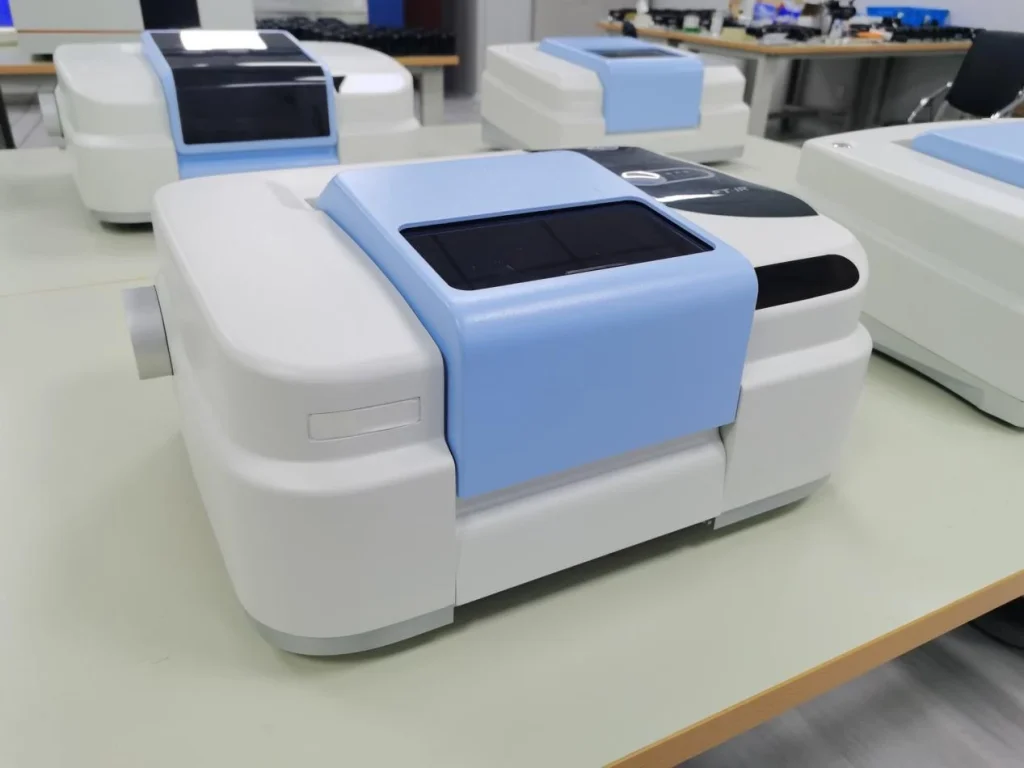
Escenarios de aplicación multiindustrial: El equipo básico estándar
Hoy, FTIR se han convertido en equipos básicos estándar e indispensables en una amplia gama de laboratorios:
| Tipo de laboratorio | Aplicaciones y funciones básicas |
| Laboratorios de materiales | Caracterización estructural de polímeros y materiales compuestos; asistencia en I+D sobre formulación de nuevos materiales y mejora del rendimiento. |
| Laboratorios químicos | Detección precisa de la pureza de materias primas químicas, productos intermedios y productos acabados para controlar estrictamente la calidad de la producción. |
| Biomedicina | Análisis rápido de componentes farmacéuticos complejos e identificación de medicamentos auténticos frente a falsificados para garantizar la seguridad de los medicamentos. |
| Laboratorios medioambientales | Detección rápida de componentes contaminantes, que proporciona una base de datos fiable para la vigilancia del medio ambiente y la gestión del cumplimiento de la normativa. |
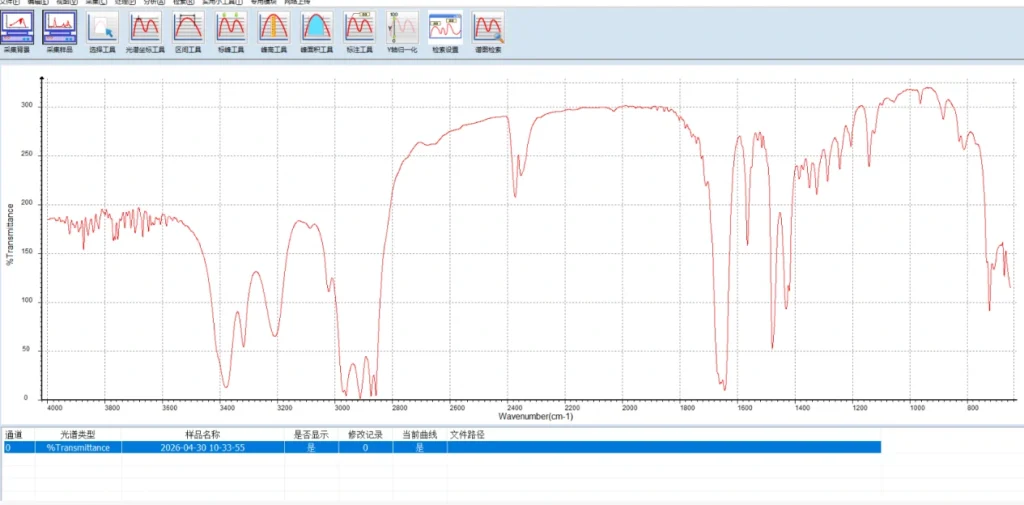
Conclusiones: Redefinición del sistema de análisis de laboratorio
La tecnología potencia los experimentos, y la precisión aporta profesionalidad. En una época en la que la innovación en la investigación científica y las normas de control de calidad son cada vez más estrictas, FTIR rompe las limitaciones de los métodos de detección tradicionales.
Con sus ventajas fundamentales de trazabilidad precisa, funcionamiento eficaz y seguridad no destructiva, redefine el sistema de análisis de laboratorio. Desde la exploración de la investigación científica básica hasta la inspección de calidad precisa industrializada, desde las muestras traza hasta el cribado de lotes, los espectrómetros de infrarrojos potencian continuamente diversos laboratorios. Desvelan los misterios de las sustancias con datos espectrales precisos, ayudando a las industrias a introducir innovaciones en la investigación científica, mejorar los estándares de detección y sentar unas bases científicas sólidas para el control de calidad global.