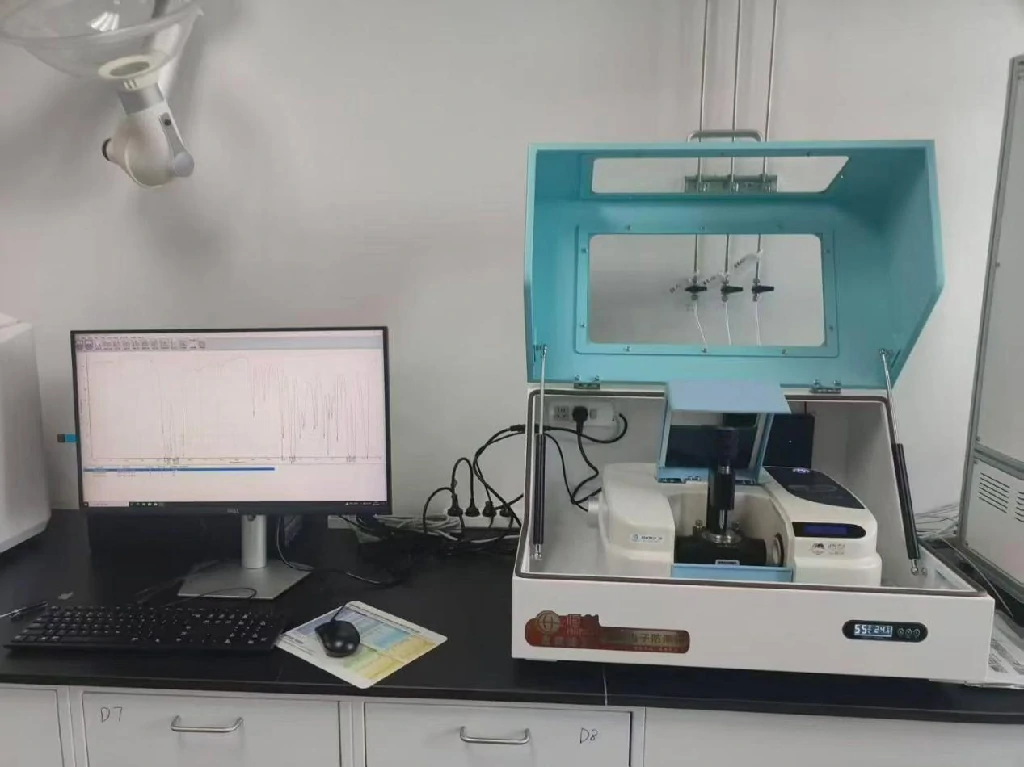
Campos de aplicación de FTIR
18 de marzo de 2026
Basándose en la demanda actual del mercado y en la adaptabilidad técnica de los instrumentos fabricados en China, Espectrómetros de infrarrojos con transformada de Fourier (FTIR) se aplican principalmente en tres sectores básicos: investigación y docencia universitarias, industria farmacéutica y control de calidad industrial (incluidas las industrias química y de materiales).
Entre ellas, la investigación universitaria y el sector farmacéutico representan la mayor parte del usoque constituyen la base principal de aplicación de los instrumentos FTIR nacionales en China. Esta distribución se alinea estrechamente con los puntos fuertes de los equipos fabricados localmente, incluyendo alta rentabilidad, asistencia técnica localizada y gran compatibilidad con los requisitos analíticos rutinarios.
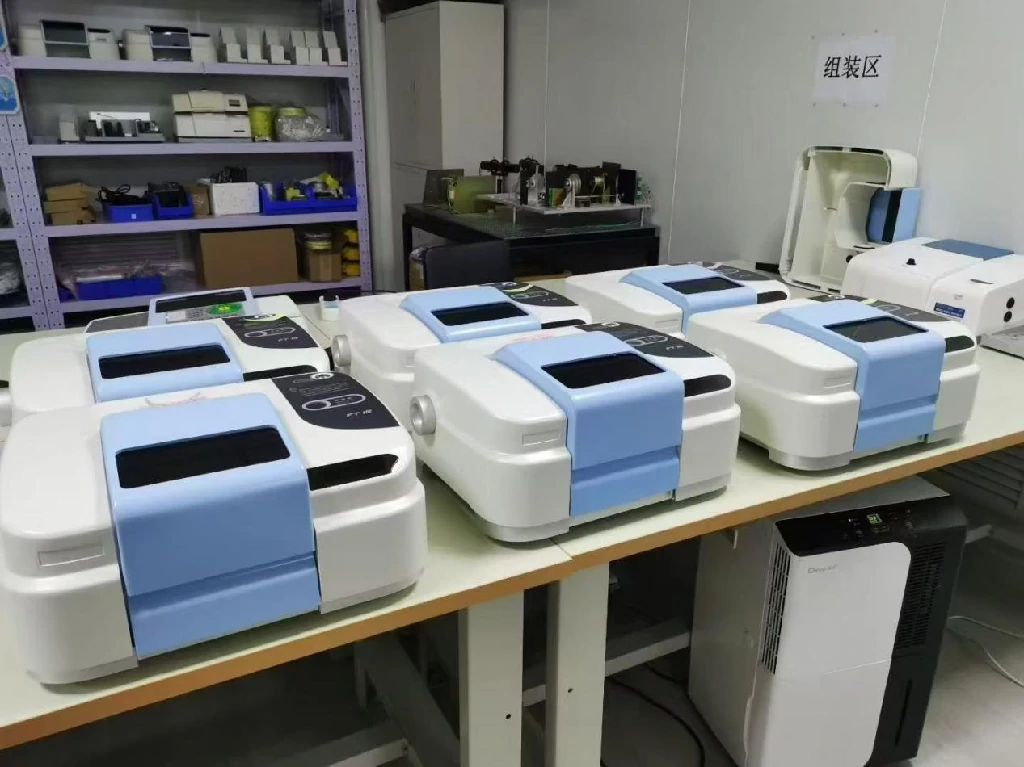
Investigación y docencia universitarias
(Mayor segmento de aplicación con la cobertura más amplia)
Los laboratorios universitarios representan el campo de aplicación más extenso para FTIR en China, con aproximadamente 42% de la cuota de mercado total. Casi todas las universidades que ofrecen programas de química, ciencia de los materiales, ciencias medioambientales y biología están equipadas con sistemas FTIR. Este sector es también el que ha adoptado más temprana y ampliamente los instrumentos nacionales.
FTIR se utiliza ampliamente para:
- Experimentos didácticos fundamentales (identificación de estructuras moleculares, análisis espectral de infrarrojos)
- Investigación de grado y posgrado (desarrollo de nuevos materiales, control de reacciones, análisis estructural)
Los instrumentos FTIR domésticos son especialmente adecuados para este segmento debido a:
- Interfaces fáciles de usar (incluidos los sistemas en chino)
- Bajos costes de mantenimiento
- Servicio posventa local rápido y fiable
Estas ventajas hacen que tanto los modelos didácticos básicos como los instrumentos de investigación de gama media resulten muy atractivos para las universidades que operan con limitaciones presupuestarias al tiempo que exigen un rendimiento analítico fiable.
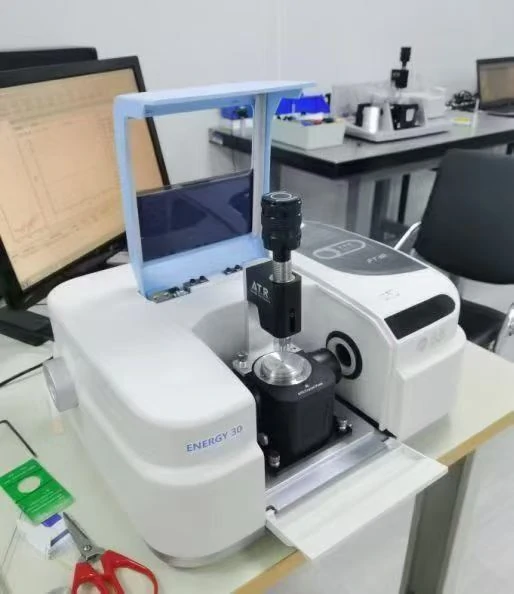
Industria farmacéutica
(Sector industrial de gran demanda y crecimiento continuo)
La industria farmacéutica es una de las áreas de aplicación industrial más importantes para FTIR, con aproximadamente 31,5% de la cuota de mercadoLa demanda aumenta año tras año.
FTIR desempeña un papel fundamental en toda la cadena de producción farmacéutica, incluyendo:
- Identificación cualitativa de principios activos farmacéuticos (API)
- Pruebas de pureza de las materias primas
- Control de calidad del producto acabado
- Evaluación de la coherencia de los medicamentos
Los instrumentos FTIR domésticos ofrecen importantes ventajas a las empresas farmacéuticas, especialmente a las pequeñas y medianas empresas:
- Cumplimiento de las normas locales (como los métodos GB) mediante soluciones analíticas personalizadas
- Menores costes de adquisición y explotación (normalmente 30-50% de instrumentos importados)
- Rápida respuesta del servicio local a las necesidades de pruebas en la línea de producción
Como resultado, los sistemas FTIR nacionales se utilizan ampliamente para probar materias primas, excipientes y formulaciones farmacéuticas acabadas, y se están convirtiendo en un motor clave en la sustitución de los instrumentos importados.
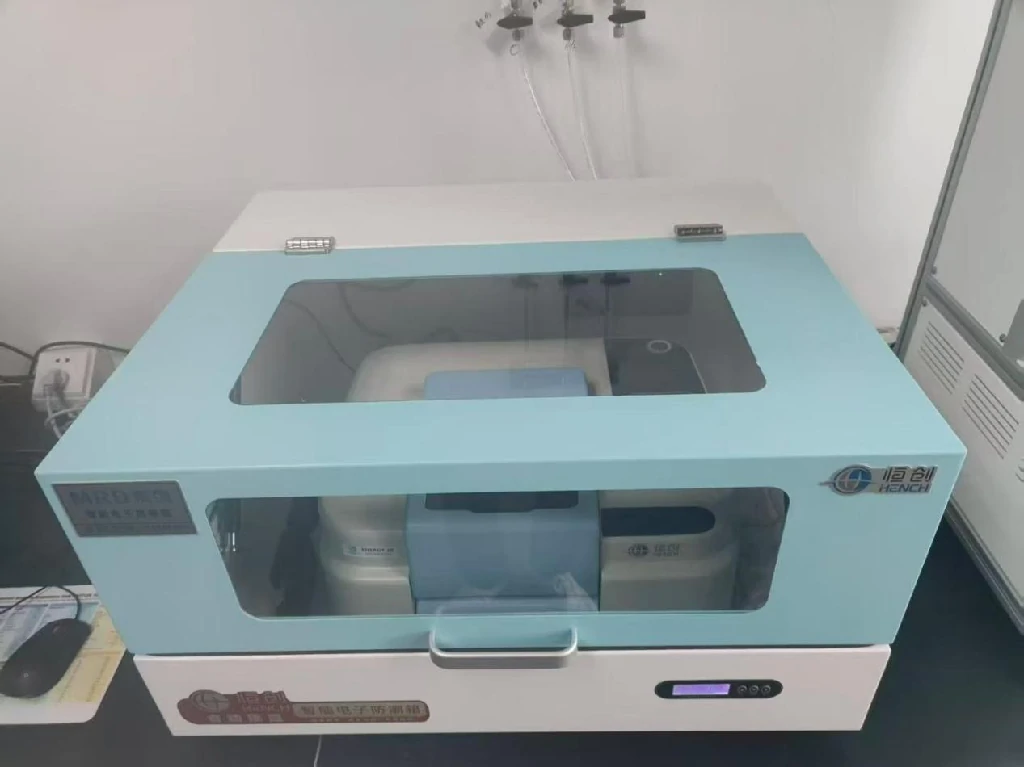
Control de calidad industrial
(Escenarios de aplicación industrial más amplios)
Control de calidad industrial, especialmente en ingeniería química, materiales poliméricos y materiales avanzadosrepresenta aproximadamente 24,8% de aplicaciones FTIR. Este segmento representa el caso de uso industrial más diverso y ampliamente distribuido.
Las aplicaciones típicas son:
- Inspección de entrada de materias primas químicas
- Análisis de composición de polímeros (plásticos, caucho, fibras)
- Supervisión de procesos en tiempo real
- Inspección de la calidad del producto (envejecimiento, impurezas, defectos)
Los instrumentos FTIR domésticos se adaptan bien a los entornos industriales gracias a:
- Diseño robusto (resistente a las vibraciones y a la humedad)
- Escaneado rápido y detección multimuestra
- Compatibilidad con sistemas de supervisión automatizados y en línea (en los modelos de gama alta)
Estas características las hacen especialmente adecuadas para las pequeñas y medianas empresas manufactureras que buscan soluciones de control de calidad eficaces y escalables.
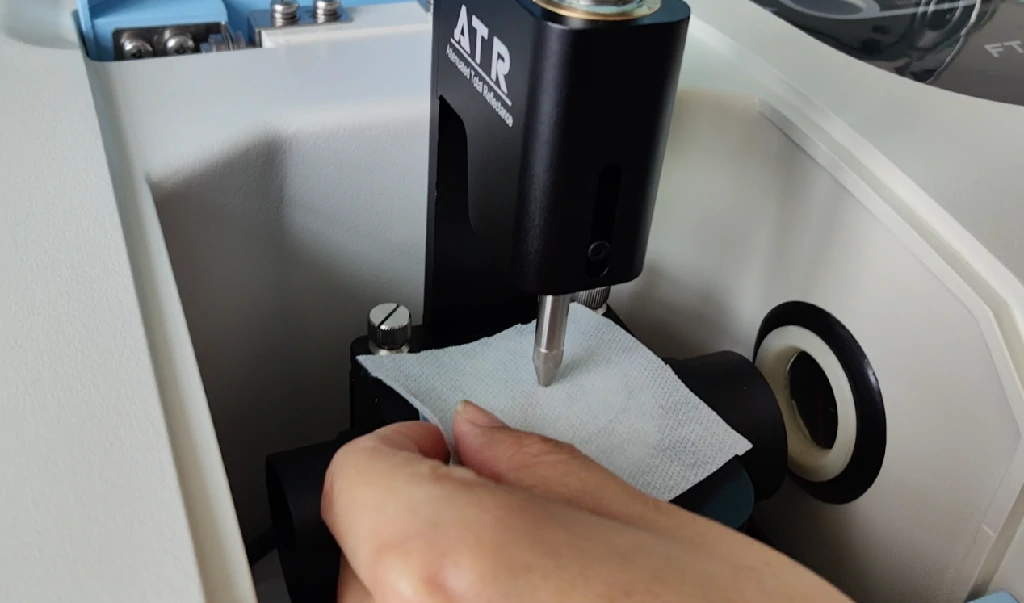
Nuevas áreas de aplicación
(Segmentos de mayor crecimiento)
Más allá de los tres sectores principales, FTIR está experimentando un rápido crecimiento en:
- Control medioambiental (análisis de contaminantes del aire, el agua y el suelo)
- Laboratorios de pruebas de terceros (análisis cualitativos y cuantitativos de rutina)
Este segmento está creciendo a un ritmo superior al 12% anualimpulsado por el aumento de los requisitos normativos y la concienciación medioambiental.
Además, FTIR se está expandiendo en:
- Pruebas de seguridad alimentaria
- Análisis forense
Gracias a sus ventajas en cuanto a coste, flexibilidad y adaptabilidad, los instrumentos FTIR nacionales están conquistando gradualmente una cuota de mercado de gama media y sustituyendo a las alternativas importadas en estos campos emergentes.
Conclusión
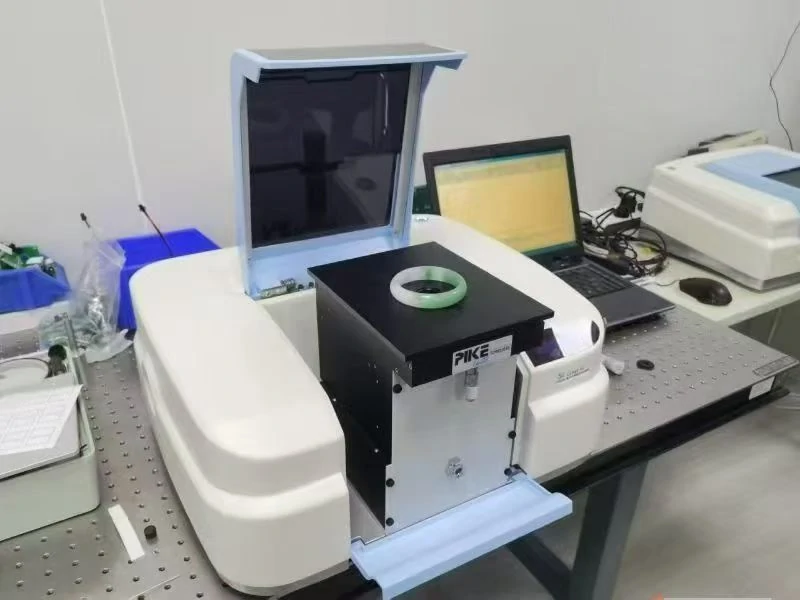
En general, la investigación y la docencia universitarias siguen siendo el campo de aplicación más adoptadomientras que el los sectores de la industria farmacéutica y el control de calidad industrial representan la mayor demanda industrial.
En conjunto, estos tres segmentos representan más de 90% del mercado nacional de FTIRdemostrando claramente los puntos fuertes de los instrumentos fabricados en China:
- Gran idoneidad para las necesidades analíticas rutinarias
- Relación calidad-precio competitiva
- Asistencia localizada fiable
Estas ventajas posicionan a los sistemas FTIR nacionales como una fuerza clave en la sustitución en curso de los instrumentos importados y la rápida expansión del mercado de instrumentación analítica.