Why Does an Infrared Spectrometer Need a Dedicated Moisture-Proof Box?
April 1, 2026
Have you ever experienced this situation? During the rainy season or in high-humidity conditions, your infrared spectrometer begins to behave abnormally. It may fail to complete self-checks, show unstable signals, or produce spectra dominated by water vapor peaks. In severe cases, critical components such as the beam splitter and detector can be permanently damaged, resulting in expensive repairs and unexpected downtime.
The root cause behind these issues is humidity. Infrared spectrometers are highly sensitive to moisture, and even small fluctuations can significantly affect performance, accuracy, and lifespan. This is why a dedicated moisture-proof solution is essential for laboratories and research facilities.
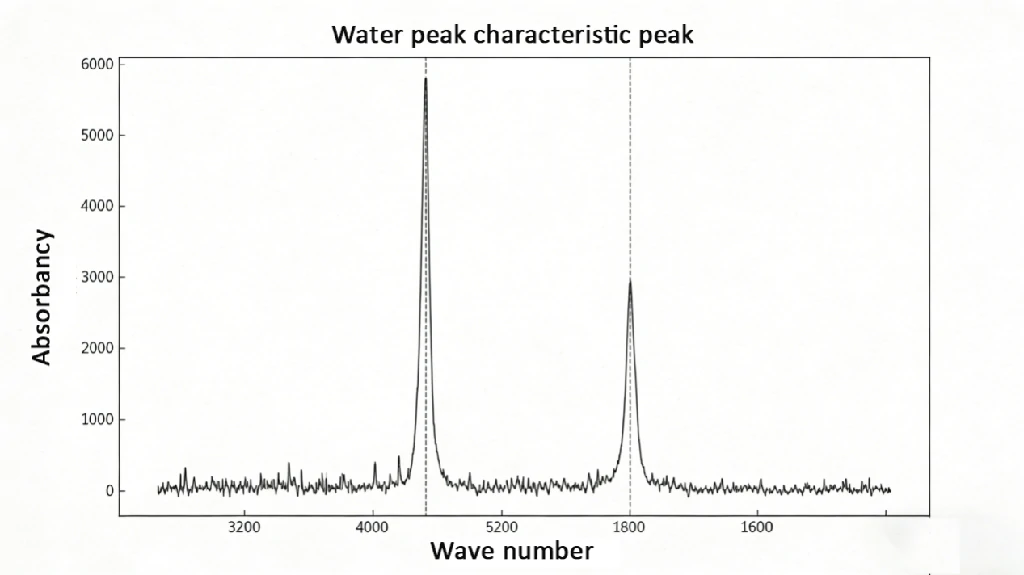
How Humidity Affects Infrared Spectrometer Performance
Infrared spectrometers rely on precise optical and electronic systems. When exposed to excessive humidity, multiple risks arise:
- Optical components such as mirrors and beam splitters can develop condensation or mold, reducing light transmission efficiency
- Detectors, including MCT and DTGS, may suffer from signal drift, increased noise, and reduced sensitivity
- Internal mechanical structures and optical paths may corrode or shift, leading to poor repeatability and unreliable data
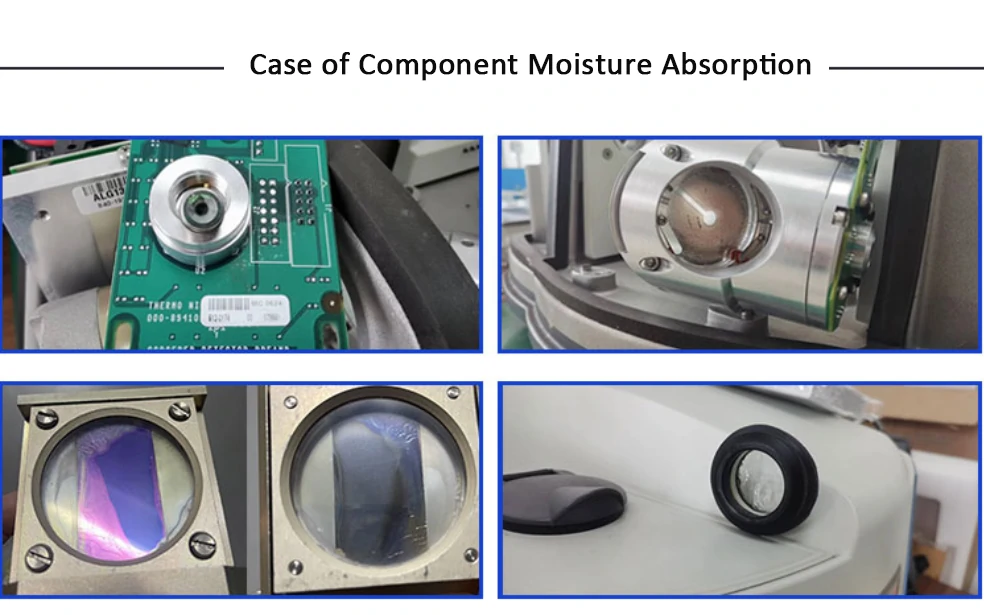
To maintain stable operation, the recommended humidity range for infrared spectrometers is typically between 20% and 50% RH. Deviations outside this range can directly impact analytical results.
Limitations of Traditional Dehumidification Methods
Many laboratories attempt to control humidity using standard dehumidifiers. However, these devices are not designed for precision instrument protection:
- They cannot provide continuous 24-hour humidity control
- Their operation depends on water tank capacity and manual maintenance
- They regulate room humidity, not the micro-environment surrounding the instrument
In practice, most moisture-related damage occurs during unattended periods such as nights, weekends, or long holidays. Without continuous protection, the risk of instrument failure increases significantly.
Why a Dedicated Moisture-Proof Box Is the Optimal Solution
A dedicated moisture-proof enclosure creates a stable, controlled micro-environment specifically for the infrared spectrometer, independent of external conditions.
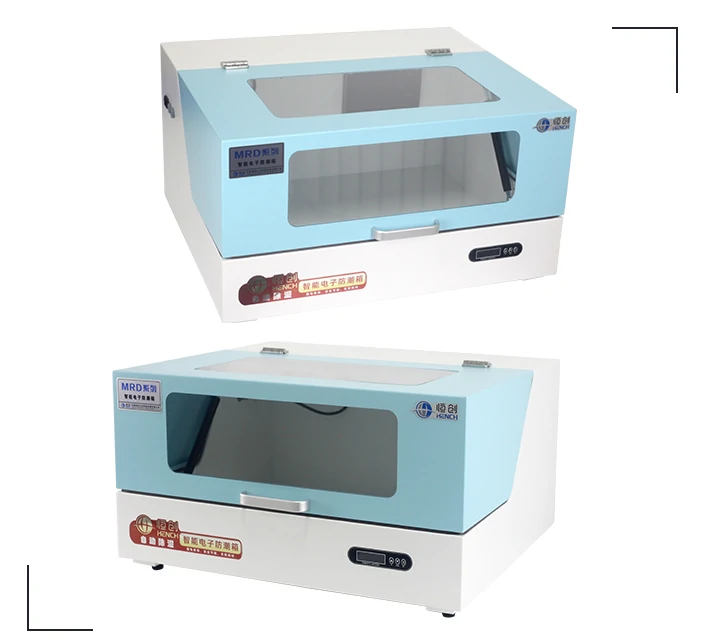
The FTIR Moisture-proof box is designed to provide continuous and precise humidity control for sensitive analytical instruments.
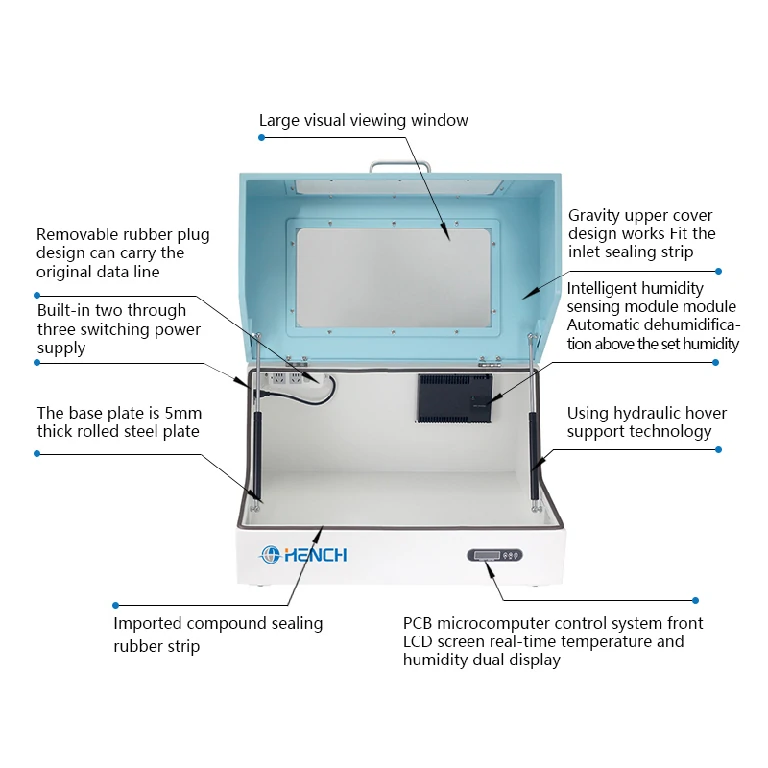
Working Principle
- Real-time monitoring through high-precision humidity sensors
- Moisture adsorption using a renewable molecular sieve layer
- Solid-state dehumidification technology to remove moisture from the enclosure
- Continuous regulation within a controlled range of 20% to 50% RH
Even during power interruptions, the system maintains passive moisture control, limiting humidity increase and protecting the instrument.
Key Advantages of Using a Moisture-Proof Cabinet
Stable and Precise Humidity Control
Electronic moisture-proof cabinets provide active humidity regulation with high accuracy (±3% RH). This ensures a consistently low-humidity environment, preventing condensation and material degradation.
Protection of Critical Components
By maintaining optimal humidity conditions, the system effectively prevents:
- Optical component contamination and reduced transmittance
- Detector instability and performance degradation
- Data drift and reduced measurement repeatability
This directly improves the reliability and consistency of analytical results.
Intelligent and Low-Maintenance Operation
- Fully automatic humidity control system
- No need for manual drainage or consumable replacement
- Quiet and safe operation suitable for laboratory environments
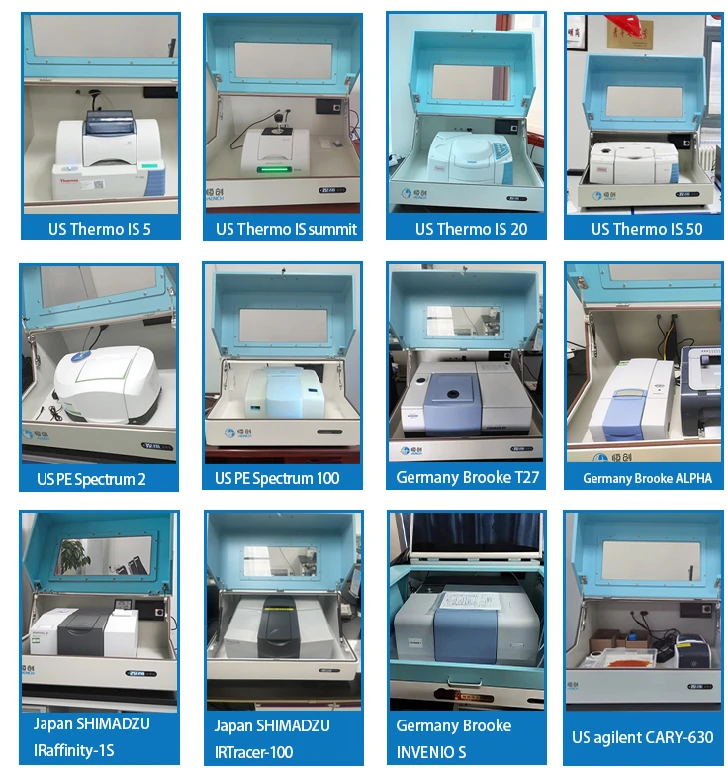
- Compatible with major infrared spectrometer brands such as Thermo Fisher, Bruker, Shimadzu, and others
Space-Efficient Design
The cabinet is designed with a compact structure and user-friendly access. Features such as flip-up doors and cable ports allow easy integration with existing laboratory setups without interfering with workflows.
Long-Term Economic Benefits
Humidity is one of the leading causes of failure in precision optical instruments. Investing in a moisture-proof cabinet provides measurable long-term value:
- Reduced maintenance frequency and downtime
- Lower replacement costs for expensive components
- Extended service life of the infrared spectrometer
- Improved laboratory productivity and operational stability
With low energy consumption and continuous operation capability, the system is ideal for universities, research institutes, pharmaceutical laboratories, and quality control centers.
Conclusion
A dedicated moisture-proof box is not just an accessory but a critical protection system for infrared spectrometers. By maintaining a stable and controlled humidity environment, it ensures the accuracy of analytical results, protects sensitive components, and significantly reduces operational risks.
For laboratories aiming to achieve consistent performance and long-term cost efficiency, adopting a professional moisture-proof solution is a smart and necessary investment.