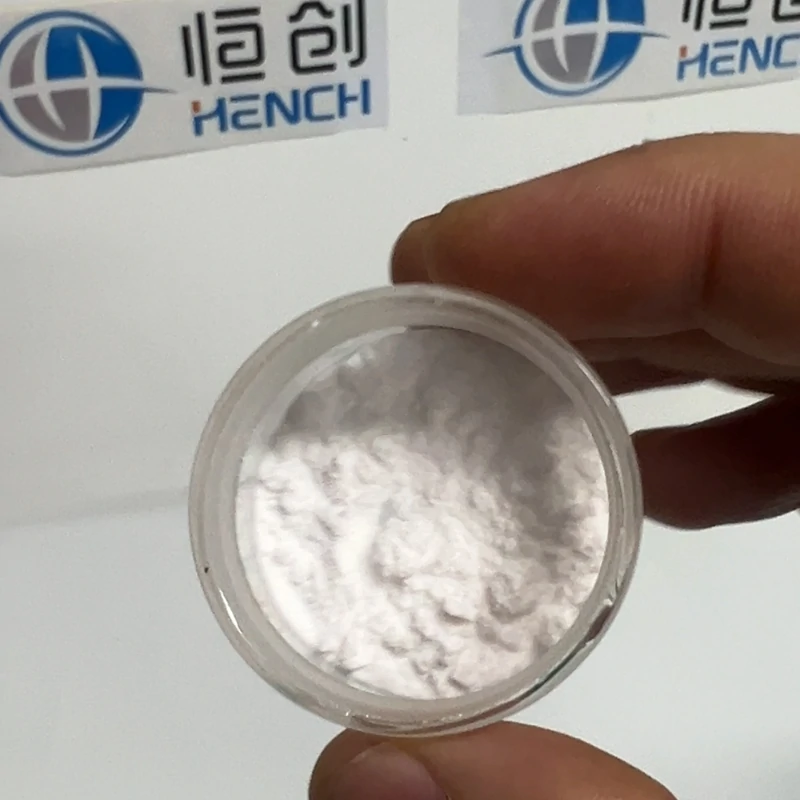
What’s the reason for cracking and chipping when demolding IR tablets?
December 30, 2025
There are always some newcomers who have just started working with Laboratory IR press who raise such questions. Today, I will share the reasons and solutions with you.
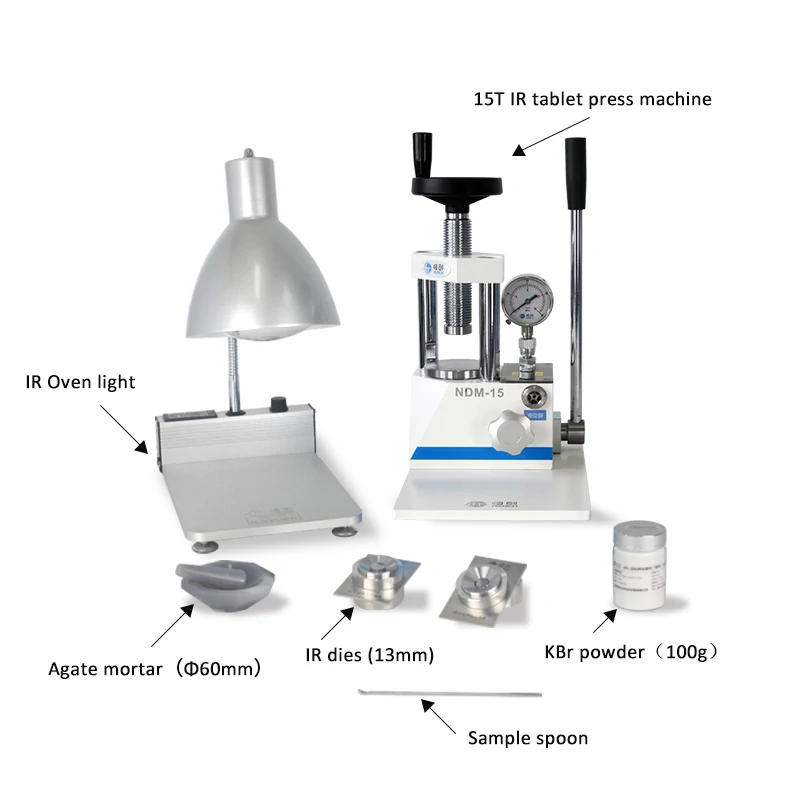
The reasons can be summed up in four points.
1. Inappropriate ratio of sample to KBr
This is the main reason.
If the proportion of the sample is too high, it will result in a decrease in the overall adhesiveness of the mixture, and the pressed tablets will have a loose texture. During demolding, they are prone to cracking and shedding of particles;
If the proportion of KBr is too high and the sample is not evenly dispersed, there will also be areas where the particles fall off due to a lack of adhesion force.
General ratio recommendation: The mass ratio of solid samples to KBr is usually 1:100 to 1:200. For the pressing experiment, it is necessary to do more hands-on practice and make appropriate adjustments to the ratio within a certain range.
2.Insufficient grinding and mixing, with coarse particles
The samples and KBr were not ground thoroughly, resulting in too large particle sizes. This would prevent the particles from closely adhering to each other during tablet pressing, leaving many voids. The tablet structure would be loose, and it would crumble and fall off when the mold was removed under force.
Furthermore, if moisture is introduced during the grinding process, or if KBr itself absorbs moisture, the particles will become clumped, resulting in uneven mixing and potentially causing insufficient strength in certain areas.
Solution: During the grinding process, try to operate in a dry environment. Grind the mixture until there is no obvious particle sensation (usually for 3 to 5 minutes), and ensure that the sample is fully mixed with KBr.
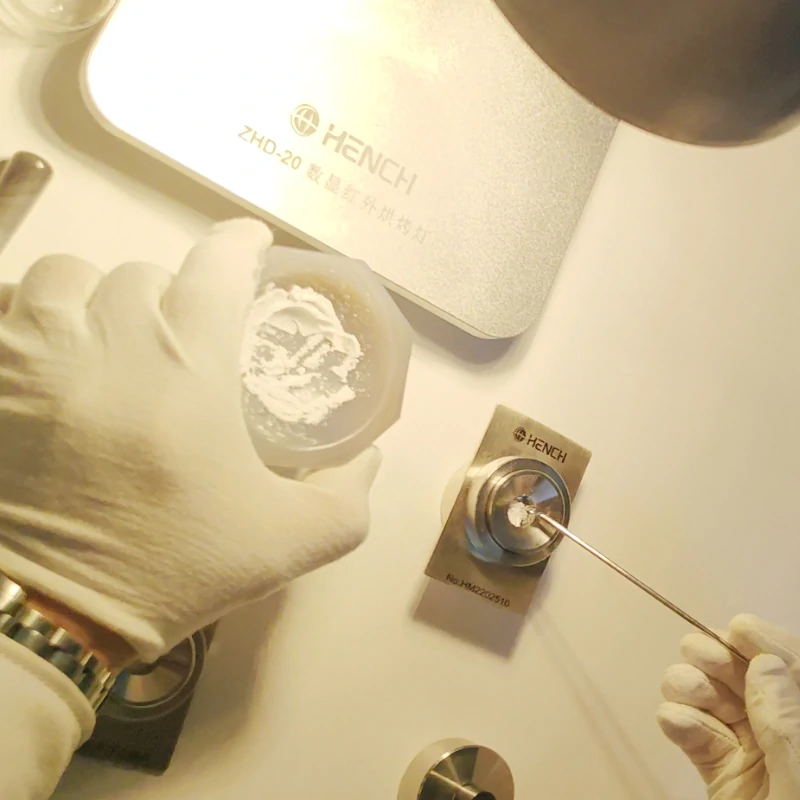
3.Inappropriate parameters for tablet pressing operation
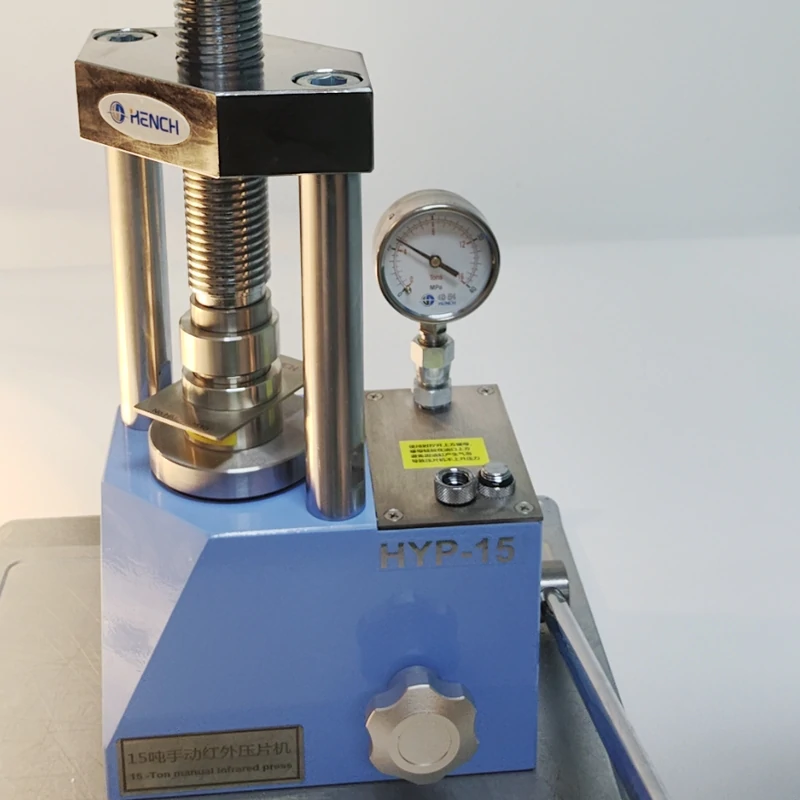
Insufficient pressure or too short holding time: Insufficient pressure prevents the particles from being compressed to the extent where the intermolecular forces can firmly bond them; too short holding time means the pressure cannot be evenly distributed throughout the sheet, resulting in a loose internal structure and easy cracking upon demolding. The conventional conditions are a pressure of 10 to 15 MPa and a holding time of 1 to 2 minutes.
Excessive pressure or rapid pressure application: The pressure exceeds the capacity of the mold and the sample, or the pressure application is too fast. Inside the sheet, internal stress will be generated. When the sheet is demolded, the stress release will cause cracking.
Improper operation before pressing: When placing the sample in the mold, before inserting the pressing rod, make sure to rotate the upper pressing rod to ensure the sample is evenly.
flattened.Improper demolding operation: If the force during demolding is too strong or uneven, or if the inner wall of the mold is not clean, it will cause the film to stick to the mold. When being peeled off, it will be torn and fall off with debris.
4.Quality Issues of KBr Reagent
If the purity of the used KBr is insufficient, contains impurities, or has absorbed moisture and become lumpy after long-term storage, it will directly affect the molding effect of the tablets, resulting in loose texture and easy cracking.
If the purity of the used KBr is insufficient, contains impurities, or has absorbed moisture and become lumpy after long-term storage, it will directly affect the molding effect of the tablets, resulting in loose texture and easy cracking. Solution: Select the spectral-grade KBr reagent from Tianjin Hengchuangda Company. Before use, dry it at 110-120℃ for 2-4 hours. When grinding and mixing the samples, operate under an infrared drying lamp. Store it in a desiccator for daily use and backup. Have you learned it?