.png)
.png)


news
-
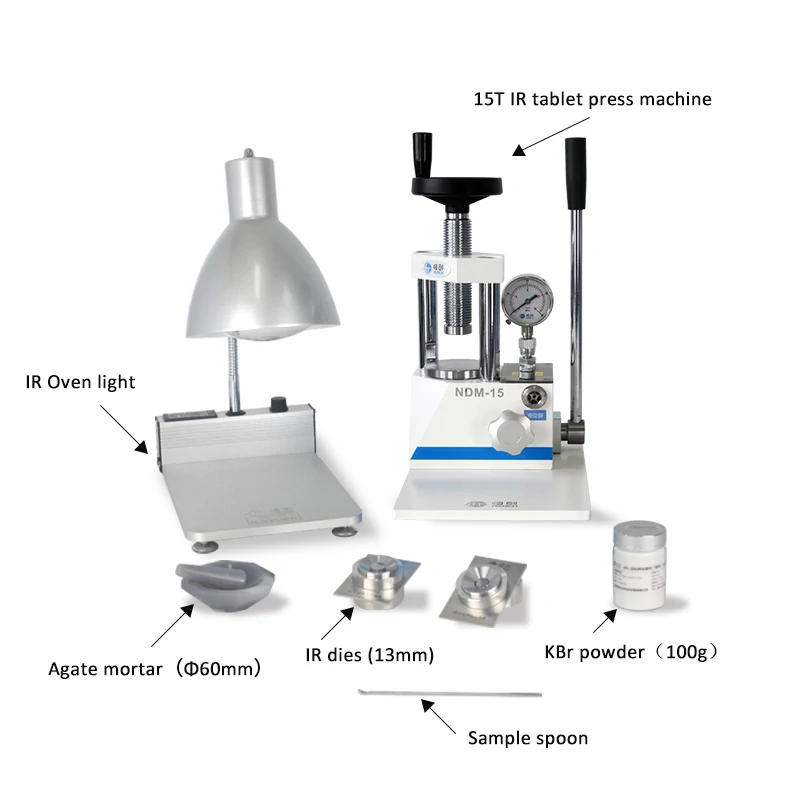
What’s the reason for cracking and chipping when demolding IR tablets?
Read moreThere are always some newcomers who have just started working with Laboratory IR press who raise such questions. Today, I will share the reasons and solutions with you. The reasons can be summed up in four points. 1. Inappropriate ratio of sample to KBr This is the main reason. If the proportion of the sample […]
-
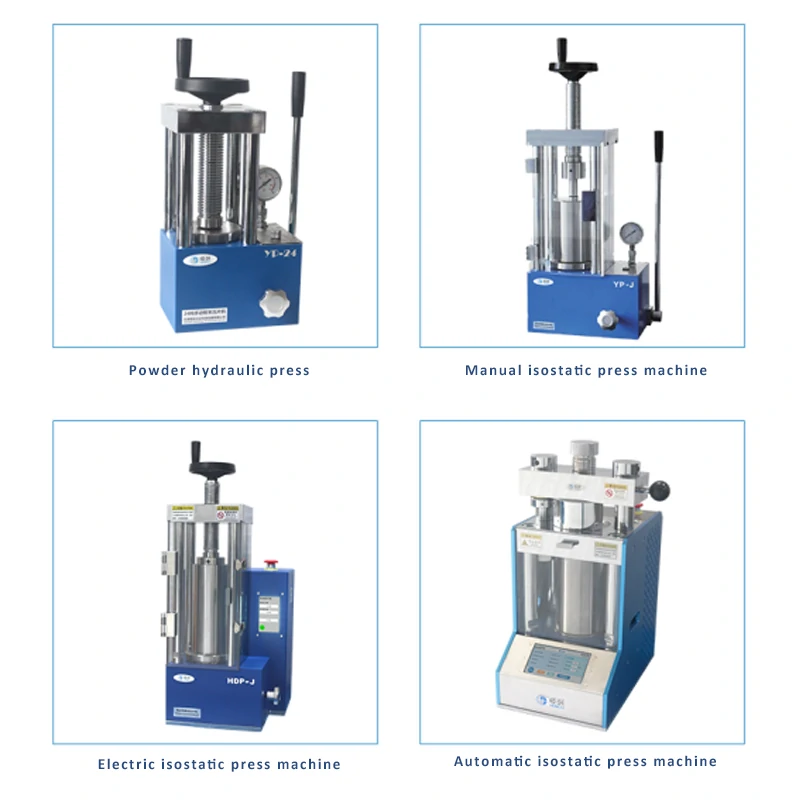
Isostatic Pressing Machine – Achieve Uniform Powder Formation
Read moreAre you still struggling with “hard edges and loose centers” in molded samples from traditional tablet presses? Frustrated by inconsistent pressure control, repeated experiments, and low qualification rates? The isostatic pressing machine, the “uniform pressure expert” in powder molding, uses liquid-mediated pressure and intelligent automatic control to deliver precise, uniform compaction. It transforms your material […]
-
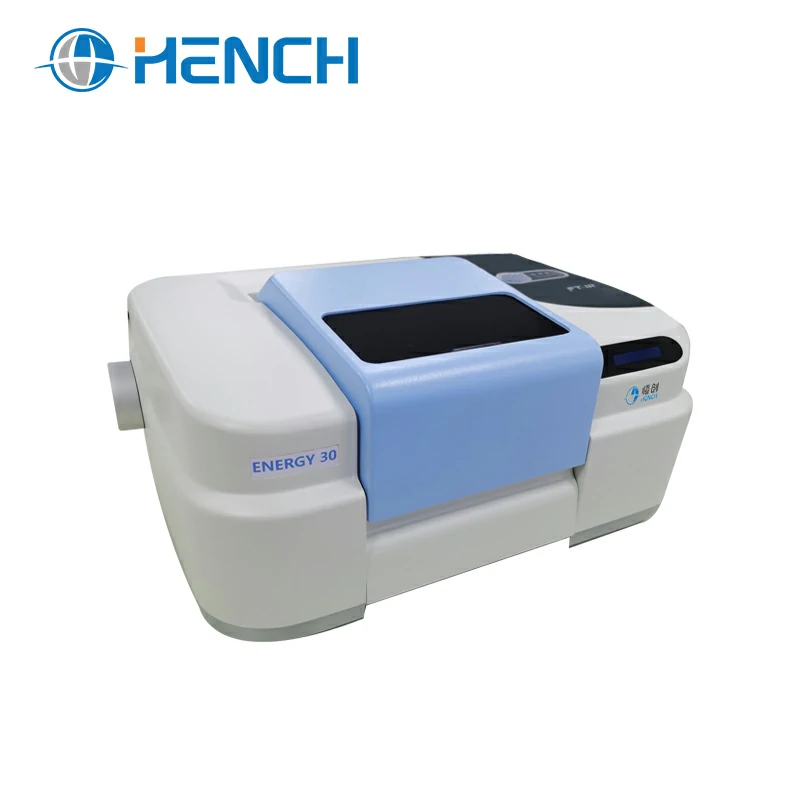
What is FTIR Spectroscopy: Your Expert Guide to 5 Key Industrial Applications in 2025
Read moreAbstract Fourier transform infrared (FTIR) spectroscopy is a versatile and non-destructive analytical technique that provides detailed information about the chemical composition and molecular structure of a sample. The method operates by irradiating a sample with a broad range of infrared light and measuring the absorption at specific wavelengths. Each chemical bond within a molecule vibrates […]
-
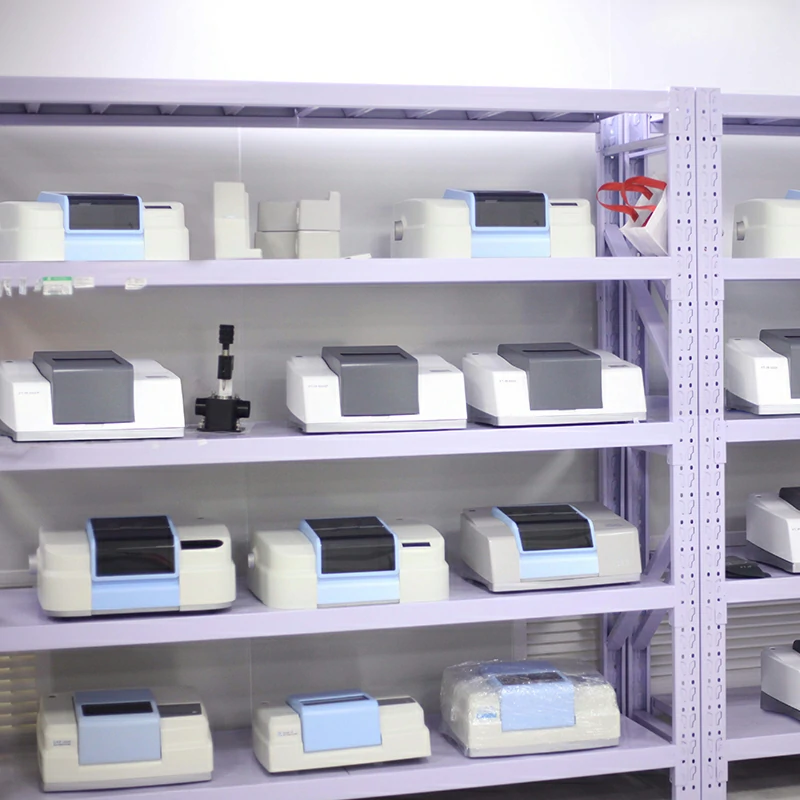
An Expert’s 5-Step Guide: How Does FTIR Work in 2025?
Read moreAbstract Fourier Transform Infrared (FTIR) spectroscopy is a powerful analytical technique used for the identification and quantification of molecular compounds in a vast array of sample types, including solids, liquids, and gases. The methodology operates by irradiating a sample with a broadband infrared light source. The core of an FTIR instrument is the Michelson interferometer, […]