



Guía del experto: 7 factores para elegir un horno compacto de laboratorio en 2025
3 de diciembre de 2025
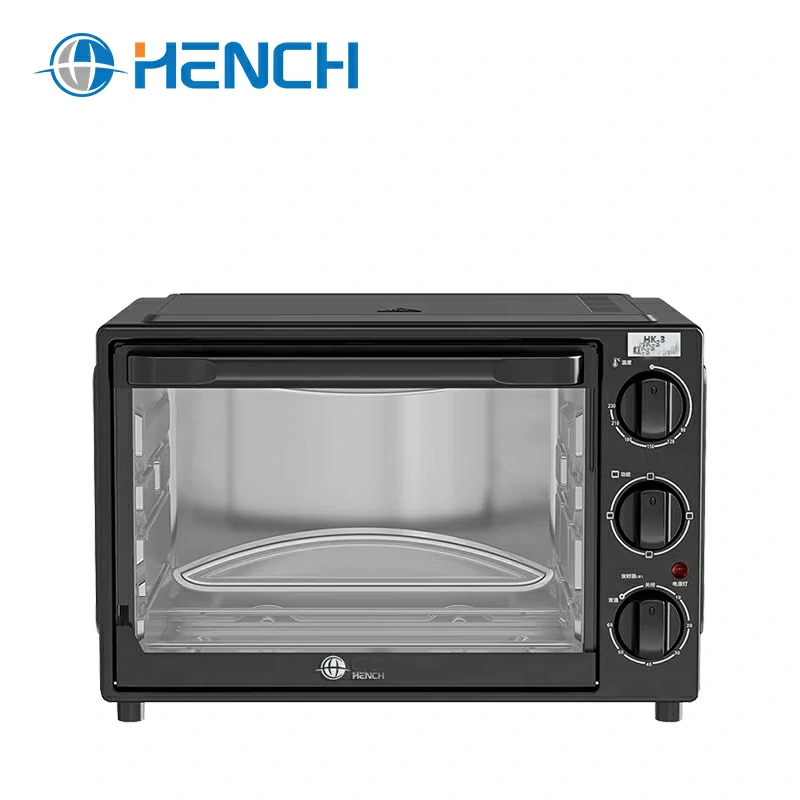
Resumen
La selección de un horno de laboratorio compacto representa una decisión importante para las instalaciones científicas modernas, donde la optimización del espacio limitado de la mesa de trabajo debe equilibrarse con la demanda de un procesamiento térmico de alto rendimiento. Este documento examina los polifacéticos criterios para elegir un instrumento de este tipo en 2025. Ofrece un análisis detallado de siete factores fundamentales: rendimiento térmico, dimensiones físicas y capacidad, mecanismos de seguridad integrados, sistemas de control, materiales de construcción, eficiencia energética y ventilación para aplicaciones específicas. El debate se enmarca en el contexto de las necesidades actuales de los laboratorios, en particular para aplicaciones como el secado de muestras para el análisis por infrarrojos con transformada de Fourier (FTIR), el curado de materiales y la esterilización de cristalería. El objetivo es proporcionar a investigadores, directores de laboratorio y especialistas en adquisiciones de diversos mercados mundiales, como Europa, Sudamérica y Japón, un marco completo para realizar una inversión informada. La evaluación subraya que un horno de laboratorio compacto adecuado no es simplemente una pieza de hardware, sino una herramienta fundamental que sustenta la precisión, fiabilidad y seguridad del trabajo científico.
Principales conclusiones
- Evalúe el rango de temperatura y la uniformidad para sus aplicaciones específicas.
- Evalúe la capacidad interna frente a la huella externa para optimizar el espacio.
- Dé prioridad a características de seguridad como la protección contra sobretemperatura y la construcción certificada.
- Elija un horno de laboratorio compacto con un controlador intuitivo y programable.
- Considere los materiales de la cámara para la resistencia química y el rendimiento térmico.
- Tenga en cuenta el consumo de energía para ahorrar costes operativos a largo plazo.
- Verifique las opciones de ventilación para gestionar con seguridad la humedad y los humos del proceso.
Índice
- 1. Rendimiento de la temperatura: Precisión y uniformidad
- 2. Dimensionamiento y capacidad: Cómo aprovechar al máximo el espacio de su mesa de trabajo
- 3. Elementos de seguridad: Protección de las personas y la ciencia
- 4. Sistemas de control y conectividad: El cerebro del horno
- 5. Construcción y materiales: Construido para durar
- 6. Eficiencia energética y costes operativos
- 7. Ventilación y necesidades específicas de la aplicación
- Preguntas más frecuentes (FAQ)
- Conclusión
- Referencias
1. Rendimiento de la temperatura: Precisión y uniformidad
Cuando iniciamos la conversación sobre un horno de laboratorio, nuestros pensamientos gravitan naturalmente hacia el calor. ¿Cuánto se calienta? ¿Con qué rapidez? Son puntos de partida válidos, pero sólo rozan la superficie de lo que constituye el verdadero rendimiento. El alma de un horno de laboratorio compacto de calidad no reside en su fuerza bruta, sino en su delicadeza. Es un instrumento de control, donde la gestión precisa del entorno térmico es primordial. Para cualquier científico, desde un estudiante de posgrado que prepara muestras para análisis FTIR en São Paulo hasta un ingeniero de materiales que cura polímeros en Osaka, la reproducibilidad de su trabajo depende de la capacidad del horno para ofrecer un estado térmico uniforme y constante, una y otra vez. Vayamos más allá de la simple temperatura máxima para comprender los conceptos de rango, uniformidad, estabilidad y precisión.
Comprender el rango de temperatura
El rango de temperatura anunciado de un horno compacto de laboratorio, a menudo expresado como "ambiente +5 °C a 250 °C", es la primera especificación que encontrará. Es fácil dejarse tentar por un rango más amplio, pensando que ofrece más versatilidad. Sin embargo, un enfoque más reflexivo, basado en una comprensión empática de su propio trabajo, consiste en adaptar la gama a sus necesidades reales. ¿Cuáles son los principales procesos térmicos de su flujo de trabajo?
Consideremos la tarea del secado de muestras. Para muchas aplicaciones, incluida la preparación crítica de gránulos de KBr para el análisis FTIR, el objetivo es eliminar la humedad residual. Esto rara vez requiere temperaturas superiores a 120°C. Un calor excesivo podría degradar una muestra orgánica sensible. Por el contrario, para el curado de materiales, como el fraguado de un epoxi o la polimerización de una película fina, las especificaciones del fabricante pueden requerir una inmersión precisa a 175 °C durante varias horas. Para el recocido de ciertos plásticos o metales con el fin de aliviar las tensiones internas, puede ser necesario alcanzar los 200 °C o más.
El ejercicio intelectual consiste en catalogar sus aplicaciones. Elabore una lista de sus tareas térmicas más habituales y las temperaturas que requieren. Es probable que descubra que sus necesidades se sitúan dentro de una banda bien definida. Elegir un horno de laboratorio compacto diseñado para funcionar de forma óptima dentro de esa banda, en lugar de uno que ostente un límite superior extremo que nunca utilizará, a menudo conduce a una mayor estabilidad y eficiencia en el rango que más le importa. Los sacrificios de ingeniería realizados para alcanzar temperaturas extremadamente altas a veces pueden comprometer el rendimiento en puntos de ajuste más bajos y de uso más común.
La búsqueda de la uniformidad
Imagínese que está horneando una bandeja de delicados pasteles. Si el horno de su casa tiene puntos calientes, algunos se quemarán y otros quedarán poco hechos. Ahora, traslade esto a un contexto científico. Has colocado una docena de pequeños crisoles en un horno compacto de laboratorio para un proceso de secado. Si el crisol de la esquina trasera está 5 °C más caliente que el de la puerta, sus muestras no serán equivalentes. Los resultados que se obtengan de ellas conllevarán un error invisible, un fantasma en los datos que puede socavar todo su experimento. Este es el problema de la uniformidad de la temperatura.
La uniformidad es una medida de la consistencia de la temperatura en toda la cámara interior del horno. A menudo se especifica como una tolerancia, como "±2,5°C a 150°C". Esto significa que cuando el horno se ajusta a 150°C, ningún punto del volumen útil de la cámara estará más frío que 147,5°C ni más caliente que 152,5°C. Para trabajos delicados, como el curado de materiales o las pruebas de estabilidad, la falta de uniformidad es un problema.
El principal factor que influye en la uniformidad es el método de circulación del calor. Hay dos tipos principales en un horno compacto de laboratorio:
-
Convección por gravedad: Es el más sencillo de los dos. Los elementos calefactores suelen estar situados en la parte inferior de la cámara. Al calentarse, el aire se vuelve menos denso y asciende. Al enfriarse cerca de la parte superior y los laterales, se vuelve más denso y se hunde, creando un patrón de circulación natural y suave. Estos hornos son más silenciosos, menos costosos e ideales para aplicaciones con polvos finos o muestras ligeras que podrían ser perturbadas por un ventilador. Sin embargo, su uniformidad suele ser inferior a la de los modelos de convección forzada, y tardan más en calentarse y recuperar la temperatura tras la apertura de la puerta.
-
Convección forzada (o convección mecánica): Estos hornos incorporan un ventilador, normalmente en la parte trasera de la cámara, para hacer circular activamente el aire calentado. Esta mezcla mecánica del aire mejora drásticamente la uniformidad de la temperatura y reduce los tiempos de calentamiento/recuperación. Para la mayoría de las aplicaciones, desde el secado de cristalería hasta la mayoría de los protocolos de secado de muestras, una estufa de laboratorio compacta de convección forzada es la mejor opción para garantizar que todos los elementos reciban el mismo tratamiento térmico. La única salvedad es para aquellas muestras extremadamente delicadas, donde el suave flujo de aire de un modelo de gravedad podría ser preferible.
Cuando evalúe un horno compacto de laboratorio, fíjese en la especificación de uniformidad. Los fabricantes de renombre proporcionarán datos basados en protocolos de pruebas estandarizados, que a menudo implican mediciones de temperatura en múltiples puntos dentro de la cámara.
Estabilidad y precisión
Mientras que la uniformidad describe la consistencia de la temperatura en todo el espacio, la estabilidad y la precisión la describen en relación con la consigna y la hora.
-
Estabilidad térmica: Esta es una medida de lo bien que el horno mantiene una temperatura constante en un único punto a lo largo del tiempo. Una vez que el horno ha alcanzado su punto de ajuste de 150°C, ¿fluctúa la temperatura en el sensor entre 149,9°C y 150,1°C, o oscila salvajemente entre 149°C y 151°C? Esto es la estabilidad, a menudo especificada como algo así como "±0,5°C". Un horno estable es crucial para procesos de larga duración, como las pruebas de envejecimiento o el curado de materiales, en los que las fluctuaciones podrían alterar la cinética de reacción.
-
Precisión de temperatura: Se refiere al grado de coincidencia entre la temperatura media de la cámara y el valor de consigna del regulador. Si ajusta el horno a 150°C, ¿la temperatura media real es de 150°C o de 153°C? Esto es la precisión. Aunque a menudo puede corregirse mediante calibración, una precisión inicial elevada es señal de un sensor y un sistema de control de calidad.
El artífice de la estabilidad y la precisión es el controlador de temperatura, normalmente un controlador Proporcional-Integral-Derivativo (PID). Piense en él como en un control de crucero increíblemente sofisticado para su horno. No se limita a encender el calentador cuando la temperatura es baja y apagarlo cuando es alta (eso sería un simple controlador on/off, que provocaría grandes oscilaciones de temperatura). En su lugar, el controlador PID supervisa continuamente la temperatura y calcula la cantidad precisa de energía que debe enviarse a los calefactores. Aprende las características térmicas del horno (la velocidad a la que se calienta, la cantidad de calor que pierde) para minimizar los excesos, los defectos y las fluctuaciones, manteniendo la temperatura con una estabilidad notable. Un controlador PID bien ajustado es el corazón de un horno de laboratorio compacto de alto rendimiento.
2. Dimensionamiento y capacidad: Cómo aprovechar al máximo el espacio de su mesa de trabajo
En los laboratorios de Tokio a Múnich, hay un recurso que escasea en todas partes: el espacio. Cada centímetro cuadrado de mesa es un territorio valioso. La decisión de añadir un nuevo equipo, incluso uno tan fundamental como un horno, implica un cuidadoso cálculo de su coste espacial. Por eso el "compacto" en un horno de laboratorio compacto es tan significativo. No se trata sólo de que sea pequeño, sino de que esté diseñado de forma inteligente para proporcionar el máximo volumen de procesamiento utilizable en el menor espacio exterior posible. Esta sección explora la dinámica espacial de la elección de un horno, pasando de las dimensiones obvias a los aspectos más sutiles de la configuración interior y la ergonomía que definen su utilidad en un laboratorio abarrotado.
Volumen interno frente a huella externa
El primer paso es una evaluación práctica de sus necesidades y limitaciones. ¿Cuánto necesita calentar de una vez? ¿Secará unos cuantos vasos de precipitados pequeños o procesará varias bandejas de portaobjetos de microscopio? La capacidad interna de un horno compacto de laboratorio se mide normalmente en pies cúbicos (pies cúbicos) o litros (L). Los modelos pueden variar desde menos de 1 pie cúbico (~28 L) a alrededor de 5-6 pies cúbicos (~170 L), con cualquier cosa más grande generalmente cayendo fuera de la categoría "compacto" o "de sobremesa".
Ahora, compare este volumen interno con las dimensiones externas del horno: anchura, profundidad y altura. Esta relación entre el volumen interior y el espacio exterior es un indicador clave de la eficiencia del diseño. Un horno de laboratorio compacto bien diseñado utiliza un aislamiento avanzado y una colocación inteligente de los componentes para minimizar el grosor de las paredes sin comprometer el rendimiento térmico ni la seguridad. Esto le permite ofrecer, por ejemplo, 2 pies cúbicos de espacio interno ocupando sólo un espacio ligeramente mayor que un modelo menos eficiente de 1,5 pies cúbicos.
Antes de comprar, mida el espacio disponible en la encimera. No olvide tener en cuenta el espacio necesario alrededor del horno para la ventilación, normalmente unos centímetros a cada lado y en la parte trasera. Tenga en cuenta también el espacio vertical. ¿Hay estanterías por encima de la ubicación prevista? Esto limitará la altura de la unidad que puede elegir.
Para ayudar a visualizar esta compensación, considere la siguiente comparación:
| Clase de horno | Volumen interno típico | Anchura exterior típica | Profundidad exterior típica | Altura exterior típica | Perfil de la aplicación |
|---|---|---|---|---|---|
| Micro | < 28 L (1,0 pies cúbicos) | 30-38 cm (12-15 pulg.) | 30-38 cm (12-15 pulg.) | 18-22 pulgadas (45-56 cm) | Ideal para pequeñas cargas de muestras, controles de calidad, uso personal en un laboratorio abarrotado. |
| Sobremesa pequeño | 1,0 - 2,5 pies cúbicos (28 - 70 L) | 16-20 pulgadas (40-51 cm) | 18-22 pulgadas (45-56 cm) | 63-76 cm (25-30 pulg.) | Un caballo de batalla versátil para la mayoría de secado de muestras y uso general de laboratorio. |
| Mesa grande | 2,6 - 5,8 pies cúbicos (71 - 165 litros) | 21-26 pulgadas (53-66 cm) | 23-26 pulgadas (58-66 cm) | 79-96 cm (31-38 pulg.) | Para procesamiento por lotes, artículos de gran tamaño o flujos de trabajo de alto rendimiento. |
Esta tabla sirve de guía. Compruebe siempre las especificaciones del fabricante, ya que la eficacia del diseño varía. El objetivo es seleccionar el mayor volumen interno que quepa de forma cómoda y segura en el espacio designado para la mesa de trabajo.
Estanterías y configuración
El volumen interno bruto es sólo una parte de la historia. La forma de utilizar ese volumen viene dictada por el sistema de estanterías. Un interior mal diseñado puede hacer que un horno grande parezca pequeño e ineficaz. Al examinar un horno de laboratorio compacto, tenga en cuenta estos aspectos de su estantería:
- Ajustabilidad: ¿Se pueden mover los estantes? Los hornos de calidad disponen de varias posiciones de estantes, lo que le permite configurar el interior para una amplia variedad de alturas de carga. Puede que necesite secar frascos altos un día y placas de Petri planas al siguiente. La flexibilidad es la clave.
- Número de estantes: ¿Cuántos estantes se incluyen? ¿Cuántas se pueden añadir? La mayoría de los hornos vienen con uno o dos estantes, pero tienen posiciones para varios más. Compruebe el coste de los estantes adicionales, ya que son un accesorio habitual.
- Construcción del estante: Las estanterías suelen ser de alambre o sólidas y perforadas. Los estantes de alambre permiten una mejor circulación del aire, lo que contribuye a la uniformidad. Los estantes macizos perforados proporcionan una superficie más estable para los artículos más pequeños o menos estables y pueden ayudar a contener pequeños derrames.
- Capacidad de peso: ¿Cuál es la carga máxima por balda? Se trata de una importante consideración de seguridad y rendimiento. Sobrecargar una estantería puede provocar su deformación, y una carga muy densa puede impedir el flujo de aire, comprometiendo la uniformidad.
Un horno de laboratorio compacto bien diseñado le proporcionará un sistema de estanterías flexible y robusto que le permitirá aprovechar al máximo cada centímetro cúbico de su valioso espacio calefactado.
Apilabilidad y ergonomía
En la búsqueda por ahorrar espacio horizontal sobre la mesa, no olvide mirar hacia arriba. Muchos modelos de hornos compactos de laboratorio están diseñados para ser apilables. La compra de un kit de apilamiento le permite colocar una segunda unidad idéntica directamente encima de la primera, duplicando efectivamente su capacidad de procesamiento sin consumir ningún espacio adicional en la mesa. Se trata de una característica increíblemente potente para laboratorios en crecimiento o para instalaciones que necesitan ejecutar dos procesos térmicos diferentes simultáneamente.
La ergonomía, la ciencia del diseño orientado a la comodidad y la eficiencia humanas, también desempeña un papel fundamental. En un entorno de laboratorio estrecho, los pequeños detalles importan.
- Oscilación de la puerta: ¿La puerta se abre a la izquierda o a la derecha? ¿Puede invertirse? Asegúrese de que el batiente de la puerta no interfiere con los equipos o pasillos adyacentes.
- Diseño del asa: ¿Es el mango fácil de agarrar, incluso con guantes aislantes? ¿Tiene un diseño "stay-cool" para evitar quemaduras?
- Ventana de visualización: Una ventana en la puerta es una característica inestimable. Le permite inspeccionar visualmente las muestras sin abrir la puerta, lo que provocaría un descenso significativo de la temperatura y alargaría el tiempo de procesamiento. Busque una ventana que sea lo suficientemente grande como para permitir una visión clara y que tenga doble cristal para un buen aislamiento.
- Ubicación del panel de control: ¿Es fácil ver y alcanzar el panel de control? Un panel montado en la parte superior puede ser difícil de usar si el horno está colocado en un estante alto.
Tener en cuenta estos factores espaciales y ergonómicos garantiza que el horno de laboratorio compacto que elija no sea una simple caja que calienta cosas, sino una herramienta que se integra a la perfección y de forma eficaz en su flujo de trabajo diario.
3. Elementos de seguridad: Protección de las personas y la ciencia
Un horno de laboratorio es un dispositivo que crea intencionadamente un entorno de alta temperatura. Esta función inherente conlleva riesgos. Puede suponer un riesgo para las muestras valiosas, a menudo irremplazables, que se encuentran en su interior. Más profundamente, puede suponer un riesgo para el personal especializado que lo maneja y trabaja cerca. Un profundo compromiso con la cultura de la seguridad es el sello distintivo de cualquier laboratorio responsable. Por lo tanto, la evaluación de un horno de laboratorio compacto debe situar sus características de seguridad al mismo nivel que sus especificaciones de rendimiento. Un horno moderno y bien diseñado no es sólo una herramienta para la investigación; es un guardián de la misma. Examinemos los sistemas de seguridad críticos que debe exigir en cualquier horno compacto de laboratorio.
Protección contra sobretemperatura (OTP)
Esta es posiblemente la característica de seguridad más importante de cualquier horno de laboratorio. Imagínese que su principal controlador de temperatura -el sofisticado sistema PID del que hablamos- falla. Un relé podría atascarse en la posición "on", o el sensor podría funcionar mal. Sin un sistema de seguridad, los calentadores del horno recibirían alimentación continua, lo que provocaría un aumento incontrolado de la temperatura. Esta situación podría sobrepasar rápidamente los límites de seguridad de la muestra y destruirla por completo. En el peor de los casos, podría provocar la ignición de materiales inflamables o dañar el propio horno, creando un grave riesgo de incendio en su laboratorio.
La protección contra sobretemperatura (OTP) es un circuito de seguridad independiente y redundante diseñado para evitar esta catástrofe. Funciona así:
- Sistema independiente: La OTP tiene su propio sensor de temperatura y su propio controlador, completamente aislados del controlador de funcionamiento principal.
- Límite fijado por el usuario: Usted, el usuario, establece un límite de seguridad en el controlador OTP. Este límite debe fijarse unos grados por encima de la temperatura máxima deseada para tu proceso. Por ejemplo, si la temperatura de un proceso es de 150ºC, puedes ajustar el OTP a 160ºC.
- Acción a prueba de fallos: Si el controlador principal falla y la temperatura de la cámara supera el valor de consigna OTP (160°C en nuestro ejemplo), el circuito OTP tomará una acción definitiva. Corta completamente la alimentación de los calentadores, apagándolos independientemente de lo que intente hacer el controlador principal.
Muchos sistemas OTP son de "enclavamiento", lo que significa que, una vez activados, no se restablecen automáticamente aunque baje la temperatura. El horno permanece en un estado seguro, sin calentar, hasta que un técnico investiga manualmente el fallo y reinicia el sistema. De este modo se evita que el horno se encienda y apague cíclicamente en caso de avería. Al seleccionar un horno de laboratorio compacto, no busque sólo el término "protección contra sobretemperatura". Busque una descripción que confirme que se trata de un sistema independiente y ajustable por el usuario. Es una característica de seguridad no negociable.
Alarmas y notificaciones
Si bien el sistema OTP es un mecanismo de seguridad crucial en caso de fallo catastrófico, un sólido sistema de alarma avisa de desviaciones más sutiles del funcionamiento normal, lo que permite una intervención temprana. Estas alarmas son la forma que tiene el horno de comunicar que algo requiere atención.
- Alarmas de desviación de temperatura: El regulador puede programarse con una banda de alarma en torno al valor de consigna, por ejemplo, ±5°C. Si la temperatura se sale de esta banda durante un periodo de tiempo predeterminado, se activará una alarma visual y/o sonora. Esto puede alertarle de un problema, como una puerta mal sellada o un elemento calefactor defectuoso, mucho antes de que se convierta en un problema grave.
- Alarmas de puerta: Una función sencilla pero muy eficaz. Si la puerta del horno se deja abierta o no se cierra correctamente durante más de uno o dos minutos, sonará una alarma. Esto evita la pérdida prolongada de calor, protege la integridad del proceso y ahorra una cantidad significativa de energía.
- Alertas de fin de ciclo: Para los procesos cronometrados, una alerta sonora cuando el temporizador llega a cero es una gran comodidad, ya que le permite saber que sus muestras están listas sin tener que comprobar constantemente el reloj.
En 2025, el concepto de notificaciones se está ampliando más allá de las inmediaciones del horno. Los modelos avanzados de hornos compactos de laboratorio ofrecen ahora opciones de conectividad (como Ethernet) que pueden configurarse para enviar alertas por correo electrónico o mensaje de texto ante cualquier condición de alarma. Esto permite supervisar un proceso crítico a largo plazo desde la oficina o incluso desde casa, lo que proporciona una inmensa tranquilidad.
Construcción y certificaciones
La seguridad también está integrada en la construcción física del horno.
- Exteriores Cool-Touch: Un horno compacto de laboratorio bien aislado mantendrá una temperatura exterior segura, incluso cuando el interior esté a 250°C. Las superficies, especialmente el asa de la puerta, deben permanecer lo suficientemente frías como para tocarlas sin provocar quemaduras. Esto se consigue mediante un aislamiento de calidad y diseñando vías de circulación de aire que alejen el calor de la carcasa exterior.
- Construcción duradera: El horno debe estar construido con materiales resistentes, un marco sólido y paneles bien fijados. El pestillo de la puerta debe ser robusto y ofrecer un cierre hermético al cerrarse.
Por último, busque certificaciones de seguridad independientes. Estas certificaciones significan que el diseño y la construcción del horno han sido probados por una organización independiente y que cumplen las normas de seguridad establecidas. La certificación específica que debe buscar depende de su región:
- Marca CE: Es obligatorio para los productos vendidos en el Espacio Económico Europeo. Significa que el producto cumple elevados requisitos de seguridad, salud y protección del medio ambiente.
- Certificación UL o MET: Son comunes en Norteamérica y suelen aceptarse en los mercados sudamericanos. Indican el cumplimiento de las normas de seguridad elaboradas por organizaciones como Underwriters Laboratories.
- Marca PSE: Es la marca de seguridad obligatoria para muchos productos eléctricos vendidos en Japón.
Ver una de estas marcas en un horno compacto de laboratorio es una garantía de que su diseño ha sido rigurosamente examinado por expertos en seguridad eléctrica y mecánica. Es una validación externa del compromiso del fabricante para protegerle a usted y a su laboratorio.
4. Sistemas de control y conectividad: El cerebro del horno
Si los elementos calefactores son el músculo de un horno compacto de laboratorio, el sistema de control es su cerebro. En los primeros días de la calefacción de laboratorio, el control podría haber sido un simple termostato mecánico o un dial con vagos ajustes "bajo-medio-alto". Hoy en día, el controlador es un sofisticado sistema basado en un microprocesador que determina la precisión del horno, su facilidad de uso y su capacidad para integrarse en un laboratorio moderno basado en datos. Para cualquiera que se dedique al curado de materiales complejos o necesite registros de procesos verificables para el control de calidad, las capacidades del controlador son tan importantes como el rendimiento térmico del horno. Exploremos la evolución de estos sistemas y lo que cabe esperar del controlador de un horno de laboratorio compacto de la era de 2025.
Interfaz de usuario y programabilidad
La interfaz de usuario es su ventana al funcionamiento del horno. En ella se ajusta la temperatura, se configuran los temporizadores y se supervisa el proceso. Una interfaz de usuario intuitiva y fácil de usar puede hacer que el funcionamiento diario sea un placer, mientras que una interfaz confusa puede ser una fuente constante de frustración y errores potenciales.
- Pantalla: Busque una pantalla digital grande, brillante y clara que muestre simultáneamente la temperatura de consigna y la temperatura real de la cámara. Los hornos modernos adoptan cada vez más pantallas táctiles LCD a todo color. Estas interfaces, muy parecidas a las de un smartphone, son muy intuitivas y pueden mostrar información gráfica, como un gráfico de la temperatura a lo largo del tiempo, lo que facilita ver lo que está sucediendo de un vistazo.
- Controles: Tanto si se trata de una pantalla táctil como de botones táctiles, los controles deben ser sensibles y estar dispuestos de forma lógica. Debe ser sencillo introducir un valor de consigna de temperatura y poner en marcha el horno.
Más allá del simple funcionamiento de "ajuste y retención", la verdadera potencia de un controlador moderno reside en su programabilidad. Muchas aplicaciones, sobre todo en ciencia de materiales y química de polímeros, requieren perfiles térmicos complejos, no sólo una temperatura. Por ejemplo, un proceso de curado puede requerir:
- Aumento de la temperatura de ambiente a 80 °C en 30 minutos.
- Remojo (mantenimiento) a 80°C durante una hora.
- Aumentar a 150°C durante otros 30 minutos.
- Remojo a 150°C durante tres horas.
- Un enfriamiento controlado.
Un controlador programable le permite crear y guardar estos perfiles de varios pasos. Puede programar el ciclo completo una vez, guardarlo con un nombre descriptivo como "Curado de epoxi 101" y, a continuación, recuperarlo y ejecutarlo con un solo toque en el futuro. Esto garantiza una repetibilidad perfecta y elimina la necesidad de realizar ajustes manuales durante el proceso. Al evaluar un horno de laboratorio compacto, pregunte cuántos programas pueden almacenarse y cuántos pasos pueden incluirse en cada programa. Para muchos usuarios, esta programabilidad es una característica transformadora.
Registro de datos y conectividad
La transformación digital del laboratorio otorga un gran valor a los datos. Para los laboratorios que operan con sistemas de gestión de la calidad como las BPL (Buenas Prácticas de Laboratorio) o las BPF (Buenas Prácticas de Fabricación), la documentación de los procesos no es solo una buena práctica; es un requisito. Debe poder demostrar que una muestra se procesó a la temperatura correcta durante el tiempo correcto. Aquí es donde el registro de datos y la conectividad se hacen indispensables.
En la actualidad, muchos modelos de hornos compactos de laboratorio incluyen funciones que lo facilitan:
-
Puerto USB: Un sencillo puerto USB situado en la parte frontal del horno permite conectar una unidad flash estándar y descargar los datos del proceso. El horno graba un archivo de registro (a menudo en formato universal .csv) que contiene un registro con fecha y hora del punto de ajuste y la temperatura real a intervalos regulares. Este archivo se puede abrir fácilmente en un software de hoja de cálculo para su análisis, representación gráfica y archivo.
-
Puerto Ethernet/Wi-Fi: Los hornos más avanzados incorporan un puerto Ethernet o conectividad Wi-Fi. Al conectar el horno a la red de su laboratorio, se desbloquean potentes funciones. A menudo puede acceder a la interfaz de control del horno a través de un navegador web en su ordenador, lo que le permite supervisar e incluso controlar el horno de forma remota. Esto es increíblemente útil para comprobar un experimento a largo plazo sin tener que volver al laboratorio.
-
Software dedicado: Los fabricantes suelen proporcionar software que ofrece un panel de control centralizado para supervisar varios hornos. Este software puede gestionar el registro de datos, proporcionar herramientas gráficas avanzadas, gestionar los niveles de acceso de los usuarios y mantener un registro de auditoría de todas las acciones (por ejemplo, "Usuario 'J. Smith' cambió el punto de ajuste a 120°C a las 14:32"). Estas funciones son muy valiosas para los entornos regulados.
Estas características de conectividad transforman un horno de laboratorio compacto de un dispositivo de calentamiento independiente en un nodo inteligente en el ecosistema de información de su laboratorio. Al explorar las opciones, considere la controladores avanzados para hornos disponibles, ya que son fundamentales para lograr este nivel de integración e integridad de los datos. La capacidad de registrar y archivar automáticamente sus procesos térmicos proporciona un nivel incomparable de garantía de calidad y trazabilidad.
5. Construcción y materiales: Construido para durar
Un horno compacto de laboratorio es una inversión a largo plazo. Se trata de una bestia de carga de la que se espera que funcione de forma fiable durante años, a menudo durante muchas horas al día en condiciones de estrés térmico exigentes. Su longevidad y rendimiento constante están directamente relacionados con la calidad de su construcción y los materiales utilizados. Un horno barato puede tener buen aspecto el primer día, pero sus puntos débiles no tardarán en revelarse por su bajo rendimiento, corrosión o fallo prematuro. Un profundo conocimiento de la ciencia de los materiales y la ingeniería mecánica puede ayudarle a distinguir un instrumento bien construido de otro de menor calidad. Deconstruyamos el horno y examinemos los materiales fundamentales que definen su durabilidad y funcionamiento.
Materiales de la cámara: Acero inoxidable frente a aluminio
La cámara interior es el corazón del horno, donde viven sus muestras. Debe soportar altas temperaturas, ciclos térmicos repetidos y una posible exposición química. Los dos materiales más utilizados para la cámara de un horno compacto de laboratorio son el acero inoxidable y el aluminio. Cada uno tiene un perfil distinto de ventajas y desventajas.
| Característica | Acero inoxidable (por ejemplo, tipo 304) | Aluminio |
|---|---|---|
| Resistencia a la corrosión | Excelente. Muy resistente a una amplia gama de productos químicos, la humedad y la oxidación. La elección preferida para aplicaciones con disolventes o vapores corrosivos. | Moderado. Puede corroerse con ácidos y bases fuertes. Susceptible al rayado, que puede comprometer su capa protectora de óxido. |
| Durabilidad | Muy alto. Es un material duro y fuerte que resiste los arañazos, las abolladuras y el desgaste mecánico. Fácil de limpiar y mantener. | Más bajo. El aluminio es un metal más blando, más propenso a arañazos y desportilladuras por una mala manipulación de las estanterías o las muestras. |
| Conductividad térmica | Más bajo que el aluminio. Esto significa que tarda algo más en calentarse y puede tener una uniformidad de temperatura inherente algo menor. | Excelente. La alta conductividad térmica del aluminio ayuda a distribuir el calor más rápida y uniformemente por toda la cámara, favoreciendo la uniformidad. |
| Coste | Más caro. El acero inoxidable es una materia prima más cara, lo que contribuye a un mayor coste global del horno. | Más barato. El aluminio es menos caro, lo que puede hacer que los hornos con cámara de aluminio sean más económicos. |
¿Cuál elegir? La decisión requiere una evaluación honesta de su trabajo.
- Si sus aplicaciones implican cualquier posibilidad de desprendimiento de gases químicos, evaporación de disolventes o trabajo con materiales ácidos o básicos, el acero inoxidable es la elección inequívoca. Su resistencia superior a la corrosión es esencial para la integridad a largo plazo del horno. Para muchas aplicaciones, desde el secado de muestras en laboratorios medioambientales hasta el curado de materiales en electrónica, la robustez del acero inoxidable es una inversión que merece la pena.
- Si su trabajo es muy limpio -por ejemplo, sólo seca cristalería inerte o realiza tratamientos térmicos en piezas metálicas limpias- y su presupuesto es una preocupación primordial, un cámara de aluminio puede ser una opción perfectamente aceptable. Su excelente conductividad térmica es una buena ventaja de rendimiento.
Para las aplicaciones más exigentes, es posible que incluso se utilicen grados superiores de acero inoxidable, como el tipo 316L, que ofrece una resistencia aún mayor a los cloruros y otros agentes corrosivos específicos.
Aislamiento y juntas
Los componentes invisibles de un horno suelen ser los más importantes para su rendimiento y eficacia. Un aislamiento de alta calidad es lo que diferencia un horno de laboratorio compacto de alto rendimiento de una simple caja caliente.
-
Aislamiento: El espacio entre la cámara interior y la carcasa exterior se rellena con aislamiento, normalmente lana mineral de alta densidad o fibra de vidrio. El objetivo del aislamiento es doble. En primer lugar, minimiza la pérdida de calor hacia el entorno. Esta es la clave de la eficiencia energética y la estabilidad de la temperatura. Un horno que mantiene bien el calor no necesita encender los calentadores con tanta frecuencia, lo que ahorra electricidad y reduce el desgaste de los componentes. En segundo lugar, mantiene las superficies externas del horno frías y seguras al tacto. Una capa gruesa y continua de aislamiento de calidad es el sello distintivo de un horno bien construido.
-
Junta: La junta que rodea la puerta es otra barrera crítica contra la pérdida de calor. Esta junta debe permanecer flexible y crear un sello hermético incluso después de miles de ciclos de calentamiento y enfriamiento. La silicona de alta temperatura es el material más común para las juntas de las puertas de los hornos. Es duradero y puede soportar el rango de temperaturas típico de un horno de laboratorio compacto. Cuando inspeccione un horno, fíjese en la junta. ¿Es una pieza única y continua? ¿Es flexible? ¿El pestillo de la puerta tira firmemente de ella? Una junta con fugas perderá energía, comprometerá la uniformidad de la temperatura cerca de la puerta y aumentará la carga térmica del sistema de climatización de su laboratorio.
Acabado exterior
El exterior del horno, o su "piel", también es importante. Debe soportar los típicos golpes, arañazos y derrames ocasionales de productos químicos de un entorno de laboratorio ajetreado. La norma del sector es un acabado de acero con recubrimiento en polvo. El recubrimiento en polvo es un proceso en el que se aplica un polímero en polvo seco a los paneles de acero y luego se cura con calor. Esto crea un acabado mucho más resistente y duradero que la pintura convencional. Resiste el desconchado, los arañazos y la degradación causada por muchos productos químicos habituales en los laboratorios, por lo que el horno mantiene un aspecto profesional y evita la oxidación durante años.
Si mira más allá de la hoja de especificaciones y tiene en cuenta los materiales fundamentales y los métodos de construcción, podrá juzgar mejor el valor y la fiabilidad a largo plazo de un horno compacto de laboratorio. Un instrumento bien construido es un socio con el que puede contar durante una década o más de servicio fiel.
6. Eficiencia energética y costes operativos
Cuando se adquiere un nuevo equipo de laboratorio, la atención suele centrarse en el precio de compra inicial. Esto es comprensible, ya que los presupuestos de capital suelen ser ajustados. Sin embargo, una perspectiva más holística y astuta desde el punto de vista financiero tiene en cuenta el coste total de propiedad (CTP). Un horno de laboratorio compacto, que puede funcionar ocho horas al día o incluso de forma ininterrumpida durante semanas, es un gran consumidor de electricidad. A lo largo de la vida útil del horno, el coste acumulado de esa electricidad puede superar fácilmente su precio de compra inicial. Por lo tanto, evaluar la eficiencia energética de un horno compacto de laboratorio no es sólo una consideración medioambiental, sino también financiera. Un horno eficiente ahorra dinero cada día que está en funcionamiento.
El coste oculto de la propiedad
Hagamos un sencillo experimento mental. Consideremos dos modelos hipotéticos de hornos compactos de laboratorio de 4 pies cúbicos.
- Horno A (Rendimiento estándar): Cuesta $2.500. Está razonablemente bien construido, pero utiliza aislamiento y componentes estándar. Para mantener una temperatura de 150 °C, consume una media de 800 vatios.
- Horno B (Alta eficiencia): Cuesta $3.200. Cuenta con un aislamiento más grueso y de mayor calidad, una junta de puerta superior y un controlador PID más afinado. Para mantener 150°C, sólo consume 500 vatios.
La diferencia de precio inicial es de $700. Ahora, supongamos que el horno funciona 8 horas al día, 250 días al año, y que el coste de la electricidad es de $0,15 por kilovatio-hora (una estimación moderada para muchas regiones).
- Horno A Coste energético anual: 0,8 kW * 8 h/día * 250 días/año * $0,15/kWh = $240 al año
- Horno B Coste energético anual: 0,5 kW * 8 h/día * 250 días/año * $0,15/kWh = $150 al año
El horno B ahorra $90 al año en electricidad. A lo largo de una vida útil típica de 10 años, esto supone un ahorro de $900. Este ahorro cubre con creces la diferencia de precio inicial de $700. En este caso, el horno más caro y de mayor eficiencia es en realidad la opción más barata a lo largo de su vida útil. Este cálculo ni siquiera incluye el ahorro secundario derivado de la reducción de la carga térmica del sistema de aire acondicionado del laboratorio, que puede ser considerable.
Esto ilustra la importancia de buscar los datos de consumo energético en las especificaciones del fabricante. Aunque no siempre se publican, una potencia nominal más baja (en vatios o amperios) para un tamaño y una temperatura determinados es un claro indicador de una mayor eficiencia.
Cómo influyen las decisiones de diseño en la eficiencia
La eficiencia energética no es un accidente ni una característica aislada. Es el resultado de una serie de decisiones deliberadas de ingeniería que ya hemos comentado, pero vistas desde la óptica del ahorro energético.
- Aislamiento: Este es el factor más significativo. Una capa de aislamiento más gruesa y de mayor densidad proporciona una mayor rotura térmica entre el interior caliente y el laboratorio ambiente. Se escapa menos calor, por lo que los calefactores tienen que trabajar menos para mantener el punto de consigna.
- Sello de puerta: La junta que rodea la puerta es un punto habitual de fallo y pérdida de energía. Una junta robusta y bien ajustada, fabricada con silicona de alta calidad, evita la fuga constante de aire caliente y la infiltración de aire frío. Un mecanismo de cierre seguro y positivo es esencial para comprimir la junta correctamente.
- Control PID: Un regulador PID bien ajustado contribuye a la eficiencia minimizando el rebasamiento de la temperatura. Cuando un horno sobrepasa su punto de consigna, ha desperdiciado energía para calentar la cámara (y su contenido) a una temperatura superior a la necesaria. A continuación, el controlador tiene que esperar a que la temperatura descienda, un periodo de tiempo no productivo. Al modular la potencia con precisión, un buen controlador evita este despilfarro.
- Masa térmica reducida: Aunque no siempre es deseable (a veces la masa térmica añade estabilidad), el uso de estantes y componentes internos más ligeros, cuando procede, significa que se gasta menos energía en calentar el propio hardware del horno, lo que deja más energía para la carga de muestras.
Modos ecológicos y programación
Conscientes de la creciente importancia del ahorro energético, muchos fabricantes están incorporando funciones inteligentes de ahorro de energía en el software del horno.
- Temporizadores programables: Se trata de una función sencilla pero potente. Puede programar el horno compacto de laboratorio para que se encienda automáticamente a las 7 de la mañana, de modo que esté totalmente caliente y listo para su uso en el momento en que llegue al laboratorio. También puede programarlo para que se apague automáticamente al final de la jornada laboral, asegurándose de que no se deja funcionando innecesariamente durante la noche o durante el fin de semana.
- Modo Eco: Algunos controladores avanzados ofrecen un "modo ecológico". Esta función puede ampliar ligeramente la banda de estabilidad de la temperatura (por ejemplo, de ±0,5 °C a ±1,5 °C) durante los periodos no críticos. De este modo, el programador enciende y apaga los calefactores con menos frecuencia, con el consiguiente ahorro de energía. Este modo puede activarse automáticamente una vez finalizado un proceso o durante un periodo de inmersión prolongado en el que no se requiera una estabilidad extrema.
A la hora de elegir un horno compacto de laboratorio, piense como un contable además de como un científico. Pregunte por su consumo de energía, examine la calidad de su aislamiento y juntas, y explore sus funciones programables de ahorro de energía. Un horno energéticamente eficiente es un regalo que sigue dando, ya que reduce la huella de carbono de su laboratorio y su presupuesto operativo durante años.
7. Ventilación y necesidades específicas de la aplicación
Hasta ahora, nuestra exploración se ha centrado en las funciones básicas de calentar una muestra en un entorno sellado y controlado. Para muchas aplicaciones, esto es todo lo que se necesita. Sin embargo, muchos procesos habituales de laboratorio introducen una nueva variable en la cámara: liberan humedad o vapores químicos. El simple calentamiento se convierte en un proceso dinámico de secado o curado. En estos casos, la capacidad de gestionar la atmósfera en el interior del horno compacto de laboratorio mediante ventilación no es sólo una característica útil; es una necesidad para lograr el resultado deseado y garantizar un entorno operativo seguro. Además, algunas aplicaciones altamente especializadas requieren ir más allá del aire y entrar en el ámbito del vacío o de los gases inertes.
Gestión de la humedad y los humos
Consideremos dos situaciones habituales:
-
Secado de muestras para análisis FTIR: Se coloca un conjunto de muestras de suelo húmedo en el horno para secarlas completamente antes de molerlas con KBr para su análisis espectroscópico. A medida que el horno se calienta, el agua de las muestras se evapora, convirtiéndose en vapor de agua. Si la cámara está completamente sellada, la atmósfera interior se saturará rápidamente de humedad. Esto tiene dos consecuencias negativas. En primer lugar, una atmósfera saturada ralentiza drásticamente el ritmo de evaporación; el proceso de secado será ineficaz e incompleto. En segundo lugar, cuando el horno se enfríe, el vapor de agua se condensará en las superficies frías, incluidas las muestras supuestamente "secas". Para una técnica como FTIR, que es exquisitamente sensible al agua, esto es un desastre.
-
Curado de materiales: Está curando un lote de componentes electrónicos recubiertos con un polímero especial. El proceso de curado implica una reacción química que libera compuestos orgánicos volátiles (COV) como subproductos. Si estos vapores se acumulan en una cámara sellada, pueden crear una atmósfera potencialmente peligrosa e inflamable. También pueden volver a depositarse en los componentes, afectando a la calidad de la superficie.
En ambos casos, la solución es la ventilación: un medio para permitir que el aire cargado de humedad o humo salga de la cámara y sea sustituido por aire ambiente fresco y seco.
Tipos de ventilación
El sistema de ventilación de un horno compacto de laboratorio puede ser de sencillo a complejo.
-
Rejillas de ventilación ajustables (amortiguadores): La mayoría de los hornos están equipados con al menos un orificio de ventilación ajustable, a menudo un pequeño orificio similar a una chimenea en la parte superior y un orificio de admisión en la parte inferior o trasera. Pueden abrirse o cerrarse manualmente. La apertura de los orificios de ventilación permite que el proceso natural de convección introduzca aire fresco y expulse el aire caliente y húmedo. El grado de apertura permite controlar la tasa de intercambio de aire. Una tasa de intercambio más alta permite un secado más rápido, pero también consume más energía, ya que el horno debe calentar constantemente el aire frío entrante. Encontrar el equilibrio adecuado es la clave.
-
Escape forzado: Para aplicaciones que generan cantidades significativas de humos o humedad, una ventilación pasiva puede no ser suficiente. Algunos hornos pueden equiparse con un ventilador de extracción forzada opcional. Este pequeño ventilador extrae activamente el aire de la cámara, garantizando un alto índice de intercambio de aire y evitando la acumulación de humos. Se trata de una característica de seguridad crucial cuando se trabaja con cualquier proceso que desprenda vapores inflamables o nocivos. A menudo, el puerto de escape puede canalizarse hasta el sistema de campana extractora principal del laboratorio para su eliminación segura.
Al elegir un horno, evalúe las opciones de ventilación. ¿Existe una compuerta sencilla y ajustable? ¿Existe una opción de escape forzado si sus aplicaciones lo requieren? La gestión adecuada de la atmósfera de la cámara es vital para muchos usos comunes de un horno compacto de laboratorio.
Hornos especializados: Vacío y gas inerte
Aunque la mayor parte del calentamiento de sobremesa se realiza en aire, algunos materiales son demasiado sensibles para ese entorno. Esto da lugar a variaciones especializadas del horno compacto de laboratorio.
-
Hornos de vacío: Una estufa de vacío compacta está diseñada para secar muestras sensibles al calor o propensas a la oxidación. Al colocar la muestra al vacío, se reduce drásticamente el punto de ebullición del agua y otros disolventes. Esto le permite secar una muestra biológica delicada o un compuesto farmacéutico sensible a la temperatura a una temperatura mucho más baja (por ejemplo, 40 °C) de lo que sería posible en un horno convencional, preservando su integridad. Estos hornos están construidos con cámaras extremadamente robustas y gruesas puertas de cristal para soportar la presión atmosférica e incorporan puertos específicos para conectar una bomba de vacío.
-
Hornos de gas inerte (hornos de nitrógeno): Para aplicaciones en las que cualquier exposición al oxígeno sería perjudicial -como el tratamiento térmico de determinados metales reactivos o el curado de polímeros sensibles al oxígeno- se utiliza un horno de gas inerte. Estos hornos están diseñados para ser purgados con un gas como el nitrógeno o el argón, desplazando todo el oxígeno. Tienen puertos de entrada y salida de gas y una cámara herméticamente cerrada para mantener esta atmósfera inerte durante el proceso de calentamiento.
Aunque se trata de instrumentos más especializados, conocer su existencia forma parte de una comprensión completa del procesamiento térmico de laboratorio. Demuestran cómo el concepto básico de un horno de laboratorio compacto puede adaptarse para resolver retos científicos muy específicos. Para muchos laboratorios, un horno de convección estándar con buena ventilación es la herramienta adecuada, pero conocer soluciones de calefacción especializadas para laboratorios es importante para futuras planificaciones o proyectos singulares.
Preguntas más frecuentes (FAQ)
1. ¿Cuál es la diferencia entre un horno de laboratorio compacto de convección forzada y uno de convección por gravedad? Un horno de convección por gravedad se basa en el movimiento natural del aire caliente que asciende y el aire frío que desciende para hacer circular el calor. Se trata de un proceso suave, ideal para polvos finos o muestras delicadas que podrían verse alteradas por el flujo de aire. Un horno de convección forzada utiliza un ventilador para hacer circular activamente el aire, lo que da como resultado una uniformidad de temperatura mucho mejor y tiempos de calentamiento/recuperación más rápidos. Para la mayoría de las aplicaciones de uso general, la convección forzada es la opción preferida por su rendimiento superior.
2. ¿Con qué frecuencia debo calibrar mi horno compacto de laboratorio? La frecuencia de calibración depende de la sensibilidad de su aplicación y de los protocolos de calidad de su laboratorio. Para uso general, una comprobación anual de la calibración es una buena práctica. Para los laboratorios que operan bajo estrictas normas de cumplimiento (como GMP o ISO 17025), la calibración puede ser necesaria trimestralmente o incluso con mayor frecuencia. El proceso consiste en comparar la temperatura indicada por el horno con la de una sonda de temperatura independiente y calibrada colocada en distintos puntos de la cámara.
3. ¿Puedo utilizar un horno compacto de laboratorio para esterilizar equipos? Sí, pero con una distinción importante. Se puede utilizar un horno de laboratorio compacto estándar para la esterilización por calor seco, que normalmente requiere mantener una temperatura de 160 °C durante 2 horas o 170 °C durante 1 hora. Este proceso es eficaz para instrumentos metálicos (como fórceps) y cristalería. Sin embargo, no es adecuado para materiales que pueden dañarse con el calor, como los plásticos o el caucho. Un horno de laboratorio no es un autoclave, que utiliza vapor a presión para esterilizar a temperaturas más bajas.
4. ¿Qué mantenimiento requiere un horno compacto de laboratorio? El mantenimiento rutinario es sencillo pero importante para la longevidad y la seguridad. Limpie regularmente la cámara interior para eliminar cualquier residuo o derrame. Inspeccione periódicamente la junta de la puerta para detectar cualquier signo de agrietamiento o endurecimiento y sustitúyala si ya no sella correctamente. Mantenga las zonas alrededor de los orificios de ventilación libres de obstrucciones. También es aconsejable que un técnico cualificado revise anualmente los sistemas eléctricos y los circuitos de seguridad.
5. ¿Cómo limpio el interior de mi horno de forma segura? En primer lugar, asegúrese siempre de que el horno esté desenchufado y completamente frío. Para el interior de acero inoxidable, un paño humedecido con agua desionizada y un detergente suave no abrasivo suele ser suficiente. Para residuos más resistentes, puede utilizarse un limpiador sin cloro o alcohol isopropílico. Evite los estropajos abrasivos o la lana de acero, ya que pueden rayar la superficie. Para un interior de aluminio, sea aún más delicado y evite los productos químicos agresivos. Aclárelo siempre con un paño humedecido con agua desionizada y séquelo bien antes de utilizarlo.
6. ¿Por qué es tan importante la uniformidad de la temperatura para mis experimentos? La uniformidad de la temperatura garantiza que cada muestra dentro del horno, independientemente de su posición, experimente las mismas condiciones térmicas. Si un horno tiene puntos calientes y fríos, las muestras situadas en distintos lugares recibirán un tratamiento diferente. Esto introduce una variable importante en su experimento, haciendo que sus resultados sean poco fiables y difíciles de reproducir. Para procesos como el curado de materiales, las pruebas de estabilidad o el secado de muestras por lotes, una buena uniformidad es esencial para obtener resultados coherentes y válidos.
7. ¿Es necesaria una mirilla en la puerta? Aunque no es estrictamente necesario para que el horno funcione, una ventana de visualización es una característica muy recomendable. Permite controlar las muestras durante todo el proceso sin abrir la puerta. Abrir la puerta provoca un descenso significativo de la temperatura, lo que puede comprometer el proceso, prolongar el tiempo total necesario y desperdiciar energía. Una ventana le permite comprobar los cambios de color, la fusión u otras señales visuales mientras mantiene un entorno térmico estable.
Conclusión
La selección de un horno de laboratorio compacto es un ejercicio de investigación reflexiva, un proceso que refleja el propio método científico. Comienza con la observación de una necesidad: el requisito de un procesamiento térmico preciso dentro de las limitaciones del espacio de un laboratorio moderno. A continuación, se recopilan datos y se examinan las especificaciones relativas al rendimiento térmico, las dimensiones físicas, los sistemas de seguridad, la inteligencia de control, la construcción de los materiales, la eficiencia energética y la ventilación. El análisis de estos datos, guiado por una comprensión empática de sus propias aplicaciones exclusivas, desde las exigencias críticas del secado de muestras para el análisis FTIR hasta los requisitos matizados del curado de materiales, conduce a una conclusión bien razonada.
La elección no consiste simplemente en adquirir un equipo. Se trata de seleccionar un socio fiable para su investigación. Un horno de laboratorio compacto bien elegido funciona en segundo plano, como un instrumento silencioso y fiable que permite que su trabajo brille con luz propia. Proporciona el entorno estable, uniforme y seguro necesario para el descubrimiento, garantizando que los resultados que genere sean precisos y reproducibles. Si dedica el tiempo necesario a considerar detenidamente los siete factores críticos analizados, dotará a su laboratorio de una herramienta que mejorará sus capacidades, protegerá a su personal y respaldará su misión científica durante muchos años. En el intrincado ecosistema del laboratorio, el horno adecuado es una piedra angular de la calidad y un catalizador del progreso.
Referencias
Bruker. (2024). Guía de espectroscopia infrarroja. Bruker Corporation. Obtenido de https://www.bruker.com/en/products-and-solutions/infrared-and-raman/ft-ir-routine-spectrometer/what-is-ft-ir-spectroscopy.html
Gandhi, K., Sharma, N., Gautam, P. B., Sharma, R., Mann, B., & Pandey, V. (2022). Infrared (IR) spectroscopy. En Advanced Analytical Techniques in Dairy Chemistry (pp. 177-198). Springer, Nueva York, NY. https://doi.org/10.1007/978-1-0716-1940-7_9
Horiba. (s.f.). Guía para elegir un horno de laboratorio. Horiba, Ltd. Obtenido de
Lide, D. R. (Ed.). (2004). CRC handbook of chemistry and physics (85ª ed.). CRC Press.
Memmert. (2023). ¿Circulación de aire forzada o convección natural? Memmert GmbH + Co.KG. Obtenido de
PerkinElmer. (s.f.). Espectroscopia FT-IR: A powerful analytical technique. PerkinElmer Inc. Obtenido de
Ranvir, S., Sharma, R., Gandhi, K., Upadhyay, N., & Mann, B. (2020). Assessment of proteolysis in ultra-high temperature milk using attenuated total reflectance-Fourier transform infrared spectroscopy. Revista Internacional de Tecnología Lechera, 73(2), 366-375. https://doi.org/10.1111/1471-0307.12683
SelectScience. (2025). Espectroscopia FTIR: Accesorios de muestreo para impulsar su investigación. SelectScience. Obtenido de https://selectscience.net/resource/ftir-spectroscopy-sampling-accessories-to-boost-your-research
Thermo Fisher Scientific. (2022). Guía práctica de hornos de laboratorio: Tipos, aplicaciones y consideraciones. Thermo Fisher Scientific Inc. Obtenido de
Yamato Scientific America. (2021). Hornos de gravedad frente a hornos de convección forzada: ¿Cuál es el adecuado para usted? Yamato Scientific America Inc. Obtenido de