¿Qué es FTIR? Guía del experto sobre 7 aplicaciones clave para 2025
18 de diciembre de 2025
Resumen
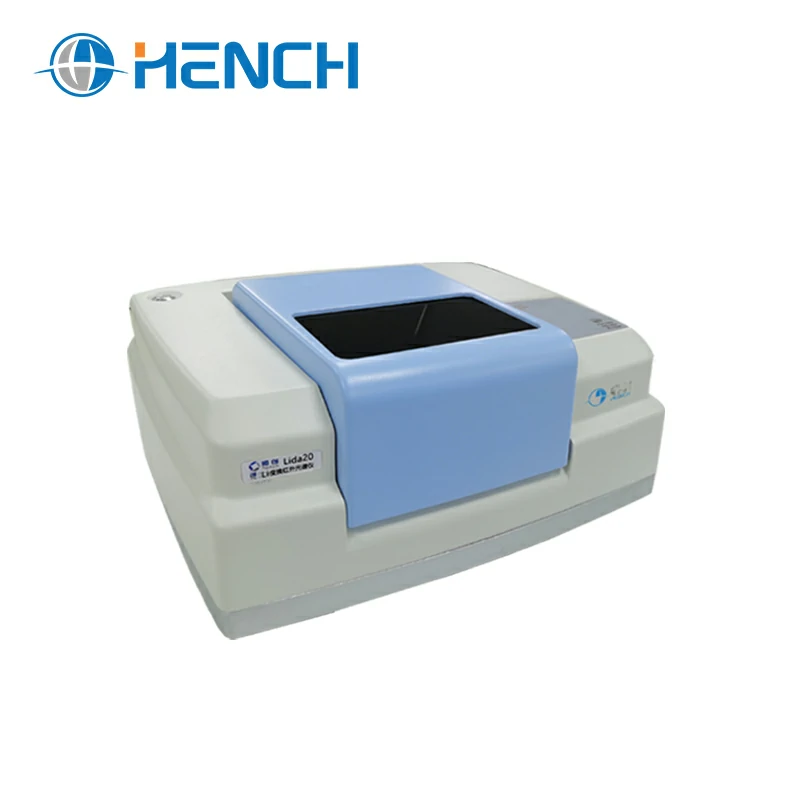
La espectroscopia de infrarrojos con transformada de Fourier (FTIR) es una potente técnica analítica para la identificación y cuantificación de sustancias químicas en estado sólido, líquido y gaseoso. El método funciona midiendo la absorción de radiación infrarroja por una muestra, lo que induce excitaciones vibratorias en sus enlaces moleculares. A diferencia de la espectroscopia de dispersión convencional, un espectrómetro FTIR recoge todos los datos espectrales simultáneamente utilizando un interferómetro de Michelson. La señal resultante, un interferograma, es una representación en el dominio del tiempo de la respuesta del detector. A continuación, se aplica un proceso matemático conocido como transformación de Fourier para convertir este interferograma en un espectro en el dominio de la frecuencia, que representa la absorbancia o transmitancia en función del número de onda. Este enfoque ofrece ventajas significativas, como una relación señal-ruido superior (ventaja de Fellgett), un mayor rendimiento (ventaja de Jacquinot) y una precisión excepcional de la longitud de onda. Estas ventajas han convertido al FTIR en una herramienta indispensable en diversos campos, como la ciencia de materiales, la industria farmacéutica, la vigilancia medioambiental y el control de calidad, ya que permite realizar análisis moleculares rápidos, no destructivos y altamente específicos.
Principales conclusiones
- FTIR proporciona una "huella dactilar" química única para identificar materiales desconocidos.
- La técnica no es destructiva y preserva la muestra para su posterior análisis.
- Ofrece resultados rápidos, a menudo en cuestión de minutos, para el cribado de alto rendimiento.
- Para entender qué es FTIR, reconozca su capacidad para analizar sólidos, líquidos y gases.
- Los datos de varias longitudes de onda se recogen a la vez, lo que mejora la calidad de la señal.
- Los modernos accesorios simplifican la manipulación de las muestras y requieren una preparación mínima.
- FTIR es aplicable en todos los sectores, desde el control de calidad farmacéutico hasta las ciencias medioambientales.
Índice
- Una perspectiva fundamental sobre la luz y la interacción molecular
- El corazón del instrumento: Deconstrucción del espectrómetro FTIR
- De la interferencia al conocimiento: El viaje de una señal FTIR
- Preparación para el descubrimiento: Guía de técnicas de preparación de muestras FTIR
- Aplicación 1: Control de calidad y desarrollo farmacéutico
- Aplicación 2: Industria de polímeros y plásticos
- Aplicación 3: Vigilancia y análisis medioambiental
- Aplicación 4: Ciencia de los alimentos y las bebidas
- Aplicación 5: Ciencias forenses e investigación
- Aplicación 6: Industria de semiconductores
- Aplicación 7: Geociencias y Mineralogía
- Preguntas más frecuentes (FAQ)
- Una reflexión final sobre la investigación molecular
- Referencias
Una perspectiva fundamental sobre la luz y la interacción molecular
Para comenzar nuestra exploración en el mundo de la espectroscopia infrarroja con transformada de Fourier (FTIR), primero debemos cultivar una comprensión de los principios fundamentales que la rigen. No se trata de un mero ejercicio técnico, sino de una investigación sobre la naturaleza misma de cómo interactúan la materia y la energía a escala molecular. No se trata de memorizar datos, sino de aprender un nuevo lenguaje: el lenguaje que hablan las moléculas a través de las vibraciones.
En esencia, toda espectroscopia es el estudio de la interacción entre la radiación electromagnética y la materia. El espectro electromagnético es un vasto continuo de energía, desde los rayos gamma y X de alta energía hasta las microondas y ondas de radio de baja energía. Nuestros ojos sólo son sensibles a una pequeña porción de este espectro, que percibimos como luz visible. Justo después del extremo rojo del espectro visible se encuentra la región infrarroja (IR), una forma de energía que solemos asociar con el calor. Esta región específica de la luz es la clave del análisis FTIR.
La vida vibracional de las moléculas
Consideremos una molécula. No es una entidad estática y rígida. Es un sistema dinámico de átomos unidos por enlaces químicos. Una analogía útil, aunque simplificada, es imaginar estos enlaces como pequeños muelles que conectan los núcleos atómicos. Al igual que un muelle puede estirarse o comprimirse, los enlaces moleculares pueden vibrar. Pueden estirarse, aumentando o disminuyendo la distancia entre dos átomos. Pueden doblarse, cambiando el ángulo entre tres átomos conectados. Existen movimientos aún más complejos, como la torsión, la tijera, el balanceo y el meneo.
Cada uno de estos modos vibracionales tiene una frecuencia natural característica, igual que una cuerda de guitarra tiene un tono específico. Para que una molécula absorba luz infrarroja, debe cumplirse una condición crucial: la frecuencia de la radiación IR entrante debe coincidir exactamente con la frecuencia natural de uno de los modos vibracionales de la molécula. Cuando se produce esta resonancia, la molécula absorbe la energía de la luz, haciendo que aumente la amplitud de esa vibración específica. Un espectrómetro FTIR está diseñado para detectar este fenómeno de absorción.
Una segunda condición es que la vibración provoque un cambio en el momento dipolar de la molécula. Un momento dipolar es una medida de la separación de cargas positivas y negativas dentro de una molécula. Las moléculas simétricas como el nitrógeno (N₂) o el oxígeno (O₂), en las que la carga está distribuida uniformemente, no tienen un momento dipolar que cambie durante la vibración. En consecuencia, no absorben la radiación IR y se consideran "IR inactivos". Esto es bastante afortunado, ya que significa que el nitrógeno y el oxígeno que componen la mayor parte de nuestra atmósfera no interfieren con las mediciones FTIR. Por el contrario, moléculas como el dióxido de carbono (CO₂) o el agua (H₂O), que tienen una distribución de carga desigual, son "IR activas" y producen señales intensas.
El espectro infrarrojo: Una huella molecular
Cuando hacemos pasar una amplia gama de frecuencias infrarrojas a través de una muestra, la molécula sólo absorberá las frecuencias específicas que correspondan a su conjunto único de modos vibracionales. Si comparamos la cantidad de luz transmitida a través de la muestra con la frecuencia de la luz, obtenemos un espectro infrarrojo. Este espectro no es una colección aleatoria de líneas, sino un patrón altamente específico y reproducible de picos y depresiones.
El eje x de un espectro IR se suele representar en unidades de "números de onda" (cm-¹), que son inversamente proporcionales a la longitud de onda y directamente proporcionales a la energía. Los números de onda más altos corresponden a vibraciones de mayor energía, como el estiramiento de dobles o triples enlaces fuertes. Los números de onda más bajos corresponden a vibraciones de menor energía, como la flexión de enlaces o las vibraciones de todo el esqueleto molecular.
El espectro resultante sirve como "huella molecular" única. No hay dos compuestos químicos que tengan exactamente el mismo espectro infrarrojo. Aunque ciertos grupos funcionales -como un grupo carbonilo (C=O) o un grupo hidroxilo (O-H)- absorberán en regiones predecibles del espectro, la combinación general de picos en todo el espectro es única para la molécula en su conjunto. Es esta singularidad la que convierte al FTIR en una herramienta extraordinariamente potente para la identificación química. Comparando el espectro de una muestra desconocida con una biblioteca de espectros de compuestos conocidos, a menudo podemos identificar la sustancia con un alto grado de confianza (Thain, 2024).
La región comprendida entre aproximadamente 4000 y 1500 cm-¹ suele denominarse "región de grupos funcionales", ya que las absorciones aquí son características de tipos específicos de enlaces (por ejemplo, O-H, N-H, C=O). La región más compleja por debajo de 1500 cm-¹ se conoce como "región de huellas dactilares". Las absorciones aquí se deben a intrincados modos vibracionales y rotacionales de toda la molécula, lo que hace que esta zona sea especialmente rica para distinguir entre compuestos similares. La comprensión de lo que es FTIR comienza con la apreciación de este poder para generar una firma única e identificativa para casi cualquier compuesto orgánico o inorgánico.
El corazón del instrumento: Deconstrucción del espectrómetro FTIR
Una vez establecidos los principios de la vibración molecular, podemos centrar nuestra atención en el instrumento que mide estos fenómenos: el espectrómetro FTIR. Para los no iniciados, puede parecer una pieza más del equipo de laboratorio. Sin embargo, dentro de su carcasa se esconde un elegante sistema óptico que representa un importante salto adelante con respecto a las antiguas técnicas dispersivas. El ingenio del FTIR no reside en una nueva forma de hacer vibrar las moléculas, sino en un método revolucionario de medir la luz que interactúa con ellas. El núcleo de esta revolución es un motor óptico llamado interferómetro, un invento atribuido a Albert Michelson a finales del siglo XIX.
Un espectrómetro FTIR consta de cuatro componentes principales: la fuente, el interferómetro, el compartimento de la muestra y el detector. Examinemos cada uno de ellos por separado para apreciar su papel en el proceso analítico.
La fuente: Generación de la luz infrarroja
El proceso comienza con una fuente que emite un amplio espectro continuo de radiación infrarroja. A diferencia de un láser, que emite una única longitud de onda, la fuente FTIR debe proporcionar todas las frecuencias que se van a analizar. La fuente ideal es un radiador de cuerpo negro, es decir, un objeto que brilla cuando se calienta y emite radiación en una amplia gama de longitudes de onda.
Para la gama más común del infrarrojo medio (MIR) (normalmente de 4000 a 400 cm-¹), se suele utilizar una fuente Globar. Consiste en una varilla de carburo de silicio (SiC) que se calienta eléctricamente a unos 1.100 °C. Otra opción habitual es una fuente Ever-Glo, que es un elemento cerámico. Estas fuentes son fiables y producen una radiación estable e intensa en toda la gama de frecuencias requerida. A continuación, el haz continuo de luz IR se dirige mediante una serie de espejos hacia el corazón del instrumento: el interferómetro.
El interferómetro: El motor de FTIR
El interferómetro es lo que distingue a un espectrómetro FTIR de sus predecesores. La mayoría de los instrumentos modernos utilizan un diseño basado en el interferómetro de Michelson. Imagine que el haz de luz IR procedente de la fuente llega a un componente especial denominado divisor de haces. Como su nombre indica, el divisor de haces divide la luz en dos haces separados de intensidad aproximadamente igual.
- Viga 1 pasa a través del divisor de haces y viaja hasta un espejo plano y fijo.
- Viga 2 es reflejado por el divisor de haces en un ángulo de 90 grados y viaja hasta un espejo plano móvil.
El propio divisor de haz es un componente fundamental, a menudo fabricado con un material como el bromuro de potasio (KBr) recubierto de una sustancia como el germanio (Ge) para lograr la deseada división 50/50 de transmisión y reflexión.
Ambos espejos reflejan sus respectivos haces hacia el divisor de haces. En el divisor, los dos haces se recombinan. Cuando se recombinan, interfieren entre sí. Esta interferencia puede ser constructiva (las ondas se suman, creando una señal más fuerte) o destructiva (las ondas se anulan, creando una señal más débil). La naturaleza de esta interferencia depende totalmente de la diferencia en la longitud del camino que han recorrido los dos haces.
El espejo móvil es la clave de todo el proceso. Se desplaza hacia delante y hacia atrás a lo largo de una pista muy precisa. Cuando el espejo móvil se encuentra exactamente a la misma distancia del divisor de haces que el espejo fijo, las longitudes de trayectoria de los dos haces son idénticas. Esta posición se denomina Diferencia de Trayectoria Cero (ZPD). En ZPD, todas las longitudes de onda de la luz de los dos haces están perfectamente en fase, lo que produce la máxima interferencia constructiva y la señal más fuerte posible en el detector.
A medida que el espejo móvil se aleja de la ZPD, se introduce una diferencia de trayectoria. Para una longitud de onda dada, cuando esta diferencia de trayectoria es exactamente media longitud de onda, los dos haces estarán perfectamente desfasados, lo que producirá una interferencia destructiva máxima y una señal mínima. A medida que el espejo continúe moviéndose, la señal oscilará entre la intensidad máxima y la mínima.
La frecuencia de esta oscilación es diferente para cada longitud de onda de la luz. La luz de alta frecuencia (longitud de onda corta) producirá una señal que oscila rápidamente al moverse el espejo, mientras que la luz de baja frecuencia (longitud de onda larga) producirá una señal que oscila lentamente. De este modo, el movimiento del espejo codifica la información de frecuencia de todas las longitudes de onda de la luz en una señal dependiente del tiempo. Esta señal compleja y compuesta se denomina interferograma.
Para garantizar la máxima precisión, la posición del espejo móvil se controla constantemente mediante un sistema interferométrico secundario que utiliza un láser de helio-neón (HeNe), que proporciona una señal de referencia muy precisa para cronometrar la recogida de datos .
El compartimento de muestras: Donde se produce la interacción
Tras abandonar el interferómetro, el haz IR modulado, que ahora contiene toda la información de frecuencia codificada, pasa al compartimento de la muestra. Aquí es donde la luz interactúa con el material analizado. El compartimento está diseñado para alojar una amplia variedad de herramientas avanzadas de preparación de muestras para preprocesamiento FTIRcomo las células de transmisión para líquidos y gases o los accesorios de reflectancia total atenuada (ATR) para sólidos y líquidos viscosos.
Cuando el haz atraviesa la muestra o se refleja en ella, las moléculas de la muestra absorben energía en sus frecuencias de vibración características. Esta absorción elimina selectivamente frecuencias específicas del haz IR. El haz que emerge de la muestra es, por tanto, una versión alterada del original, que lleva la "huella" de la estructura molecular de la muestra.
El Detector: Medición de la señal final
El último componente es el detector, que mide la intensidad de la radiación infrarroja que le llega. El detector convierte la energía luminosa en una señal eléctrica. La elección del detector depende del rango espectral y de la sensibilidad requerida.
Para el análisis estándar del infrarrojo medio, el detector piroeléctrico de sulfato de triglicina deuterado (DTGS) es el más común. Funciona a temperatura ambiente y ofrece una buena sensibilidad y una amplia respuesta espectral. Para aplicaciones que requieren una mayor sensibilidad o tiempos de respuesta más rápidos, se suele utilizar un detector de teluro de mercurio y cadmio (MCT). Los detectores MCT son detectores fotónicos, lo que significa que son más sensibles, pero deben enfriarse con nitrógeno líquido para reducir el ruido térmico.
La señal eléctrica del detector, que representa la intensidad del interferograma en función de la posición del espejo, se envía a continuación a un ordenador para realizar el último paso crítico: la transformada de Fourier.
| Componente | Función | Materiales/tipos comunes | Característica clave |
|---|---|---|---|
| Fuente | Emite radiación infrarroja de amplio espectro. | Globar (SiC), Cerámica | Salida continua, estable y de alta intensidad. |
| Interferómetro | Divide, modula y recombina el haz IR. | Beamsplitter (KBr), Espejos (Dorados) | Codifica la información de longitud de onda en un interferograma. |
| Portamuestras | Posiciona la muestra en la trayectoria del haz IR. | Células de transmisión, cristales ATR (diamante, ZnSe) | Permite la interacción entre la luz IR y la muestra. |
| Detector | Mide la intensidad del haz IR final. | DTGS (piroeléctrico), MCT (fotónico) | Convierte la energía luminosa en una señal eléctrica. |
De la interferencia al conocimiento: El viaje de una señal FTIR
Ahora hemos seguido la trayectoria de la luz infrarroja desde su fuente, a través de la intrincada danza del interferómetro, y pasando por la muestra hasta el detector. Pero la señal captada por el detector no es todavía un espectro infrarrojo. Es un interferograma, una forma de onda compleja que contiene la información espectral en un formato codificado. El último paso del proceso, y el que da nombre al FTIR, es traducir este interferograma en el conocido espectro de absorbancia frente a número de onda. Esta traducción se consigue mediante un potente algoritmo matemático: la transformada de Fourier.
Comprender el interferograma
Hagamos una pausa y visualicemos de nuevo el interferograma. Es un gráfico de la intensidad de la luz medida en el detector frente a la diferencia de camino óptico (OPD) creada por el espejo en movimiento.
- A diferencia de trayectoria cero (ZPD): Todas las frecuencias de luz llegan al detector en fase. Sus amplitudes se suman, creando un pico de intensidad masivo y agudo. Esta característica se denomina "estallido central" y es la parte más prominente de cualquier interferograma de una fuente de banda ancha.
- Lejos de ZPD: A medida que el espejo se mueve, las distintas frecuencias entran y salen de fase a ritmos diferentes. La luz de alta frecuencia (número de onda grande) crea una onda sinusoidal de alta frecuencia en el interferograma, mientras que la luz de baja frecuencia (número de onda pequeño) crea una onda sinusoidal de baja frecuencia.
El interferograma medido por el detector es la suma de todas estas ondas sinusoidales individuales de todas las frecuencias presentes en la fuente de luz. Se trata de un patrón complejo y superpuesto que suele decaer en amplitud a medida que el espejo se aleja de la ráfaga central. Es como escuchar un acorde en un piano. El oído oye un sonido complejo, pero un músico experto (o una transformada de Fourier) puede descomponer ese sonido en sus notas (frecuencias) individuales.
La magia de la transformada de Fourier
La transformada de Fourier es un procedimiento matemático que descompone una función del tiempo (o, en nuestro caso, de la posición del espejo) en las frecuencias que la componen. Esencialmente, convierte los datos del "dominio del tiempo" (el interferograma) al "dominio de la frecuencia" (el espectro).
El descubrimiento de un algoritmo altamente eficiente para este cálculo, la Transformada Rápida de Fourier (FFT) por Cooley y Tukey en 1965, fue un momento crucial. Redujo drásticamente el tiempo de cálculo necesario, haciendo factible el uso rutinario de FTIR con la llegada de ordenadores asequibles (Thain, 2024).
Cuando la FFT se aplica al interferograma, produce lo que se denomina un "espectro de haz único". Este espectro muestra la intensidad de la luz en cada número de onda. Sin embargo, éste no es el resultado final que deseamos. El espectro de haz único contiene contribuciones de la fuente (no emite de forma perfectamente uniforme en todas las frecuencias), de la atmósfera del instrumento (el vapor de agua y el CO₂ tienen fuertes absorciones) y del detector (su respuesta no es perfectamente plana).
Creación del espectro final: sustracción del fondo
Para aislar la absorción debida únicamente a la muestra, debemos realizar una medición en dos etapas:
- Recoge un espectro de fondo: En primer lugar, se registra un interferograma sin muestra en la trayectoria del haz. El instrumento está vacío, o sólo contiene el disolvente puro si se analiza una solución. Esto se transforma en un espectro de fondo de haz único, I_B. Este espectro representa la función de respuesta del instrumento. Este espectro representa la función de respuesta del instrumento.
- Recoge una muestra del espectro: A continuación, se coloca la muestra en la trayectoria del haz y se registra un nuevo interferograma. Éste se transforma en un espectro de muestra de haz único, I_S.
A continuación, se calcula el espectro de transmitancia final (T) tomando la relación entre el espectro de la muestra y el espectro de fondo en cada número de onda:
T = IS / IB
Este sencillo proceso de relación anula eficazmente todos los artefactos instrumentales y atmosféricos, dejando sólo la información relacionada con la muestra. El resultado es un espectro limpio que muestra el porcentaje de luz transmitida por la muestra en cada número de onda.
La mayoría de las veces, los científicos prefieren trabajar con la absorbancia (A) en lugar de la transmitancia, porque la absorbancia es directamente proporcional a la concentración de la muestra, una relación descrita por la ley de Beer-Lambert. La absorbancia se calcula a partir de la transmitancia como:
A = -log(T)
El resultado final es el conocido gráfico de Absorbancia frente a Número de Onda (cm-¹), la huella molecular que es el objetivo último de la medición FTIR. Cada pico de este espectro corresponde a una vibración molecular específica que ha absorbido energía del haz infrarrojo, proporcionando una gran cantidad de información sobre la identidad química y la estructura de la muestra.
Ventajas del método CJ
Todo este proceso, desde el interferograma hasta el espectro, es lo que confiere al FTIR sus importantes ventajas sobre los antiguos métodos dispersivos, que medían una longitud de onda cada vez utilizando una rejilla.
- Ventaja Fellgett's (Ventaja Multiplex): El espectrómetro FTIR mide todas las frecuencias simultáneamente, en lugar de secuencialmente. Esto significa que se puede obtener un espectro completo en el mismo tiempo que tardaría un instrumento dispersivo en medir sólo un pequeño rango de frecuencias. Para conseguir la misma relación señal-ruido, un FTIR es órdenes de magnitud más rápido.
- Ventaja de Jacquinot's (Ventaja de rendimiento): Los instrumentos dispersivos requieren rendijas estrechas para lograr una buena resolución, lo que limita en gran medida la cantidad de luz (caudal) que llega al detector. Un FTIR no tiene estas rendijas y utiliza una gran abertura circular, lo que permite que pase mucha más energía luminosa a través del instrumento. El resultado es una relación señal-ruido mucho mayor.
- Connes' Ventaja (Precisión de longitud de onda): El uso de un láser HeNe para referenciar constantemente la posición del espejo garantiza que la escala de números de onda del espectro sea extremadamente precisa y reproducible, superando con creces la precisión mecánica de una rejilla dispersiva.
Estas tres ventajas se combinan para hacer del FTIR una técnica más rápida, sensible y precisa, consolidando su papel como piedra angular de la química analítica moderna.
Preparación para el descubrimiento: Guía de técnicas de preparación de muestras FTIR
Los más sofisticados Espectrómetro de infrarrojos por transformada de Fourier es de poca utilidad sin una forma adecuada de introducir la muestra en el haz infrarrojo. El método elegido para la preparación de la muestra no es un detalle trivial; puede afectar profundamente a la calidad e interpretación del espectro final. El objetivo de cualquier técnica de muestreo es obtener un espectro de alta calidad del analito minimizando los artefactos espectrales y las interferencias. La elección de la técnica depende del estado físico de la muestra -sólida, líquida o gaseosa- y de la información específica que se desee obtener.
Afortunadamente, décadas de innovación han dado lugar a una amplia gama de accesorios de muestreo, haciendo del FTIR uno de los métodos analíticos más versátiles disponibles. Exploremos las técnicas más comunes.
Espectroscopia de Transmisión: El enfoque clásico
La transmisión es el método más antiguo y conceptualmente más sencillo. El haz infrarrojo atraviesa directamente la muestra y el detector mide la cantidad de luz que se transmite.
- Para líquidos: Los líquidos pueden analizarse en una célula de transmisión. Estas células constan de dos ventanas de un material transparente al IR (como NaCl, KBr o ZnSe) separadas por un fino espaciador. La longitud del trayecto de la célula (el grosor de la capa líquida) es fundamental. Para el análisis del infrarrojo medio, las longitudes de paso suelen ser muy cortas, de 15 µm a 1 mm, porque muchos líquidos orgánicos absorben fuertemente. Se coloca un líquido "puro" (sin diluir) entre dos placas de sal para formar una película fina, o se prepara una solución utilizando un disolvente que tenga una absorción IR mínima en las regiones de interés (por ejemplo, tetracloruro de carbono o disulfuro de carbono, aunque su uso está ahora limitado debido a su toxicidad).
- Para sólidos: Para que un sólido pueda analizarse por transmisión, debe hacerse suficientemente transparente a la radiación IR. El método más tradicional es el Pastilla KBr. Una pequeña cantidad de la muestra sólida (1-2 mg) se tritura finamente con unos 100-200 mg de bromuro de potasio (KBr) seco de calidad espectroscópica. A continuación, la mezcla se prensa a alta presión en una matriz para formar un disco pequeño y transparente. El KBr se utiliza porque es transparente a la radiación IR y tiene un índice de refracción similar al de muchos compuestos orgánicos, lo que reduce la dispersión. Aunque es eficaz, este método requiere mucho trabajo, es sensible a la humedad (el KBr es higroscópico) y a veces puede inducir cambios en la estructura cristalina de la muestra.
- Para gases: Los gases se analizan en una célula de gas, que es esencialmente un tubo con ventanas transparentes al IR en ambos extremos. Dado que los gases tienen concentraciones muy bajas, estas celdas suelen tener longitudes de recorrido muy largas (de varios centímetros a muchos metros) para garantizar una interacción suficiente con el haz IR. Las células de gas de paso múltiple utilizan espejos internos para reflejar el haz de ida y vuelta a través de la muestra varias veces, consiguiendo longitudes de paso efectivas de 10 metros o más dentro de una célula compacta.
Reflectancia total atenuada (ATR): El caballo de batalla moderno
La reflectancia total atenuada (ATR) se ha convertido en la técnica de muestreo más popular para la espectroscopia del infrarrojo medio, especialmente para sólidos y líquidos. Su popularidad se debe a su rapidez, facilidad de uso y mínima preparación de la muestra.
El accesorio ATR utiliza un cristal con un alto índice de refracción, como el diamante, el seleniuro de zinc (ZnSe) o el germanio (Ge). El haz IR se dirige al cristal en un ángulo tal que sufre una reflexión interna total en la superficie superior del cristal. Aunque el haz se refleja "totalmente", se genera una onda electromagnética denominada onda evanescente penetra una distancia muy corta (normalmente 0,5-2 µm) en el espacio situado justo por encima de la superficie del cristal.
Si se pone una muestra en contacto íntimo con esta superficie, la onda evanescente puede ser absorbida por la muestra a sus frecuencias características. El haz reflejado, ahora "atenuado" por la absorción de la muestra, se dirige al detector. El espectro resultante es muy similar a un espectro de transmisión convencional.
Las ventajas del RTA son numerosas:
- Preparación mínima de muestras: Se pueden analizar polvos sólidos, películas de polímeros, líquidos viscosos e incluso tejidos blandos simplemente presionándolos sobre el cristal.
- Velocidad: Se puede realizar una medición en segundos.
- Reproducibilidad: Las propiedades de la onda evanescente fijan la longitud del trayecto, lo que permite obtener resultados muy reproducibles.
- Muestras acuosas: Como la longitud del trayecto es tan corta, se pueden analizar incluso muestras muy absorbentes, como el agua, lo que supone una ventaja significativa frente a los métodos de transmisión.
La elección del cristal de ATR es importante. El diamante es extremadamente robusto y químicamente inerte, lo que lo convierte en una opción versátil. El ZnSe es menos caro, pero más blando y sensible a los ácidos. El Ge tiene un índice de refracción más alto, lo que se traduce en una longitud de camino más corta, ideal para muestras muy absorbentes como los polímeros rellenos de carbono.
Espectroscopia de reflectancia: Análisis de superficies
Las técnicas de reflectancia se utilizan cuando la muestra es demasiado gruesa u opaca para la transmisión, o cuando sólo interesa la superficie de un material.
- Reflectancia especular: Esta técnica mide la luz que se refleja directamente en una superficie lisa, similar a un espejo. Es útil para analizar revestimientos finos sobre sustratos reflectantes (como un revestimiento de polímero sobre una lata metálica). El ángulo de incidencia suele ser casi normal (cerca de 90°).
- Reflectancia difusa (DRIFTS): Es el método preferido para los sólidos y polvos de superficie rugosa. Cuando el haz IR incide sobre una muestra en polvo, se dispersa en múltiples direcciones. Parte de la luz penetra en las partículas individuales y es absorbida antes de ser dispersada de nuevo. Un conjunto especial de espejos recoge esta luz difusamente dispersa y la dirige al detector. El DRIFTS es muy sensible y constituye una excelente alternativa a los gránulos de KBr, ya que requiere menos preparación de la muestra.
| Técnica | Estado de la muestra | Principio | Ventajas | Desventajas |
|---|---|---|---|---|
| Transmisión | Gas, líquido, sólido | El haz IR atraviesa directamente la muestra. | Precisión cuantitativa (Ley de Beer's), bien establecida. | Requiere preparación de la muestra (por ejemplo, pellet de KBr), difícil para muestras opacas. |
| ATR | Líquido, Sólido | La onda evanescente de una reflexión interna interactúa con la superficie de la muestra. | Rápido, fácil, preparación mínima, bueno para muestras acuosas. | El espectro puede diferir ligeramente de la transmisión; requiere un buen contacto con la muestra. |
| Reflectancia difusa | Sólido (polvo) | El haz IR se dispersa dentro de la muestra y se recoge la luz dispersa. | Alta sensibilidad, preparación mínima para polvos. | No apto para superficies lisas, puede ser difícil de cuantificar. |
| Reflectancia especular | Sólido (liso) | El haz IR se refleja en una superficie lisa y brillante. | Buena para películas finas sobre sustratos reflectantes, sin contacto. | Requiere una superficie muy reflectante, puede tener distorsiones espectrales. |
Aplicación 1: Control de calidad y desarrollo farmacéutico
En la industria farmacéutica hay mucho en juego. La identidad, pureza y consistencia de los ingredientes farmacéuticos activos (API) y excipientes no son sólo cuestiones de calidad, sino de salud pública y seguridad. En este caso, la espectroscopia FTIR sirve como guardián vigilante y herramienta de desarrollo perspicaz. Su velocidad, especificidad y naturaleza no destructiva la hacen inestimable en casi todas las fases del ciclo de vida de un fármaco, desde la investigación inicial hasta la verificación final del producto (Fahelelbom et al., 2022).
Identificación y verificación de materias primas
Antes de prensar un solo comprimido, todas las materias primas que entran en la planta de fabricación deben someterse a pruebas rigurosas para confirmar su identidad. Un error en esta fase puede tener consecuencias catastróficas. Tradicionalmente, esto implicaba pruebas químicas húmedas que consumían mucho tiempo. Hoy en día, FTIR con un accesorio ATR ofrece una alternativa muy superior.
Se coloca una pequeña muestra de un material entrante -ya sea un polvo API, un excipiente de lactosa o un lubricante de estearato de magnesio- sobre el cristal ATR. En un minuto se genera un espectro. A continuación, este espectro se compara con una biblioteca digital de espectros de referencia de materiales aprobados. Unos sofisticados algoritmos de software calculan un "valor de coincidencia" o coeficiente de correlación. Si la coincidencia supera un umbral predefinido (por ejemplo, 99,5%), el material se confirma y se acepta. En caso contrario, se marca para seguir investigando. Este proceso es tan rápido y fiable que puede aplicarse a todos y cada uno de los contenedores de materias primas, lo que proporciona una garantía de identidad 100%.
Selección de polimorfos y sales
La forma física de un principio activo puede influir enormemente en sus propiedades terapéuticas, como su solubilidad, biodisponibilidad y estabilidad. Un único compuesto químico puede cristalizar a menudo en múltiples formas diferentes, conocidas como polimorfos. Aunque son químicamente idénticos, los polimorfos tienen estructuras cristalinas diferentes. Estas diferencias estructurales dan lugar a variaciones sutiles pero distintas en sus espectros vibratorios.
FTIR es una herramienta fundamental para identificar y diferenciar entre polimorfos. Durante el desarrollo de fármacos, los químicos sintetizan y cristalizan un nuevo API en diversas condiciones para descubrir todas las formas polimórficas posibles. El análisis FTIR proporciona la huella espectral única de cada forma, lo que permite a los investigadores seleccionar el polimorfo más estable y eficaz para el desarrollo clínico. Se trata de un paso fundamental, ya que una transformación polimórfica involuntaria durante la fabricación o el almacenamiento podría hacer que un fármaco resultara ineficaz o incluso perjudicial.
Análisis cuantitativo y uniformidad del contenido
Más allá de la simple identificación, FTIR también puede utilizarse para mediciones cuantitativas. Al crear un modelo de calibración utilizando muestras de concentración conocida, FTIR puede determinar la cantidad de API en una forma de dosificación final, como un comprimido o una cápsula. Esto es crucial para garantizar la uniformidad del contenido, es decir, que cada comprimido contenga la dosis correcta de medicamento.
Aunque la cromatografía líquida de alto rendimiento (HPLC) sigue siendo el patrón oro para las pruebas de liberación final, FTIR proporciona un método mucho más rápido para la supervisión en línea o durante el proceso. Puede comprobar rápidamente la uniformidad de la mezcla de polvos antes de la compresión de los comprimidos o analizar los comprimidos acabados para garantizar que cumplen las especificaciones, lo que ayuda a detectar desviaciones de fabricación en tiempo real.
Aplicación 2: Industria de polímeros y plásticos
Los polímeros son la espina dorsal de la ciencia de materiales moderna, y forman desde simples películas de embalaje hasta compuestos aeroespaciales de alto rendimiento. Las propiedades de un polímero vienen dictadas por su estructura química: el tipo de unidades monoméricas, la presencia de aditivos y el grado de degradación. La espectroscopia FTIR es posiblemente la técnica más utilizada para la caracterización de materiales poliméricos, proporcionando respuestas rápidas y fiables a cuestiones críticas de identidad, calidad y fallos.
Identificación de polímeros y análisis de mezclas
La primera pregunta que suele hacerse un químico de polímeros es: "¿Qué es este plástico?". FTIR proporciona una respuesta rápida y definitiva. Un pequeño trozo de una pieza de plástico desconocida puede analizarse directamente utilizando un accesorio ATR. El espectro resultante es una huella dactilar única de la columna vertebral del polímero. El pico agudo e intenso en torno a 1730 cm-¹ sugiere inmediatamente un grupo éster, característico del tereftalato de polietileno (PET). Un patrón complejo en la región de la huella dactilar podría identificar el policarbonato (PC), mientras que los modos de flexión C-H característicos pueden distinguir entre polietileno (PE) y polipropileno (PP).
Comparando el espectro desconocido con amplias bibliotecas comerciales, se puede identificar el polímero base en cuestión de segundos. Esto es vital para el control de calidad, el análisis de la competencia y los esfuerzos de reciclaje, donde es esencial clasificar los diferentes tipos de plástico. FTIR también puede utilizarse para analizar mezclas de polímeros y copolímeros, revelando a menudo las proporciones relativas de los distintos componentes.
Detección de aditivos y contaminantes
Pocos polímeros se utilizan en estado puro. Casi siempre están compuestos con aditivos que mejoran sus propiedades: plastificantes para la flexibilidad, antioxidantes para la estabilidad térmica, absorbentes de UV para evitar la degradación por la luz y cargas como talco o fibras de vidrio para la resistencia. Estos aditivos suelen estar presentes en pequeñas cantidades, pero su impacto es enorme.
FTIR puede ser una potente herramienta para detectar e identificar estos aditivos. Aunque las fuertes absorciones del polímero base pueden a veces enmascarar las señales más débiles de los aditivos, las técnicas de sustracción espectral pueden ayudar. Al sustraer el espectro de un polímero de referencia puro del espectro del producto formulado, se genera un espectro de diferencia que revela los picos característicos de los aditivos. Del mismo modo, FTIR es excelente para identificar contaminantes que puedan haberse introducido durante el procesado y que podrían comprometer el rendimiento del producto final.
Degradación y análisis de fallos
Cuando una pieza de plástico falla en servicio -se vuelve quebradiza, se decolora o se agrieta- es crucial entender por qué. FTIR es una herramienta clave en el análisis de fallos, ya que ayuda a descubrir los cambios químicos que provocaron la rotura del material.
- Oxidación: Muchos polímeros son susceptibles de oxidarse cuando se exponen al calor y al aire. Este proceso crea grupos carbonilo (C=O) e hidroxilo (O-H) dentro de la estructura del polímero. La aparición y el crecimiento de bandas de absorción en las regiones de 1700-1750 cm-¹ (carbonilo) y 3200-3600 cm-¹ (hidroxilo) son claros indicadores de la degradación oxidativa. El grado de oxidación puede incluso cuantificarse midiendo el área de estos picos.
- Hidrólisis: Los polímeros con enlaces éster o amida, como el PET o los nilones, pueden degradarse por la humedad, un proceso denominado hidrólisis. Esto rompe las cadenas poliméricas y puede controlarse mediante cambios en el espectro FTIR.
- Degradación UV: La exposición a la luz solar también puede romper los enlaces de los polímeros. FTIR puede rastrear los cambios químicos asociados a esta fotodegradación, lo que ayuda a los ingenieros a seleccionar los materiales o estabilizadores UV adecuados para las aplicaciones en exteriores.
Aplicación 3: Vigilancia y análisis medioambiental
La salud de nuestro planeta es una cuestión cada vez más preocupante, y la química analítica desempeña un papel vital en el control y la mitigación de la contaminación medioambiental. La espectroscopia FTIR se ha revelado como una herramienta versátil y potente para una serie de aplicaciones medioambientales, desde la identificación de contaminantes en el agua y el suelo hasta el análisis de gases atmosféricos. Su capacidad para proporcionar mediciones rápidas in situ o in situ la hace especialmente valiosa para el trabajo medioambiental de campo.
Identificación de microplásticos
Uno de los problemas medioambientales más acuciantes de nuestro tiempo es la proliferación de microplásticos (diminutas partículas de plástico de menos de 5 mm de tamaño) en nuestros océanos, ríos e incluso en el agua potable. Un paso fundamental en el estudio de este problema es identificar el tipo de plástico del que están hechas estas partículas, ya que esto ayuda a rastrear su origen y comprender su destino medioambiental.
FTIR, especialmente cuando se combina con un microscopio (microscopía FTIR), es la técnica líder para esta tarea (Scopetani et al., 2019). Las partículas microplásticas individuales, a menudo de menos de un milímetro de tamaño, pueden aislarse de una muestra de agua o sedimento y colocarse bajo el microscopio. A continuación, el instrumento puede enfocar el haz IR sobre una sola partícula y adquirir su espectro. Al comparar este espectro con una biblioteca de polímeros, la partícula puede identificarse como polietileno, polipropileno, poliestireno u otro tipo de plástico común. Esta información es muy valiosa para los científicos medioambientales que trabajan para comprender la magnitud y las fuentes de la contaminación por plásticos.
Análisis de vertidos de petróleo y contaminación del suelo
Cuando se produce un vertido de petróleo, la rápida identificación de la fuente es crucial para los esfuerzos legales y de reparación. Los petróleos crudos de distintas ubicaciones geográficas tienen composiciones químicas ligeramente diferentes, lo que da lugar a huellas dactilares FTIR únicas. Tomando una muestra del petróleo derramado y comparando su espectro con una biblioteca de petróleos de referencia, los investigadores pueden a menudo precisar el origen del vertido.
Del mismo modo, FTIR puede utilizarse para analizar muestras de suelo en busca de contaminación por hidrocarburos de petróleo, pesticidas u otros contaminantes orgánicos. Mientras que la cromatografía de gases-espectrometría de masas (GC-MS) se utiliza normalmente para la cuantificación definitiva, FTIR proporciona un método de detección muy rápido. Una muestra de suelo puede analizarse utilizando un accesorio DRIFTS o ATR para determinar rápidamente si existe contaminación, lo que permite una evaluación rápida del emplazamiento y la priorización de las áreas que deben limpiarse.
Análisis de gases atmosféricos
La composición de nuestra atmósfera tiene un impacto directo en el clima y la calidad del aire. FTIR es una herramienta esencial para los científicos atmosféricos que estudian los gases de efecto invernadero y los contaminantes. Como ya hemos comentado, moléculas como el dióxido de carbono (CO₂), el metano (CH₄), el óxido nitroso (N₂O) y diversos contaminantes industriales son activos por IR.
Utilizando células de gas de trayecto largo, los investigadores pueden medir las concentraciones de estos gases en una muestra de aire con gran precisión. Los sistemas FTIR de trayecto abierto pueden incluso controlar las concentraciones de gases a larga distancia en una instalación industrial o en una zona urbana. Se coloca una fuente IR en un lado de la zona y un espectrómetro FTIR acoplado a un telescopio en el otro. El instrumento mide la absorción del haz IR a su paso por el aire libre, proporcionando datos en tiempo real sobre las concentraciones y flujos de diversos componentes atmosféricos. Esto es vital para controlar las emisiones de las chimeneas industriales, seguir la formación del smog urbano y estudiar el ciclo global del carbono.
Aplicación 4: Ciencia de los alimentos y las bebidas
La industria alimentaria mundial depende de una calidad, seguridad y autenticidad constantes. Los consumidores esperan que los productos que compran sean exactamente lo que dice la etiqueta, y los fabricantes necesitan herramientas analíticas sólidas para garantizar que así sea. La espectroscopia FTIR se ha convertido en un caballo de batalla en la ciencia de los alimentos, ofreciendo un análisis rápido y no destructivo para todo, desde la evaluación de la calidad del aceite de oliva hasta la detección de adulteraciones fraudulentas de la leche.
Análisis de aceites y grasas comestibles
La composición de los aceites y grasas comestibles determina su valor nutritivo, sus propiedades culinarias y su vida útil. FTIR se utiliza ampliamente para caracterizar estos productos. Por ejemplo, el grado de insaturación de un aceite, un parámetro nutricional clave, puede determinarse midiendo la intensidad del pico de estiramiento =C-H en torno a 3010 cm-¹.
Y lo que es más importante, FTIR es una potente herramienta para detectar adulteraciones. El aceite de oliva virgen extra, un producto de gran valor, se adultera con frecuencia con aceites más baratos como el de girasol o el de canola. Estos diferentes aceites tienen perfiles de ácidos grasos distintos, que dan lugar a diferencias sutiles pero mensurables en sus espectros FTIR. Utilizando la quimiometría -métodos estadísticos avanzados aplicados a los datos espectrales- es posible construir modelos capaces de detectar la adulteración a niveles de tan solo un pequeño porcentaje, protegiendo tanto a los consumidores como a los productores honrados (Rohman et al., 2020).
Análisis de productos lácteos y bebidas
En la industria láctea, FTIR se utiliza para el análisis rutinario de la leche. Una sola medición puede proporcionar simultáneamente la concentración de grasa, proteína y lactosa, los componentes clave que determinan la calidad y el precio de la leche. Esto ha sustituido en gran medida a los métodos químicos húmedos tradicionales, más lentos, permitiendo un análisis de alto rendimiento en los centros de recogida de leche. FTIR también se utiliza para detectar adulterantes, como agua añadida o melamina, un compuesto rico en nitrógeno que se añade ilegalmente para inflar artificialmente el contenido aparente de proteínas.
Para bebidas como el vino y los zumos de frutas, FTIR puede medir rápidamente parámetros como el contenido de azúcar (Brix), la acidez y la concentración de alcohol. También puede utilizarse para pruebas de autenticidad, por ejemplo, para verificar que un producto etiquetado como "zumo de naranja 100%" no se ha diluido con agua azucarada más barata o zumo de otras frutas.
Calidad de los cereales y granos
La calidad del trigo, el maíz y otros cereales es fundamental para la panificación, la elaboración de cerveza y la producción de piensos. Los parámetros clave son el contenido de proteínas, la humedad y las propiedades del almidón. Tradicionalmente, estos parámetros se miden mediante laboriosos métodos de referencia, como el método Kjeldahl para las proteínas.
La espectroscopia NIR, un pariente cercano de la FTIR de infrarrojo medio, es particularmente dominante en esta área. Gracias a la reflectancia difusa, es posible analizar una muestra de grano entero en cuestión de segundos, sin necesidad de preparar la muestra. Los modelos de calibración creados a partir de datos de referencia permiten al instrumento predecir el contenido de proteínas y humedad con gran precisión. Esto permite a los elevadores de grano y a los procesadores de alimentos separar rápidamente el grano entrante en función de su calidad, garantizando que la materia prima correcta va al proceso correcto.
Aplicación 5: Ciencias forenses e investigación
En la ciencia forense, las pruebas físicas suelen ser fragmentarias y diminutas. La capacidad de identificar una sustancia desconocida a partir de una traza diminuta puede ser la clave para resolver un crimen. La espectroscopia FTIR, especialmente cuando se combina con un microscopio, es una piedra angular del laboratorio forense moderno. Su naturaleza no destructiva es una ventaja significativa, ya que preserva valiosas pruebas para otros posibles análisis.
Análisis de fibras y virutas de pintura
Las fibras son una forma común de rastro de pruebas, a menudo transferidas entre un sospechoso, una víctima y la escena del crimen. Una sola fibra encontrada en la ropa de una víctima puede relacionarla con la alfombra o la tapicería de un coche de un sospechoso. La microscopía FTIR es la herramienta ideal para identificar el tipo de polímero de una fibra sintética (por ejemplo, nailon, poliéster o acrílico). El espectro proporciona una identificación química definitiva que puede utilizarse para incluir o excluir una fuente potencial.
Del mismo modo, los restos de pintura transferidos durante un atropello con fuga o un allanamiento de morada pueden constituir un poderoso vínculo probatorio. Un trozo de pintura de varias capas contiene una gran cantidad de información. La microscopía FTIR puede utilizarse para analizar cada capa individualmente, identificando la composición química de los aglutinantes, pigmentos y cargas de la imprimación, la capa base y la capa transparente. Este perfil químico detallado puede compararse con una muestra de un vehículo sospechoso, estableciendo potencialmente un origen común.
Identificación de drogas ilícitas y sustancias controladas
Las fuerzas del orden se incautan regularmente de polvos, píldoras y materiales vegetales desconocidos. Una identificación rápida y precisa es necesaria para el enjuiciamiento. FTIR con un accesorio ATR es una herramienta de detección estándar en la química forense de drogas. Una pequeña cantidad de un polvo incautado puede analizarse en cuestión de segundos. El espectro resultante se compara con una completa biblioteca de sustancias controladas, como cocaína, heroína, metanfetamina y una amplia gama de drogas sintéticas de "diseño".
Aunque una coincidencia positiva de FTIR se considera normalmente una prueba presuntiva y a menudo se confirma mediante GC-MS, su rapidez y especificidad la convierten en una herramienta de primera línea inestimable para los agentes de campo y los técnicos de laboratorio. En la actualidad, las fuerzas del orden utilizan habitualmente unidades FTIR portátiles para la identificación in situ de sustancias sospechosas.
Análisis de documentos y tintas
Las cuestiones relativas a la autenticidad de los documentos, como determinar si una firma ha sido falsificada o si un documento ha sido alterado, son habituales en las investigaciones forenses. El FTIR puede utilizarse para analizar la composición química de las tintas. Los distintos fabricantes de bolígrafos utilizan diferentes formulaciones de tinta, que dan lugar a espectros FTIR distintos. Analizando la tinta de diferentes partes de un documento, puede ser posible determinar si se utilizaron diferentes bolígrafos, lo que sugiere una alteración posterior. También puede ayudar a determinar la antigüedad relativa de las entradas de tinta, aunque se trata de una aplicación más compleja y difícil.
Aplicación 6: Industria de semiconductores
La industria de los semiconductores opera en las fronteras de la ciencia y la ingeniería de materiales, donde la pureza y la precisión son primordiales. La fabricación de microchips implica cientos de pasos complejos, y un contaminante microscópico o una sutil desviación en las propiedades del material pueden provocar el fallo de todo un lote de costosas obleas. La espectroscopia FTIR es una herramienta esencial para el control de calidad y la resolución de problemas en este exigente entorno, y se utiliza para supervisar procesos, caracterizar materiales e identificar fuentes de fallos.
Contaminación de obleas y análisis de películas finas
Las obleas de silicio son la base de todos los microchips. Sus superficies deben mantenerse excepcionalmente limpias durante todo el proceso de fabricación. FTIR se utiliza para detectar e identificar contaminantes orgánicos e inorgánicos en la superficie de la oblea. Utilizando accesorios especializados de reflectancia de ángulo rasante, el instrumento puede detectar niveles de contaminación monocapa o submonocapa, identificando residuos de fotorresinas, disolventes de limpieza o contacto humano.
Durante la fabricación, se depositan o cultivan en la oblea películas finas de diversos materiales (por ejemplo, dióxido de silicio, nitruro de silicio, polisilicio). El grosor y la composición química de estas películas son fundamentales para el rendimiento del dispositivo. FTIR puede medir el grosor de estas películas de forma no destructiva analizando los patrones de interferencia (franjas) en el espectro de reflectancia. También puede proporcionar información sobre la estructura química de la película, como la concentración de hidrógeno o nitrógeno incorporada a una capa de nitruro de silicio, que afecta a sus propiedades eléctricas.
Control de la pureza del gas
La fabricación de semiconductores depende de una amplia variedad de gases de pureza ultra alta (UHP) para procesos como el depósito químico en fase vapor (CVD) y el grabado. Incluso niveles mínimos de impurezas en estos gases, como vapor de agua o hidrocarburos, pueden ser perjudiciales para el proceso.
El FTIR, equipado con células de gas de largo recorrido, se utiliza para supervisar continuamente la pureza de estos gases de proceso. El instrumento puede configurarse para supervisar una línea de gas en tiempo real, proporcionando alertas inmediatas si la concentración de una impureza crítica, como la humedad, supera un umbral especificado (por ejemplo, niveles de partes por billón). Esto permite a los ingenieros desviar el gas contaminado y solucionar el origen del problema antes de que afecte a la producción, con el consiguiente ahorro de tiempo y dinero.
Análisis de fallos
Cuando un microchip falla, FTIR es una herramienta clave en el flujo de trabajo del análisis de fallos. La microscopía FTIR puede utilizarse para analizar defectos microscópicos o partículas que puedan haber causado el fallo. Por ejemplo, si se encuentra una partícula en el lugar de un cortocircuito eléctrico, FTIR puede identificar su composición química. Si la partícula se identifica como acero inoxidable, podría apuntar a un problema con una pieza del equipo; si se identifica como un polímero específico, podría remontarse a un material de embalaje. Esta información química es crucial para aplicar medidas correctivas eficaces.
Aplicación 7: Geociencias y Mineralogía
El estudio de la Tierra -sus rocas, minerales y procesos geológicos- depende de la identificación y caracterización precisas de los materiales geológicos. La espectroscopia FTIR proporciona a los geocientíficos una potente herramienta para identificar rápidamente los minerales y analizar su composición química. Esta información es fundamental para comprender la formación de las rocas, la exploración de recursos minerales y el estudio de la ciencia planetaria.
Identificación de minerales
Cada mineral tiene una estructura cristalina y una composición química únicas, lo que a su vez le confiere un espectro vibratorio único. La región del infrarrojo medio es especialmente sensible a las vibraciones de los grupos aniónicos más comunes en los minerales, como el silicato (SiO₄), el carbonato (CO₃), el sulfato (SO₄) y el fosfato (PO₄). La posición, la forma y el número de picos de absorción relacionados con estos grupos proporcionan una huella dactilar definitiva para la identificación de minerales.
Un geólogo que disponga de una muestra de roca puede moler una pequeña porción hasta convertirla en polvo y analizarla con un accesorio DRIFTS o ATR. Comparando el espectro resultante con una biblioteca de espectros minerales, se pueden identificar los minerales primarios de la roca. Por ejemplo, la banda de absorción fuerte y ancha cerca de 1000-1100 cm-¹ es característica de los minerales de silicato. La posición exacta y la estructura de esta banda pueden distinguir entre diferentes tipos de silicatos, como el cuarzo, el feldespato y el olivino. Un pico agudo cerca de 1430 cm-¹ identificaría inmediatamente un mineral de carbonato como la calcita.
Caracterización del agua y los hidroxilos en los minerales
La presencia y el estado estructural del agua (H₂O) y los grupos hidroxilo (OH) en los minerales son de gran importancia para los geólogos. Este contenido de "agua" puede proporcionar pistas sobre las condiciones de temperatura y presión en las que se formó el mineral y afectar significativamente a las propiedades físicas de las rocas del manto terrestre.
El FTIR es extremadamente sensible a las vibraciones de los enlaces O-H. La vibración de estiramiento de los grupos hidroxilo suele aparecer como un pico agudo en la región de 3700-3500 cm-¹. La vibración de flexión de las moléculas de agua produce un pico alrededor de 1630 cm-¹. Analizando la posición y la forma de estos picos, los geocientíficos no sólo pueden cuantificar la cantidad de agua en un mineral, sino también determinar su entorno estructural, por ejemplo, si está presente como agua molecular atrapada en canales o como grupos hidroxilo directamente unidos dentro de la red cristalina.
Teledetección y ciencias planetarias
Los principios del FTIR no se limitan al laboratorio. La espectroscopia de reflectancia es una técnica fundamental utilizada en teledetección para cartografiar la mineralogía de la superficie terrestre desde aviones y satélites. Los instrumentos conocidos como espectrómetros de imagen miden la luz solar reflejada desde el suelo, y las absorciones en la región infrarroja revelan los minerales dominantes presentes.
Esta misma técnica se ha extendido a la exploración de otros planetas. Los exploradores en Marte y los orbitadores alrededor de la Luna y los asteroides están equipados con espectrómetros infrarrojos. Analizando la radiación infrarroja reflejada en la superficie de estos cuerpos celestes, los científicos pueden cartografiar a distancia su composición mineral. La detección de minerales hidratados (los que contienen agua o hidroxilo) mediante espectroscopia FTIR en Marte fue un descubrimiento histórico, que proporcionó pruebas convincentes de que una vez existió agua líquida en la superficie del planeta'y orientó la búsqueda de vida pasada o presente.
Preguntas más frecuentes (FAQ)
¿Cuál es la principal diferencia entre FTIR y la espectroscopia IR convencional?
La principal diferencia radica en la instrumentación y en cómo se recogen los datos espectrales. La espectroscopia IR convencional (dispersiva) utiliza una rejilla o prisma para separar la luz en frecuencias individuales y medirlas de una en una. Un espectrómetro FTIR utiliza un interferómetro de Michelson para recoger datos de todas las frecuencias simultáneamente. Los datos brutos son un interferograma, que luego se convierte matemáticamente en un espectro mediante una transformada de Fourier. Esta recogida simultánea proporciona al FTIR ventajas significativas en cuanto a velocidad, relación señal-ruido y precisión de la longitud de onda.
¿Es el FTIR una técnica destructiva o no destructiva?
FTIR se considera una técnica no destructiva. En la mayoría de los métodos modernos de muestreo, como la reflectancia total atenuada (ATR), el haz infrarrojo interactúa únicamente con la superficie de la muestra. La muestra simplemente se presiona contra un cristal y puede recuperarse totalmente sin cambios tras el análisis. Esto supone una gran ventaja, especialmente cuando se trata de muestras valiosas o de cantidad limitada, como es habitual en medicina forense o análisis de fallos.
¿Qué tipos de materiales pueden analizarse mediante FTIR?
FTIR es increíblemente versátil y puede analizar una amplia gama de materiales en estado sólido, líquido o gaseoso. Es especialmente potente para identificar compuestos orgánicos, polímeros y muchos materiales inorgánicos. Esto incluye productos farmacéuticos, plásticos, cauchos, pinturas, alimentos, tejidos y minerales. La principal limitación es que el material debe tener enlaces moleculares activos por infrarrojos, es decir, cuya vibración provoque un cambio en el momento dipolar de la molécula. Las moléculas simétricas como el N₂ y el O₂ no son activas por infrarrojos, y los metales, que reflejan la luz infrarroja, no pueden analizarse directamente.
¿Puede utilizarse FTIR para el análisis cuantitativo?
Sí, FTIR es una herramienta excelente para el análisis cuantitativo. Según la ley de Beer-Lambert, la absorbancia de un pico específico en el espectro es directamente proporcional a la concentración del componente químico que causa esa absorción. Preparando una serie de patrones de calibración con concentraciones conocidas y midiendo su absorbancia, se puede crear una curva de calibración. La concentración de una muestra desconocida puede determinarse midiendo su absorbancia y utilizando la curva de calibración. Esta técnica se utiliza mucho en la industria para el control de calidad, por ejemplo para medir la concentración de un principio activo en un comprimido farmacéutico.
¿Cuánta muestra se necesita para un análisis FTIR?
Se necesita muy poca muestra, lo que constituye otra ventaja clave de la técnica. Para el análisis con un accesorio de ATR moderno, sólo se necesitan unos miligramos de polvo sólido o una gota de líquido, lo suficiente para cubrir la superficie del pequeño cristal de ATR (normalmente de 1 a 2 mm de diámetro). Para otras técnicas, como los gránulos de KBr o la reflectancia difusa, también suelen bastar unos pocos miligramos. Esto hace que el FTIR sea ideal para analizar trazas de pruebas o materiales preciosos.
Una reflexión final sobre la investigación molecular
Nuestro viaje a través del paisaje de la espectroscopia infrarroja transformada de Fourier revela que es algo más que un mero dispositivo analítico. Es un profundo instrumento de investigación, un medio que nos permite escuchar las vibraciones sutiles y silenciosas que definen el mundo químico. Desde la integridad de los medicamentos de los que dependemos hasta la composición de planetas lejanos, los conocimientos que ofrece el FTIR están entretejidos en el tejido de la ciencia y la tecnología modernas. La elegancia de su diseño, que transforma un complejo patrón de interferencia en una clara huella molecular, es un testimonio del ingenio humano. A medida que seguimos perfeccionando esta tecnología y ampliando sus aplicaciones, mejoramos nuestra capacidad para comprender, crear y proteger el mundo que nos rodea, vibración a vibración. La capacidad de plantear preguntas precisas a la materia y recibir respuestas inteligibles es una capacidad fundamental para el florecimiento humano, y FTIR se erige como una herramienta de primer orden en ese diálogo esencial.
Referencias
Fahelelbom, K. M., Saleh, A., Al-Tabakha, M. M., & Ashames, A. A. (2022). Recent applications of quantitative analytical FTIR spectroscopy in pharmaceutical, biomedical, and clinical fields: A brief review. Reviews in Analytical Chemistry, 41(1), 21-33. https://doi.org/10.1515/revac-2022-0030
FILAB. (2025). Análisis FTIR en laboratorio. FILAB.
Labotrónica. (2025). Espectrómetro FTIR. Labotronics Scientific.
Newport. (2025). Introducción a la espectroscopia FTIR.
Newport. (2025). Definiciones de las características de la espectroscopia FT-IR. https://www.newport.com/n/ft-ir-spectroscopy-definitions-of-characteristics
Rohman, A., Ghazali, M. A. B., Windarsih, A., Irnawati, & Riyanto, S. (2020). Comprehensive review on application of FTIR spectroscopy coupled with chemometrics for authentication analysis of fats and oils in the food products. Molecules, 25(22), 5485. https://doi.org/10.3390/molecules25225485
Scopetani, C., Chelazzi, D., Cincinelli, A., & Esterhuizen-Londt, M. (2019). Evaluación de la contaminación por microplásticos: Ocurrencia y caracterización en el lago Vesijärvi y el estanque Pikku Vesijärvi, Finlandia. Vigilancia y evaluación ambiental, 191(11), 652.
Thain, S. (2024). Espectroscopia IR y espectroscopia FTIR: Cómo funciona un espectrómetro FTIR y análisis FTIR. Redes tecnológicas. https://www.technologynetworks.com/analysis/articles/ir-spectroscopy-and-ftir-spectroscopy-how-an-ftir-spectrometer-works-and-ftir-analysis-363938