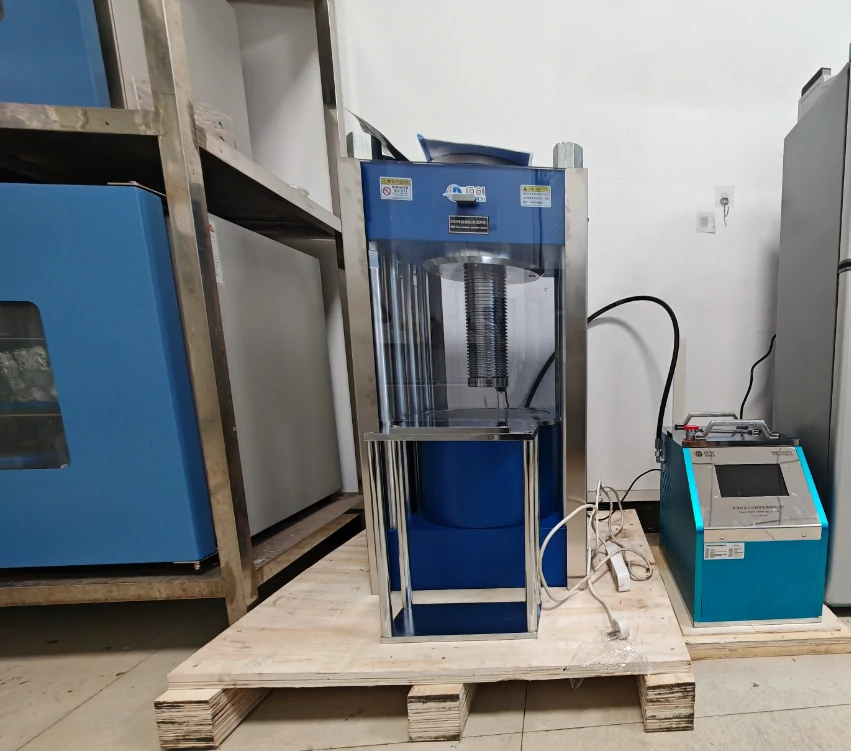
200-Ton Automatic Tablet Press Empowering Advanced Ceramic Research at NUS
marzo 4, 2026
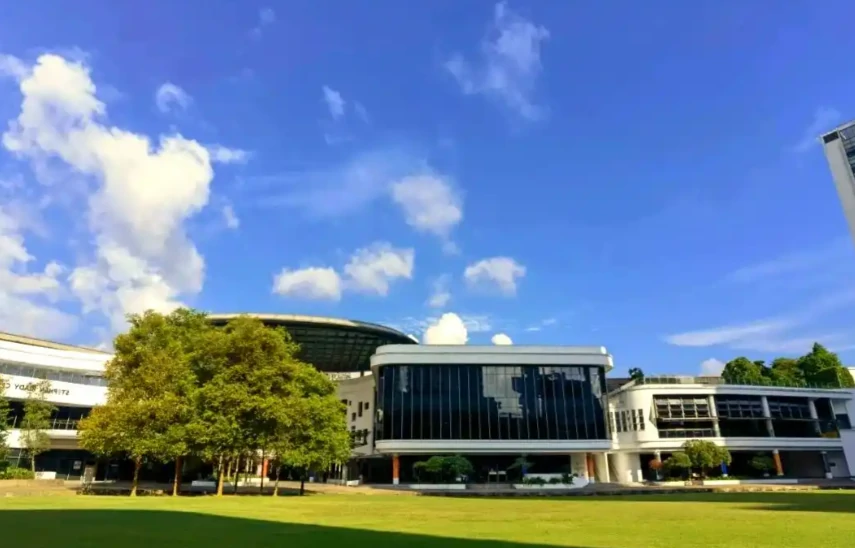
As a long-term strategic partner, National University of Singapore (NUS) has been deeply engaged in the research of ultra-high-temperature ceramic materials, particularly in cutting-edge areas such as oxide eutectic ceramics for aerospace applications. The university undertakes multiple national-level research projects and serves as an important practical training base for materials science and engineering students.
With the continuous advancement of high-hardness and ultra-high-temperature ceramic research, the limitations of existing pressing equipment became increasingly evident. The previous tablet press system suffered from:
- Insufficient tonnage capacity
- Low pressure regulation accuracy
- Uneven powder compaction
- High crack and pore defect rates
These issues directly affected ceramic density, structural integrity, and experimental reproducibility, creating bottlenecks in both scientific research and student training. To overcome these challenges, NUS required a high-precision, large-tonnage, intelligent tablet press system capable of supporting both advanced research and teaching applications.
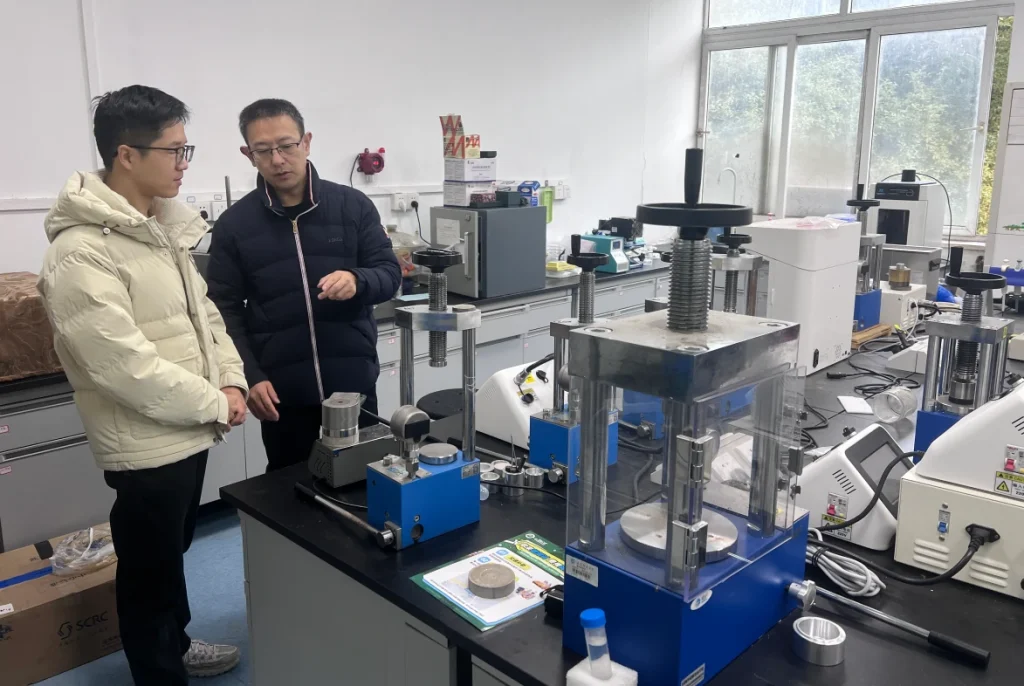
Technical Evaluation and Equipment Selection
After multiple rounds of technical evaluation and on-site testing, NUS selected our 200-ton automatic tablet press as the optimal solution.
Core Technical Advantages
1. Wide Pressure Range with High Precision
- Adjustable pressure from 1–200 tons
- Pressure error ≤ ±1%
- Fully meets precise molding requirements for advanced ceramic powders
2. Intelligent PLC Control System
- Split control design for stable operation
- Dual-language (Chinese/English) touchscreen interface
- Multi-stage programmable pressurization
- Automatic pressure compensation function
3. High Uniformity Bidirectional Pressurization
- Bidirectional pressing structure
- Pressure uniformity up to 98%
- Significantly reduces crack formation and internal defects
4. Enhanced Safety for Teaching Applications
- Multiple safety protection mechanisms
- Suitable for student training environments
- Stable and user-friendly operational design
This configuration not only addressed the university’s immediate research needs but also ensured safe and efficient teaching operations.
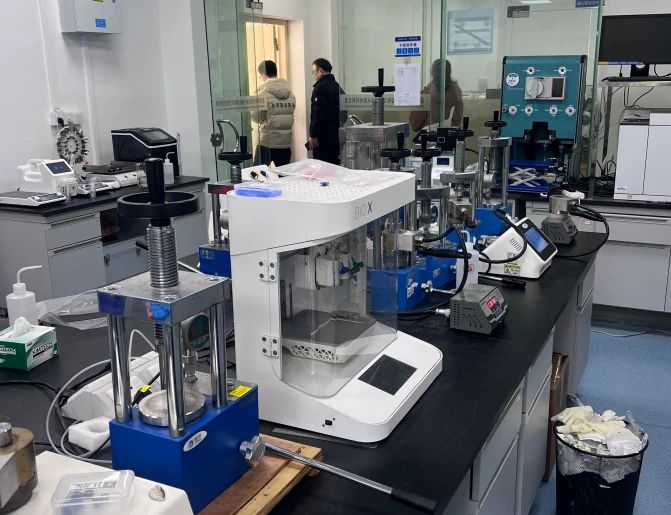
Customized Solutions for Advanced Ceramic Materials
To align with NUS’s specialized ceramic research direction, we provided a fully customized technical solution.
Mold Customization
- Square and round mold sets
- Heating molds for controlled temperature pressing
- Oxygen-free pressing capability
- Ultra-thin sheet forming support
These configurations are compatible with various advanced ceramic powders, including:
- Alumina-based ceramics
- Silicon nitride ceramics
- Oxide eutectic ceramics
The system enables precise control over green body density and microstructure, supporting the development of ultra-high-temperature ceramic materials for aerospace and extreme-environment applications.
Professional Installation and Technical Training
Our engineering team completed:
- Equipment installation and on-site commissioning
- Parameter optimization based on ceramic material properties
- Targeted training for faculty and laboratory technicians
- Standardized operating procedure optimization
The training program focused on:
- Pressurization curve design
- Powder filling control
- Crack prevention techniques
- Density consistency improvement
This ensured that both researchers and students could independently operate the equipment while maintaining high experimental repeatability.
Research and Teaching Achievements After Implementation
Research Breakthroughs
After commissioning, the 200-ton automatic tablet press significantly improved ceramic forming quality:
- Sample density increased to over 99%
- Crack rate dramatically reduced
- Improved microstructural uniformity
- Research cycle shortened by 30%
The equipment has supported multiple projects related to ultra-high-temperature oxide eutectic ceramics, with research findings published in leading materials science journals.
Teaching Enhancement
At the teaching level, the equipment established a modern ceramic forming training platform:
- Provides hands-on training for hundreds of materials engineering students annually
- Strengthens integration of theoretical knowledge and practical skills
- Enhances students’ understanding of ceramic powder compaction mechanisms
The system bridges academic research and engineering application, cultivating high-level technical talents in advanced ceramic materials.
Project Value and Long-Term Cooperation
This collaboration demonstrates the adaptability and reliability of our 200-ton automatic tablet press in university research and teaching environments. By precisely addressing the core challenges of ceramic powder molding, the project achieved:
- Improved research efficiency
- Enhanced teaching quality
- Reduced defect rates
- Accelerated material innovation
Through continuous technical support and comprehensive after-sales service, we remain committed to supporting NUS in achieving further breakthroughs in advanced ceramic materials research.
This successful cooperation represents not only equipment delivery, but also a shared innovation journey between academia and industry, creating sustainable value for both parties.