Actionable Buyer’s Guide: 7 Steps to Select the Right Hot Isostatic Pressing Services
November 13, 2025
Abstract
Hot isostatic pressing (HIP) represents a sophisticated materials engineering process that simultaneously applies high temperature and isostatic gas pressure to components, fundamentally improving their material properties. This process is instrumental in eliminating internal porosity and micro-voids within castings, consolidating encapsulated powders into fully dense materials, and enhancing the integrity of parts produced through additive manufacturing. By applying uniform pressure from all directions, the HIP process facilitates plastic deformation, diffusion bonding, and creep at a microscopic level, resulting in a refined microstructure, near-100% density, and significantly improved mechanical characteristics such as fatigue strength, ductility, and fracture toughness. This guide examines the core principles of hot isostatic pressing, elucidates its wide-ranging applications across critical sectors like aerospace, medical, and energy, and provides a structured framework for evaluating and selecting hot isostatic pressing services. The objective is to equip engineers, designers, and procurement specialists with the necessary knowledge to make informed decisions, ensuring component reliability and performance in demanding environments.
Key Takeaways
- Evaluate a provider’s certifications, such as AS9100 and ISO 13485, to ensure quality.
- Assess if the provider’s equipment size and temperature/pressure capabilities match your part.
- Inquire about pre- and post-processing services for a comprehensive, one-stop solution.
- Choose a partner offering metallurgical expertise to optimize your specific application.
- Understand the cost structure, balancing cycle fees against the value of superior part integrity.
- Selecting the right hot isostatic pressing services is a vital step for component reliability.
- Confirm the provider offers robust data logging for process validation and full traceability.
Table of Contents
- A Foundational Inquiry: The Pursuit of Material Perfection
- Step 1: Defining Your Material and Application Requirements
- Step 2: Understanding the Hot Isostatic Pressing Process in Depth
- Step 3: Evaluating a Provider's Technical Capabilities and Equipment
- Step 4: Scrutinizing Quality Systems and Certifications
- Step 5: Assessing Pre- and Post-Processing Services for a Holistic Solution
- Step 6: Analyzing Cost Structures and Logistical Timelines
- Step 7: Seeking a True Partnership Through Expertise and Collaborative Support
- Material Compatibility and Tooling Considerations
- Isostatic Pressing for Spectroscopic Sample Preparation (FTIR and XRF)
- Frequently Asked Questions
- The Culmination of the Selection Journey
- References
A Foundational Inquiry: The Pursuit of Material Perfection
Imagine for a moment a commercial airliner cruising at 35,000 feet. Its turbine blades, spinning at thousands of revolutions per minute, are subjected to extreme temperatures and colossal centrifugal forces. The failure of just one blade could have catastrophic consequences. Similarly, consider a custom-fit hip implant, a piece of medical engineering designed to restore mobility and last for decades within the human body. Its structural integrity is not a matter of convenience but of a person's quality of life. In both scenarios, the unseen enemy is the same: microscopic voids and imperfections hidden deep within the material, remnants of the manufacturing process. These tiny pockets of nothingness act as stress concentrators, the starting points for cracks that can grow under cyclic loading, leading to premature failure. The quest to eliminate these imperfections is a central challenge in modern materials science.
Manufacturing methods, for all their sophistication, often leave behind a legacy of porosity. Casting, the ancient art of pouring molten metal into a mold, can trap gases or experience shrinkage, creating internal voids. More recently, additive manufacturing, or 3D printing, builds components layer by layer, a process that can sometimes result in incomplete fusion between layers or trapped powder, creating similar microscopic flaws. These defects compromise the mechanical properties of the final part, reducing its strength, ductility, and fatigue life. They introduce an element of unpredictability, a variable that engineers in high-stakes fields cannot afford to tolerate. How, then, can we achieve a state of material perfection, or something remarkably close to it?
The answer lies in a process that seems both intuitive and technologically profound: hot isostatic pressing, commonly known as HIP. At its heart, the HIP process is an elegant solution to the problem of internal voids. It involves placing a component inside a high-pressure vessel, heating it to a specific, elevated temperature below its melting point, and simultaneously subjecting it to extremely high-pressure inert gas, typically argon. The combination of heat and pressure is key. The heat softens the material, making it malleable, while the isostatic—or uniformly directional—pressure collapses the internal voids. The atoms at the edges of these former voids then diffuse and bond together, permanently healing the material from the inside out. Think of it as a blacksmith's forge and a deep-sea submersible combined into one powerful tool, capable of reaching in and squeezing the very atoms of a material closer together.
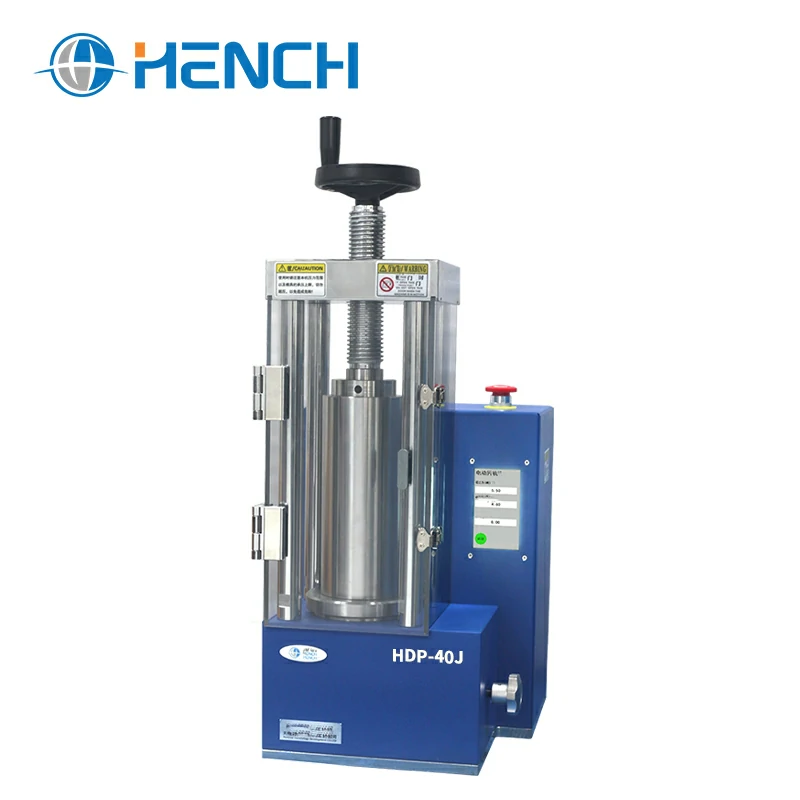
It is helpful to contrast this with other pressure-based technologies to appreciate its uniqueness. Many are familiar with understanding material forming equipment like hydraulic presses, which are cornerstones of manufacturing. A hydraulic press, operating on Pascal's principle, uses fluid to transmit and multiply force in a single direction, efficiently stamping, forging, or molding parts (Artizono, 2024). It is a master of applying immense unidirectional force. The magic of hot isostatic pressing, however, is in its name: isostatic. The pressure is not from one direction, but from all directions at once, like the hydrostatic pressure a submarine experiences deep in the ocean. This all-encompassing pressure ensures that voids are closed without distorting the component's external geometry. It is this fundamental difference that allows the HIP process to heal internal flaws that a conventional press could never reach. The journey to selecting the right hot isostatic pressing services, therefore, is a journey toward ensuring this profound transformation is executed with precision, reliability, and expertise.
Step 1: Defining Your Material and Application Requirements
The decision to employ hot isostatic pressing services is not a trivial one; it is an engineering choice rooted in a deep understanding of a component's purpose and the material from which it is made. Before one can even begin to evaluate potential service providers, a period of introspection is required. You must first become an expert on your own needs, articulating with precision the challenges you face and the outcomes you seek. This foundational step is about mapping the terrain of your specific problem, which will guide every subsequent decision in the selection process. It involves a three-pronged analysis: identifying the material, understanding its end-use application, and quantifying the desired improvements. Without this clarity, you risk choosing a service that is either insufficient for your needs or excessively complex and costly.
Identifying the Material: From Superalloys to Ceramics
The universe of engineering materials is vast, and hot isostatic pressing is not a universal panacea. Its effectiveness is intimately tied to the nature of the material being treated. The process is most potent on materials that possess sufficient ductility at elevated temperatures to allow for plastic flow and diffusion bonding. Consequently, the first task is to categorize your component’s material. Is it a nickel-based superalloy destined for a jet engine, prized for its high-temperature strength? Or perhaps a titanium alloy for a lightweight aerospace structural component or a biocompatible medical implant? Maybe it is an aluminum or steel casting for an automotive application where fatigue life is paramount.
Each material family has its own unique personality when subjected to the HIP process. Nickel and titanium alloys respond exceptionally well, achieving near-complete densification and significant improvements in fatigue properties. Aluminum alloys, with their lower melting points, require more carefully controlled temperature cycles to avoid incipient melting. Tool steels benefit from the elimination of porosity, which enhances their toughness and wear resistance. Beyond metals, the HIP process is also applied to industrial ceramics, where it can heal voids and improve strength, and even to certain high-performance polymers. Creating a clear profile of your material—its specific alloy designation, its initial condition (cast, 3D-printed, powder), and its known sensitivities—is the starting point for any meaningful conversation with a HIP provider.
| Material Category | Common Alloys/Types | Typical Applications | Key Benefits from HIP |
|---|---|---|---|
| Titanium Alloys | Ti-6Al-4V, Ti-6Al-2Sn-4Zr-2Mo | Aerospace components, medical implants, engine parts | Elimination of casting porosity, improved fatigue life, enhanced ductility |
| Nickel Superalloys | Inconel 718, René 80, Mar-M-247 | Gas turbine blades and vanes, industrial gas turbines | Healing of creep voids, increased stress-rupture life, improved weldability |
| Aluminum Alloys | A356, A201 | Automotive wheels, cylinder heads, aerospace castings | Increased density, improved mechanical properties, higher pressure tightness |
| Steels | Tool Steels (H13), Stainless Steels (17-4 PH) | Molds and dies, high-performance structural parts | Enhanced toughness and wear resistance, elimination of micro-porosity |
| Cobalt-Chrome Alloys | Co-Cr-Mo (ASTM F75) | Medical implants (knee, hip), dental prosthetics | Improved fatigue strength, removal of casting defects, enhanced polishability |
| Ceramics | Alumina, Zirconia, Silicon Nitride | Cutting tools, bearings, electronic substrates | Increased density and hardness, improved flexural strength |
Understanding the Application's Demands
With the material identified, the focus shifts to its purpose. What is the story of this component? What forces will it endure during its service life? The demands of the application dictate the "why" behind using hot isostatic pressing. A part designed for a static, low-stress environment has very different requirements from one subjected to millions of cycles of high stress. For example, an aerospace company might be concerned with low-cycle fatigue (LCF) and high-cycle fatigue (HCF) in a turbine disk. The primary driver for using the HIP process here is to eliminate the microscopic initiation sites for fatigue cracks, thereby extending the component's life and ensuring flight safety.
In the medical field, the focus might be twofold. For an orthopedic implant, fatigue strength is certainly a concern, but so is biocompatibility and the quality of the surface finish. Porosity in a cast cobalt-chrome femoral stem can compromise its strength and, if any pores are open to the surface, can create sites for bacterial colonization or adverse tissue reactions. By healing these internal and subsurface voids, hot isostatic pressing not only strengthens the implant but also contributes to a better, more reliable polished surface. For an automotive part like a cast aluminum engine block, the concern might be pressure tightness. HIP can seal the microscopic interconnected porosity that could otherwise lead to fluid leaks under pressure. By clearly articulating the primary failure modes you are trying to prevent—fatigue, creep, fracture, leakage—you can better communicate your objectives to a potential hot isostatic pressing services provider.
Quantifying Desired Outcomes: Density, Microstructure, and Mechanical Properties
The final piece of this initial self-assessment is to move from qualitative goals to quantitative targets. It is not enough to say you want a "better" part; you must define what "better" means in measurable terms. The most common metric associated with the HIP process is density. The goal is often to achieve a density that is greater than 99.9% of the theoretical maximum for that material, effectively eliminating all voids. This is a clear, measurable target that can be verified through techniques like Archimedes' method or microstructural analysis.
Beyond density, consider the microstructure. Does your application require a specific grain size? While the primary role of hot isostatic pressing is densification, the thermal aspect of the cycle is, in effect, a heat treatment. It can be used to homogenize the microstructure, dissolve undesirable phases, or, in conjunction with advanced rapid cooling technologies, even refine the grain structure. You should specify the desired post-HIP microstructural state.
Finally, translate these microstructural goals into mechanical properties. What is your target for ultimate tensile strength (UTS), yield strength, elongation (a measure of ductility), or fatigue strength? If you are replacing a forged component with a more complex, near-net-shape casting that will be HIPed, your goal might be to achieve mechanical properties equivalent to the forged version. Having specific, quantifiable targets for mechanical properties allows you to establish a clear acceptance criteria for the project. This rigorous definition of requirements transforms the selection process from a vague search for a vendor into a precise quest for a partner capable of meeting your documented engineering specifications.
Step 2: Understanding the Hot Isostatic Pressing Process in Depth
To choose a practitioner wisely, one must first understand the craft. Engaging with hot isostatic pressing services without a grasp of the fundamental process is akin to commissioning a symphony without knowing the difference between a violin and a cello. A deeper appreciation for the mechanics, parameters, and stages of the HIP process empowers you to ask more intelligent questions, evaluate a provider's capabilities more critically, and collaborate more effectively in developing an optimal processing cycle for your components. This is not about becoming a HIP unit operator overnight; it is about developing a functional literacy in the language of densification, allowing for a more meaningful dialogue with the experts you seek to hire. The process, while technologically complex in its execution, can be understood by examining its core components and the orchestrated dance of temperature, pressure, and time.
The Anatomy of a HIP Unit
At its core, a hot isostatic press is a remarkable piece of engineering, designed to safely contain immense energy. Visualizing it as a highly advanced, industrial-scale pressure cooker is a useful starting point. The central component is the pressure vessel, a robust, thick-walled cylindrical container typically forged from high-strength steel and often wound with pre-stressed steel wire to ensure its integrity under immense pressure. This is the containment structure that holds the entire system together. Inside the pressure vessel sits the furnace. This is the heart of the thermal system, responsible for heating the components to the required temperature. Modern HIP furnaces use resistive heating elements, often made of graphite or molybdenum, capable of reaching temperatures exceeding 2,000°C. A crucial element of the furnace design is the insulation package that surrounds it, which thermally isolates the extreme heat of the "hot zone" from the walls of the pressure vessel, protecting the vessel from thermal degradation.
The "isostatic" part of the name comes from the gas handling system. This system is responsible for pumping an inert gas—most commonly Argon due to its inertness and cost-effectiveness—into the pressure vessel to generate the uniform pressure. Compressors and intensifiers raise the gas pressure to levels that can range from 1,500 psi (about 10 MPa) to over 45,000 psi (310 MPa), depending on the application. Finally, the entire operation is orchestrated by a sophisticated control system. This is the brain of the HIP unit, meticulously monitoring and adjusting temperature and pressure according to a pre-programmed cycle, logging data every step of the way to ensure the process runs exactly as specified.
The Three Pillars of HIP: Temperature, Pressure, and Time
The success of any hot isostatic pressing cycle rests on the precise manipulation of three interdependent variables: temperature, pressure, and time. Imagine these as three levers that a metallurgical engineer must pull in perfect coordination.
Temperature is the enabler. By heating a material, you lower its yield strength and increase the rate of atomic diffusion. You are essentially making the material "soft" enough for the pressure to work its magic and for atoms to move around and fill the voids. The target temperature is carefully chosen—high enough to allow for plastic deformation and creep, but safely below the material's solidus temperature (the point at which it begins to melt). Getting too close to the melting point risks thermal damage to the component.
Pressure is the driver. It is the force that provides the mechanical push to collapse the internal voids. The isostatic nature of the gas pressure ensures that this force is applied equally on all surfaces, both external and internal (for voids not connected to the surface). Higher pressure is more effective at closing stubborn pores and can sometimes allow for a lower processing temperature.
Time is the facilitator. The processes of creep and diffusion bonding are not instantaneous. The components must be held at the target temperature and pressure for a specific duration, known as the "hold time" or "soak time." This gives the material's microstructure sufficient time to close the pores completely and for the atomic bonds to form across the former void interfaces, effectively making the weld seamless and permanent. The required time can range from one to several hours, depending on the material, the size of the voids, and the component's thickness. The interplay is delicate; a higher temperature might reduce the required hold time, but could also lead to undesirable grain growth. Optimizing these three pillars is the core of HIP cycle development.
The HIP Cycle Explained Step-by-Step
A typical HIP cycle is a carefully choreographed sequence of events, designed for safety, efficiency, and metallurgical effectiveness.
- Loading: Components are carefully cleaned and then loaded into the furnace's "work zone," often in baskets or on custom fixtures to maximize the use of the available space.
- Evacuation: The pressure vessel is sealed, and a vacuum is pulled to remove the air. This is a critical step because the presence of oxygen or other reactive gases at high temperatures could lead to oxidation and damage of the parts.
- Pressurization and Heating: The vessel is backfilled with high-purity inert gas (usually Argon) and the pressure is increased. Simultaneously, the furnace begins to heat up. In modern HIP units, pressure and temperature are typically raised together in a controlled ramp. This synchronized approach, governed by the laws of thermodynamics (specifically, the ideal gas law), is more efficient than heating or pressurizing in isolation.
- Holding (Soaking): Once the target temperature and pressure are reached, they are held constant for the specified hold time. During this phase, the real work of densification occurs. The material creeps, voids collapse, and diffusion bonding takes place.
- Cooling and Depressurization: After the hold time is complete, the furnace is turned off and the cooling process begins. The cooling rate can be controlled, and as we will see, some advanced HIP units offer very rapid cooling options. As the gas inside the vessel cools, its pressure naturally drops. The remaining pressure is then safely vented, and the vessel is returned to ambient atmospheric pressure.
- Unloading: Once the vessel is depressurized and the payload has cooled to a safe temperature, the vessel is opened, and the densified components are unloaded.
Understanding this sequence provides a framework for discussing cycle specifics with a provider. You can inquire about their vacuum levels, their control over heating and cooling rates, and how they ensure the stability of the hold parameters, all of which are indicators of a high-quality hot isostatic pressing operation.
Gas Matters: The Role of Argon and Other Inert Gases
The choice of gas used to create the pressure is not arbitrary. It must be chemically inert, meaning it will not react with the metal components even at very high temperatures. Imagine using air; the oxygen in the air would aggressively oxidize and ruin most metals at typical HIP temperatures. This is why noble gases are the standard choice.
Argon is the workhorse of the HIP industry. It is the third-most abundant gas in Earth's atmosphere, making it relatively inexpensive and readily available in the high purities required. It is chemically inert under all known conditions and has a good density, making it efficient for pressurization. For the vast majority of materials and applications, from titanium to steel to superalloys, argon is the ideal medium.
In some very specific, high-temperature applications, particularly involving certain ceramics or refractory metals that might have a slight reactivity with argon at extreme temperatures, other gases might be considered. Nitrogen can be used for certain nitrogen-containing steels or materials where forming nitrides is acceptable or even desirable. Helium, with its smaller atomic size and higher thermal conductivity, can offer faster cooling rates but is significantly more expensive and more difficult to contain due to its propensity to escape through the smallest of seals. For nearly all commercial hot isostatic pressing services you will encounter, however, argon is the undisputed standard, providing the perfect invisible, inert blanket of pressure to heal your components.
Step 3: Evaluating a Provider's Technical Capabilities and Equipment
Once you have a firm grasp of your own requirements and a solid understanding of the HIP process itself, the next logical step is to turn a critical eye toward the potential providers and their machinery. Not all hot isostatic pressing services are created equal. The quality, size, and sophistication of their equipment directly determine the range of components they can process, the precision they can achieve, and the advanced properties they can impart. Evaluating a provider's technical capabilities is like inspecting a surgeon's instruments; you want to ensure they have the right tools for your specific operation and the skill to wield them effectively. This evaluation goes beyond simply confirming they have a HIP unit; it involves a detailed look at its capacity, operational limits, control systems, and any advanced features that could offer a competitive advantage.
Vessel Size and Capacity: Does it Fit Your Part?
The most basic, yet most critical, question is one of physical dimensions. Can your component fit inside the provider's HIP unit? Every HIP vessel has a defined internal "work zone"—a cylindrical volume of a specific diameter and height where the temperature and pressure are uniform and precisely controlled. You must ensure that your part or batch of parts, when loaded into a fixture or basket, fits comfortably within this zone. A provider's website or technical data sheet will typically list the dimensions of their work zones.
This is a conversation about both size and quantity. If you have a single, large component, like a manifold for the energy sector or a large structural casting for aerospace, you need a provider with a large-diameter vessel. Conversely, if you have thousands of small parts, like medical implants or 3D-printed dental crowns, the goal is to find a provider whose vessel size allows for efficient batching. Packing more parts into a single cycle generally reduces the per-part cost. An experienced provider can offer guidance on optimal loading configurations to maximize throughput and minimize cost, but the fundamental constraint is always the physical size of their equipment. It is prudent to inquire about their range of vessel sizes, as a provider with multiple units of varying dimensions can offer more flexibility for both prototype and production volumes.
Pressure and Temperature Ranges: Beyond Standard Parameters
While many common alloys like aluminum and some steels can be processed at moderate pressures and temperatures (e.g., 15,000 psi and 900°C), the world of advanced materials often demands more extreme conditions. Nickel-based superalloys, refractory metals, and many technical ceramics require significantly higher temperatures (upwards of 1,400°C) and sometimes higher pressures to achieve full densification and the desired microstructural changes.
Therefore, you must ask: What are the maximum operating temperature and pressure of the provider's equipment? Does their capability align with the needs of your specific material? A provider limited to lower temperatures and pressures will be unable to process high-performance materials effectively. Furthermore, for some powder metallurgy applications, especially when consolidating dissimilar materials or creating metal matrix composites (MMCs), very high pressures (30,000 psi or more) may be necessary to achieve a robust bond. Having access to a provider with high-pressure capabilities opens up a wider design and material selection window. A provider's investment in equipment capable of exceeding "standard" parameters is often a strong indicator of their commitment to serving the high-performance end of the market.
| Feature | Standard HIP | Advanced HIP with URC/URQ | Implications for Component Quality |
|---|---|---|---|
| Cooling Method | Slow, controlled cooling within the insulated furnace. | Rapid, forced convection cooling using a heat exchanger and gas circulation fan. | URC/URQ allows for quenching, which can lock in desirable microstructures and improve strength. |
| Cooling Rate | Typically < 100°C/min. | Can exceed 3,000°C/min, depending on gas and pressure. | Faster cooling prevents the formation of brittle phases in some alloys and refines grain structure. |
| Process Steps | HIP densification only. Heat treatment is a separate process. | Combines densification and solution heat treatment into a single cycle. | Reduces total processing time, lowers cost, minimizes part handling, and reduces thermal cycles. |
| Microstructure | Results in an annealed, softer microstructure due to slow cooling. | Can create a fine-grained, solutionized microstructure ready for aging. | Leads to superior mechanical properties (higher strength, better fatigue life) compared to standard HIP. |
| Best Suited For | Basic densification of castings where subsequent heat treatment is planned. | High-performance alloys (superalloys, titanium), additive manufacturing parts. | Offers a significant competitive advantage for demanding applications in aerospace, medical, and energy. |
Advanced Control Systems and Data Logging
The magic of the HIP process lies in its precision. A successful cycle is not a matter of chance; it is the result of a meticulously executed recipe. Modern hot isostatic pressing is a data-driven process. The provider's ability to precisely control and, just as importantly, record the process parameters is a hallmark of a quality operation. Their control systems should be able to execute complex cycles with multiple temperature and pressure ramps and holds, all with tight tolerances.
Ask a potential provider about their data logging capabilities. Do they generate a complete digital record of the temperature, pressure, and time for every cycle? This record is the birth certificate of the processed component. For regulated industries like aerospace and medical, this traceability is not just a nice-to-have; it is a mandatory requirement. Certifying bodies like the FAA and FDA require auditable proof that a part was processed exactly according to a validated specification. A detailed data log provides this proof. It shows that the temperature never exceeded the safe limit, the pressure was held constant, and the hold time was met. A provider who cannot supply a comprehensive data pack for your cycle is a significant red flag.
Quenching Capabilities: Uniform Rapid Cooling (URC/URQ)
Perhaps one of the most significant advancements in hot isostatic pressing technology in recent years is the integration of rapid cooling capabilities. Traditionally, after the hold time, the components would cool slowly inside the insulated furnace, resulting in a soft, annealed microstructure that almost always required subsequent heat treatment to achieve the desired final properties. This meant multiple processes, increased handling, longer lead times, and higher costs.
Modern, advanced HIP units can be equipped with Uniform Rapid Cooling (URC) or Uniform Rapid Quenching (URQ) systems. These systems incorporate a heat exchanger and a powerful fan within the pressure vessel. At the end of the hold cycle, the hot argon gas is circulated at high speed through the heat exchanger, which rapidly removes heat from the gas and, in turn, from the components. This process can achieve cooling rates comparable to gas quenching in a vacuum furnace. The "Uniform" aspect is key; because the high-pressure gas envelops the parts, the cooling is far more uniform than in traditional oil or water quenching, dramatically reducing the risk of thermal distortion and residual stress.
The primary benefit of URC/URQ is process consolidation. It allows the HIP cycle to double as a solution heat treatment cycle. The component is densified and solutionized in a single, efficient step. This not only saves time and money but can also lead to superior metallurgical properties, such as a finer grain structure, that are difficult to achieve with separate processing steps. When evaluating providers, inquiring about their rapid cooling capabilities is essential. A provider with URC/URQ technology can offer a more advanced, efficient, and often metallurgically superior solution for many high-performance alloys. It is a powerful tool in the modern materials engineer's toolkit.
Step 4: Scrutinizing Quality Systems and Certifications
In the world of high-performance components, trust is not given; it is earned and verified. When you send your critical parts to a hot isostatic pressing services provider, you are placing immense trust in their processes, their people, and their commitment to quality. A beautifully densified part is worthless if its processing cannot be proven to meet stringent industry standards. This is where quality systems and third-party certifications move from the realm of paperwork to the very foundation of reliability. Scrutinizing a provider's quality credentials is not about checking boxes; it is about seeking objective evidence that they have built a culture of precision, repeatability, and accountability into every fiber of their operations. For industries where failure is not an option, these certifications are the universal language of quality assurance.
The Non-Negotiables: ISO 9001, AS9100, and Nadcap
At the base of the quality pyramid lies ISO 9001. This is the international standard for a quality management system (QMS). An ISO 9001 certification indicates that a provider has established and maintains a systematic approach to quality, including processes for document control, corrective actions, internal audits, and continuous improvement. While it is a fundamental requirement, for many industries, it is merely the starting point.
For any component destined for the aerospace, space, or defense industries, AS9100 is the essential benchmark. AS9100 incorporates all the elements of ISO 9001 but adds a host of more rigorous requirements specific to the aerospace industry. These include a greater emphasis on risk management, configuration management, supply chain control, and the prevention of counterfeit parts. If a provider's marketing materials mention aerospace, but they lack an AS9100 certification, it should trigger immediate and serious questions about their suitability for your project.
The highest echelon of aerospace process approval is Nadcap (National Aerospace and Defense Contractors Accreditation Program). Nadcap is not a system certification like ISO 9001 or AS9100; it is a highly specific, technical accreditation for special processes, including heat treating and, by extension, hot isostatic pressing. Achieving Nadcap accreditation is an arduous process involving deep technical audits conducted by industry experts. It signifies that a provider's HIP process has been rigorously vetted against the consensus standards of the world's leading aerospace prime contractors (like Boeing, Airbus, and GE Aviation). For fracture-critical or flight-safety components, Nadcap accreditation for heat treating is often non-negotiable. When you see a Nadcap certificate, you can be confident that the provider's equipment, procedures, and personnel have met the most demanding standards in the industry.
Medical Device Compliance: ISO 13485
Just as AS9100 and Nadcap are the gold standards for aerospace, ISO 13485 is the critical quality system standard for the medical device industry. This standard is designed to ensure that medical device manufacturers and their suppliers (including process providers like HIP services) meet the stringent regulatory requirements for safety and efficacy. ISO 13485 builds upon ISO 9001 with specific requirements related to risk management throughout the product lifecycle, process validation, traceability, and documentation necessary for regulatory submissions to bodies like the U.S. Food and Drug Administration (FDA).
If your component is a medical implant, a surgical instrument, or any other part of a medical device, your HIP provider must hold an ISO 13485 certification. This ensures they operate under a QMS that understands the unique demands of the medical field. It means they have robust procedures for process validation (IQ/OQ/PQ – Installation, Operational, and Performance Qualification), ensuring that the HIP cycle consistently produces the desired outcome. It also guarantees a level of documentation and traceability that will stand up to the scrutiny of a regulatory audit. Choosing a non-certified provider for a medical application introduces an unacceptable level of regulatory and patient risk.
Process Validation and Traceability
Underpinning all these certifications is the concept of a validated and traceable process. A quality-focused hot isostatic pressing services provider does not simply "HIP a part." They execute a validated procedure and document every step. What does this look like in practice?
It begins with a validated cycle. For a new part, this may involve development work and qualification runs to prove that a specific recipe of temperature, pressure, and time consistently yields the required density, microstructure, and mechanical properties. Once a cycle is validated, it is locked down under strict document control.
During production, traceability is paramount. Each batch of parts is assigned a unique lot or job number. This number follows the parts through the entire process. The HIP unit's data logger, as discussed earlier, records the actual time-temperature-pressure profile of the cycle, and this data log is permanently linked to the job number. Pre-HIP and post-HIP inspection results are also tied to this number. The result is a complete, unbroken chain of evidence from the moment your parts arrive at their facility to the moment they are shipped back to you.
This traceability is your insurance policy. If a question ever arises about a component, even years after it has been put into service, you can go back to the provider and retrieve the exact processing history for that specific part. A provider who emphasizes their robust traceability system is one who understands the long-term responsibilities of processing critical hardware. When you evaluate a provider, ask to see their quality manual. Ask them to walk you through their process flow for a typical job. Their ability to clearly and confidently explain their quality and traceability procedures is a powerful indicator of their professionalism and reliability.
Step 5: Assessing Pre- and Post-Processing Services for a Holistic Solution
The act of hot isostatic pressing, as technologically impressive as it is, does not happen in a vacuum. It is a single, albeit powerful, step in a longer manufacturing journey. A truly valuable hot isostatic pressing services provider understands this context. They recognize that their role is not merely to operate a pressure vessel but to serve as a critical link in a complex production chain. The best providers, therefore, distinguish themselves by offering a suite of services that bookend the core HIP cycle. Assessing these ancillary capabilities—the pre-processing preparations and the post-processing analyses and finishing—is crucial. Choosing a provider who can manage more of this production chain offers significant advantages in terms of quality control, logistical simplicity, reduced lead times, and overall cost. It is the difference between hiring a single-task specialist and engaging a holistic problem-solving partner.
Beyond the Press: The Importance of Ancillary Services
Imagine the logistical complexity of manufacturing a high-value component. It might be cast at one facility, shipped to another for hot isostatic pressing, then to a third for heat treatment, a fourth for non-destructive testing, and a fifth for final machining. Each step involves packing, shipping, receiving, inspection, and administrative overhead. Each handoff introduces a potential point of failure, delay, or damage. A provider who offers a vertically integrated suite of services can collapse much of this logistical chain. By offering pre-HIP preparation, post-HIP testing, and finishing services under one roof and one quality system, they provide a streamlined, single-source solution. This "one-stop-shop" approach not only simplifies procurement and project management but also ensures a cohesive quality strategy, as the part remains under the control of a single, accountable entity for more of its production life.
Pre-HIP Preparation: Cleaning, Encapsulation, and Tooling
The success of the HIP process begins before the component ever enters the vessel. The surfaces of the parts must be impeccably clean. Any residual oils, greases, or other contaminants from prior manufacturing steps can vaporize at high temperatures and interfere with the inert gas atmosphere, potentially contaminating the entire batch. A quality provider will have robust, documented cleaning procedures, often involving multi-stage aqueous or solvent-based cleaning systems, to ensure every part is pristine before processing.
For certain applications, more complex preparation is needed. If a casting has porosity that is open to the surface, the HIP process will not work, as the pressurizing gas will simply enter the void, equalizing the pressure and preventing it from collapsing. In such cases, the part must be encapsulated. This involves sealing the component within a leak-tight metal container, typically made of a ductile, disposable material like mild steel. After sealing (usually by welding), the encapsulated part is HIPed. The pressure acts on the container, which then transmits the force to the part, collapsing both internal and surface-connected porosity. This technique is also the foundation of powder metallurgy HIP, where metal powders are sealed in a shaped can and then HIPed to create a fully dense, near-net-shape part. A provider's experience and capability in designing and fabricating this encapsulation tooling is a specialized skill that is vital for these applications.
Post-HIP Analysis and Testing
How do you know the process was successful? A complete data log of the cycle is part of the answer, but direct inspection and testing of the components provide the definitive proof. A comprehensive HIP service provider should have an on-site or closely partnered metallurgical laboratory capable of performing the necessary post-HIP validation.
Metallography is a primary tool. This involves cutting a representative sample (often a sacrificial part or a test coupon processed with the batch), mounting it, polishing it to a mirror finish, and examining it under a high-power microscope. This visual inspection can confirm the elimination of porosity, assess the grain structure, and check for any undesirable microstructural phases.
Mechanical testing provides quantitative data on the part's performance. This can include tensile testing to measure strength and ductility, hardness testing, and, for critical applications, fatigue testing to determine how the part will behave under cyclic loading. The ability to perform this testing in-house allows a provider to quickly verify that the HIP cycle achieved the target mechanical properties.
Non-destructive testing (NDT) is used to inspect the actual finished components without damaging them. Techniques like fluorescent penetrant inspection (FPI) can be used to check for surface-breaking cracks that may have formed during cooling, while advanced methods like digital radiography (X-ray) or ultrasonic testing can be used to provide a final confirmation that all internal voids have been healed. A provider who offers a full suite of NDT services can deliver a fully inspected and certified component.
Finishing Services: Machining, Surface Treatment, and Heat Treatment
The journey of a component often continues even after it leaves the HIP vessel. As mentioned, parts that are HIPed without rapid cooling typically have a soft, annealed structure and require subsequent heat treatment (like aging for precipitation-strengthened alloys) to develop their final strength. A provider that also operates certified heat treatment furnaces can perform this step immediately after HIP, saving a logistical step.
Furthermore, many HIPed components, especially near-net-shape castings or powder metallurgy parts, require some amount of final machining to achieve their precise final dimensions and surface finish. While some HIP providers focus solely on the thermal processing, those who also offer in-house CNC machining capabilities provide a significant advantage. This integration ensures that the team machining the part understands its post-HIP condition and can handle it appropriately. Other finishing services might include chemical milling, shot peening to impart compressive surface stress, or applying specialized coatings. When you evaluate a provider, look at their entire service catalog. The breadth and depth of their post-processing capabilities are a strong indicator of their role as a true manufacturing partner rather than a simple toll processor.
Step 6: Analyzing Cost Structures and Logistical Timelines
After confirming a provider's technical prowess and quality credentials, the practical considerations of cost and time come to the forefront. These are not merely commercial details; they are deeply intertwined with the overall value proposition and the efficiency of your supply chain. A low price is meaningless if it comes with the risk of a failed component, and a fast turnaround is of little use if the quality is suspect. A sophisticated analysis of cost and time involves looking beyond the surface-level quote to understand the underlying cost drivers, the potential financial risks of poor quality, and the real-world impact of logistical efficiency on your project's timeline. It requires a shift in perspective from viewing hot isostatic pressing as a simple commodity purchase to seeing it as a strategic investment in reliability.
Deconstructing the Price: Cycle Costs vs. Per-Part Costs
The pricing for hot isostatic pressing services can seem opaque at first, but it is generally based on a few key factors. The primary cost is the cycle cost. Running a HIP unit is an energy-intensive process that consumes electricity, argon gas, and the finite life of expensive furnace components. Therefore, each time a provider runs their vessel, they incur a significant fixed cost, regardless of what is inside. This cycle cost is influenced by the parameters of the cycle itself—higher temperatures, higher pressures, and longer hold times result in a more expensive cycle.
Your pricing will be derived from this cycle cost. If you have enough parts to fill an entire HIP vessel, you will typically be charged the full cost for that specific cycle. This is the most cost-effective scenario. If you have only a few parts, a provider will likely try to aggregate your job with other customers' parts that require a similar cycle. In this case, you will be charged a portion of the total cycle cost, often calculated based on the volume or weight of your components. This is where a provider with a high volume of business and multiple vessel sizes has an advantage; they have more opportunities to build efficient, consolidated loads, which can translate to more competitive pricing for smaller jobs.
When you receive a quote, it is wise to ask for a breakdown. Is the price per piece, per kilogram, or for a dedicated cycle? Understanding this helps you compare quotes from different providers on an "apples-to-apples" basis. Some providers may also have premium charges for advanced cycles, such as those involving uniform rapid quenching (URQ), which reflect the higher capability and value of the equipment. While it may seem like just another piece of advanced pressing technologies, the value it adds in terms of process consolidation and property enhancement often justifies the additional cost.
The Hidden Costs of Poor Quality
A purely transactional approach focused on finding the lowest per-part price can be a perilous strategy. The initial cost of the HIP process is often a small fraction of the total value of the component, especially for complex castings or additively manufactured parts made from expensive alloys. The real financial risk lies not in the HIP invoice, but in the potential consequences of a poorly executed process.
Consider the downstream costs of a failed or improperly processed part. If a component fails during final inspection or mechanical testing, you have lost not only the cost of the HIP cycle but also the entire cost of the raw material and all prior manufacturing steps. If a part fails in service, the costs can be astronomical, encompassing warranty claims, product recalls, potential litigation, and irreparable damage to your company's reputation.
Viewed through this lens, the price premium for a highly certified, technically advanced hot isostatic pressing services provider is not a cost, but an insurance policy. Paying a bit more for a Nadcap-accredited provider with state-of-the-art equipment and robust process controls is a strategic decision to mitigate a much larger financial risk. The peace of mind that comes from knowing your critical components were processed to the highest possible standard has a tangible economic value that far outweighs a small difference in the initial quote.
Evaluating Turnaround Time and Logistical Efficiency
In today's fast-paced manufacturing environment, time is money. The total time your parts spend at the HIP facility—the "turnaround time" or "door-to-door" time—can have a significant impact on your production schedule. This is influenced by several factors.
First is the provider's capacity and scheduling flexibility. A busy provider with a backlog of work may have longer lead times. Inquire about their typical lead time for standard cycles. Second is the efficiency of their internal workflow, from receiving and inspection to loading, processing, and final shipment. A well-organized facility can move parts through the process much faster.
Third, and perhaps most importantly, is the provider's ability to offer consolidated services, as discussed in the previous step. If a provider can perform HIP, heat treatment, and NDT all in-house, they eliminate the days or even weeks of transit time required to ship the parts between different suppliers. A cycle that combines HIP with rapid quenching (URQ) to achieve solution heat treatment is the ultimate expression of this efficiency, collapsing two lengthy processes into one. When evaluating providers, ask them to map out the entire proposed timeline, including all processing and testing steps. A provider who can offer a clear, confident, and condensed timeline demonstrates a mastery of their logistics and can be a powerful partner in accelerating your time to market.
Step 7: Seeking a True Partnership Through Expertise and Collaborative Support
The culmination of the selection process transcends the evaluation of machines and certificates; it arrives at the assessment of people. The most advanced equipment is only as effective as the minds that operate it and the experts who interpret its results. When you choose a hot isostatic pressing services provider, you are not merely outsourcing a task; you are entering into a technical relationship. The ideal provider acts as a true partner—an extension of your own engineering team. They bring to the table not just pressure and heat, but deep metallurgical knowledge, a collaborative spirit, and a proven track record of solving complex material challenges. This final step is about looking for the human element, the expertise and support that transform a transactional service into a strategic alliance.
The Human Element: Access to Metallurgists and Engineers
A key differentiator for a top-tier provider is the accessibility of their technical staff. When you have a question about why a particular cycle was recommended, or when you are facing a new material challenge, can you pick up the phone and speak directly with a qualified metallurgist or materials engineer? A sales representative can provide a quote, but an engineer can provide a solution.
An expert on staff can help you navigate the intricate trade-offs of the HIP process. They can review your component's design, material, and application and recommend an optimal processing cycle. They might suggest a modification to the temperature to enhance a specific property, or propose a rapid quench cycle to improve strength while saving a downstream heat treatment step. This collaborative approach is invaluable, especially when you are working with novel alloys, complex additive manufacturing designs, or pushing the performance envelope of a material. A provider who positions their engineering team as a resource for their customers is one who is invested in your success, not just in processing your purchase order. During your evaluation, ask if you can have a technical consultation with one of their staff metallurgists. Their willingness and ability to engage in a deep, substantive conversation about your application is a powerful sign of their expertise.
Collaborative R&D and Prototyping
The frontiers of materials science are constantly expanding. New alloys are being developed, and additive manufacturing is unlocking geometric possibilities that were previously unthinkable. In this dynamic landscape, you may not always have a standard, off-the-shelf processing recipe for your component. You may need to develop a new HIP cycle from scratch. This is where a provider's willingness to engage in collaborative research and development becomes a significant asset.
Does the provider offer to work with you on development projects? Are they willing to run trial cycles on test coupons, followed by detailed metallurgical analysis, to help you zero in on the perfect process parameters? A partner-oriented provider will see this as an opportunity to build a long-term relationship and develop expertise in a new area. They may offer favorable pricing for R&D lots or dedicate engineering time to support your development program. This collaborative spirit is particularly vital for companies operating at the cutting edge of their fields, whether in aerospace, medical technology, or energy. The ability to prototype and iterate on the HIP process with an expert partner can dramatically accelerate innovation and shorten the time it takes to bring a new, high-performance product to market.
Case Studies and Customer References
Finally, the proof of a provider's capability lies in their past performance. While non-disclosure agreements often limit the specific details they can share, a reputable provider should be able to furnish you with case studies or general application examples that demonstrate their experience with materials and challenges similar to yours. These narratives can provide powerful insights into their problem-solving approach and the results they have achieved for other clients.
For example, they might present a case study on how they helped an aerospace client improve the fatigue life of a 3D-printed titanium bracket by developing a custom HIP and rapid quench cycle. Or they might describe how they eliminated leakage in a complex aluminum casting for an automotive company. These stories bring their capabilities to life.
Beyond curated case studies, do not hesitate to ask for customer references. Speaking with a current client, particularly one in a similar industry, can provide an unfiltered perspective on the provider's communication, reliability, quality, and overall performance. A confident provider with a history of satisfying their customers will be happy to connect you with someone who can vouch for their work. This final step of due diligence, grounded in the experiences of others, can provide the ultimate confirmation that you have found not just a vendor, but a trusted and capable partner for your most critical components.
Material Compatibility and Tooling Considerations
The theoretical elegance of isostatic pressing must, in practice, contend with the messy reality of materials. The interaction between your powdered substance, the tooling that contains it, and the pressure medium that surrounds it is a critical area of concern. A successful outcome depends not just on the right P-T-t (Pressure-Temperature-time) recipe, but on a harmonious interplay of materials. An oversight in this domain can lead to contamination, failed parts, and wasted resources. A thoughtful engagement with a potential service provider must therefore include a deep dive into their expertise on material compatibility and tooling design.
Matching Materials to the Pressing Method
The universe of materials that can be processed via isostatic pressing is vast, but not infinite. Each material brings its own unique personality—its hardness, reactivity, melting point, and particle morphology—which dictates how it must be handled.
For Cold Isostatic Pressing (CIP), the primary concern is the interaction between the powder and the flexible mold, and between the mold and the pressure fluid (usually water). The mold material, typically a polyurethane or rubber, must be chemically compatible with the powder. An aggressive powder could degrade the mold, while conversely, elements from the mold could leach into the powder, contaminating it. This is particularly important for high-purity applications like ceramics for electronic substrates or powders for medical devices. Furthermore, the mold must be impermeable to the pressurizing fluid to prevent it from infiltrating the powder, which would ruin the compact.
For Hot Isostatic Pressing (HIP), the challenges are magnified by the presence of extreme heat. The primary concern is the chemical reaction between the component and the pressurizing gas, which is almost always argon. While argon is inert, at temperatures exceeding 1200°C, even trace impurities in the gas (like oxygen or nitrogen) can react with sensitive materials like titanium alloys or certain superalloys, forming brittle surface layers called "alpha case." A top-tier isostatic pressing services provider will use ultra-high purity argon and have rigorous gas quality monitoring systems in place.
Furthermore, materials with high vapor pressures can be problematic. At HIP temperatures and pressures, some elements can literally boil off the surface of a part and contaminate the furnace interior and other parts in the same load. This is a known issue with certain brasses or bronzes. A provider with deep material science knowledge will be able to identify these risks and propose mitigation strategies, such as using specific coatings or secondary encapsulations.
The Importance of Mold and Tooling Design
The tooling is the unsung hero of the isostatic pressing process. It is the vessel that gives the powder its initial shape and contains it against the immense forces at play. Its design is a blend of art and science.
In CIP, the flexible mold is paramount. It must be designed to account for the shrinkage that will occur during both compaction and subsequent sintering. The mold cavity is made larger than the final desired part dimensions by a carefully calculated factor. An experienced tooling designer will consider the powder's specific packing and compaction characteristics to ensure that this shrinkage is uniform and predictable. Improper mold design can lead to warped or distorted final parts. The mold's wall thickness and material durometer (hardness) also play a role in how pressure is transmitted, affecting the final green density.
In HIP, when consolidating powders, the tooling is typically a rigid canister or container made of a material like mild steel or stainless steel. This canister serves as the pressure-tight barrier between the powder and the argon gas. The design of this canister is critically important. It must be strong enough to be handled but ductile enough to deform and collapse around the powder during the HIP cycle. Most importantly, the canister material must be chemically compatible with the powder at high temperatures. A reaction between the canister and the powder can weld them together, making removal difficult, or it can contaminate the surface of the final part. Often, a sacrificial barrier layer or coating (like a ceramic powder wash) is applied to the inside of the canister to prevent such interactions. The provider's experience in canister design and encapsulation techniques is a direct measure of their HIP expertise.
Pre-Processing and Post-Processing Needs
The isostatic pressing cycle itself is only one step in a longer manufacturing journey. What happens before and after the press is just as important to the final outcome. A truly valuable service provider will understand and offer guidance on this entire workflow.
Pre-processing begins with the powder itself. The size, shape, and distribution of the powder particles have a massive influence on the packing density and the final microstructure. Powders may need to be milled, sieved, or blended to achieve the desired characteristics before being loaded into the mold or canister. The loading process itself must be done carefully to ensure a uniform initial packing density, as variations at this stage can translate into defects in the final part.
Post-processing is equally critical. For CIP-ed parts, the main post-processing step is sintering. The green part is heated in a furnace to a temperature where the particles bond together, eliminating the remaining porosity and giving the part its final strength. The sintering profile (heating rates, hold times, atmosphere) must be carefully matched to the material and the green properties achieved during CIP.
For HIP-ed parts, post-processing can involve several steps. If a canister was used, it must be removed, typically through chemical etching (acid stripping) or mechanical means (machining). The part may then require heat treatment to optimize its microstructure and mechanical properties (e.g., solution treatment and aging for superalloys). Finally, because even near-net shape processes like HIP have some dimensional tolerance, some amount of final machining is often required to meet tight engineering specifications.
When you select isostatic pressing services, you are not just buying machine time; you are engaging a partner in this complex process chain. Their ability to advise on powder preparation, design effective tooling, and anticipate post-processing requirements is a crucial factor that separates a mere operator from a true manufacturing solution provider.
Isostatic Pressing for Spectroscopic Sample Preparation (FTIR and XRF)
In the world of analytical chemistry, the quality of a result is inextricably linked to the quality of the sample. The most sophisticated spectrometer in the world can be defeated by a poorly prepared specimen. This is where isostatic pressing, often overlooked as a mere fabrication method, emerges as a powerful tool for the analytical scientist, particularly in the fields of Fourier Transform Infrared (FTIR) and X-ray Fluorescence (XRF) spectroscopy. Understanding how isostatic pressing services can elevate the quality of your analytical samples is a key consideration, especially if your goal is to achieve the highest levels of accuracy and repeatability.
Why Uniform Density Matters for FTIR and XRF Analysis
Let us consider the journey of light or X-rays as they interact with a solid sample. In FTIR spectroscopy, a beam of infrared light passes through or reflects off the sample. The molecules within the sample absorb specific frequencies of light, creating a unique spectral fingerprint. In XRF, a primary beam of high-energy X-rays strikes the sample, causing the atoms within to emit secondary, "fluorescent" X-rays at energies characteristic of each element present. In both cases, the spectrometer is measuring the intensity of this interaction.
Now, what happens if the sample is not uniform? Imagine a sample pellet made by simple uniaxial pressing. It will have a dense core and less dense edges.
- In FTIR: When the IR beam passes through the less dense regions, it may be scattered by the voids and particles, creating a distorted baseline and making it difficult to accurately measure the absorption peaks. This scattering effect, known as the Christiansen effect, can obscure important spectral features. For quantitative analysis, where the peak height is related to concentration, a non-uniform path length due to density variations will lead to erroneous results.
- In XRF: The intensity of the fluorescent X-rays is proportional to the concentration of the element. However, this assumes a homogenous sample matrix. If the sample has density gradients, the escape depth of the fluorescent X-rays will vary across the sample surface. X-rays generated deeper within the denser regions may be re-absorbed before they can reach the detector, artificially lowering the measured intensity for that area. This leads to poor precision and inaccurate quantification.
Isostatic pressing directly addresses this fundamental problem. By applying pressure equally from all directions, it creates a sample pellet with outstandingly uniform density. This minimizes light scattering in FTIR and ensures a consistent matrix for XRF, dramatically improving the quality, accuracy, and reproducibility of the spectral data.
Creating Homogeneous Pellets and Solids
The traditional method for preparing solid samples for FTIR is to mix a small amount of powdered sample with a larger amount of an IR-transparent salt, like potassium bromide (KBr), and press it into a thin pellet using a manual hydraulic press. While effective, the quality of this pellet is highly dependent on the operator and the uniaxial press.
Isostatic pressing offers a superior alternative for creating these pellets or for analyzing bulk materials directly. By using a small-scale CIP unit, one can produce KBr pellets with exceptional optical clarity and uniformity, free from the cracks and density gradients that plague uniaxially pressed pellets. This is particularly valuable for trace analysis or when subtle spectral differences need to be resolved.
Moreover, for some materials, the analysis is not of a powder but of a solid component itself. For instance, you might want to study the surface chemistry of a polymer part or the elemental composition of a ceramic disk. If that part was manufactured using isostatic pressing, you can be confident that the surface you are analyzing is representative of the bulk material. The microstructural homogeneity imparted by the pressing process means that an analysis at one point is comparable to an analysis at another, which is often not the case for parts made by casting or extrusion, which can have surface skins or compositional gradients. The use of advanced sample preparation tools is key to unlocking the full potential of modern spectrometers.
Case Study: Pharmaceutical Tablet Analysis
Consider the challenges in the pharmaceutical industry. A drug tablet is not just a pill; it is a complex composite material containing an active pharmaceutical ingredient (API), along with various excipients like binders, fillers, and disintegrants. The efficacy and safety of the drug depend on the uniform distribution of the API throughout the tablet.
FTIR imaging is a powerful technique used to map the chemical composition of a tablet's surface. However, the tablet's surface roughness and density variations can introduce scattering artifacts that corrupt the chemical image. To overcome this, researchers can use isostatic pressing as a sample preparation technique.
By taking a tablet, grinding it into a fine powder, and then re-pressing it into a new, ultra-flat pellet using a laboratory isostatic press, they create a near-perfectly smooth and uniform surface for analysis. The isostatic pressure ensures that the API and excipients are compacted into a homogenous matrix, free from the surface irregularities of the original tablet. When this idealized sample is analyzed with an FTIR imaging system, the resulting chemical map is much clearer and more accurate, allowing for precise quantification of the API distribution. This same principle applies to quality control of polymers, catalysts, and other composite materials where component distribution is critical. This demonstrates how a manufacturing process technology—isostatic pressing—can become an indispensable tool in the analytical laboratory.
Frequently Asked Questions
What is the fundamental difference between hot isostatic pressing (HIP) and a simple hydraulic press?
The core difference lies in the way pressure is applied. A hydraulic press, as described in guides on its functionality (linkedin.com, 2024), uses a piston to apply a strong, unidirectional force to stamp, forge, or form a part. It's excellent for changing a part's shape. Hot isostatic pressing, conversely, applies a uniform, or isostatic, pressure from all directions using a high-pressure inert gas. Its purpose is not to change the external shape of the part but to collapse internal voids and porosity, healing the material from within. Think of a hydraulic press as a hammer, and HIP as being submerged deep in the ocean—one pushes from one side, the other squeezes equally from all sides.
Can the HIP process fix or heal cracks within a material?
This is a nuanced but important point. Hot isostatic pressing is exceptionally effective at closing and healing internal voids, pores, or casting shrinkage, which are volumetric defects. However, it generally cannot heal pre-existing cracks. A crack is a two-dimensional feature with a very sharp tip, and the two faces of the crack are often contaminated with oxides. While the pressure may push the faces of the crack together, the lack of atomic-level contact and the presence of contaminants prevent the diffusion bonding required for a true metallurgical weld. For this reason, parts are typically inspected for cracks before the HIP process.
Will hot isostatic pressing change the dimensions of my part?
For a properly executed HIP cycle on a cast or wrought component, the dimensional change is typically negligible and uniform. Because the process removes internal porosity, there will be a very slight, uniform densification, usually resulting in a linear dimensional shrinkage of less than 1%. This change is generally predictable and can be accounted for in the initial design of the part. The isostatic nature of the pressure ensures that there is no warping or distortion, so the part's geometry is preserved. For powder metallurgy parts, the dimensional change from loose powder to a solid part is, of course, significant and is a key part of the design of the encapsulation can.
Is hot isostatic pressing considered an expensive process?
The cost of hot isostatic pressing should be evaluated in the context of the value it provides and the risks it mitigates. While a HIP cycle does have a significant cost due to the sophisticated equipment, high energy consumption, and use of argon gas, this cost is often a small fraction of the total value of the component being processed. When you consider the cost of a component failure—whether in qualification testing or, catastrophically, in service—the investment in HIP to ensure near-100% density and optimal mechanical properties is often seen as a highly cost-effective form of insurance against failure. By combining densification with heat treatment, advanced HIP with rapid cooling can even reduce overall costs by eliminating separate process steps.
What types of materials are not suitable for hot isostatic pressing?
The HIP process is not suitable for all materials. A primary requirement is that the material must not have any internal voids that are connected to the surface, as the gas would simply fill the void and prevent it from closing. Such parts would need to be encapsulated first. Additionally, materials that have a very low melting point or that undergo undesirable phase changes at the required processing temperatures may not be suitable. Finally, materials that lack the necessary ductility or creep mechanisms at high temperatures may not densify effectively. While the process is incredibly versatile for most metals, alloys, and many ceramics, a consultation with a HIP provider's metallurgist is the best way to determine its suitability for a specific or unconventional material.
How does hot isostatic pressing specifically improve 3D-printed metal parts?
Additive manufacturing (AM), or 3D printing, builds parts layer by layer. This process can sometimes leave behind microscopic voids due to incomplete fusion between layers or trapped gas bubbles. These voids act as stress risers and can significantly reduce the fatigue life and ductility of the printed part, making it anisotropic (weaker in one direction). Hot isostatic pressing is almost a mandatory post-processing step for critical 3D-printed metal components. The HIP process heals these internal voids, creating a fully dense and isotropic part with mechanical properties that can meet or even exceed those of traditionally forged materials. It transforms a promising but potentially flawed 3D-printed part into a reliable, high-performance engineering component.
The Culmination of the Selection Journey
The path toward selecting the right hot isostatic pressing services is a journey of inquiry, diligence, and foresight. It begins not with a search for a vendor, but with a deep reflection on one's own needs—the specific material, the demands of the application, and the quantifiable metrics of success. It progresses through an education in the process itself, understanding the delicate interplay of temperature, pressure, and time that coaxes a material toward a state of near perfection. Armed with this knowledge, the evaluation can begin in earnest, scrutinizing the physical machinery, the precision of the controls, and the advanced capabilities like rapid quenching that separate the standard from the state-of-the-art.
This technical audit must be paired with an equally rigorous examination of the provider's commitment to quality, evidenced not by promises, but by the hard-won certifications of ISO, AS9100, and Nadcap that serve as objective testaments to a culture of precision. The lens then widens to encompass the entire ecosystem of services, from the meticulous preparations before the cycle to the critical analyses and finishing steps that follow. Finally, the focus sharpens on the human element—the accessible expertise, the collaborative spirit, and the proven history of success that mark the transition from a mere supplier to a genuine strategic partner. Making the right choice is an investment in certainty, a decisive step to ensure that the critical components upon which your technology and reputation depend are as strong, sound, and reliable as they can possibly be.
References
Artizono. (2024). How does a hydraulic press work? A detailed guide. Artizono. Retrieved from
Atkinson, H. V., & Davies, S. (2000). Fundamental aspects of hot isostatic pressing: An overview. Metallurgical and Materials Transactions A, 31(12), 2981–3000. https://doi.org/10.1007/s11661-000-0078-2
Boyer, R. R. (2018). The use of hot isostatic pressing for titanium alloys—An overview. Key Engineering Materials, 770, 3–8. https://doi.org/10.4028/www.scientific.net/KEM.770.3
Dahmen, T., Lindwall, G., Sjöström, C., & Hryha, E. (2022). Influence of hot isostatic pressing parameters on the microstructure and mechanical properties of additively manufactured 2304 duplex stainless steel. Materials Science and Engineering: A, 855, 143896.
Frazier, W. E. (2014). Metal additive manufacturing: A review. Journal of Materials Engineering and Performance, 23(6), 1917–1928.
Guo, W. (2025). How to choose the right hydraulic press? HARSLE. Retrieved from https://harsle.com/pl/docs/how-to-choose-the-right-hydraulic-press
KINTEK Solution For Research. (2024). Comprehensive guide to hydraulic presses: Types, applications, and working principles. LinkedIn. Retrieved from https://www.linkedin.com/pulse/comprehensive-guide-hydraulic-presses-types-applications-nuecc
Le-pagnot, J., Malot, T., & Lours, P. (2019). Hot isostatic pressing of maraging steel 300 parts produced by laser powder bed fusion: Effect on microstructure and mechanical properties. Journal of Materials Processing Technology, 264, 360–371.
Uhlenwinkel, V., & von Hehl, A. (2017). Hot isostatic pressing of castings. International Journal of Materials Research, 108(10), 830–836. https://doi.org/10.3139/146.111550
Zhang, C., Zhang, Y., Zhang, S., Li, Y., & Liu, L. (2021). Hot isostatic pressing of IN718 superalloy fabricated by selective laser melting: Microstructure evolution and mechanical properties improvement. Journal of Alloys and Compounds, 864, 158872.