Expert Guide to the Hot Isostatic Pressing Process: 3 Ways It Boosts Material Performance in 2025
November 12, 2025
Abstract
The hot isostatic pressing (HIP) process represents a sophisticated materials engineering technique designed to achieve full densification of metallic and ceramic components. By subjecting parts to high temperatures and isostatic gas pressure simultaneously, the method effectively eliminates internal porosity and voids that can compromise mechanical integrity. This treatment is particularly transformative for components produced via casting, powder metallurgy, and especially additive manufacturing, where inherent porosity can limit performance in demanding applications. The process enhances a suite of mechanical properties, including ductility, fatigue life, and fracture toughness, by healing internal defects and refining the material's microstructure. Consequently, the hot isostatic pressing process has become indispensable in sectors like aerospace, medical implants, and energy, where material failure is not an option. Post-process verification, often involving advanced analytical techniques, is fundamental to confirming the success of the densification and ensuring the material meets stringent quality specifications for its intended high-performance role.
Key Takeaways
- Eliminate internal material porosity to achieve up to 100% theoretical density.
- Significantly improve fatigue life, ductility, and fracture toughness of components.
- Use the hot isostatic pressing process to upgrade performance of 3D-printed parts.
- Create complex, near-net-shape components, reducing material waste and machining.
- Enable solid-state diffusion bonding of dissimilar materials into a single part.
- Consolidate encapsulated powders into fully dense, high-performance materials.
- Verify material integrity post-process with non-destructive and spectroscopic methods.
Table of Contents
- The Foundational Science of Hot Isostatic Pressing
- Way 1: Achieving Full Densification and Eradicating Porosity
- Way 2: Elevating Mechanical Properties for Superior Performance
- Way 3: Unlocking Advanced Materials and Complex Geometries
- Quality Assurance and Verification in the HIP Workflow
- Digitalization and Smart HIP Systems
- Sustainability and Efficiency in HIP Operations
- Frequently Asked Questions (FAQ)
- Final Reflections on the Pursuit of Material Perfection
- References
The Foundational Science of Hot Isostatic Pressing
To truly appreciate the transformative power of the hot isostatic pressing process, we must first journey into its fundamental principles. Imagine holding a sponge. Its defining characteristic is its network of interconnected voids. Now, imagine that sponge was a critical jet engine turbine blade or a life-sustaining medical implant. Those voids, or pores, would be catastrophic points of weakness. The core purpose of the hot isostatic pressing process is to take such a "spongy" metallic or ceramic component and, through a carefully orchestrated application of heat and immense pressure, squeeze it from all directions at once until every last internal void has vanished. It is a process of material healing, of forcing a component to become the most perfect version of itself.
What is the Hot Isostatic Pressing Process? A First Principles Look
At its heart, the hot isostatic pressing process is a thermomechanical treatment. Let’s break down the name itself, as it tells us much of the story. "Hot" refers to the elevated temperatures used, typically reaching up to 2,000°C (3,632°F). This heat is not for melting the material but for softening it, making its atoms more mobile and amenable to change. Think of it like warming a piece of clay in your hands before you try to mold it; the material becomes plastic, or deformable, without becoming liquid.
"Isostatic" is perhaps the most defining word. It comes from the Greek "isos" (equal) and "statikos" (standing). It means the pressure is applied equally from all directions. This is the crucial difference from conventional pressing methods. A standard hydraulic press, for example, applies a uniaxial force—a push in a single direction. This is excellent for stamping a sheet of metal or forging a simple shape. The hot isostatic pressing process, however, envelops the part in a high-pressure gas, typically an inert one like argon, to avoid chemical reactions. This gas acts like a fluid, pressing inward on every single surface of the component with uniform force. Why is this so important? Because it allows for the closure of internal voids without distorting the part's external geometry. The part simply becomes smaller and denser as the pores collapse inward.
The "Pressing" part refers to the extremely high pressures involved, which can range from 100 to 200 megapascals (MPa), or roughly 1,000 to 2,000 times normal atmospheric pressure. To conceptualize this, imagine the pressure experienced at a depth of one to two kilometers beneath the ocean's surface. This immense, uniform squeezing provides the driving force to collapse the voids that the heat has softened. The combination of high temperature and high pressure creates a unique environment where plastic deformation and diffusion mechanisms can work in concert to achieve full densification.
The Core Components: Pressure Vessel, Furnace, and Gas System
To create such an extreme environment requires a remarkable piece of engineering: the HIP unit itself. One can think of it as a high-tech pressure cooker of immense strength and sophistication. The system consists of three primary subsystems working in harmony.
First is the pressure vessel. This is the main structural body, a formidable cylinder of high-strength steel, often wound with layers of steel wire to contain the incredible forces. It is the fortress that safely holds the high-pressure gas. Its design is a testament to our understanding of materials science and stress engineering, as its failure would be catastrophic. Inside this vessel sits the second component: the furnace.
The furnace is responsible for generating the high temperatures needed to soften the workpiece. Modern HIP furnaces are typically constructed from materials like graphite or molybdenum that can withstand the extreme heat. They use electric resistance heating elements to precisely raise and control the temperature of the internal "work zone" where the parts are placed. A significant challenge here is ensuring uniform heating throughout this zone, so that one part of a component does not become softer than another, which could lead to uneven densification.
Finally, there is the gas management system. This system includes compressors to pressurize the inert gas (usually argon), pipes and valves to deliver it to the vessel, and a cooling system. Argon is the gas of choice because it is chemically inert, meaning it will not react with and contaminate the materials being processed, even at high temperatures. After the heating and pressure cycle is complete, the gas must be cooled and pumped out of the vessel. The cooling rate is another process parameter that can be controlled to influence the final microstructure and properties of the material, akin to quenching or annealing in traditional heat treatment.
The HIP Cycle Explained: Pressurization, Heating, and Cooling
A typical hot isostatic pressing process cycle is a carefully choreographed sequence of events, a recipe tailored to the specific material and desired outcome. The cycle can be divided into three main phases.
-
Loading and Evacuation: The components to be processed are first loaded into a canister or placed on a fixture within the furnace work zone. The pressure vessel is then sealed. Before introducing the high-pressure argon, a vacuum is pulled on the vessel to remove air and any moisture. Oxygen, in particular, could cause unwanted oxidation of the parts at high temperatures.
-
Heating and Pressurization: Once the vessel is evacuated, the heating and pressurization phase begins. There are different ways to approach this. Sometimes, the vessel is first partially pressurized and then heated. In other cycles, heating and pressurization occur simultaneously. The choice depends on the material. The goal is to reach the target "soak" temperature and pressure. For instance, a batch of titanium alloy investment castings might be heated to 920°C and pressurized to 100 MPa. The components are then held at this peak temperature and pressure for a "soak time," which can range from one to four hours. During this time, the magic happens: the material creeps, and atoms diffuse across the boundaries of internal pores, effectively welding them shut from the inside out.
-
Cooling and Depressurization: After the soak time is complete, the cooling phase begins. The power to the furnace is shut off, and the gas inside the vessel is cooled, often via a heat exchanger. The rate of cooling can be controlled. A rapid cooling rate can, for some alloys, lock in a desirable microstructure, adding another layer of property enhancement. Once the components have cooled to a safe temperature, the pressure is released, and the parts can be unloaded. What emerges is a component that looks externally identical to what went in, but is internally transformed, now possessing a density and integrity it previously lacked.
Comparing HIP with Other Pressing Technologies
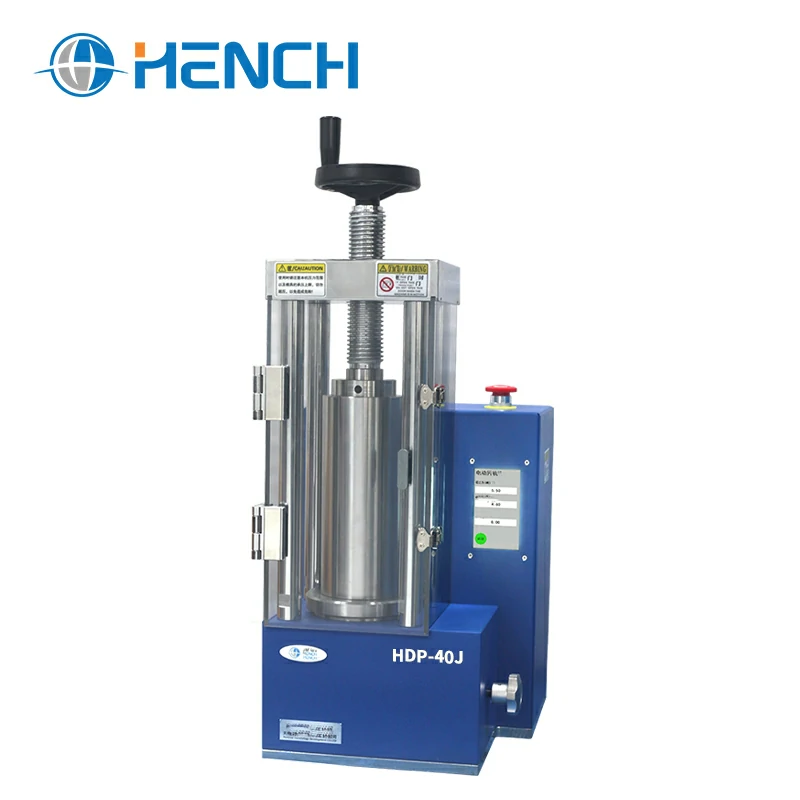
To fully grasp the unique capability of the hot isostatic pressing process, it is useful to contrast it with other common industrial pressing methods. Each technique has its place, defined by the forces it applies and the materials it is suited for. The primary distinction lies in the nature of the applied pressure: isostatic (uniform from all directions) versus uniaxial (from one direction) or biaxial. This difference fundamentally dictates the kind of consolidation and shaping that can be achieved. For many preparatory tasks in a lab, such as creating KBr pellets for FTIR analysis, simple uniaxial pressure from a tool like a manual hydraulic press is perfectly sufficient, but for eliminating internal porosity in a complex 3D part, a more sophisticated approach is needed.
| Feature | Hot Isostatic Pressing (HIP) | Uniaxial Hot Pressing | Cold Isostatic Pressing (CIP) |
|---|---|---|---|
| Pressure Type | Isostatic (uniform, all directions) | Uniaxial (top and bottom) | Isostatic (uniform, all directions) |
| Temperature | High (e.g., 900 – 2000°C) | High (e.g., 1000 – 2200°C) | Ambient (Room Temperature) |
| Pressure Medium | Inert Gas (e.g., Argon) | Solid Die/Plunger | Liquid (e.g., Water, Oil) |
| Primary Goal | Eliminate internal porosity, diffusion bond | Consolidate powder into simple shapes | Consolidate powder into a "green" part |
| Shape Complexity | Very High (treats pre-formed parts) | Low to Medium (limited by die) | High (flexible mold) |
| Achieved Density | Up to 100% of theoretical | 95 – 99% of theoretical | 85 – 95% of theoretical ("green" density) |
| Typical Use Case | Densifying castings, 3D printed parts | Making simple ceramic plates, targets | Pre-forming complex powder shapes for sintering |
As the table illustrates, the hot isostatic pressing process occupies a unique niche. It is not typically used to form a shape from scratch but rather to perfect a shape that has already been made. Cold Isostatic Pressing (CIP) is excellent for creating a uniformly compacted "green" body from powder, but this part still requires a subsequent high-temperature sintering step to fuse the particles together, a step which itself can leave residual porosity. Uniaxial Hot Pressing can create a dense part directly from powder but is limited to simple geometries like discs and blocks, and density gradients can occur due to die-wall friction. The hot isostatic pressing process overcomes these limitations by applying pressure uniformly to a pre-existing, often complex, shape, making it the ultimate healing process for high-value components.
Way 1: Achieving Full Densification and Eradicating Porosity
The first and most fundamental benefit of the hot isostatic pressing process is its unparalleled ability to achieve full material densification. This means bringing a component to, or very near to, 100% of its theoretical maximum density. The pursuit of this perfect density is not merely an academic exercise; it is a practical necessity for any component where failure could have severe consequences. The enemy in this pursuit is porosity—the presence of tiny, empty voids trapped within the bulk of the material. These voids are the natural-born enemies of mechanical integrity.
The Problem of Porosity in Metals and Ceramics
Porosity can be introduced into materials through several common manufacturing routes. In metal casting, as the molten metal cools and solidifies, it shrinks. If there isn't enough molten metal to feed this shrinkage, microscopic voids, known as shrinkage porosity, can form. Another source is gas porosity, where dissolved gases in the melt come out of solution during solidification and form bubbles that get trapped in the solid structure.
Powder metallurgy (PM) is another major pathway. In PM, parts are made by compacting metal or ceramic powders and then sintering them at high temperatures. Sintering fuses the powder particles together, but unless the process is perfect, small voids can remain at the junctions where three or more powder particles met.
Perhaps the most relevant modern source of porosity is additive manufacturing (AM), or 3D printing. Processes like selective laser melting (SLM) or electron beam melting (EBM) build parts layer by layer by melting fine powder. While incredibly powerful for creating complex geometries, these processes can sometimes introduce defects. "Lack-of-fusion" porosity occurs if the laser or electron beam fails to completely melt and fuse the powder in a region, leaving a void. Keyhole porosity can also form if the energy input is too high, causing the molten metal to vaporize and create a gas bubble that becomes trapped.
Regardless of its origin, a pore is a stress concentrator. Imagine the smooth flow of force through a solid material. When this flow encounters a void, it must divert around it. This causes the stress to become highly concentrated at the edges of the pore, much like water in a river speeds up and becomes more forceful as it flows around a sharp rock. Under cyclic loading (repeated stress), as experienced by an aircraft wing or a rotating engine part, these stress concentrations become initiation sites for fatigue cracks. A tiny, seemingly insignificant pore can grow into a crack that ultimately leads to the catastrophic failure of the entire component. Porosity also reduces the effective cross-sectional area of the material, directly decreasing its load-bearing capacity and other properties like thermal and electrical conductivity.
How HIP Heals Internal Voids: A Micromechanical Perspective
The hot isostatic pressing process attacks porosity with a two-pronged strategy: heat and pressure. Let’s visualize a microscopic void deep inside a block of titanium alloy. It is an empty space surrounded by solid metal.
First, the "hot" part of the process comes into play. As the component is heated to a significant fraction of its melting temperature (e.g., 920°C for Ti-6Al-4V, which melts around 1660°C), the atoms in the crystal lattice gain thermal energy. They begin to vibrate more vigorously, and the bonds between them weaken slightly. The material becomes plastic, meaning it can be permanently deformed under pressure without fracturing. Crucially, this heat also activates diffusion mechanisms. Diffusion is the net movement of atoms from an area of high concentration to an area of low concentration. At elevated temperatures, atoms can slowly migrate through the solid lattice.
Next, the "isostatic pressing" is applied. The immense pressure from the surrounding argon gas pushes inward on the component from all sides. Because the pressure is isostatic, the component doesn't buckle or deform in one direction. Instead, it experiences a uniform compressive stress. This external pressure creates a pressure gradient between the solid material and the empty void inside. The material surrounding the void is now under immense compression, and it seeks to relieve this stress.
The combination of the material's softened state and the powerful pressure gradient causes the walls of the void to slowly collapse inward. This is a process of plastic deformation on a micro-scale. The material flows into the empty space. As the walls of the void are pushed closer and closer together, the final stage of healing begins: diffusion bonding. The atoms from the opposing surfaces of the collapsing void are now so close that they begin to diffuse across the interface. An atom from the "top" surface of the void can jump across and form a metallic bond with an atom on the "bottom" surface. Over the soak time of one to four hours, millions upon millions of these atomic jumps occur, effectively erasing the boundary that once defined the void. The void is not just filled; it is un-created. The material becomes a continuous, solid whole, as if the pore had never existed.
A critical prerequisite for this healing is that the porosity must be internal and not connected to the surface. If a pore forms a channel to the outside of the part, the high-pressure argon gas will simply fill the pore, and the pressure inside and outside the pore will equalize. With no pressure gradient, there is no driving force for collapse. For this reason, parts with surface-connected porosity may need to be encapsulated in a sealed metal can before undergoing the hot isostatic pressing process.
Case Study: Densifying 3D-Printed Titanium for Aerospace
Let's consider a practical, high-stakes example: a complex structural bracket for a new commercial aircraft, manufactured using selective laser melting from Ti-6Al-4V powder. The design is highly optimized for weight savings, featuring a complex internal lattice structure that would be impossible to machine. As-printed, the bracket has a density of around 99.7%. That 0.3% of residual porosity, consisting of tiny lack-of-fusion and keyhole pores, is unacceptable for a flight-critical component. The fatigue life of the as-printed bracket is highly variable and, on average, significantly lower than that of a traditionally forged bracket.
The bracket is then subjected to a standard hot isostatic pressing process cycle for titanium alloys: heated to approximately 920°C, held under 100 MPa of argon pressure for two hours, and then cooled. After the cycle, the bracket is re-evaluated. Its density is now measured at >99.99%, effectively full density. More importantly, when samples are cut from the bracket and tested for fatigue life, the results are dramatic. The average fatigue life has increased by an order of magnitude, and the scatter in the data has been drastically reduced. The HIP treatment has healed the internal defects that were acting as crack initiators. The bracket is now reliable and robust, meeting the stringent certification requirements for aerospace applications. This transformation from a promising but flawed component to a flight-worthy part is a direct result of the densification power of the hot isostatic pressing process.
Material Suitability for HIP
The hot isostatic pressing process is versatile, but not all materials are equally suited for it. The ideal candidate is a material that exhibits sufficient plasticity at elevated temperatures and does not undergo undesirable phase transformations during the HIP cycle. The table below outlines some common materials that are frequently treated with HIP, along with typical process parameters and key applications.
| Material Class | Specific Examples | Typical Temp. (°C) | Typical Pressure (MPa) | Key Applications |
|---|---|---|---|---|
| Titanium Alloys | Ti-6Al-4V, Ti-6242 | 850 – 950 | 100 – 150 | Aerospace components, medical implants, engine parts |
| Nickel Superalloys | Inconel 718, René 80 | 1150 – 1200 | 100 – 170 | Jet engine turbine disks, blades, industrial gas turbines |
| Stainless Steels | 316L, 17-4PH | 1050 – 1150 | 100 – 150 | Offshore oil & gas components, food processing equipment |
| Tool Steels | H13, M2 | 1000 – 1100 | 100 | High-performance cutting tools, dies, molds |
| Aluminum Alloys | A205, F357 | 490 – 520 | 100 | Automotive pistons, high-performance castings |
| Cobalt-Chrome | Co-Cr-Mo | 1100 – 1200 | 100 | Orthopedic implants (hips, knees), dental prosthetics |
| Ceramics | Alumina (Al₂O₃), Zirconia (ZrO₂) | 1300 – 1600 | 100 – 200 | Cutting tools, armor, electronic substrates |
This table highlights the broad applicability of the hot isostatic pressing process. From the high-temperature superalloys that power jet engines to the biocompatible alloys used to rebuild human joints, HIP provides a critical final step to ensure material integrity and performance. The specific parameters of temperature, pressure, and time are carefully developed for each alloy to maximize densification while optimizing the resulting microstructure.
Way 2: Elevating Mechanical Properties for Superior Performance
While achieving full density is the most immediate outcome of the hot isostatic pressing process, its benefits extend far beyond simply filling voids. The true value of the process lies in how this newfound solidity translates into a dramatic enhancement of a material's mechanical properties. A component that has undergone HIP is not just denser; it is tougher, more resilient, and more reliable. It’s the difference between a standard production car and a finely tuned racing machine; they may look similar on the outside, but their performance capabilities are worlds apart. This enhancement stems from the influence of the HIP cycle on the material's internal structure, or microstructure.
Beyond Density: Improving Ductility, Fatigue Life, and Toughness
Let's examine the key performance metrics that are most profoundly improved by the hot isostatic pressing process.
Ductility: Ductility is a measure of a material's ability to deform plastically under tensile stress before it fractures. A ductile material will stretch and neck down before it snaps, whereas a brittle material will fracture suddenly with little or no warning. Porosity is a major enemy of ductility. Pores act as internal notches, concentrating stress and providing easy pathways for cracks to start and propagate, leading to premature, brittle-like failure. By eliminating these pores, HIP allows the material to behave according to its intrinsic nature. The result is often a doubling or even tripling of the material's elongation-to-failure measurement, a key indicator of ductility. This is vital in applications where a component might experience an unexpected overload; a ductile part will bend, providing a visible warning of distress, while a brittle one would simply fail.
Fatigue Life: Fatigue is the silent killer of mechanical components. It is failure under a repeated or cyclic load, even if that load is well below the material's ultimate tensile strength. As discussed earlier, pores are perfect initiation sites for fatigue cracks. Each stress cycle causes a tiny amount of damage to accumulate at the tip of the pore, and over thousands or millions of cycles, a crack grows until it reaches a critical size, leading to sudden failure. The hot isostatic pressing process dramatically improves fatigue life by removing these initiation sites. By healing the internal porosity, HIP essentially forces any fatigue crack to initiate from a much smaller, less severe feature, such as a surface imperfection or a microscopic inclusion. This vastly increases the number of cycles required to start a crack and slows its subsequent growth. For rotating parts like engine disks or shafts, this can mean an increase in service life by a factor of ten or more.
Fracture Toughness: Fracture toughness is a measure of a material's resistance to the propagation of a pre-existing crack. It quantifies the amount of energy a material can absorb before it fractures. In a porous material, a crack can easily link up from one pore to the next, finding a low-energy path through the material. This results in low fracture toughness. After the hot isostatic pressing process, the material becomes a continuous, solid matrix. For a crack to propagate, it must now cleave through strong metallic bonds, a much more energy-intensive process. This results in a significant increase in fracture toughness, making the material more damage-tolerant and less susceptible to catastrophic failure from small, undetected flaws.
The Transformation of Microstructures under Heat and Pressure
The improvements in mechanical properties are not solely due to the removal of voids. The high temperatures of the HIP cycle also act as a homogenization and annealing treatment.
Homogenization: In many cast or additively manufactured parts, the chemical composition can vary slightly from one location to another. This is known as microsegregation. During the HIP cycle's high-temperature soak, the increased atomic mobility allows elements to diffuse more evenly throughout the material. This results in a more chemically homogeneous microstructure, which in turn leads to more uniform and predictable mechanical properties across the entire component.
Microstructural Refinement: The specific temperature and cooling rate of the hot isostatic pressing process cycle can be tailored to manipulate the material's grain structure. Grains are the small, individual crystals that make up a polycrystalline material like a metal alloy. The size, shape, and orientation of these grains have a profound effect on properties. For some materials, the HIP cycle can be designed to produce a finer, more equiaxed grain structure, which generally improves strength and ductility. For other applications, like turbine blades that experience high-temperature creep, a coarser, elongated grain structure is desirable, and the HIP parameters can be adjusted accordingly. In some advanced HIP units with rapid cooling capabilities, the process can be used to perform a full heat treatment cycle (solutionizing and quenching) in a single step, further optimizing the microstructure and saving time and energy compared to separate processing steps.
Application Focus: Medical Implants and the Quest for Biocompatibility
Nowhere are the benefits of the hot isostatic pressing process more critical to human well-being than in the field of medical implants. Consider a total hip replacement, which consists of a femoral stem inserted into the femur, a ball, and a cup placed in the pelvis. These components are often made from materials like titanium (Ti-6Al-4V) or cobalt-chrome (Co-Cr-Mo) alloys. They are expected to function inside the human body for decades under millions of cycles of walking, running, and climbing stairs.
Investment casting and, more recently, additive manufacturing are used to create these complex shapes. Both processes, however, can leave behind the residual porosity we've discussed. In a hip implant, this porosity would be a disaster. It would drastically reduce the fatigue strength of the femoral stem, risking fracture and requiring a difficult revision surgery. For this reason, the hot isostatic pressing process is a standard, non-negotiable manufacturing step for nearly all cast or 3D-printed orthopedic implants.
By subjecting the cast implant to HIP, manufacturers can eliminate the internal voids, bringing the fatigue life of the component up to the standards required for long-term in-vivo performance. The improvement is not just about preventing catastrophic failure. A fully dense, HIP-ed surface is also smoother and more corrosion-resistant, which is vital for biocompatibility. A porous surface can harbor bacteria and lead to increased ion release into the body as it corrodes, potentially causing adverse tissue reactions. The hot isostatic pressing process helps ensure the implant is as strong, reliable, and biocompatible as possible, directly contributing to the quality of life for millions of patients worldwide.
The Role of Pressure in Sample Preparation for Analysis
The principles of applying pressure to consolidate materials are not limited to large-scale industrial manufacturing. They also find a crucial place in the laboratory, particularly in preparing samples for analytical characterization. When we want to analyze a solid material using a technique like Fourier Transform Infrared (FTIR) spectroscopy, we often need to prepare it in a specific way. For powdered samples, a common method is to create a KBr (potassium bromide) pellet.
This involves mixing a small amount of the powdered sample with dry KBr powder and then compressing the mixture in a die using a press. The pressure causes the salt crystals to deform and fuse, forming a thin, transparent pellet that can be analyzed by the FTIR beam. While the pressures are much lower and the temperature is ambient, the principle of using pressure to consolidate a powder into a solid form is analogous to powder-based HIP. A simple, manually operated laboratory hydraulic press is the standard tool for this task. It provides the controlled, uniaxial force needed to create a high-quality, transparent pellet, ensuring reliable and repeatable spectroscopic results. Understanding how pressure works on a small scale in the lab helps us appreciate the immense forces at play in an industrial hot isostatic pressing process unit.
Way 3: Unlocking Advanced Materials and Complex Geometries
Beyond perfecting existing components, the hot isostatic pressing process is an enabling technology that opens the door to creating entirely new types of materials and manufacturing parts in ways that were previously impossible. It acts as a powerful tool for material innovation, allowing engineers to design components with tailored properties and complex forms that minimize waste and maximize performance. This capability moves HIP from a simple remediation step to a creative and foundational manufacturing process.
Diffusion Bonding and Cladding with HIP
One of the most remarkable capabilities of the hot isostatic pressing process is its ability to join materials together in the solid state through a process called diffusion bonding. Imagine you want to create a component where the surface needs to be extremely hard and wear-resistant, but the core needs to be tough and ductile to absorb impacts. Machining this from a single material would be a compromise, excelling at neither.
With HIP, you can take two or more different materials—for example, a block of tough tool steel and a plate of hard ceramic or a wear-resistant alloy—and stack them together. The assembly is then sealed in an evacuated container (to prevent oxidation) and placed in the HIP unit. Under the intense heat and pressure of the HIP cycle, the atoms at the interface between the two materials begin to inter-diffuse. Atoms from the steel migrate into the ceramic, and atoms from the ceramic migrate into the steel. This atomic-level mixing creates a metallurgical bond across the interface that is as strong as the parent materials themselves. There is no melting, no welding filler material, and no heat-affected zone like in traditional welding. The result is a single, bimetallic or metal-ceramic composite part with distinct, tailored properties in different regions.
This technique, often called HIP cladding, is used to create high-performance components like corrosion-resistant pipes for the chemical industry (a carbon steel pipe clad on the inside with a layer of nickel alloy) or wear-resistant valve seats. It allows for the creation of functionally graded materials where the composition and properties change gradually from one side of the part to the other, a feat that is extremely difficult to achieve by other means.
Creating Near-Net Shape Components to Reduce Waste
Traditional manufacturing often involves "subtractive" methods. You start with a large block or bar of expensive material (like a titanium forging) and then machine away up to 90% of it to arrive at the final, complex shape. This is incredibly wasteful, both in terms of the high-value material that ends up as chips on the floor and the energy and time consumed in machining.
The hot isostatic pressing process offers a powerful "additive" or near-net shape alternative, particularly for powder-based materials. In this approach, a mold or canister is fabricated in the shape of the desired final part. This canister is then filled with metal or ceramic powder. After filling, the canister is evacuated, sealed, and subjected to the HIP cycle. Inside the HIP unit, the powder is consolidated to full density, taking the exact shape of the canister.
After the cycle, the canister material (which is chosen to be easily removable, often by chemical etching or machining) is stripped away, revealing a fully dense component that is very close to its final required dimensions—a "near-net shape." This drastically reduces the amount of final machining required, saving enormous amounts of material, time, and cost. This is particularly advantageous for expensive and difficult-to-machine materials like nickel superalloys and titanium alloys. The powder-to-near-net-shape HIP route is a cornerstone of sustainable and cost-effective manufacturing for high-performance components.
The Synergy Between Additive Manufacturing and HIP
Perhaps the most significant modern role for the hot isostatic pressing process is its synergistic relationship with additive manufacturing (AM), or 3D printing. AM technologies like selective laser melting (SLM) and electron beam melting (EBM) offer unprecedented design freedom, allowing for the creation of geometrically complex and lightweight parts that are impossible to make with traditional methods. However, as we have seen, these processes can introduce internal defects like porosity, which can compromise the mechanical performance of the printed part.
This is where the hot isostatic pressing process becomes the perfect partner to AM. HIP serves as a post-processing step that "heals" the as-printed material. It eliminates the lack-of-fusion and keyhole porosity inherent to the AM process, raises the density to 100%, and homogenizes the microstructure. This combination of AM and HIP allows engineers to leverage the geometric freedom of 3D printing while ensuring the final part has the mechanical integrity of a traditionally forged component.
The results of this partnership are transformative. In aerospace, it allows for the production of lightweight, topology-optimized brackets and complex turbine blades with internal cooling channels. In the medical field, it enables the creation of patient-specific implants with porous surfaces for bone ingrowth and fully dense cores for load-bearing strength. The combination essentially offers the best of both worlds: the design freedom of AM and the material quality assured by the hot isostatic pressing process. Many in the industry now consider HIP to be an almost mandatory step for any flight-critical or medical-implant-grade 3D-printed metal part.
Post-HIP Analysis: Verifying Success with Advanced Tools
Creating these advanced materials is only half the battle. The other half is verification. After a component has undergone the expensive and time-consuming hot isostatic pressing process, it is imperative to confirm that the process was successful. Did all the porosity close? Did the diffusion bond form correctly? Has the microstructure been optimized as intended? Answering these questions requires a suite of advanced analytical and non-destructive testing techniques. This quality assurance step is not just a formality; it is a fundamental part of the manufacturing workflow that guarantees the reliability and safety of the final product. It is in this critical phase of verification that the tools and techniques of the materials laboratory play a starring role.
Quality Assurance and Verification in the HIP Workflow
The promise of the hot isostatic pressing process—a perfectly dense, internally flawless component—is a powerful one. However, in the world of high-performance engineering, promises are not enough; proof is required. A comprehensive quality assurance (QA) program is therefore an integral part of any manufacturing chain that utilizes HIP. This involves a combination of techniques designed to inspect the component both externally and internally, ensuring that the process has delivered on its promise of material perfection. One cannot simply assume that the HIP cycle worked as planned. Verification is essential, especially when the components are destined for critical applications in aerospace, energy, or medicine.
Non-Destructive Testing (NDT) Methods
The first line of defense in post-HIP quality control is non-destructive testing (NDT). As the name implies, these methods allow us to inspect the interior of a component for defects without cutting it up or destroying it.
Ultrasonic Testing (UT): This is one of the most common NDT methods used for HIP-ed components. In UT, a transducer sends high-frequency sound waves into the material. These sound waves travel through the component and reflect off any interface—the back wall of the part or, more importantly, any internal defect like a residual pore or a crack. By analyzing the timing and amplitude of these reflected echoes, an inspector can map out the internal structure of the part and identify the location, size, and orientation of any flaws. For a successfully HIP-ed part, the ultrasonic signal should be clean, showing only the reflection from the back wall, indicating a solid, continuous material.
X-ray Computed Tomography (CT): For components with highly complex geometries or for the most critical applications, X-ray CT scanning offers an even more detailed view. Similar to a medical CT scan, this technique involves taking thousands of X-ray images of the part from different angles and then using a computer to reconstruct a full 3D model of the component, including its internal structure. This allows inspectors to virtually "slice" through the part and look for any remaining porosity. It is an incredibly powerful tool for validating the success of the hot isostatic pressing process, capable of detecting even very small voids that might be missed by other methods.
These NDT methods are crucial for screening 100% of production parts, ensuring that every single component that leaves the factory meets the required internal quality standards.
The Indispensable Role of Spectroscopic Analysis
While NDT is excellent for finding macroscopic flaws, it doesn't tell the whole story. It doesn't tell us about the chemistry of the material, the quality of the diffusion bonds at an atomic level, or whether any subtle contamination has occurred during the HIP cycle. For this deeper level of analysis, we turn to the techniques of materials characterization, including microscopy and spectroscopy.
This often involves destructive testing of representative samples taken from the same HIP batch, or from sacrificial parts processed alongside the main components. The part is sectioned, mounted, and polished to a mirror finish to reveal its microstructure.
Scanning Electron Microscopy (SEM): An SEM can magnify the microstructure by tens of thousands of times, allowing metallurgists to visually inspect for any remaining microporosity. It can confirm that the grains have the desired size and shape and that, in the case of diffusion bonding, the interface is clean and well-formed. When coupled with Energy Dispersive X-ray Spectroscopy (EDS), the SEM can also map the chemical composition across the microstructure, confirming that homogenization was successful or analyzing the elemental profile across a diffusion bond.
Using FTIR for Post-HIP Material Characterization
Fourier Transform Infrared (FTIR) spectroscopy is another powerful tool in the materials characterization arsenal, providing unique chemical insights that other techniques cannot. While often associated with the analysis of organic materials and polymers, FTIR has important applications in the context of the hot isostatic pressing process as well.
One potential concern during the HIP of powders is the presence of organic contaminants. Binders or lubricants are sometimes used in powder processing, and if not fully removed before the HIP cycle, they can decompose at high temperatures, leaving behind carbonaceous residues or trapped gases that can compromise properties. FTIR spectroscopy is exceptionally sensitive to organic functional groups. By preparing a sample of the HIP-ed material—perhaps by grinding it into a powder and pressing it into a pellet using appropriate sample preparation equipment—an analyst can use FTIR to scan for the characteristic absorption peaks of C-H, C=O, or other organic bonds. The absence of these peaks provides confidence that the material is free from such contamination.
Furthermore, FTIR can be used in reflection mode to analyze the surface chemistry of a HIP-ed component. This can be important for verifying the integrity of surface oxide layers or for detecting any unexpected surface reactions with the pressurizing gas or canister materials. For certain ceramic materials, FTIR can provide information about the nature and completeness of the chemical bonding within the material, offering another way to assess the quality of the consolidation achieved during the hot isostatic pressing process. The ability to perform such detailed chemical analysis is a vital part of the comprehensive quality control needed to certify high-performance materials.
Digitalization and Smart HIP Systems
The manufacturing world is undergoing a digital revolution, often called Industry 4.0. This is the move towards smarter, more connected, and more autonomous industrial systems. The hot isostatic press process, with its complex interplay of temperature, pressure, and material science, is a prime candidate for this digital transformation. The trend in 2025 is to move beyond simple automated cycles and towards intelligent HIP systems that use simulation, real-time data, and artificial intelligence to optimize every aspect of the process. This shift promises to make HIP more precise, reliable, and cost-effective than ever before.
The Role of Simulation and Modeling in Process Optimization
A hot isostatic press process cycle can take several hours and consumes a significant amount of energy. The parts being processed are often extremely valuable, sometimes worth tens of thousands of dollars each. Historically, developing the correct HIP cycle for a new part or a new alloy was often a matter of experience-based knowledge and a degree of trial and error. An incorrect cycle could fail to close all porosity or, in a worst-case scenario, could damage the part by causing unwanted distortion.
Today, advanced computational modeling and simulation software are changing this paradigm. Before a part ever enters the HIP vessel, engineers can create a digital model of it. They can simulate the entire HIP cycle, predicting how the temperature will distribute throughout the part's geometry and how the material will respond to the applied pressure. These simulations can:
- Predict Densification: The software can model the collapse of internal pores, predicting whether a proposed cycle will be sufficient to achieve full density in the thickest sections of the component.
- Anticipate Distortion: For near-net shape parts, it is vital to predict any minor shape changes that might occur during the HIP process. Simulation allows engineers to design the initial canister or part geometry to compensate for this, ensuring the final part is dimensionally accurate.
- Optimize Cycle Time: Simulation can help determine the minimum time required at peak temperature and pressure to achieve full densification. This avoids overly long cycles, saving energy, time, and money.
By running dozens of virtual experiments on a computer, engineers can arrive at an optimized HIP recipe without risking a single physical part. This front-loading of intelligence drastically reduces the time and cost of process development.
In-Process Monitoring and Data Analytics
A modern HIP system is equipped with an array of sensors that go far beyond simple temperature and pressure gauges. These can include thermocouples placed throughout the workload to monitor temperature uniformity, strain gauges on the vessel, and gas analysis sensors. This flood of data, collected in real-time throughout the cycle, is a valuable resource.
The trend is to not just record this data for quality assurance but to analyze it actively. By comparing the real-time sensor data to the predictions from the simulation, the system can verify that the cycle is proceeding as expected. Advanced analytics can detect subtle deviations that might indicate a problem, such as a failing heating element or an unexpected material response.
This data-rich environment provides unprecedented traceability. For every single part, there is a complete digital record of the exact thermal and pressure history it experienced. For critical components in aerospace or medical, this digital "birth certificate" is an invaluable part of its quality dossier.
Predictive Maintenance and AI-Driven Control
The next step in this evolution is the application of artificial intelligence (AI) and machine learning. By analyzing the data from thousands of previous HIP cycles, machine learning algorithms can begin to identify patterns that are invisible to human operators.
One key application is predictive maintenance. An AI system can monitor the sensor data from the vessel's components—pumps, heaters, valves—and detect the subtle signatures of impending failure. It could, for example, notice a slight increase in the time it takes for a compressor to reach a certain pressure, indicating wear. This allows maintenance to be scheduled proactively, before a component fails and causes costly downtime.
Even more advanced is the concept of AI-driven process control. An intelligent control system could, in the future, make minor adjustments to the HIP cycle in real-time. If it detects that a certain part of the workload is heating more slowly than expected, it could slightly adjust the furnace power distribution to compensate, ensuring a perfectly uniform thermal profile. This moves from a pre-programmed cycle to an adaptive, responsive cycle, guaranteeing optimal results every time.
Creating a Digital Twin of the HIP Cycle
The ultimate expression of this digital trend is the "digital twin." A digital twin is a dynamic, virtual replica of a physical asset—in this case, the HIP vessel and its workload. This is more than just a static simulation; it is a living model that is continuously updated with real-time sensor data from its physical counterpart.
The digital twin would mirror the state of the physical HIP system at all times. Operators could use it to visualize the conditions inside the sealed vessel, watching the predicted densification of the parts as the cycle progresses. They could run "what-if" scenarios on the twin in parallel with the real cycle to see the potential impact of a process adjustment before committing to it.
The digital twin serves as the central hub for all process data, simulation models, and analytics. It is the brain of the smart HIP system, providing a complete and holistic understanding of the process. This digital fusion of the virtual and physical worlds is the future of the hot isostatic press process, promising a new era of precision, control, and efficiency in the manufacturing of the world's most advanced materials.
Sustainability and Efficiency in HIP Operations
As industries worldwide face increasing pressure to reduce their environmental impact and improve operational efficiency, manufacturing processes are being scrutinized through a green lens. The hot isostatic press process, while incredibly powerful, is inherently energy-intensive. It requires heating large thermal masses to very high temperatures and compressing large volumes of gas. Consequently, a major trend in 2025 is the concerted effort to make HIP operations more sustainable and efficient, focusing on energy consumption, gas management, and economic viability.
Energy Consumption and Optimization Strategies
The furnace within a HIP vessel is a powerful electrical heater. Heating a multi-ton payload of parts and fixtures to 1,200°C and holding it there for hours consumes a significant amount of electricity. The primary goal of efficiency optimization is to minimize this energy consumption without compromising the metallurgical quality of the parts.
Several strategies are being employed:
- Improved Insulation: Modern HIP systems feature advanced furnace insulation packages. These use layers of high-performance materials to minimize heat loss from the furnace to the water-cooled walls of the pressure vessel. Even small improvements in insulation can lead to substantial energy savings over the life of the unit.
- Cycle Optimization: As discussed in the context of digitalization, simulation tools are used to determine the shortest possible cycle time that still guarantees full densification. Eliminating even 30 minutes from a cycle can save a considerable amount of energy, and when multiplied over thousands of cycles per year, the savings are immense.
- Load Maximization: Running a HIP cycle with a partially empty vessel is highly inefficient, as you are still heating the entire furnace and vessel. Efficient operation involves carefully planning production schedules to ensure that each cycle is run with the maximum possible workload, thereby maximizing the energy efficiency per part.
- Uniform Heating Technology: Advanced furnace designs, sometimes using multiple heating zones, allow for more precise and uniform heating of the workload. This avoids the need to "overheat" certain areas to ensure the coldest spots reach the target temperature, leading to a more efficient use of energy.
Argon Recycling and Gas Management
The inert gas used in the hot isostatic press process, almost always argon, is another significant cost and environmental factor. Argon is produced by the fractional distillation of liquid air, a process that is itself energy-intensive. While argon is not a greenhouse gas, its production has a carbon footprint.
Furthermore, high-purity argon is expensive. Venting the gas to the atmosphere after every cycle would be prohibitively costly and wasteful. For this reason, modern HIP facilities are closed-loop systems. After a cycle is complete, the high-pressure gas is not vented but is carefully returned to a series of storage tanks. This allows for over 99% of the argon to be recovered and reused for subsequent cycles.
The trend is toward even more sophisticated gas management systems. These systems continuously monitor the purity of the recycled argon, as trace amounts of impurities can outgas from the parts during a cycle. In-line purification systems can remove these impurities, ensuring the gas quality remains high. Efficient compressor and storage strategies also minimize the energy required for gas handling and re-pressurization, further contributing to the overall efficiency of the operation.
Reducing the Carbon Footprint of High-Performance Manufacturing
The drive for sustainability in the hot isostatic press process is part of a larger story. By enabling technologies like near-net shape manufacturing, HIP contributes to sustainability in a broader sense. Creating a part via NNS HIP instead of machining it from a large forging can reduce material waste by 80% or more. This saves not only the cost of the material but also the enormous amount of energy that was required to produce that material in the first place.
Similarly, by extending the life of critical components, HIP has a positive environmental impact. A HIPed turbine blade in a power-generation turbine might last longer, improving the overall efficiency and lifespan of the turbine and reducing the need for replacement parts. A lighter, AM-plus-HIP aircraft bracket reduces the weight of the aircraft, saving fuel over its entire service life.
Therefore, while the HIP process itself consumes energy, its application often leads to net savings in energy and resources across the entire lifecycle of a product. The goal is to maximize these downstream benefits while minimizing the direct energy and resource consumption of the process itself.
The Economic Case for Greener HIP
Importantly, the push for sustainability is not just about environmental responsibility; it is also about economic competitiveness. Energy is a major operational cost for any HIP provider. Reducing energy consumption directly translates to a lower cost per cycle, making the process more affordable and competitive. Efficient argon recycling directly reduces the cost of consumables.
As companies and consumers become more environmentally conscious, a manufacturer's carbon footprint is becoming a factor in purchasing decisions. A HIP provider that can demonstrate efficient, low-impact operations has a competitive advantage. The investments in modern, energy-efficient HIP equipment, smart simulation software, and comprehensive gas recycling systems pay dividends in the form of lower operating costs, increased throughput, and a stronger market position. The greenest HIP operation is also the most profitable one.
Frequently Asked Questions (FAQ)
What is the primary purpose of the hot isostatic pressing process?
The primary purpose is to eliminate internal porosity in metallic and ceramic components. By applying high heat and uniform, isostatic pressure, the process collapses internal voids, bringing the material to full density. This dramatically improves mechanical properties like fatigue life, ductility, and toughness.
Can HIP change the shape of my part?
No, for the most part. Because the pressure is applied isostatically (equally from all directions), the hot isostatic pressing process densifies a component without significantly altering its overall geometric shape. The part will experience a small, uniform volumetric shrinkage corresponding to the volume of the porosity that was removed, but its form remains intact.
What is the difference between Hot Isostatic Pressing (HIP) and Cold Isostatic Pressing (CIP)?
The main differences are temperature and purpose. HIP uses high temperatures and isostatic pressure to create a fully dense final part from a casting, 3D-printed part, or encapsulated powder. CIP uses isostatic pressure at room temperature, typically with a liquid medium, to compact a powder into a "green" part, which then requires a separate high-temperature sintering step to achieve its final density.
Is the hot isostatic pressing process expensive?
Yes, it is a relatively high-cost process. The equipment itself is a significant capital investment, and the process consumes considerable energy. Therefore, HIP is typically reserved for high-value components where performance and reliability are paramount, and the cost of failure would be extremely high, such as in the aerospace, medical, and energy industries.
Can all types of porosity be healed by HIP?
No, HIP can only heal internal porosity that is not connected to the surface of the part. If a pore has a path to the surface, the high-pressure gas will simply fill the void, equalizing the pressure and removing the driving force for its collapse. Components with surface-connected porosity must be encapsulated in a sealed, airtight can before being processed.
What gases are used in the hot isostatic pressing process?
The most common gas used is argon. It is chosen because it is chemically inert, even at very high temperatures, so it will not react with or contaminate the materials being processed. For some specific applications where argon may have some solubility, nitrogen is sometimes used.
How does HIP improve 3D-printed parts?
Additive manufacturing (3D printing) can leave behind microscopic defects like lack-of-fusion voids or keyhole porosity. The hot isostatic pressing process acts as a healing step, eliminating these internal flaws. This transforms the as-printed part, which may have variable and lower-than-expected mechanical properties, into a fully dense, reliable component with fatigue strength and ductility comparable to wrought materials.
Final Reflections on the Pursuit of Material Perfection
The journey through the science and application of the hot isostatic pressing process reveals a profound human endeavor: the quest for perfection in the materials that underpin our modern world. It is a process born from a deep understanding of the vulnerabilities that lie hidden within the things we build. A microscopic void, invisible to the naked eye, can become the starting point of a catastrophic failure in an aircraft engine or a medical implant. The hot isostatic pressing process represents our ability to confront this internal fragility not by adding something to the material, but by compelling the material to heal itself, to become a more ideal version of its own substance.
There is an elegance to the method—the gentle, uniform embrace of isostatic pressure combined with the transformative power of heat. It does not crudely hammer a material into submission but rather coaxes it into a state of higher integrity. This pursuit of 100% density is more than a technical specification; it is an expression of our demand for reliability and safety in technologies that we entrust with our lives. As we continue to push the boundaries of engineering, designing components with ever more complex geometries and demanding performance requirements through technologies like additive manufacturing, the role of processes like HIP becomes not just beneficial, but fundamentally enabling. It is the silent partner that ensures the beautiful complexity of a 3D-printed design is matched by an inner strength and soundness we can depend on.
References
American Society for Metals. (2015). ASM handbook, volume 7: Powder metallurgy. ASM International.
Atkinson, H. V., & Davies, S. (2000). Fundamental aspects of hot isostatic pressing: An overview. Metallurgical and Materials Transactions A, 31(12), 2981–3000. https://doi.org/10.1007/s11661-000-0078-2
Boyer, R. R. (2010). An overview on the use of titanium in the aerospace industry. Materials Science and Engineering: A, 213(1-2), 103-114. (96)10233-1
Frazier, W. E. (2014). Metal additive manufacturing: A review. Journal of Materials Engineering and Performance, 23(6), 1917–1928.
Hofmann, D. C., Suh, J. Y., & Johnson, W. L. (2009). Development of tough, low-density, Zr-based bulk metallic glass matrix composites with tensile ductility. Proceedings of the National Academy of Sciences, 106(48), 20136-20140. https://doi.org/10.1073/pnas.0907775106
Lewandowski, J. J., & Seifi, M. (2016). Metal additive manufacturing: A review of mechanical properties. Annual Review of Materials Research, 46, 151–186.
Shuntec Press. (2024, August 18). How does a hydraulic press work?. Shuntec Press. https://www.shuntecpress.com/blog/how-does-a-hydraulic-press-work/
Singer, R. F. (1998). The culture of hot isostatic pressing in the processing of high performance materials. Materials Science and Engineering: A, 245(1), 80-85. (97)00779-8
Uhlenwinkel, V., & Bauckhage, K. (1995). Principles of metal powder production by atomization. Powder Metallurgy International, 27(3), 143-147.
Zhang, W., & Chen, Y. (2019). A review on the hot isostatic pressing of metallic materials. The International Journal of Advanced Manufacturing Technology, 105(5-6), 2539–2557.